St. Lucia Cruise Port: Castries, the Pitons, and Soufrière
St. Lucia’s Pitons and Soufrière are unforgettable, but the winding road from Castries makes this a choose-one-direction port. Go south for the island’s signature scenery, north for an easier beach day, or stay close for the market and harbor views.
Last Visited: January 2022 aboard Norwegian Epic. This stop in Castries was part of my seven-night Southern Caribbean sailing from San Juan.
My quick take
Dock in Castries, then commit to one direction. Soufrière deserves a guided road or boat plan with a large return cushion, while Rodney Bay and Pigeon Island suit shorter calls and travelers who prefer less time in transit.
If you are still choosing islands, I compare the region in my Caribbean cruise ports guide, where St. Lucia sits alongside greener stops like St. Kitts. New to cruising, start with my first-timer port tips for the basics.
The quick facts
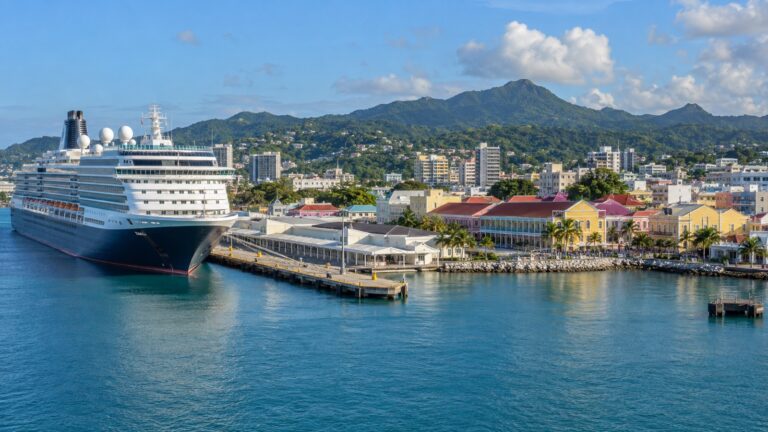
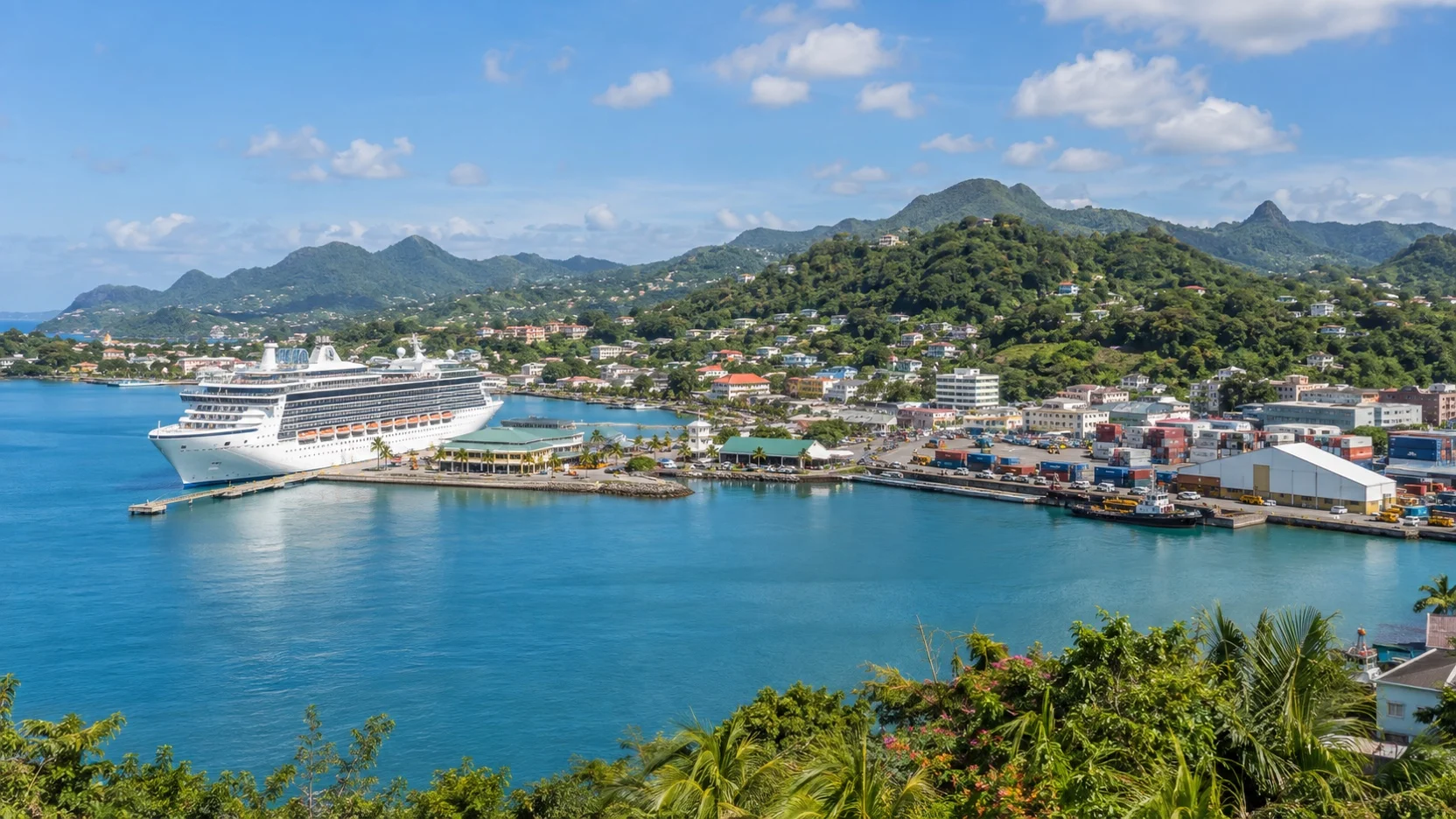
- Where you land: Pointe Seraphine or Port Castries at La Place Carenage, the two cruise and duty-free complexes on opposite sides of the harbor in the capital, Castries. Pointe Seraphine has two dedicated cruise berths plus multi-use berths for ships up to roughly 1,000 feet, per the Saint Lucia Air and Sea Ports Authority.
- Dock or tender: Ships dock at Castries; smaller luxury calls at Soufrière tender ashore instead.
- Into town: From La Place Carenage you are in central Castries in about 5 minutes on foot.
- Currency and language: The East Caribbean dollar (XCD), fixed at about 2.70 to the US dollar, and English as the official language, with French Creole, Kweyol, spoken everywhere.
- Time zone: Atlantic Standard Time (AST, UTC−4) all year.
- How often the call is missed: Low (roughly 1 to 2%): tropical storms can make the approach unsafe.
How I would confirm my own terminal
Castries cruise calls use Pointe Seraphine or La Place Carenage on opposite sides of the harbor, and your meeting point changes with the berth. Confirm the terminal and whether a tour collects inside the secure area, at the gate, or across the harbor.
La Place Carenage opens directly toward downtown, while Pointe Seraphine is walkable but farther around the harbor. A water shuttle may operate when ships are in, but treat it as a day-of option rather than a guaranteed connection.
Getting around
Taxis: Plenty wait at both complexes and drivers often act as informal guides. Agree the fare in EC or US dollars before you set off, since taxis are not metered.
Shared tours: A licensed round-trip tour is the simplest road option for Soufrière because the driver knows the narrow route and cruise timing. Ask how many stops are included, whether admissions are prepaid, and what happens if traffic blocks the return.
Rental cars: Possible, but only if you are a confident left-side driver. The hilly southern roads are not the place to learn.
Minibuses: Public routes are useful for local travel but do not run as a cruise transfer with a protected schedule. They are a poor choice for Soufrière on a port day because waits, connections, and the final walk back are hard to predict.
Heads up: some links below are affiliate links. If you book through one, I may earn a commission at no extra cost to you. It never changes which hotels or tours I recommend. Full disclosure.
The stops I would actually spend time on
The Pitons
Gros Piton and Petit Piton rise beside the sea near Soufrière, normally 75 to 120 minutes from Castries by road depending on traffic and stops. A coastal boat can reduce road time and motion sickness for some travelers, but sea conditions and wet boarding matter.
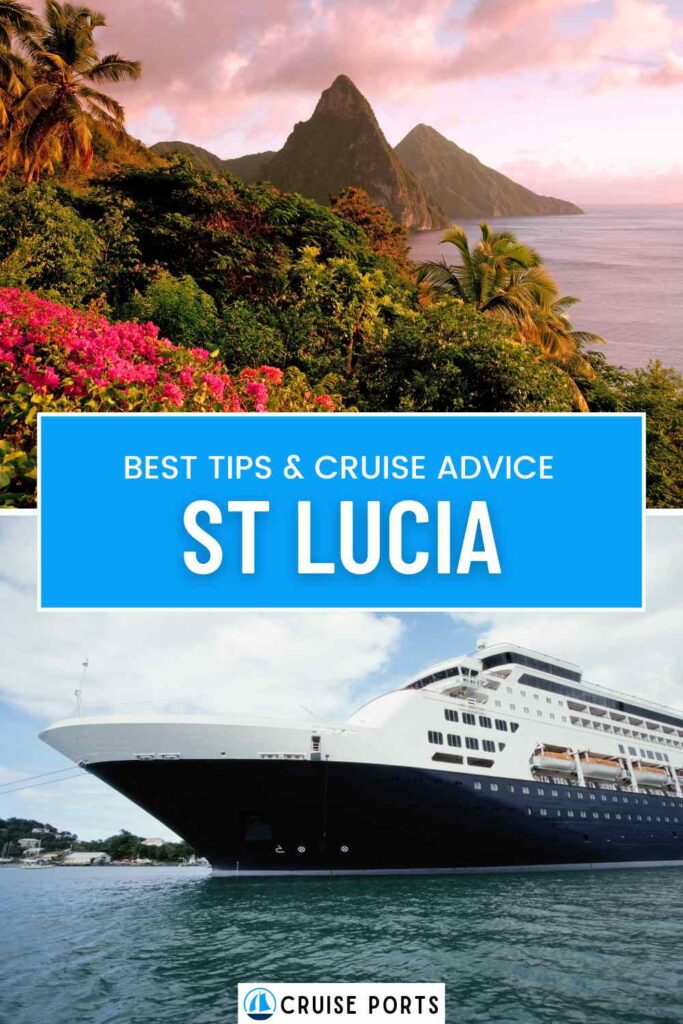
Fun fact: the pair form the Pitons Management Area, a UNESCO World Heritage Site inscribed in 2004, with Gros Piton at about 2,526 feet and Petit Piton at about 2,438 feet. Most cruisers admire them from viewpoints or the water rather than hiking.
Sulphur Springs, the drive-in volcano
Near Soufrière, Sulphur Springs is billed as the Caribbean’s only drive-in volcano. You get close to steaming vents and bubbling mud pools without a long trek.
The mineral-rich mud baths are the fun part, so bring swimwear and a towel. Older swimwear is smart, as the mud can stain.
Diamond Falls Botanical Gardens
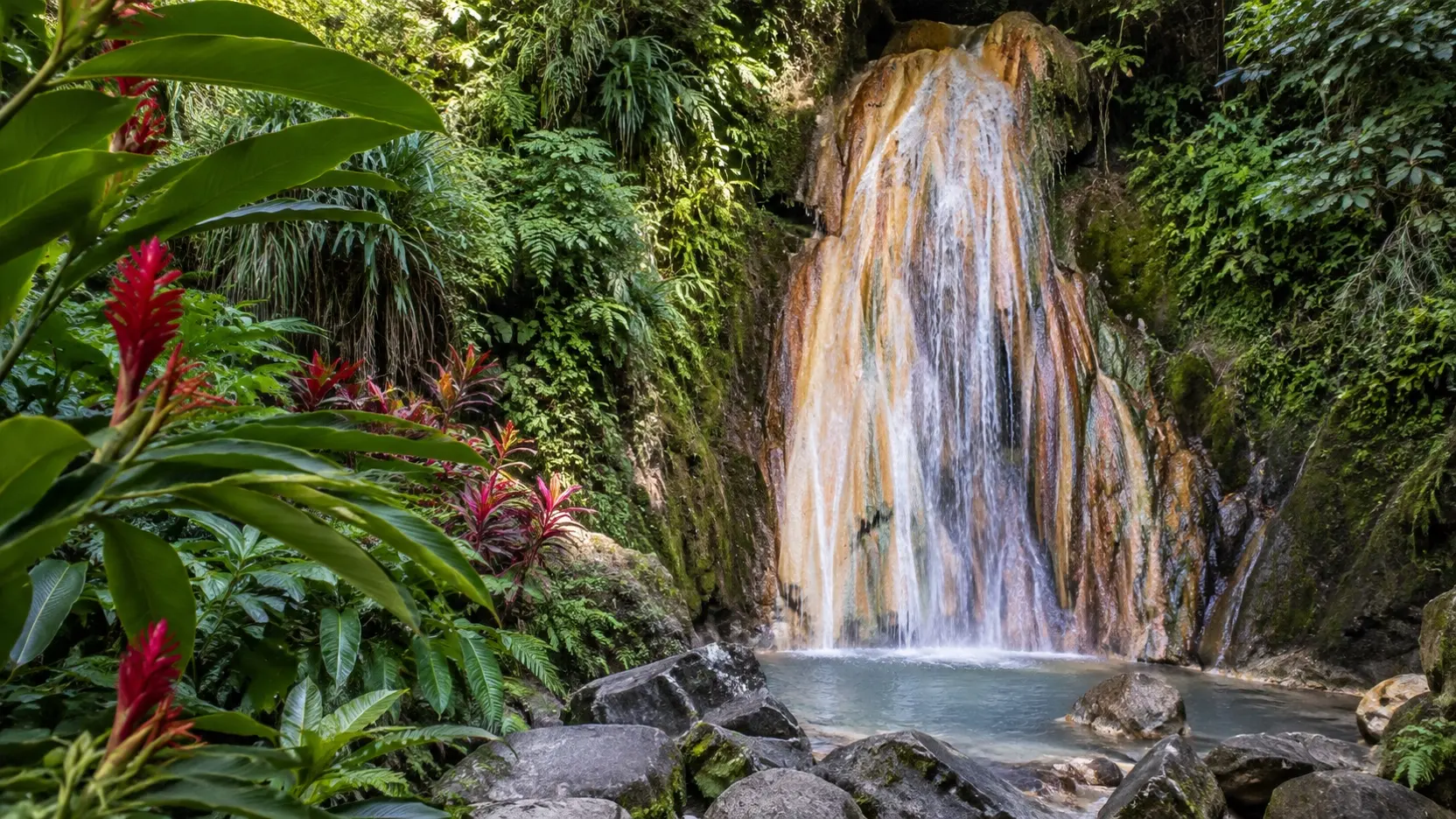
Within the Soufrière Estate, the Diamond Falls Botanical Gardens and Mineral Baths pair a colorful waterfall with warm mineral springs. It is an easy, shaded add-on to a Sulphur Springs stop.
Marigot Bay
Marigot Bay is a sheltered, yacht-filled inlet ringed by green hills, roughly halfway toward Soufrière. It is a lovely photo and lunch stop that pairs well with a southern tour.
Rodney Bay and Reduit Beach
North of Castries, Rodney Bay is the island’s easy beach base, and Reduit Beach is its long, calm main strand. Sun loungers, beach bars, and water sports are all here.
Choose Rodney Bay when you want beach time without spending most of the call on the southern road. Confirm the public access point, chair price, facilities, and return taxi before settling in.
Pigeon Island National Landmark
At the north end of Rodney Bay, Pigeon Island National Landmark mixes old military ruins, short trails, and quiet beaches. The climb to Fort Rodney rewards you with wide coastal views.
Castries Central Market
A short walk from the docks, the Castries Central Market has traded since 1891. It is the spot for spices, hot sauce, crafts, and a quick feel for local life.
Derek Walcott Square and the cathedral
Named for St. Lucia’s Nobel laureate poet, Derek Walcott Square anchors the old town under a huge samaan tree. Beside it stands the Cathedral Basilica of the Immaculate Conception, one of the largest churches in the Caribbean.
Morne Fortune
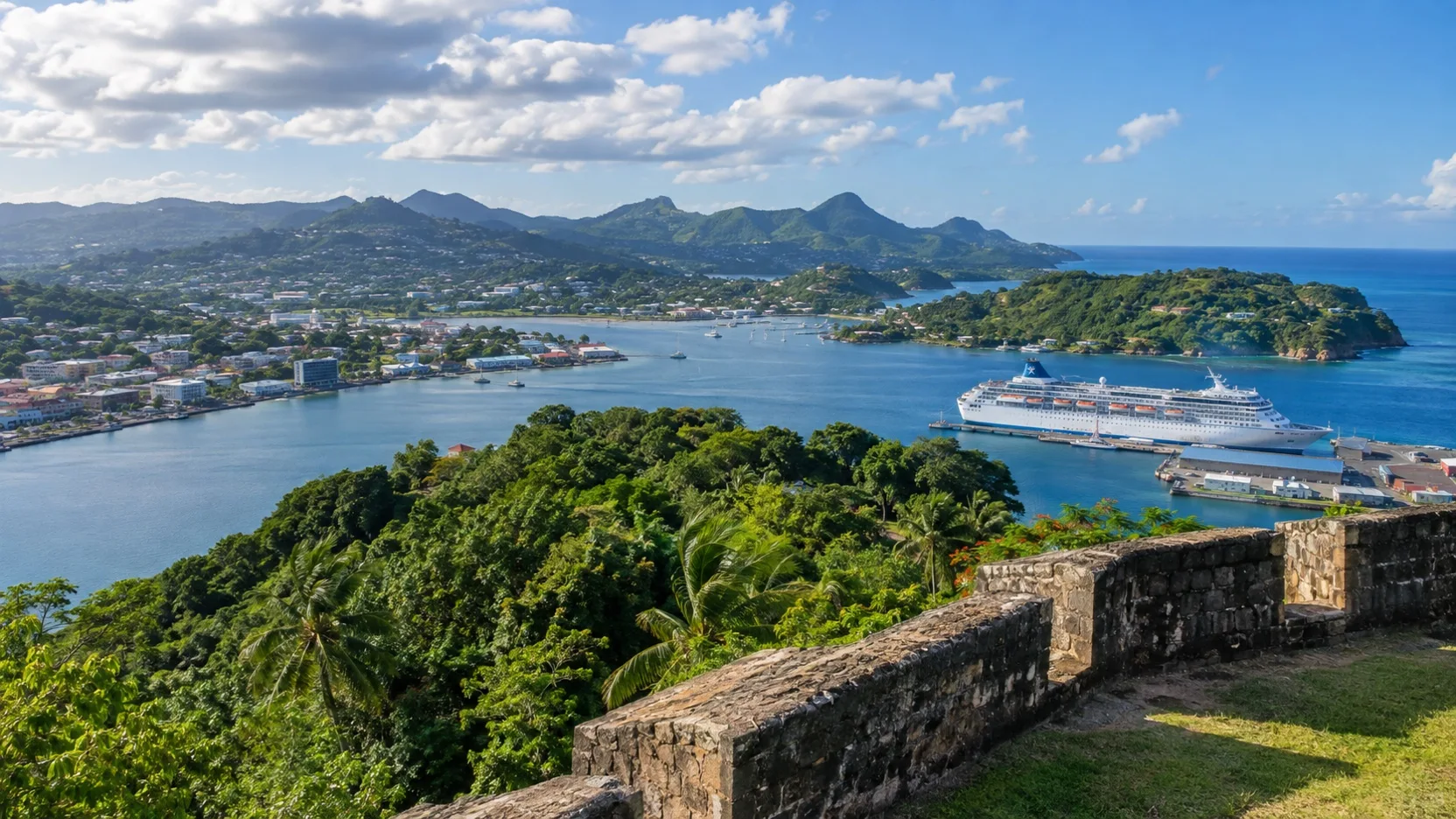
The hill above Castries, Morne Fortune, delivers sweeping harbor and sea views with old fortifications to explore. It is a quick drive and a good first or last stop on a town tour.
How I would plan the day
Short on time (about 3 hours): Stay in and around Castries. Walk the market and Derek Walcott Square, then drive up Morne Fortune for the view.
Half day (about 5 hours): Head north to Rodney Bay for Reduit Beach and Pigeon Island. Both are close enough to leave a comfortable return buffer.
Full day (about 8 hours): choose a reputable Soufrière road tour or coastal boat excursion that includes the Pitons and one or two nearby stops. Plan to reach Castries about two hours before all-aboard unless a cruise-line excursion gives different instructions.
A realistic word on accessibility
The cruise complexes are relatively level, but public sidewalks, market aisles, and sights such as Sulphur Springs, Diamond Falls, and Pigeon Island have different slopes and surfaces. Reserve accessible transport early, confirm the exact route and vehicle dimensions, and ask the ship about gangway slope at your berth.
Gangway steepness shifts with the tide and your berth. If steps are a concern, ask guest services before you disembark.
When to go, and the weather
St. Lucia is warm year-round, with a drier stretch from December to May and a wetter, more humid season from June to November. Afternoon showers are common but usually brief.
Whatever the month, pack water, sunscreen, and a hat. The sun is strong even on cloudy days.
Entry, money, and tour questions
Saint Lucia’s visa rules depend on nationality, and the cruise line may retain or inspect passports under its clearance process. Check the Saint Lucia government and carry the ship card plus photo identification requested onboard.
East Caribbean dollars are the local currency, and U.S. dollars are often accepted at visitor businesses, but change may come back in local money. Confirm whether a quoted taxi or tour price is in EC or U.S. dollars before leaving.
Road, sea, and weather tradeoffs
The road south is scenic, steep, and very winding, so pack motion-sickness medicine if you need it and avoid stacking too many stops. A boat is faster for the Piton view, but it may involve spray, a wet landing, ladders, or a beach transfer.
June through November is the wetter Atlantic hurricane season, although showers occur year-round. If heavy rain affects roads or swells, a close-to-port Castries or north-coast plan is the sensible downgrade.
Quick answers
Do St. Lucia cruise ships dock or tender?
In Castries you dock alongside at Pointe Seraphine or Port Castries. Some smaller ships that call at Soufrière tender ashore instead.
Can I walk into town from the port?
Yes. Pointe Seraphine is within walking distance of central Castries, and a water taxi links it to La Place Carenage.
Is it worth going all the way to the Pitons?
If you want St. Lucia’s iconic view, yes, but only on a guided tour that runs about 90 minutes each way. For shorter calls a beach day is easier, and my Barbados guide shows how I weigh beach versus tour days.

How this guide was researched: Unless a first-hand visit is explicitly identified above, this guide is based on independent research using official port, tourism, transit, government, and attraction sources where available. Logistics and time-sensitive details were reviewed in September 2026. See our Editorial Policy.