Aburatsu Cruise Port: A Cruiser’s Guide to Nichinan and Udo Shrine
Aburatsu is a working Japanese harbor with a surprisingly cinematic coastline just beyond town. The signature day reaches Udo Jingu, where a vermilion shrine sits inside a sea cave, while the quieter alternative explores Obi’s stone walls and former samurai district.
This is not a port for collecting attractions without a transport plan. Choose the coast or Obi first, confirm the vehicle and pickup, then add something else only when the call and return margin make it comfortable.
Quick Facts
- Port: Aburatsu Port in Nichinan City, Miyazaki Prefecture, on southern Kyushu.
- Typical arrival: Alongside at a commercial quay, with call-day walking or shuttle arrangements set by the port and ship.
- Best first excursion: Udo Jingu with one Nichinan Coast viewpoint.
- Best history alternative: Obi Castle Town.
- Popular photo stop: Sun Messe Nichinan and its Moai replicas, subject to current opening days.
- Currency: Japanese yen.
- Main challenges: Rural transportation, coastal weather, shrine slopes and steps, language, and return timing.
- Return rule: Keep an earlier backup and reach the approved port entry well before all aboard.
Where ships arrive in Aburatsu
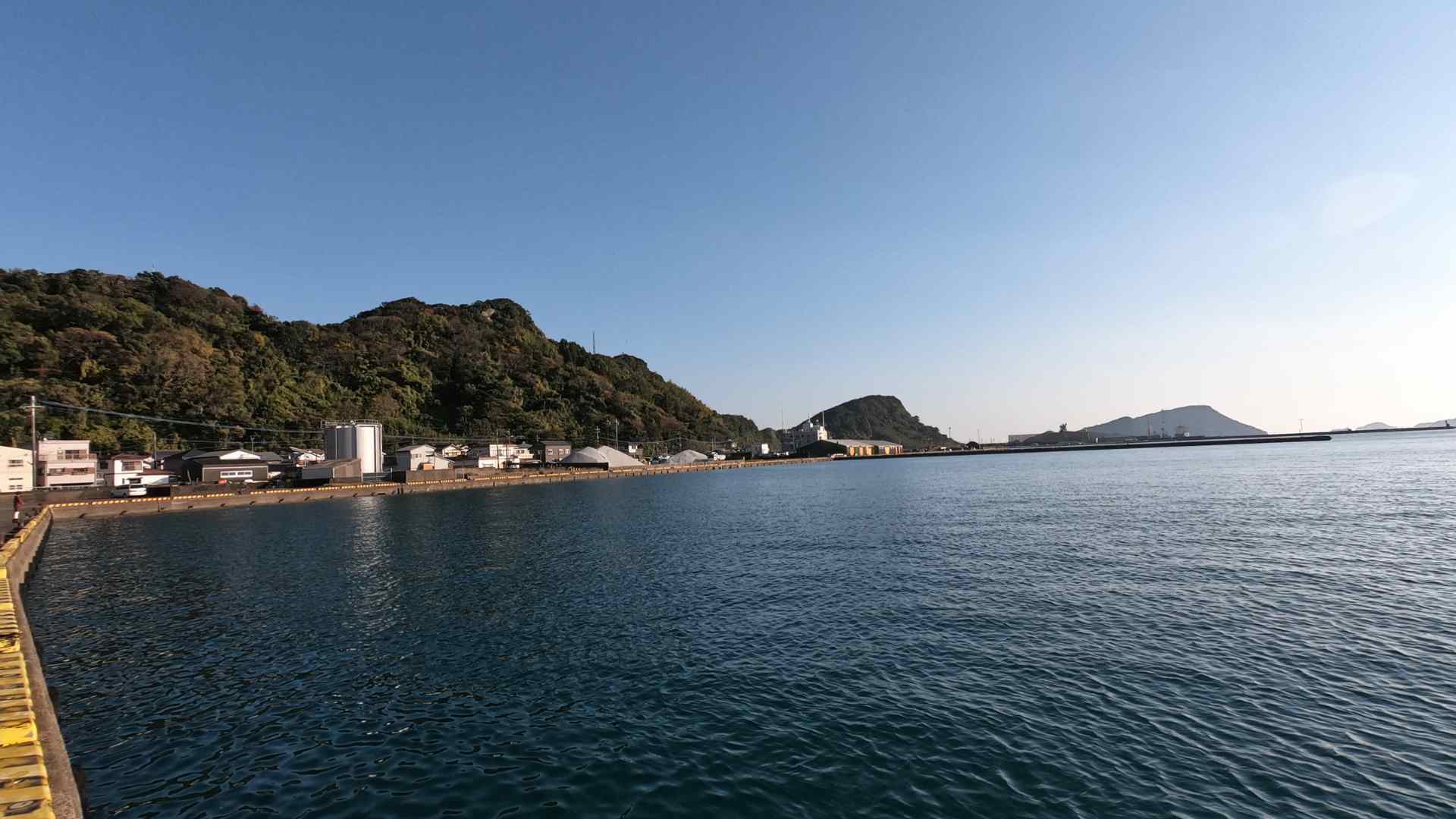
Aburatsu Port is a commercial and fishing harbor rather than a giant purpose-built cruise complex. Ships generally berth alongside, but the exact quay, public exit, welcome facilities, and shuttle plan can vary by call.
Follow the marked port route and ship instructions because walking freely across an industrial quay is not permitted. Ask whether a shuttle runs to the gate, Aburatsu Station, or another town point before estimating any independent connection.
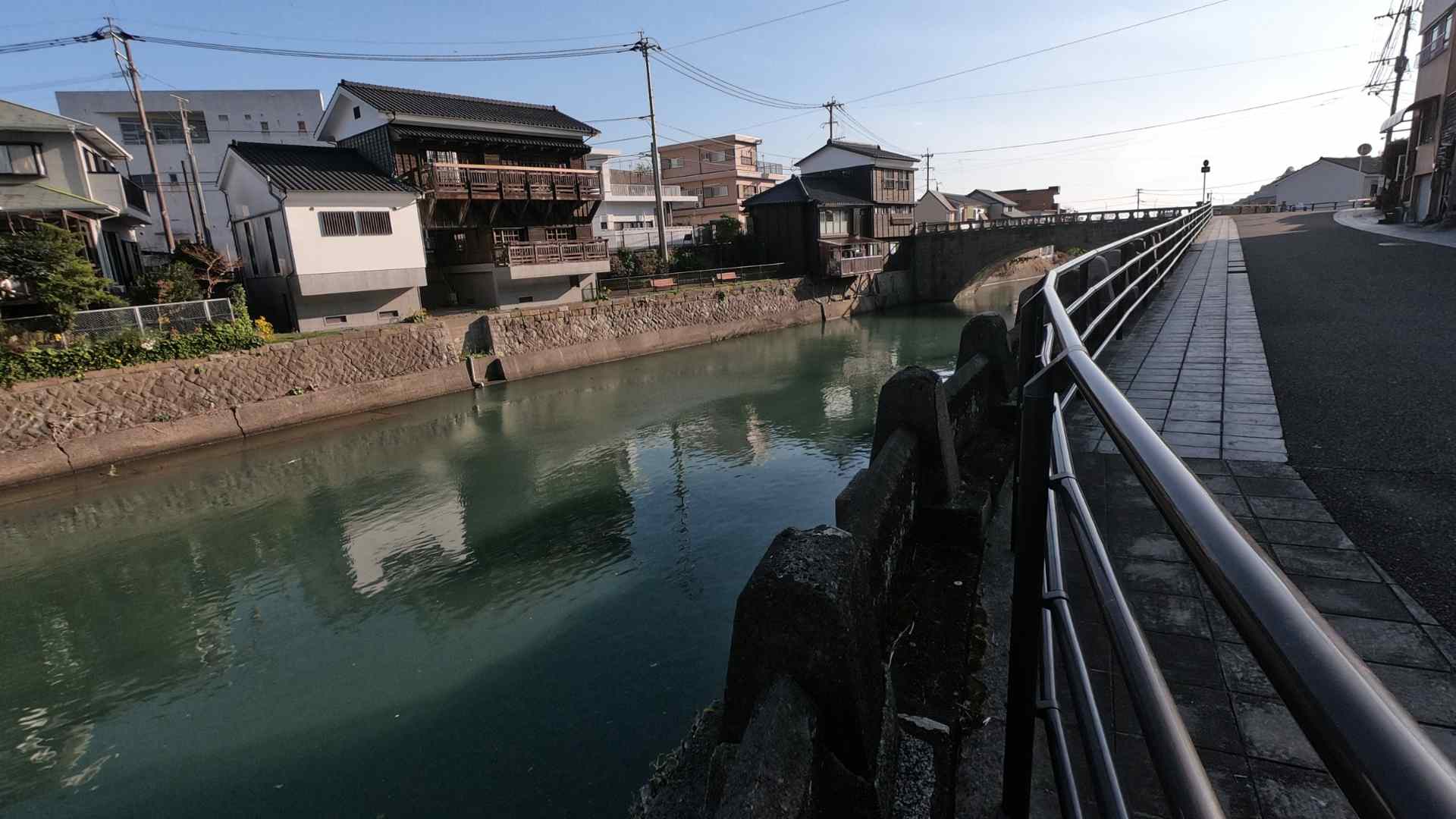
Aburatsu’s canal-side streets and compact center feel more like an everyday coastal town than a cruise resort. That makes the local walk pleasant, but it also means English signs, taxis, and services may be less abundant than at Japan’s largest ports.
Take a photo of the ship’s berth and all-aboard information before leaving. Save the port-agent number, terminal name, and a Japanese version of the destination addresses offline.
Udo Jingu is the signature excursion
Udo Jingu is one of southern Kyushu’s most memorable shrines because the main sanctuary sits inside a cave facing the Hyuga-nada Sea. Vermilion railings, coastal rock, forested slopes, and waves create a setting that feels inseparable from the worship site.
The official Visit Miyazaki page for Udo Jingu describes blessings associated with childbirth, child-rearing, and marriage. Visitors can also try tossing an undama luck ball toward a depression in the turtle-shaped Kameishi rock.
Approach the shrine respectfully and remember that this is an active place of worship. Follow signs for purification, prayer, photography, and any area closed for ritual or maintenance.
The walk matters
The main shrine route involves slopes, steps, and exposed coastal sections. A traveler who can walk around a flat port terminal may still find the shrine approach difficult.
The official tourism guidance places the public bus stop about a ten-minute walk from the shrine. Vehicle tours may use different parking or drop-off points, so ask for the exact remaining distance rather than assuming the bus arrives at the cave.
Namikiri Shrine is a separate optional extension reached by a rough coastal path. Official guidance recommends shoes with good grip and warns about rocky, slippery terrain, which makes it a poor cruise-day add-on for many visitors.
Give the main Udo Jingu experience enough time and skip Namikiri when rain, mobility, or a rural return schedule creates pressure. The sea-cave sanctuary is already distinctive without forcing every nearby path into the visit.
The Nichinan Coast adds the scenery
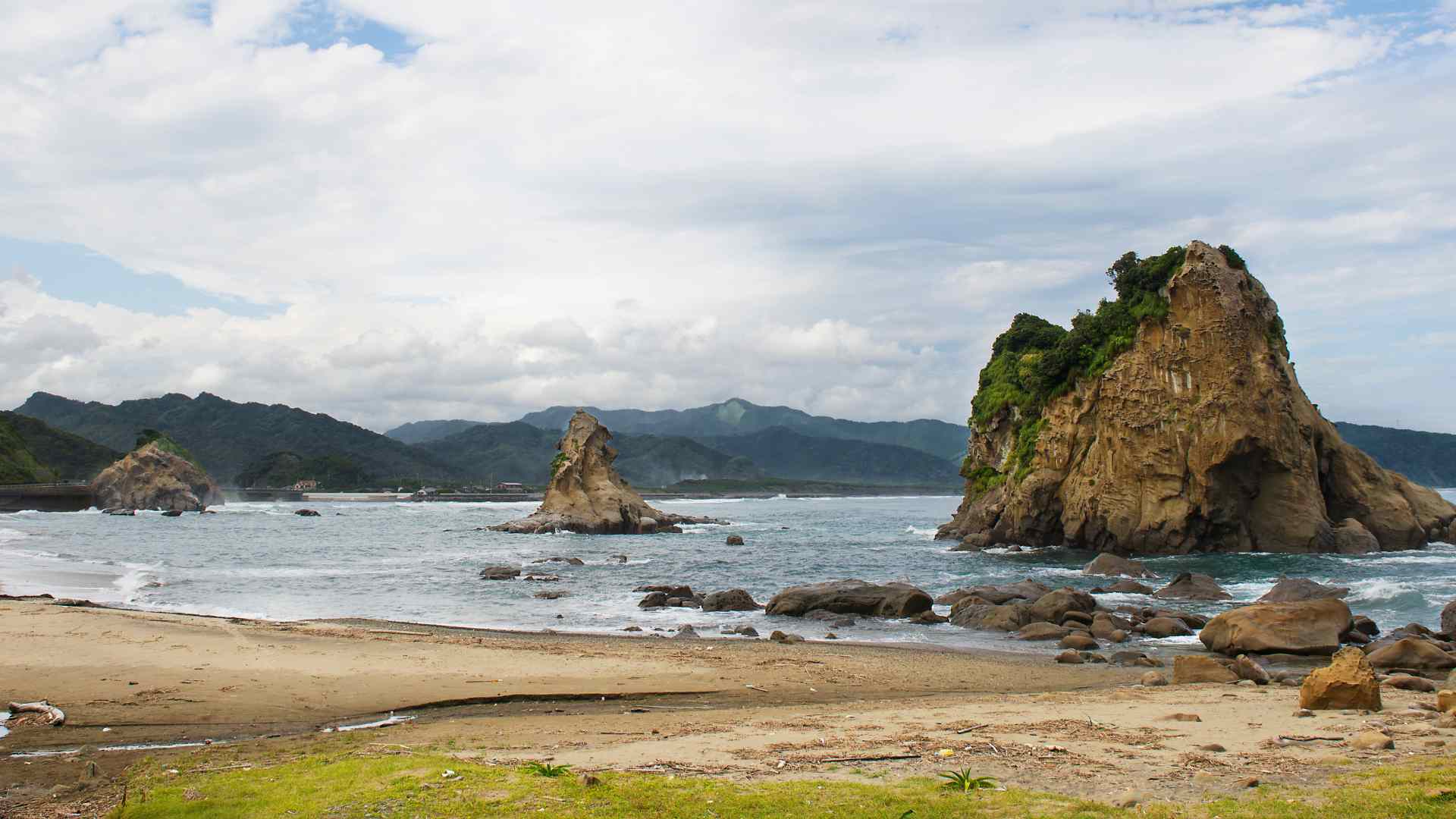
The official Nichinan Seacoast guide describes a long coastal landscape of ocean viewpoints, tropical vegetation, rock formations, shrines, and surf. A road excursion can pair Udo Jingu with one or two viewpoints without turning the day into a bus marathon.
Ask the driver which stop works best for the day’s visibility, traffic, and group mobility. A flexible viewpoint is more valuable than a rigid photo stop hidden in cloud or heavy rain.
Roadside Station Phoenix and Horikiri Pass appear on many coastal routes farther north, while the rugged scenery continues south toward Cape Toi. Do not assume the entire coast can fit into one call simply because the road looks continuous on a map.
Sun Messe Nichinan
Sun Messe Nichinan is known for seven replica Moai figures on a hillside facing the Pacific. The official tourism site says they are replicas of the Ahu Akivi statues and were approved by Rapa Nui elders.
The park covers a large sloping area with ocean viewpoints and other displays. It is a separate attraction with admission, walking, and current closing days, not a five-minute roadside photo.
Check the official Sun Messe information for current hours, weekly closure, pricing, and accessibility before booking. A call that falls on a closing day needs a coastal alternative from the start.
Sun Messe can pair well with Udo Jingu when a vehicle waits and the call is long. Skip it when the shrine, coast, and return already fill the schedule, because an extra admission is not useful if the group is hurried across the hill.
Obi is the history-focused alternative
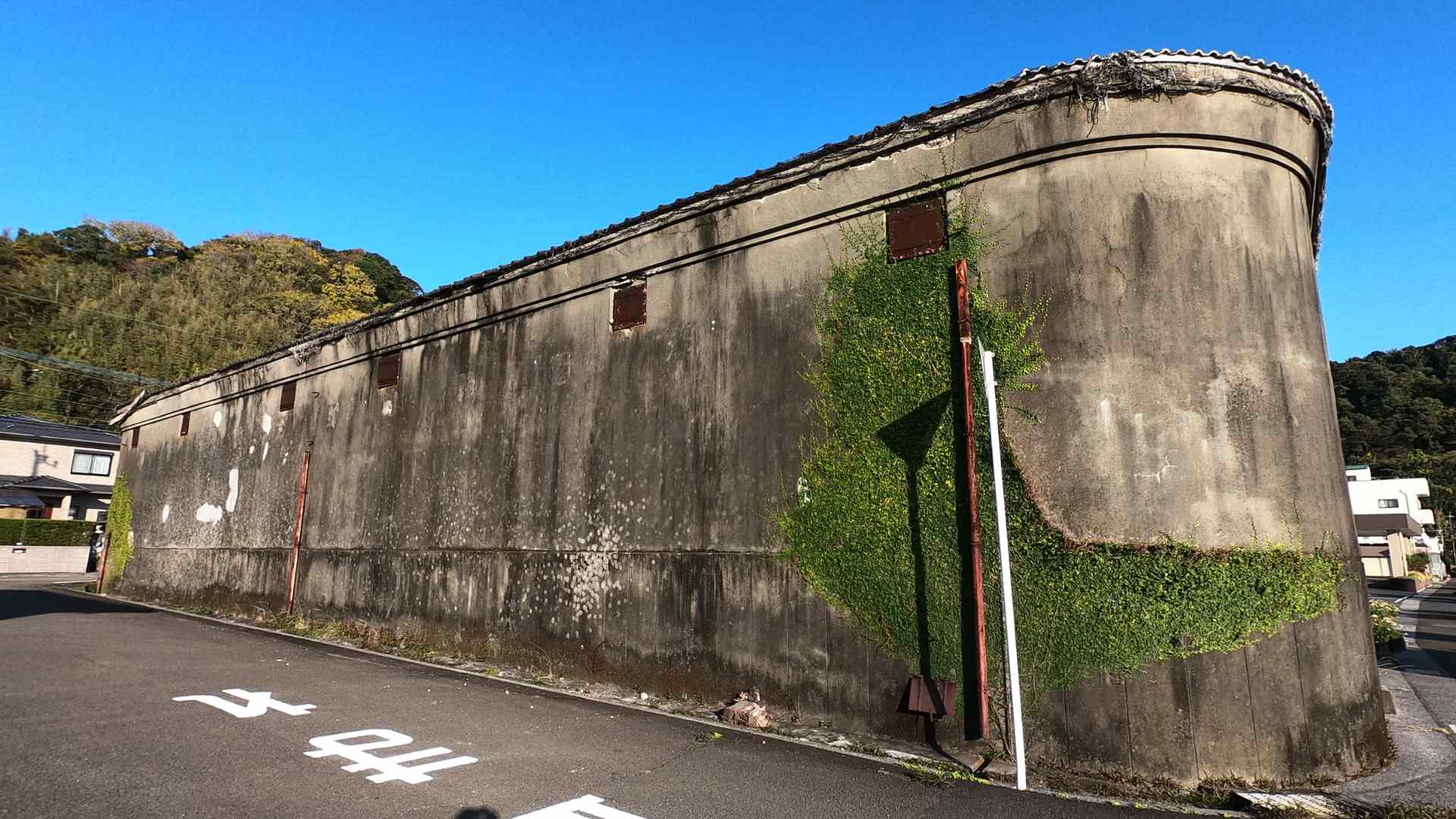
Obi Castle Town turns the day inland and slows the pace. Stone walls, samurai residences, cedar, former castle grounds, museums, shops, and local food create a quieter picture of southern Kyushu.
The official Obi Castle Town guide says the district prospered as the castle town of the Obi domain for about 280 years from 1588. Preserved buildings cluster around the Otemon Gate, and several welcome visitors inside.
Do not expect one intact castle keep. Obi’s pleasure comes from walking among walls, gates, homes, museums, and trees while understanding how the district functioned.
Local specialties such as obi-ten, thick atsuyaki tamago, and Obi sweets can turn the visit into a gentle food day. Confirm which shops and museums are open during your call rather than relying on every door to follow cruise hours.
Getting to Obi
Road transportation is the simplest cruise-day option, while rail or bus may work only after the live schedule is matched to the port shuttle and return. Rural services may be infrequent, and the final connection to the quay still needs time.
A private driver can combine Obi with Aburatsu and possibly one nearby stop. Send the berth, ship, all-aboard time, passenger count, mobility details, and exact desired return point before confirming.
Can you use public transportation?
Public trains and buses can serve the Nichinan area, but a cruise call adds more constraints than a hotel stay. You must connect from the commercial port exit, reach the correct stop, understand ticketing, and retain a realistic earlier return.
Check JR Kyushu and Miyazaki Kotsu directly for the call date. Search the exact Japanese stop names and confirm whether schedules differ on weekends, holidays, or seasonal dates.
Udo Jingu’s official page describes bus access from Miyazaki direction and a walk from the Udo Jingu stop, but that does not prove a convenient connection from your ship. Build the route from Aburatsu’s actual call-day exit rather than borrowing an airport itinerary.
If one missed bus would threaten all aboard, use a tour, taxi, or driver. The lower fare is not a saving when it removes the return margin.
Ship excursion, taxi, or private driver
Ship excursion
A cruise-line tour is the easiest option for a short call, a first visit, or anyone who wants Udo Jingu without decoding rural transportation. Compare the actual time at the shrine and coast instead of judging by the total excursion duration.
Ask whether Sun Messe, Obi, shopping, or a meal competes with the main stop. A long attraction list can mean several short photo calls rather than one satisfying experience.
Taxi
A taxi can suit one direct round trip to Udo Jingu or Obi. Arrange the return in advance, agree on waiting time and fare structure, and keep written contact details because taxis may not queue at a rural attraction.
Private driver
A private vehicle gives the most flexibility for a Udo Jingu, Sun Messe, and coast route. Confirm the vehicle, driver language, port access, pickup gate, admission handling, overtime terms, and return buffer.
Private does not make every destination close. Ask the driver to remove stops when weather, traffic, or the ship’s arrival changes the safe schedule.
A town-only day in Aburatsu
Aburatsu works as a calm fallback when coastal weather, mobility, or a late arrival makes the main excursion unsuitable. Walk the canal area and harbor, look for local shopping, and choose a meal without watching a rural timetable.
The town’s strongest appeal is atmosphere rather than blockbuster attractions. Working boats, waterside paths, neighborhood streets, and everyday Nichinan life provide a different reward from the famous cave shrine.
Check any museum, brewery, shop, or cultural stop directly because small-town hours may not align with every ship call. Keep a payment backup and carry yen for businesses that do not accept foreign cards.
Three realistic port-day plans
Short call
Choose one organized trip to Udo Jingu or stay in Aburatsu. Do not stack Sun Messe, Obi, and a long coast drive onto a day that already has tight port access.
Comfortable call
Visit Udo Jingu with one coast viewpoint, then return for lunch or a short town walk. This gives the shrine enough time while preserving a flexible final hour near the ship.
Long call
Pair Udo Jingu with Sun Messe when open, or make Obi the focus and add Aburatsu. Combining the coast and Obi can work with a private vehicle, but only when the route protects real time at both places.
Accessibility and low-walking choices
Udo Jingu’s coastal setting creates slopes, steps, and surfaces that deserve exact questions. Request the distance from vehicle drop-off to the cave sanctuary, the number and location of steps, rest areas, handrails, restrooms, and the safe turnaround point.
Sun Messe spreads across a hillside, while Obi invites extended walking among separate buildings. A scenic drive with selected viewpoints or an Aburatsu harbor day may be better than using all the traveler’s energy at the first attraction.
Accessible vehicles can be limited, so reserve early and provide device dimensions, weight, folding method, and whether the user must remain seated. Ask where the vehicle may stop in the secure port and at each attraction.
Shrine etiquette and practical manners
Walk calmly through torii gates, follow posted photography rules, and avoid blocking worshippers or narrow paths. If you participate in purification or prayer, observe local visitors and follow the site’s current instructions.
Remove trash and keep voices moderate, especially near the cave sanctuary. Ask before photographing ceremonies, staff, or other visitors at close range.
Japan does not use casual tipping in the same way as the United States. Pay the stated fare or price and follow the cruise line’s guidance for organized tour gratuities.
Weather and seasonal planning
The Nichinan Coast receives sun, wind, rain, humidity, and typhoon-season weather that can change road and port operations. Check the Japan Meteorological Agency and ship notices before leaving.
Rain makes shrine steps and the Namikiri path more slippery, while wind can make exposed viewpoints unpleasant. Stable shoes, a light rain layer, water, and sun protection belong in the same day bag.
Severe weather is a reason to simplify the itinerary, not a challenge to conquer. Switch to Obi, Aburatsu, or the ship when coast conditions undermine the main experience.
My final recommendation
On a first visit, book Udo Jingu with one carefully chosen coastal stop. The cave shrine and Pacific setting are distinctive enough that they do not need three lesser attractions piled around them.
Choose Obi when history, food, or a gentler inland atmosphere matters more than dramatic coast. Stay in Aburatsu when weather, mobility, or the ship’s schedule makes rural transport feel fragile.
Whatever you choose, lock the return before leaving the port. Aburatsu rewards one clear direction, a dependable ride, and enough spare time to enjoy the harbor after the main plan.
How this guide was researched
This guide was checked in September 2026 against current guidance from Miyazaki Prefecture’s official tourism authority, JR Kyushu, Miyazaki Kotsu, and the Japan Meteorological Agency. Berths, shuttles, transport, opening days, access, weather, and attraction rules can change, so verify details for your sailing and read our Editorial Policy for sourcing and corrections.