Azores Cruise Port: A Cruiser’s Guide to Ponta Delgada
Ponta Delgada gives cruisers an easy waterfront arrival and a difficult choice. Stay in the city for basalt-and-white architecture, market food, gardens, and a lava tube, or drive into São Miguel for crater lakes, geothermal valleys, and Atlantic viewpoints.
The island is compact enough to tempt overplanning and mountainous enough to punish it. Choose one landscape region, keep a weather backup, and let the city handle whatever time remains.
Lock the operating plan before you leave the ship
Portas do Mar makes the city easy, but São Miguel’s crater roads and marine trips still need separate operating checks. Use Portos dos Açores for the landing and official Azores tourism guidance for current site and regional conditions.
Sete Cidades: Best for a first clear-weather landscape day, with a city fallback if the crater is buried in cloud.
Furnas: Best for geothermal scenery and a long call; confirm thermal-pool health rules and allow enough road time to cross the island twice.
Lagoa do Fogo: Verify current vehicle, shuttle, parking, and trail controls instead of assuming a driver may stop at every overlook.
Whale watching: Use a recognized operator, disclose pregnancy, back, heart, or mobility concerns, and accept that wildlife and sailing are never guaranteed.
For an independent road tour, agree on the route, total price, waiting, and port return in writing. Set a turnaround time that still leaves 60 to 90 minutes at Portas do Mar before all-aboard, with more margin in poor weather.
Quick Facts
- Where you land: the cruise quay at Portas do Mar in Ponta Delgada on São Miguel, part of the Port of Ponta Delgada and about one-third mile from the historic center. The terminal shares the complex with restaurants, shops, and the marina.
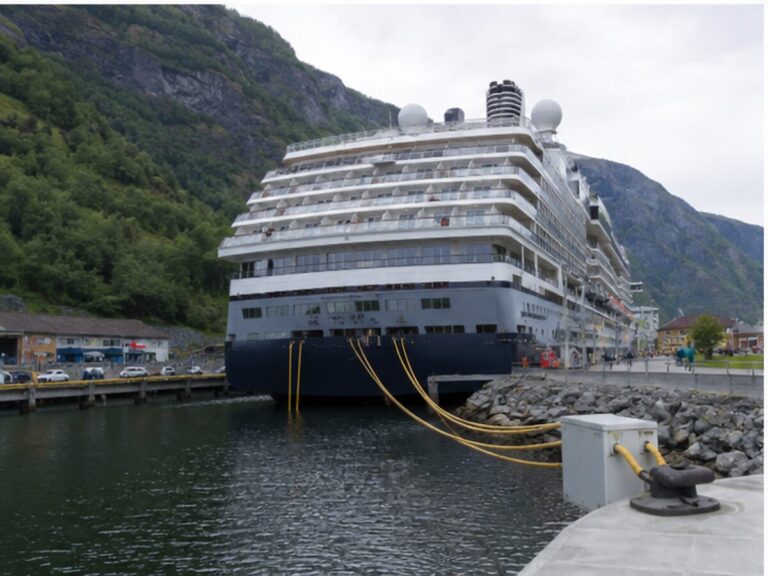
- Dock or tender: The Portas do Mar cruise quay accommodates ships up to 340 meters, and the normal arrangement is a direct berth. Follow the ship’s current instructions because assignments and operating conditions can change.
- Into town: The passenger terminal is about 500 meters from the historic center, making this one of the easier city arrivals to explore on foot.
- Currency and language: Euro (EUR) and Portuguese, with English widely spoken in tourism and on tours.
- Time zone: Azores Summer Time (AZOST, UTC+0) from late March to late October, Azores Standard Time (AZOT, UTC−1) in winter.
- Operational caution: Berth assignments, Atlantic weather, and the ship’s operating plan can change the arrival, so follow the current onboard notice.
The port is genuinely close to town
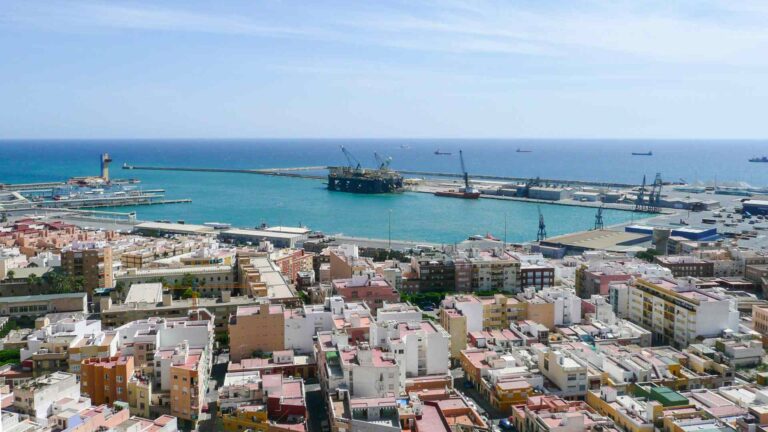
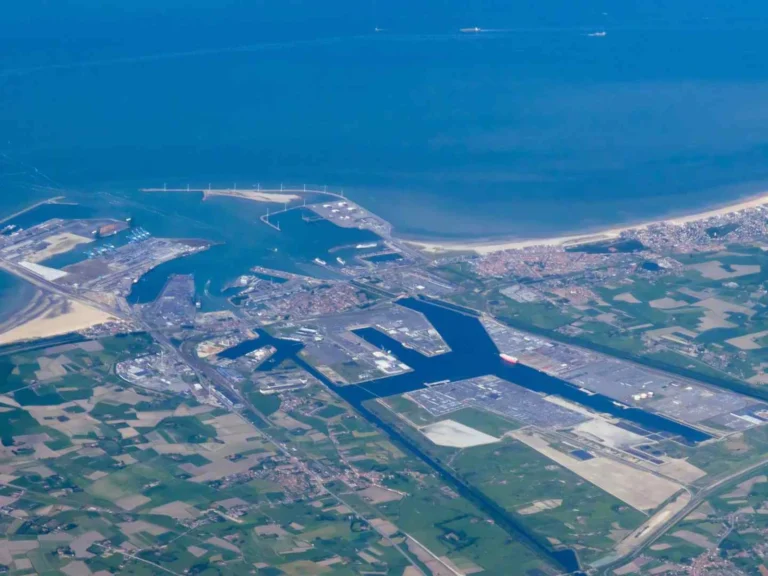
The Port of Ponta Delgada includes the Portas do Mar passenger terminal and cruise quay about one-third mile from the historic center. The main cruise berth can accommodate ships up to about 1,115 feet with a maximum draft of about 30 feet, according to the port authority.
Most cruise visitors therefore dock and walk through the designated passenger route. A vessel’s size, traffic, weather, or berth assignment can still change the exact exit, so follow ship and port instructions.
Portas do Mar combines the terminal with restaurants, shops, marina facilities, public spaces, and other waterfront uses. The port authority’s complex overview is useful for current facilities, but individual businesses keep their own hours.
Portugal uses the euro, and cards are common. Carry a modest backup for the market or small purchases, and confirm the payment arrangement before hiring a taxi for several hours.
Taxis and tour vehicles commonly meet near the terminal area, yet demand can rise when several ships or flights coincide. Prebook a reputable tour when a particular crater route matters deeply.
The CruisePorts.co walkable ports guide explains why Ponta Delgada is an easy independent start. The island beyond town is another matter, since weather and winding roads turn distance into an unreliable measure of time.
The city route earns half a day
Walk west from the port toward the Portas da Cidade, the black-and-white city gates that frame Praça de Gonçalo Velho. Nearby streets lead to the main church, civic buildings, cafes, and patterned basalt paving.
Historic sidewalks can be polished, uneven, or slippery in rain. Comfortable shoes are more useful than the brave little sandals that looked perfect beside the ship’s pool.
Mercado da Graça provides a practical introduction to island produce and foods, potentially including pineapple, cheeses, preserves, tea, bread, and seasonal fruit. Visit in the morning and ask before photographing sellers or displays.
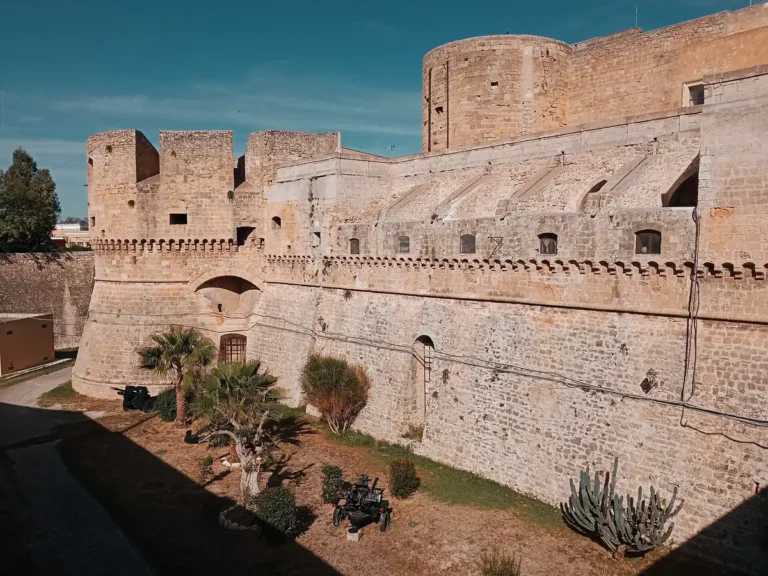
Forte de São Brás adds military and maritime history near the waterfront, while museums and churches provide rain cover. Opening and access vary, so choose one indoor stop after checking its official page rather than collecting closed doors.
The António Borges and José do Canto gardens offer another city-side option for plants and shaded paths. They are useful when crater summits are clouded but the lower city remains dry.
Gruta do Carvão preserves part of a lava-tube system near Ponta Delgada. Visits are controlled and can involve uneven underground terrain, helmets, confined space, and scheduled entry, so reserve and review access details before relying on it.
The city route suits short calls, poor visibility inland, and travelers avoiding long drives. Its downside is missing the caldera landscapes that make São Miguel visually distinctive.
Sete Cidades is the classic first choice
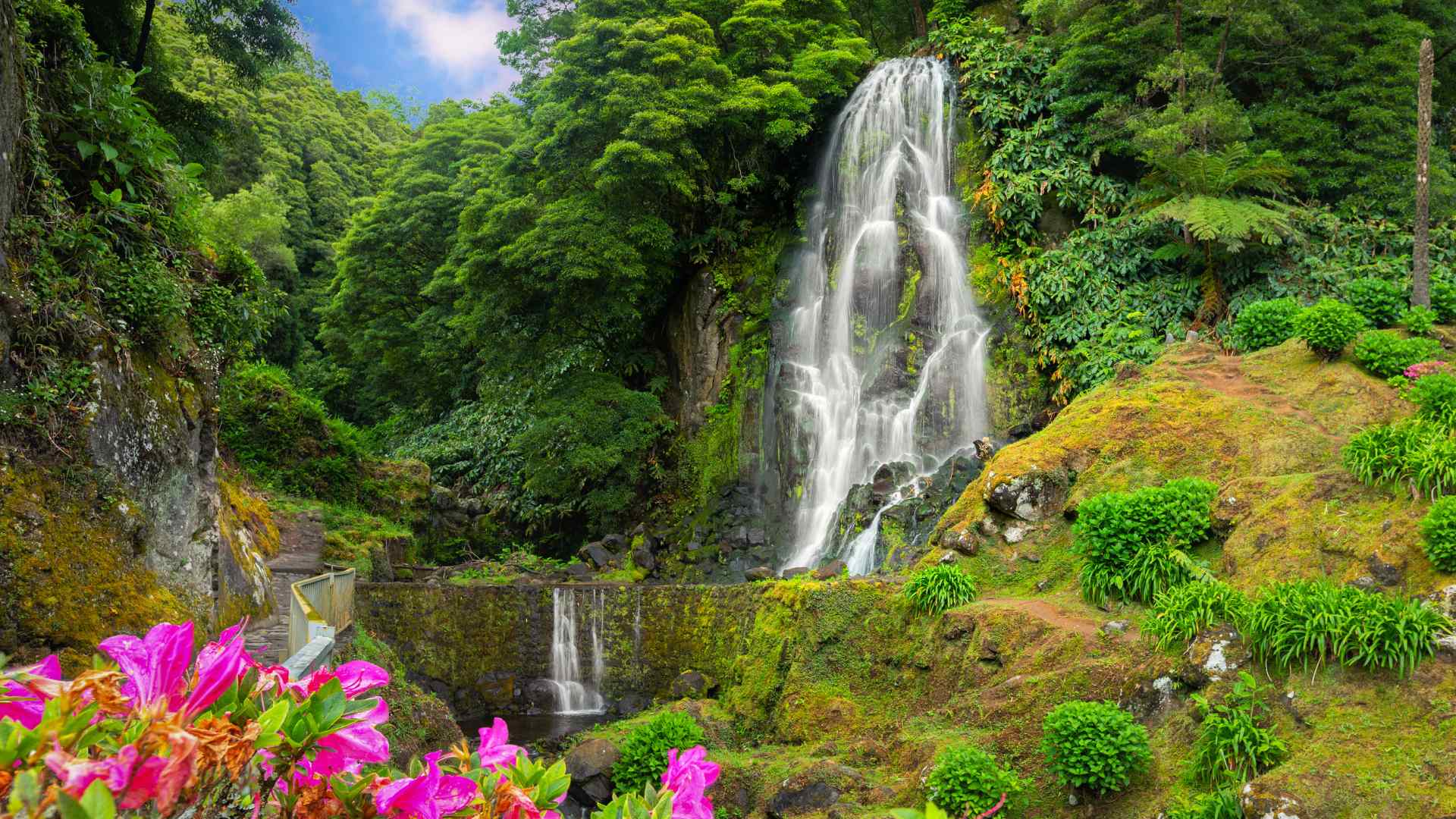
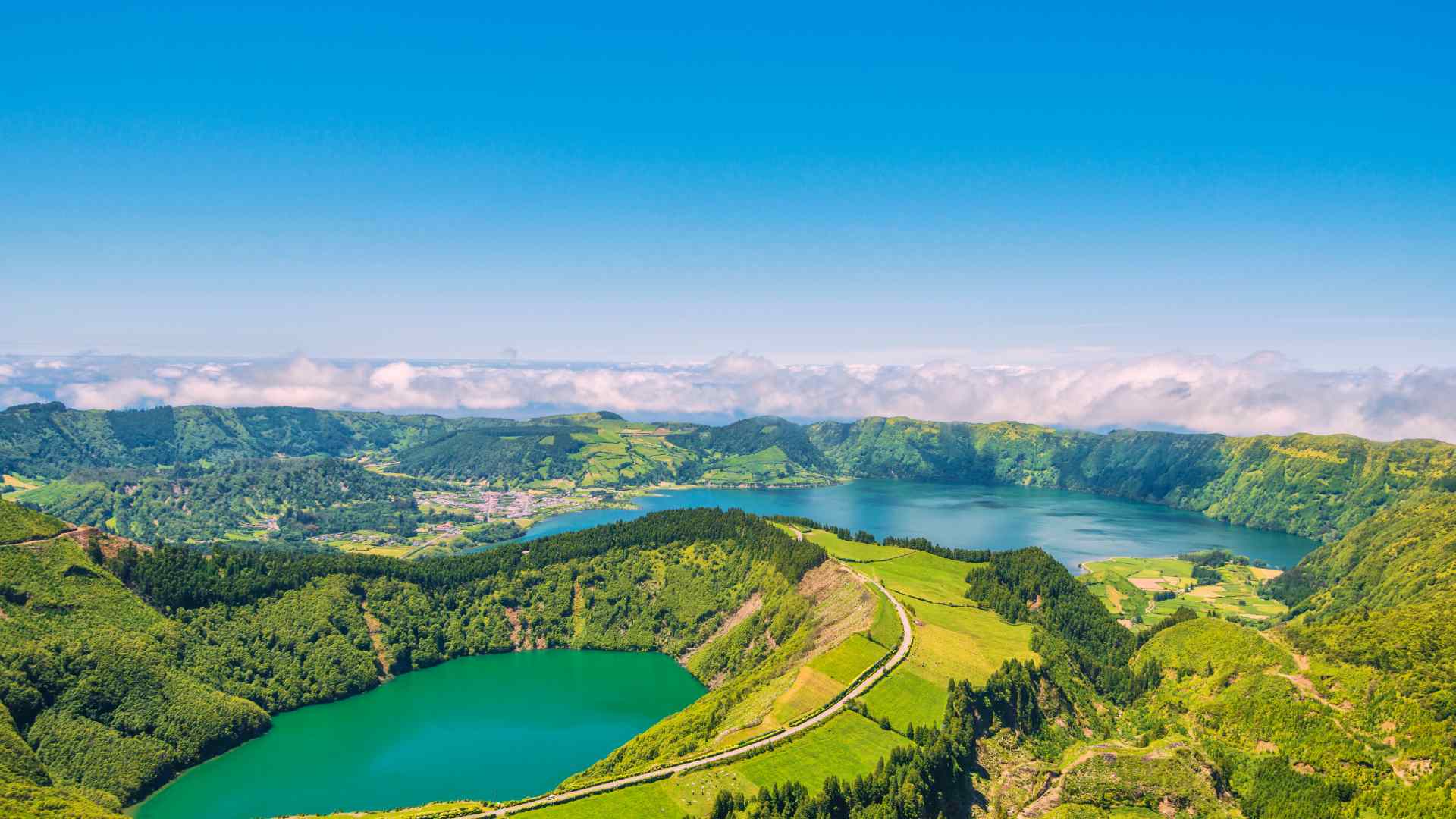
Sete Cidades occupies a large volcanic caldera in western São Miguel, with blue and green lakes separated by a bridge. The official São Miguel overview recommends Vista do Rei for the paired-lake view.
Cloud can hide the crater even when the port is sunny. Check live or local conditions with the guide and remain willing to reverse the route, wait briefly, or choose lower western-coast stops.
Viewpoints such as Vista do Rei and other signed overlooks differ in parking, walking, stairs, surface, and crowding. Follow barriers, stay out of vegetation, and never stop a vehicle where the road does not safely allow it.
The lakeside settlement provides a quieter view from inside the caldera. It can pair with short walks, a meal, or operator-run paddling, but activities require current booking and weather confirmation.
Mosteiros and the northwest coast can extend the loop with sea stacks, dark shorelines, and coastal viewpoints. Swimming conditions and natural pools depend on swell, tide, weather, and local warnings.
This western route is my first recommendation for a clear first visit. Its limitation is meteorological, because an opaque crater rim can reduce the headline view to several shades of cloud.
Furnas is the geothermal full day
Furnas lies in the eastern half of the island and combines a crater lake, fumaroles, mineral waters, gardens, and a settlement shaped by geothermal activity. The drive and multiple stops make it a larger commitment than a quick Sete Cidades viewpoint run.
Stay on marked paths around hot ground and steaming vents. Geothermal areas can produce scalding water, unstable surfaces, strong gases, and barriers that exist for excellent reasons.
Traditional cozido das Furnas is associated with slow cooking using geothermal heat. A restaurant meal may require advance ordering or a set schedule, so ask the tour or restaurant rather than assuming a pot emerges whenever your motorcoach arrives.
Terra Nostra and other thermal bathing facilities have separate admission, operating, and health rules. Iron-rich water may stain pale swimwear, while travelers with medical concerns should check whether hot bathing is appropriate.
Garden paths, pool steps, changing facilities, and slippery surfaces create accessibility questions. Contact the venue directly for current adapted access rather than treating “thermal park” as one standard experience.
Furnas works best as the main excursion, perhaps with one north- or south-coast stop. Combining it with Sete Cidades turns a volcanic island into a very green view through a windshield.
Lagoa do Fogo needs flexibility
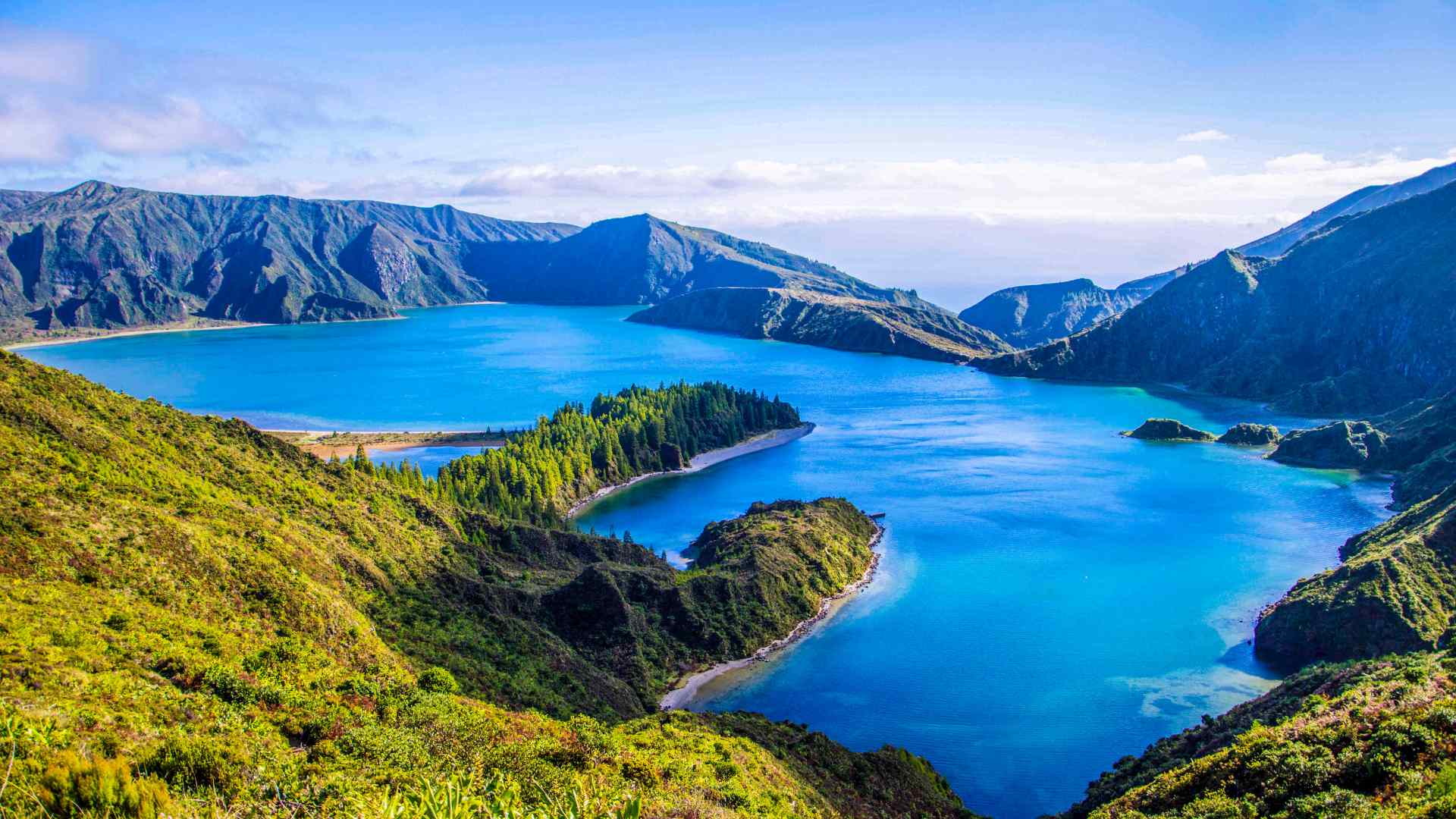
Lagoa do Fogo occupies a high central caldera and appears wilder and less developed than the island’s most visited settlements. Visibility changes quickly, and access or traffic management may be seasonal.
Check current regional rules for private vehicles, shuttles, parking, and viewpoints. Do not repeat last summer’s arrangements as permanent, because protected-area management can change.
Caldeira Velha, Ribeira Grande, and the Gorreana tea area can complement a central or north-coast route. Each has its own booking, access, and opening conditions, so one or two deliberate stops beat a rushed chain.
High viewpoints can be cooler, wetter, and windier than Ponta Delgada. Carry a waterproof layer and accept that the guide may redirect the tour when the crater disappears.
Lagoa do Fogo is a strong choice for travelers prioritizing landscape over towns. Its disadvantage is that cloud and traffic controls can make a fixed independent plan brittle.
Whale watching begins beside the ship
Whale and dolphin trips operate from Portas do Mar through recognized local companies listed by Visit Azores. The official directory includes Futurismo, which offers marine wildlife outings from the Ponta Delgada harbor.
No operator can guarantee a species, close encounter, or calm sea. Responsible trips use trained crews, follow wildlife rules, and allow animals to control distance and duration.
Ask about vessel type, boarding, flotation gear, restrooms, spray, seasickness, and cancellation policy. A rigid inflatable boat and a larger cabin vessel deliver very different experiences.
Marine weather can cancel a sailing even while buses continue inland. Keep a city or Sete Cidades backup rather than spending the morning waiting for increasingly imaginative harbor rumors.
Whale watching can consume half a day and should not be paired with Furnas on a routine call. Combine it with the old town, market, garden, or lava tube if timing allows.
The environmental reward is substantial when sightings occur, but the honest product is a guided marine search. A quiet ocean remains a valid outcome, however little sympathy that receives from the camera roll.
Four schedules that respect the island
Three hours
Stay in Ponta Delgada for the city gates, market, one church or museum, and the waterfront. Reserve the lava tube only when its timed entry fits comfortably.
This is more satisfying than a rushed crater drive after a delayed arrival. It also leaves the ship within easy reach.
Five to six hours
Take a western Sete Cidades loop with a reputable driver or tour, then finish in the historic center. Let current cloud determine viewpoint order and keep the final meal near Portas do Mar.
This is the best first-call balance of volcanic scenery and urban context. The CruisePorts.co Portugal guide helps compare the Azores with mainland calls, but São Miguel’s weather requires more flexibility.
A long call
Choose Furnas and its geothermal landscape as the main day, adding only compatible stops on the return. Alternatively, combine Lagoa do Fogo with the north coast and Ribeira Grande.
Do not attempt an island-wide lap unless a trusted operator demonstrates a relaxed route and large ship buffer. The map is not lying, but it is being unhelpfully two-dimensional.
Marine-first day
Book a morning whale watch, then keep the afternoon in Ponta Delgada. If the boat cancels, use the saved hours for a west-side taxi loop only if road weather and ship time still cooperate.
This plan protects the uncertain marine activity without tying it to a distant thermal reservation. It also keeps seasick travelers near excellent restorative pastry.
Accessibility and practical details
The terminal-to-center route is short, but security layout and exact berth vary. Historic calçada paving, curbs, slopes, and wet stone can complicate an apparently level city walk.
Ask tour operators about vehicle steps, wheelchair storage, adapted transport, and walking at every planned stop. Crater viewpoints, geothermal paths, gardens, pools, and small boats each present different barriers.
The CruisePorts.co wheelchair-friendly guide offers planning questions, while local providers must supply the answers. Do not accept “some walking” as a meaningful access description.
São Miguel’s maritime climate changes rapidly. Bring a waterproof shell and warm layer even when the port is bright, and protect cameras from rain and sea spray.
Use licensed transport, agree on taxi terms, follow viewpoint barriers and bathing warnings, and carry essential medication. Winding roads can worsen motion sickness, so plan medication with a clinician before travel if needed.
My verdict
On a clear first visit, choose Sete Cidades and leave time for Ponta Delgada. When the west is clouded, a skilled local guide may redirect toward Furnas, Lagoa do Fogo, or the coast, which is more useful than insisting on a photograph of fog.
Whale watching deserves its own half day, while Furnas deserves most of a full one. São Miguel rewards one flexible region and a calm return, not a heroic lap around every crater.
How this guide was researched: Unless a first-hand visit is explicitly identified above, this guide is based on independent research using official port, tourism, transit, government, and attraction sources where available. Logistics and time-sensitive details were reviewed in September 2026; see our Editorial Policy.