Ayerfjord Cruise Port: A Cruiser’s Guide to Svalbard’s Arctic Anchorage
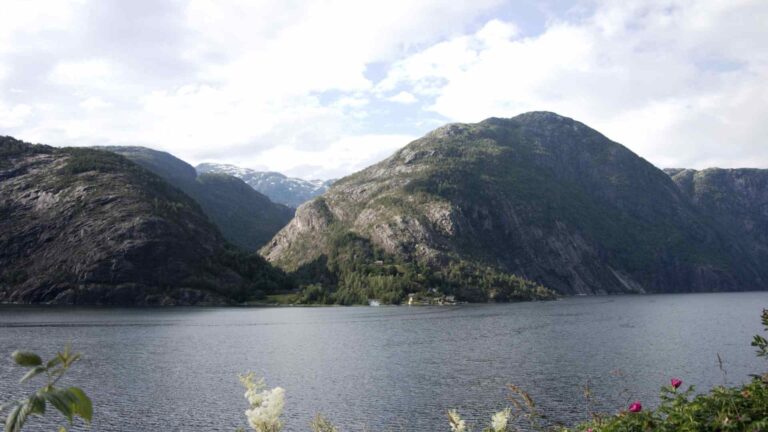
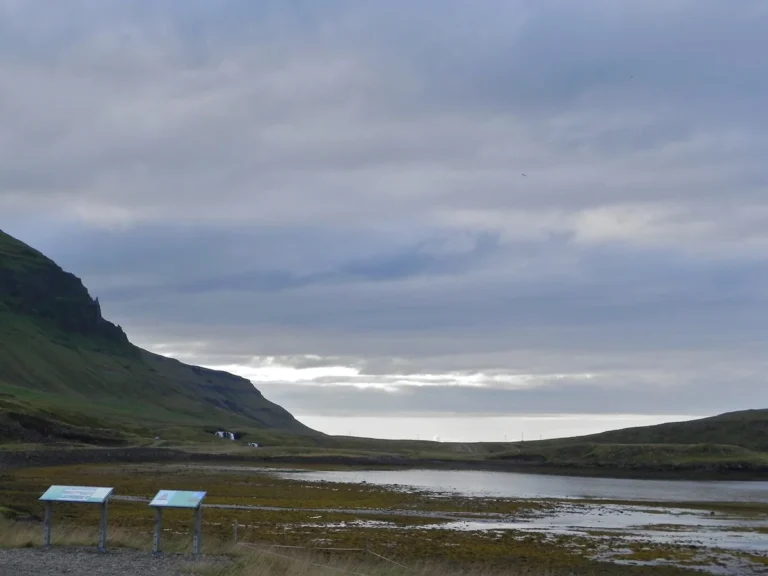
Ayerfjord is not a port with a town attached. It is an expedition label for a remote Svalbard operation where the bridge team, expedition leader, weather, ice, wildlife, and current regulations decide whether anyone leaves the ship.
That uncertainty is the point, not a defect in the itinerary. Pack for a Zodiac, listen to the briefing, and expect the day’s plan to change without apologizing.
Quick Facts
- Destination type: Ayerfjord is a remote Svalbard expedition anchorage without a terminal, town, road, or fixed visitor landing.
- Possible access: The ship may anchor, drift, run a guided Zodiac cruise, or make a regulated landing chosen by the expedition team.
- Independent visits: There is no practical independent shore day, and passengers must follow guides, briefings, and current field-safety rules.
- Main decision factors: Wind, swell, fog, ice, visibility, wildlife, legal access, and landing conditions control the plan.
- Currency and language: The Norwegian krone and Norwegian apply in Svalbard, while English is standard on many expedition operations.
- Time: Svalbard follows Central European Time with seasonal daylight saving changes, though ship time should be confirmed onboard.
- Operational risk: No official public call-by-call dataset supports a precise cancellation percentage, and the landing can change or disappear at any time.
Begin by deleting the idea of a normal port day
There is no cruise terminal, taxi rank, café, sidewalk, or independent walking route waiting ashore. The vessel may anchor, drift, reposition, run guided small-boat cruising, make a regulated landing, or keep everyone aboard.
Your cruise line’s place name may use Ayerfjord, Ayerfjorden, or a nearby geographic reference. Exact charts and coordinates belong with the bridge and expedition team, so do not use a casual online pin to predict a beach or landing.
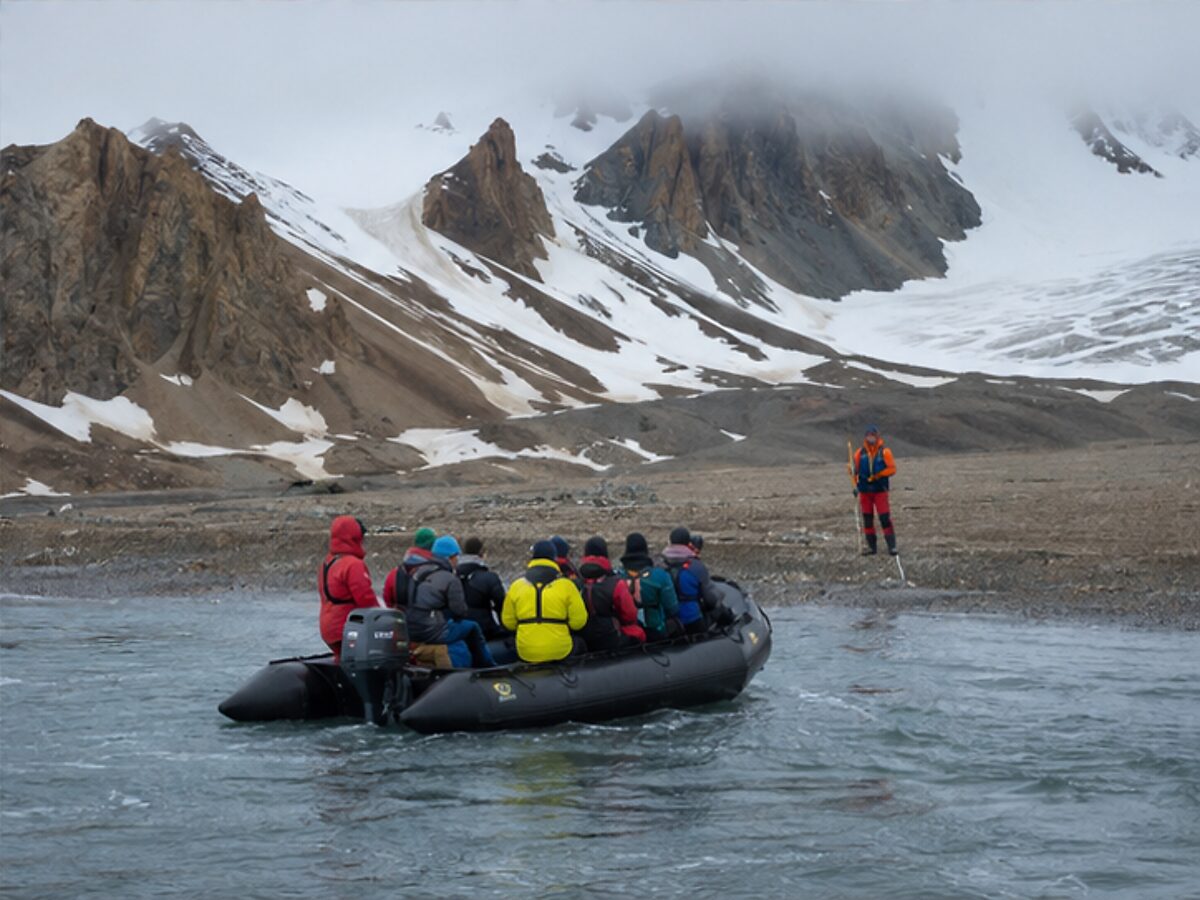
This is also not a conventional tender port. A rigid inflatable expedition boat may resemble a tender, but the operation involves outdoor gear, small groups, guided movement, wildlife scanning, and the possibility of cancellation at any moment.
Our guide to tender ports explains the basic transfer, while our European cruise ports overview gives wider regional context. Neither replaces the mandatory onboard safety briefing.
What the expedition team is deciding
Before launching boats, the team assesses wind, swell, fog, ice, visibility, beach conditions, wildlife, and legal access. A landing that looked possible at breakfast can become a Zodiac cruise by coffee.
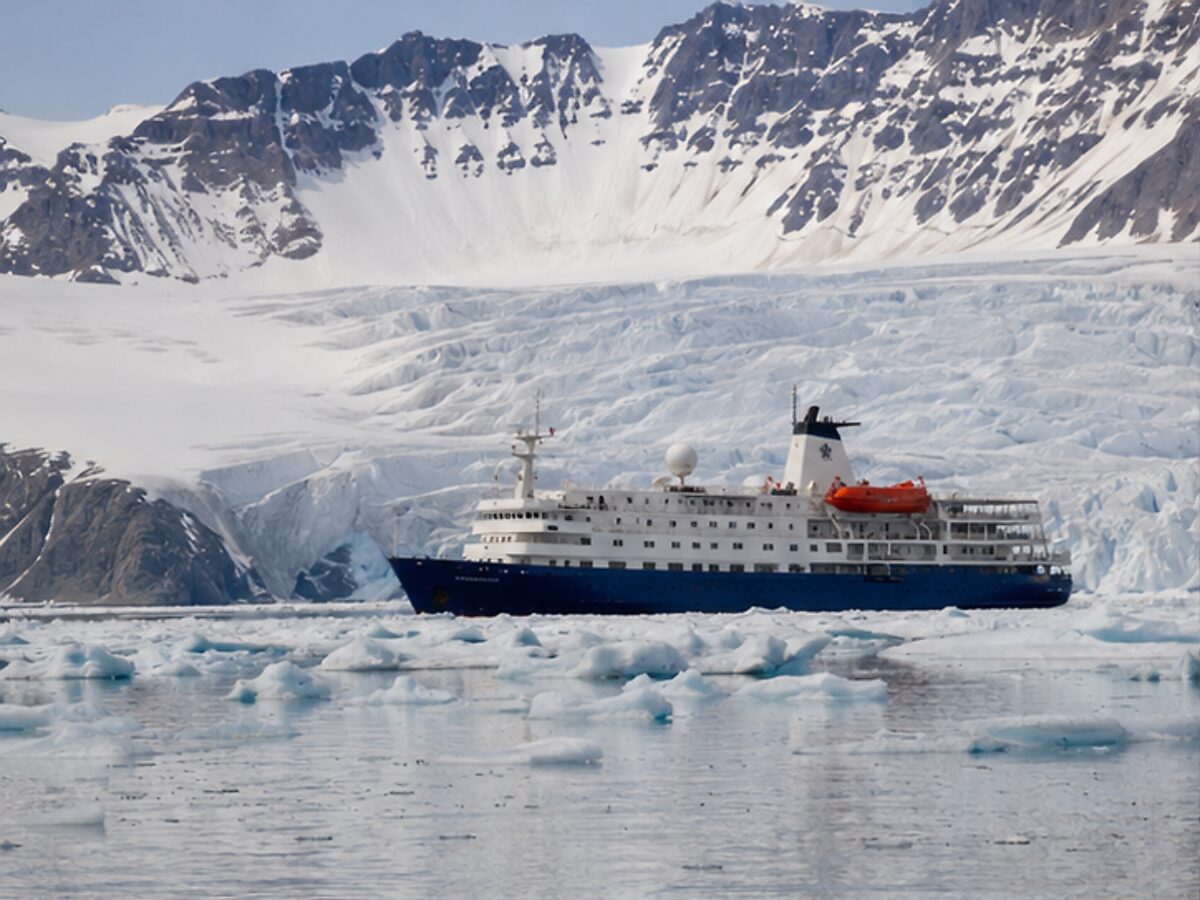
Guides also check whether a location is approved under Svalbard’s protected-area landing rules. Since 2025, tourist landings in many protected areas are limited to mapped sites and must take place with a guide who has relevant knowledge of the natural and cultural environment.
The number of people ashore can be regulated too. That is why ships use color groups, timed rotations, and patient announcements rather than inviting everyone to wander down to the marina that does not exist.
New field-operation safety regulations took effect on 1 January 2026. They cover permits, internal controls, insurance, and other responsibilities for tourist and field activity, while a separate approved-guide requirement is scheduled to apply from July 2027.
Passengers do not need to become amateur legal departments. They do need to follow the expedition leader’s boundaries, group calls, and instructions exactly.
Legal access and medical rescue are ship responsibilities
Passengers cannot choose a beach, arrange a private landing, or continue beyond the guide’s boundary. The operator must have the permissions, insurance, internal controls, and approved-site plan required for the day, while the captain and expedition leader can cancel even after boats launch.
There is no shore clinic, shelter, road, or rescue shortcut at Ayerfjorden. A medical evacuation can be delayed by weather and distance, so disclose relevant conditions, carry critical medication in waterproof protection, and buy insurance that expressly covers polar expedition evacuation.
If you cannot safely make the moving transfer, stay aboard without treating the choice as failure. A stable deck with heat, restrooms, scopes, and naturalist commentary is often the safer and more productive wildlife platform.
The four possible versions of the day
A guided landing
If a legal site, weather, and wildlife checks align, the ship may land small groups on gravel, beach shingle, or tundra. Guides establish a perimeter and control the route, with no independent exploration beyond it.
Expect uneven stones, wet ground, soft vegetation, and no constructed facilities. The landing may last less time than the schedule suggested if conditions change.
The pleasure is close observation rather than distance covered. Small flowers, patterned rock, glacial landforms, drift material, and the scale of an empty shoreline can occupy an hour without one named attraction.
A Zodiac cruise
Small-boat cruising keeps passengers off fragile land while allowing a lower view of cliffs, ice, shorelines, and seabirds. The driver sets the route and distance according to regulations and the day’s hazards.
Sitting still can feel colder than walking ashore. Wear every layer the team recommends and accept that taking off a glove for photographs has consequences.
An engine-off pause may be possible in calm water, but it is never guaranteed. Safety, wildlife distance, and navigation take precedence over anyone’s ideal audio recording of Arctic silence.
A ship-based scenic day
Fog, wind, swell, ice, or wildlife may prevent small-boat operations. The ship may then reposition for a scenic passage or remain at a safe distance while naturalists scan from deck.
This is not a wasted day. A stable deck offers warmth, restrooms, binocular support, photography space, and the chance to move between sides when a guide makes a sighting call.
Attend lectures, visit the bridge when invited, and keep outerwear ready. Wildlife tends to appear at the exact moment one boot has gone missing under the bed.
A complete change of destination
Expedition itineraries routinely substitute another fjord or landing. The captain may prioritize safer conditions, better wildlife protection, or an approved site elsewhere.
Judge the voyage by the quality of decisions, not whether every printed place name receives a boot print. A conservative change is evidence that the expedition system is working.
Polar bears set the rules, even when unseen
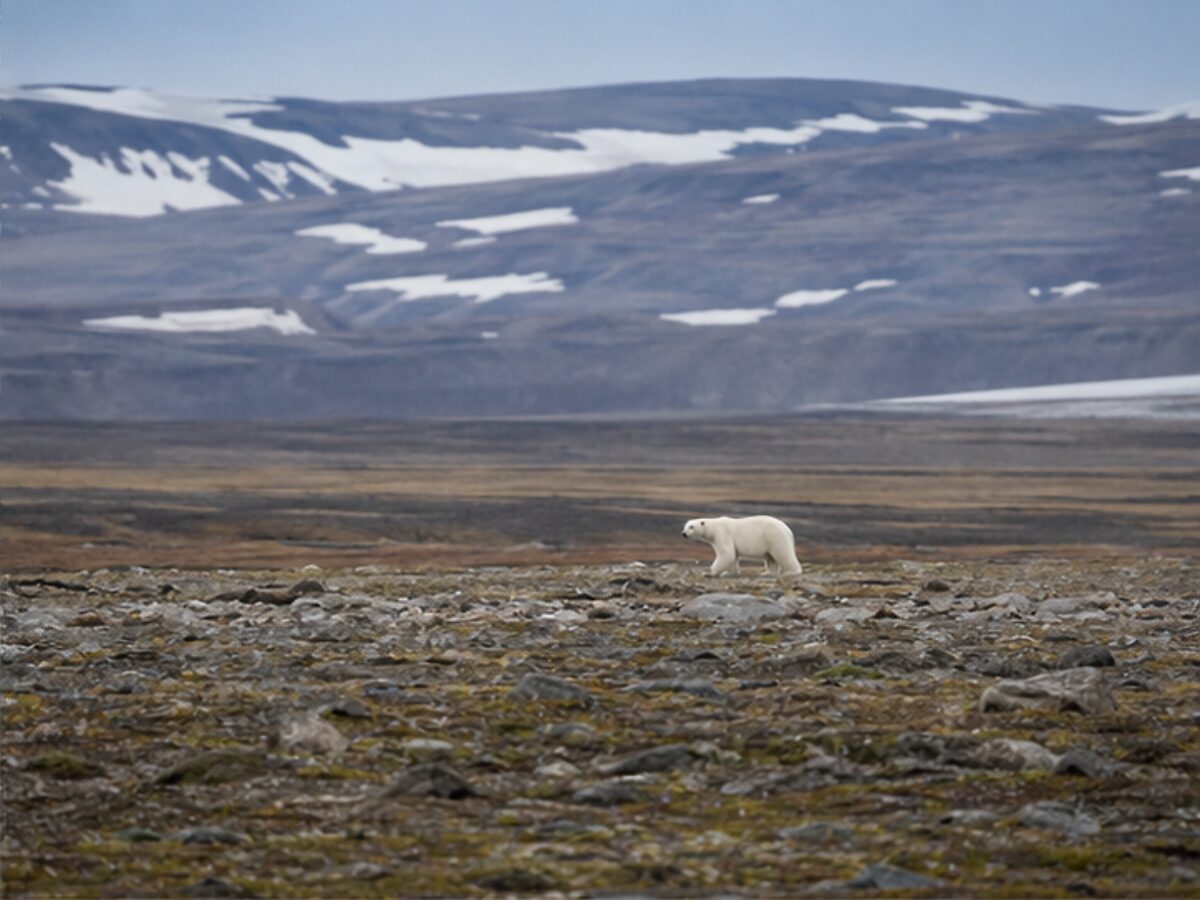
Svalbard law prohibits unnecessarily disturbing, attracting, or pursuing polar bears. Current rules require people to keep at least about 1,000 feet away, increasing to about 1,650 feet from 1 March through 30 June, and to retreat if a bear is discovered closer.
Those are minimum legal distances, not wildlife-viewing targets. Guides may choose a much greater separation, cancel a landing, or withdraw immediately based on terrain, visibility, the animal’s behavior, and escape options.
Never leave the guided group to improve a photograph. Never approach tracks, a carcass, or a rise that blocks the guide’s view of what lies beyond it.
Outside settlements, field parties need suitable means of polar-bear deterrence and the competence to use them. That responsibility belongs to trained staff, not to passengers carrying hiking poles and sudden confidence.
A bear sighting is never promised. Good expedition practice often means seeing wildlife from far away or not seeing it at all.
Walrus, birds, and the distance that protects them
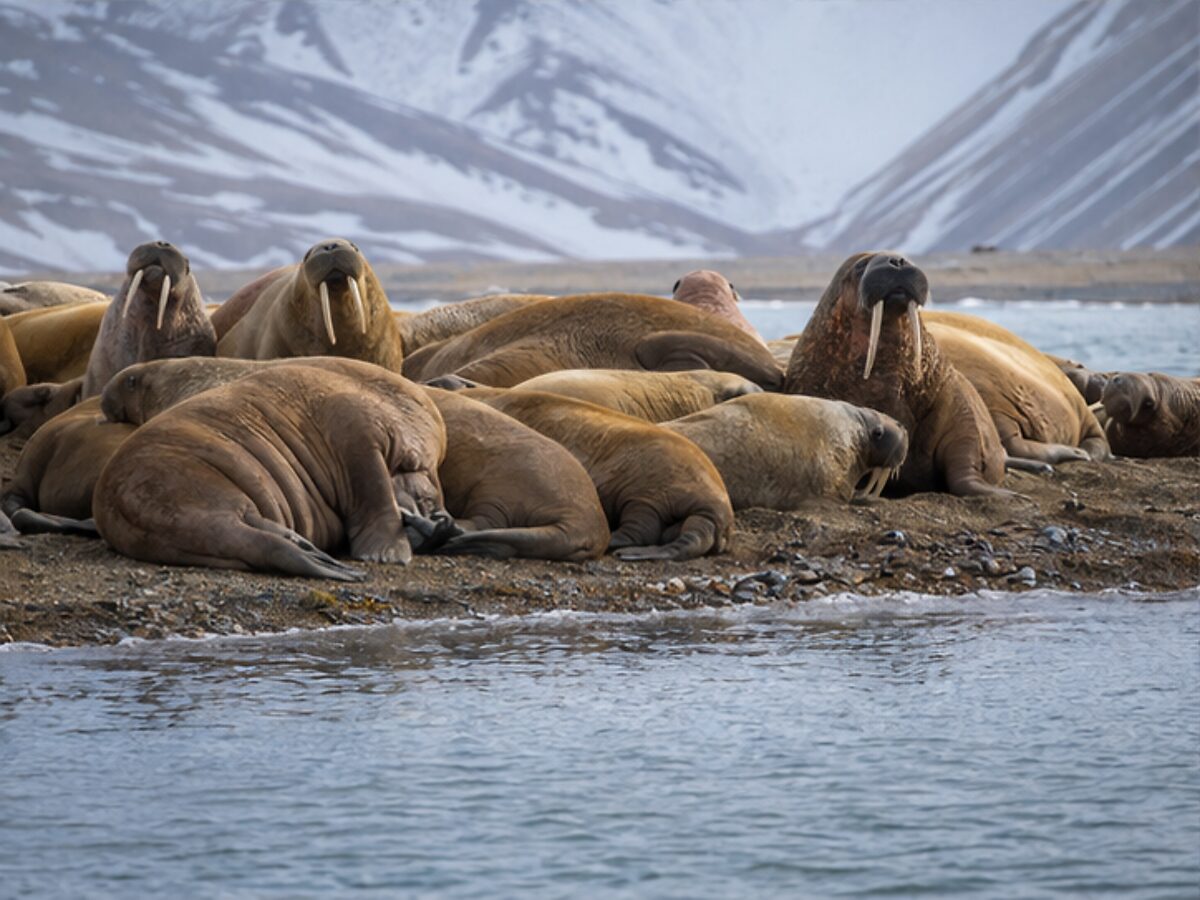
Current marine rules require vessels to keep at least about 500 feet from walrus haul-out sites. Within about 1,000 feet, a speed limit of five knots applies.
Bird-cliff speed restrictions also apply during the breeding season. From 1 April through 31 August, vessels close to designated bird cliffs must observe the applicable five-knot rule, while drones face additional restrictions.
The practical result is slow, quiet observation. Binoculars and a longer camera lens provide better wildlife experiences than asking a driver to edge closer.
Do not expect a species checklist. Seals, walrus, whales, foxes, and seabirds live across the archipelago, but presence around one anchorage changes with season, ice, food, weather, and luck.
The guides’ excitement over tracks, feathers, distant blows, or bird behavior may seem understated. In a place without scheduled wildlife, careful clues are part of the attraction.
Cultural remains are protected too
Human traces from before 1946 are automatically protected in Svalbard. Cabins, trapping equipment, blubber ovens, graves, bones, and apparently ordinary objects may all be cultural heritage.
The protected zone around a cultural monument generally extends about 330 feet. Do not move, uncover, sit on, or collect anything, even if it looks like scrap wood or a photogenic old bottle.
Only the guide should decide whether a route approaches a historical site. A beach object does not become a souvenir merely because no shop exists to sell it.
The same restraint applies to rocks, plants, antlers, and bones. Leave the shore exactly as it was, including the objects that seem insignificant.
Clothing is part of the safety system
Follow the cruise line’s expedition kit list, because equipment supplied varies. Many ships provide waterproof boots and a flotation device, but passengers may need their own waterproof pants, gloves, hats, and dry bags.
Use a moisture-managing base layer, an insulating middle layer, and a genuinely waterproof outer shell. Cotton is a poor choice once wet, while a neck gaiter and thin liner gloves make camera handling less punishing.
Secure hats, straps, and loose items before boarding. A dropped glove in Arctic water is not only lost gear but also litter that a crew member should not have to chase.
Keep medication and essential items protected in a small waterproof pouch. Leave unnecessary valuables aboard, since there is nowhere ashore to use them and several excellent places to soak them.
The Zodiac transfer, step by step
Passengers usually descend an internal or external gangway to a loading platform. Crew members control boarding and may use a firm sailor’s grip rather than taking fingertips.
Step only when instructed, sit immediately in the assigned place, and keep hands inside the boat. Do not stand for photographs or change seats while the Zodiac is moving.
At a beach landing, boots may enter shallow water. The guide will explain whether the bow reaches shore, passengers rotate over a pontoon, or another technique is required.
Returning can be harder when swell increases. Save enough energy for the final transfer and tell staff early about balance, knee, hip, or grip concerns.
Accessibility without sales-brochure optimism
Zodiac boarding requires stairs or a ship platform, a moving step, balance, and the ability to sit on a pontoon or bench. Expedition operators set their own minimum abilities and may restrict participation when conditions deteriorate.
A guided landing adds loose stones, wet tundra, slopes, and no handrails. Wheelchairs and many walkers cannot be used, while a trekking pole may help only if the operator permits and the passenger can still board safely.
Guests who remain aboard can still have a strong day through deck observation, lectures, photography, and scenery. Our wheelchair-friendly cruise ports guide helps explain why expedition anchorages require different expectations.
Discuss capabilities with the cruise line before booking, not after arrival. Ask about gangway stairs, boat seating, restroom access during excursions, assistance limits, and what happens if the landing is inaccessible.
Cameras, phones, and cold batteries
Cold reduces battery performance, and spray can reach equipment even on a calm ride. Carry a spare battery close to your body and protect the camera inside a dry bag during boarding.
Use a lens cloth for spray and condensation. When returning indoors, leave cold equipment in its closed bag briefly so moisture forms on the bag rather than inside the camera.
A phone on airplane mode saves power and stops it searching for a signal that may not exist. Download expedition notes and maps before leaving the ship’s network.
Drones are a particularly poor spontaneous idea. Protected areas generally prohibit them, and seasonal separation rules apply near bird cliffs, so leave one packed unless the operator has explicit legal approval.
What costs money ashore
Nothing is sold at the anchorage because there is no settlement. Optional kayaking, specialist photography sessions, or other activities are arranged through the ship, with availability governed by bookings and conditions.
Svalbard visitors pay an environmental fee, which the Governor states is normally included by cruise lines and airlines. Private-boat visitors must arrange payment themselves.
Travel insurance deserves serious attention for an expedition voyage. The remoteness, medical evacuation possibilities, and cruise operator’s coverage conditions matter more than routine cancellation clauses.
Weather and the dangerous word “summer”
The expedition cruising season is concentrated in the lighter months, but “summer” does not mean mild, stable, or ice-free. Wind chill, rain, sleet, fog, and rapid shifts remain possible.
Sea ice affects access differently each year and can move with wind and current. Do not treat a month on the calendar as a guarantee that a particular fjord will open.
The midnight sun provides long operating windows, yet teams still need rest, safe visibility, and suitable tides or water conditions. Continuous daylight is not permission for continuous shore landings.
The plan I would choose
I would attend every briefing, prepare clothing the night before, and take whichever guided activity the expedition leader judges best. If that becomes a landing, excellent; if it becomes a Zodiac cruise, the shore remains protected; if it becomes a deck day, the fjord still supplies the view.
Ayerfjord should never be sold as a promise to stand on a specific beach or meet a specific animal. The most trustworthy version is simpler: you arrive ready, the experts read the conditions, and the Arctic gets the final word.
How this guide was researched: This guide was checked on September 11, 2026 against the Governor of Svalbard’s current environmental regulations, protected-area landing rules, wildlife distances, and field-operation safety requirements. Expedition plans, permits, guides, insurance, Zodiac access, landing sites, wildlife restrictions, ice, and weather can change, so follow the onboard briefing and expedition leader rather than any fixed shore promise; see our Editorial Policy.