Nijmegen River Cruise Port: Waalkade and Historic Center Guide
Nijmegen greets river cruisers with a broad Waal waterfront, a skyline full of history, and one small geographical joke: the old center is very close, but it is definitely up there. The good news is that several routes, including a public elevator, connect the Waalkade with the streets above.
This is an active river-cruise port used on 2026 itineraries, not simply a motorcoach stop borrowed from Amsterdam. Your precise landing, gangway arrangement, and walking route can still change, so treat the whole Waalkade as the arrival zone until the crew gives you the day’s details.
Nijmegen River Cruise Port Quick Facts
Into Town: Waalkade borders the historic center, but the quay is long and central streets sit uphill. Ask the crew which uphill route best matches the day’s berth.
Currency and Language: Euro. Dutch is official; English is widely understood in visitor businesses and museums.
Time Zone: Central European Time, UTC+1; Central European Summer Time, UTC+2, from the last Sunday in March through the last Sunday in October.
How Often the Call Is Missed: Not published. Waal levels, current, fog, berth access, traffic or operating changes can alter Nijmegen calls.
Nijmegen and cruise operators do not publish an audited port-specific missed-call rate. A changed berth, steeper gangway, shortened stay or altered excursion may occur without a complete cancellation.
Is Nijmegen an Active River Cruise Port?
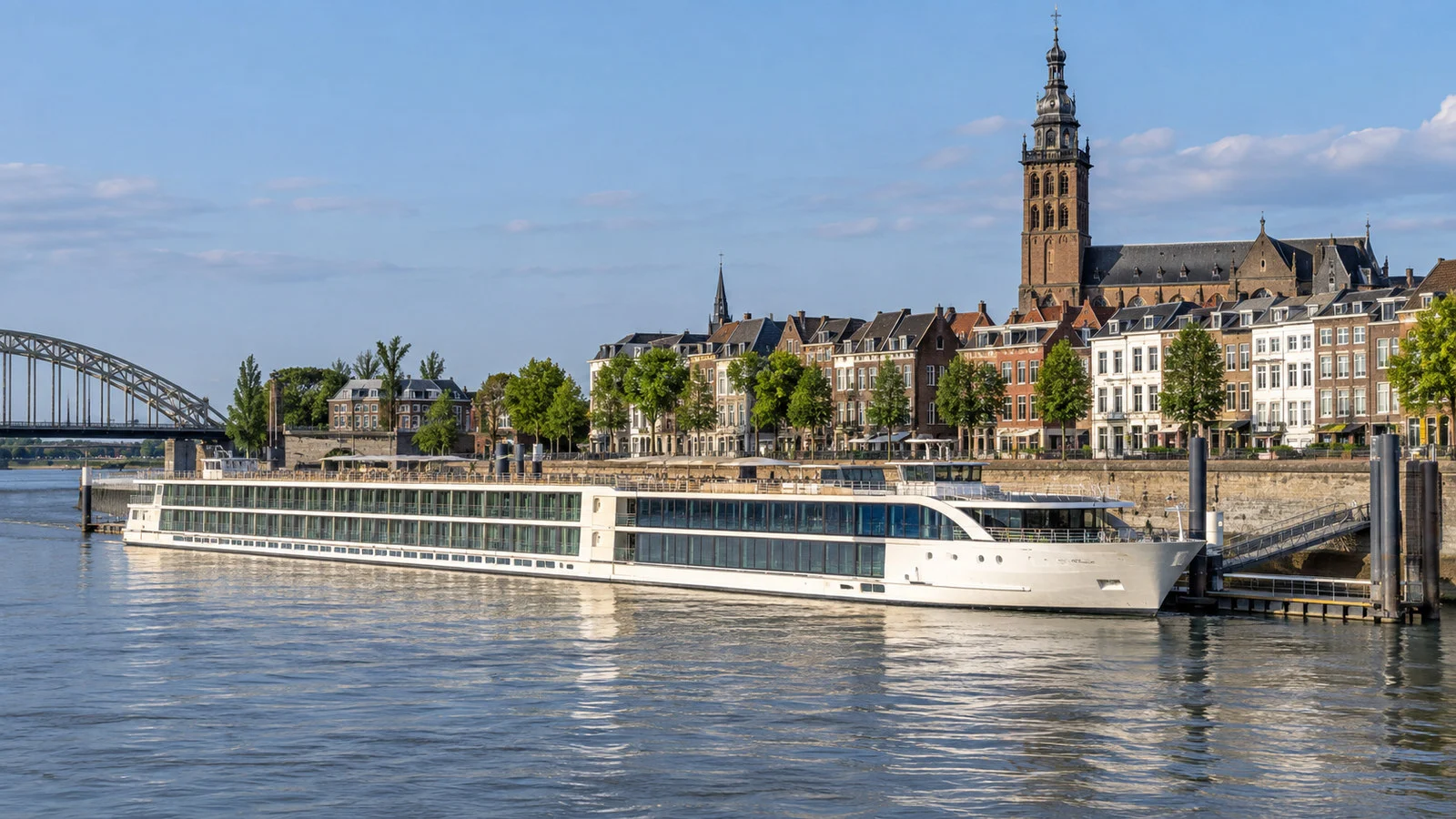
Yes. Current 2026 programs from Viking and A-ROSA include Nijmegen, with calls ranging from a daytime visit to an overnight stay.
For example, Viking’s official itinerary identifies Nijmegen as a stop on the south bank of the Waal, while A-ROSA publishes a 2026 overnight call. Schedules are evidence that ships actively call here, not a guarantee that your sailing will copy another operator’s hours.
Nijmegen sits on the Waal, the principal Dutch distributary of the Rhine. Cruise marketing may group the call under a Rhine itinerary, but the river beside your ship is locally and correctly called the Waal.
If you are building a longer route, our European cruise ports guide helps place Nijmegen among nearby Rhine and Low Countries calls.
Where Do River Cruises Dock in Nijmegen?
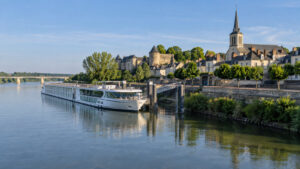
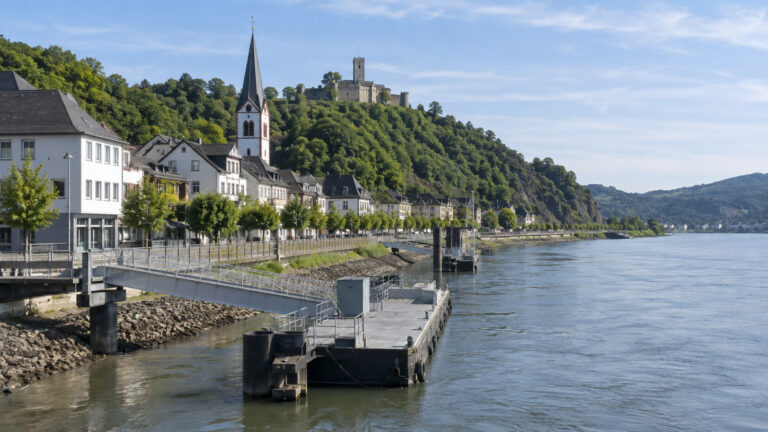
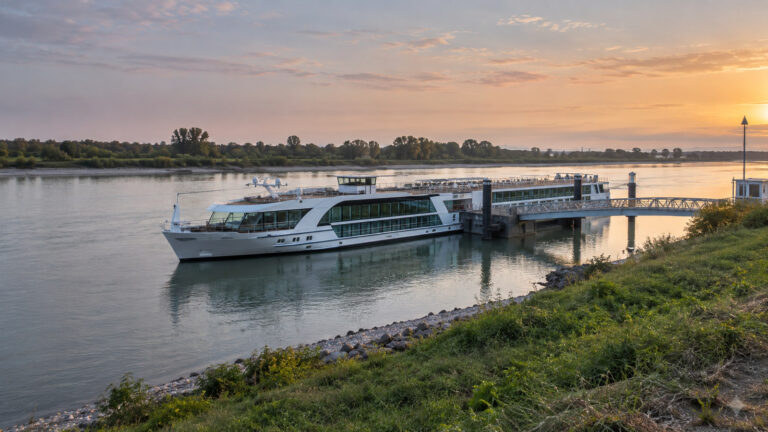
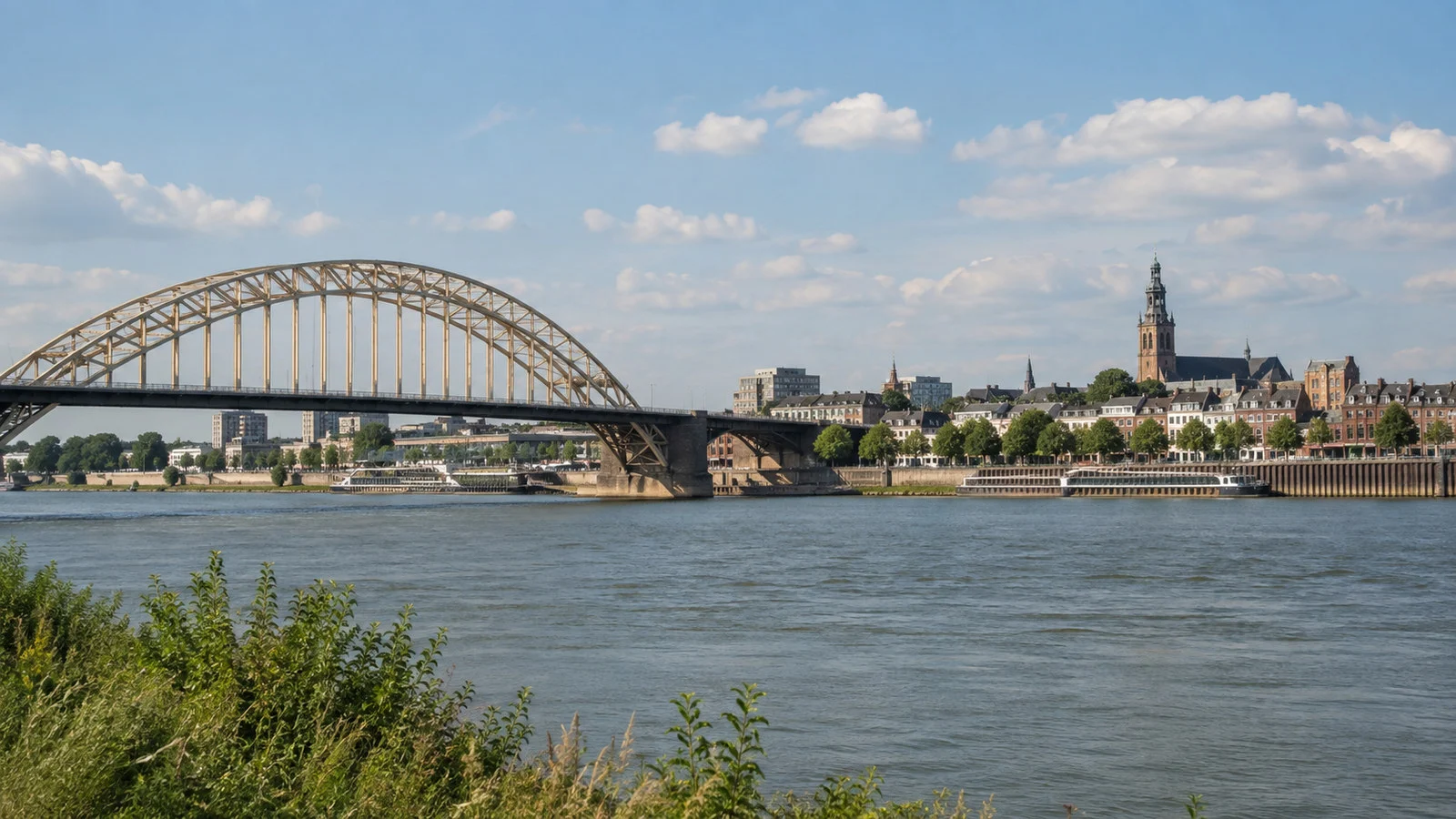
The official city harbor page identifies the Waalkade as the passenger-ship landing area. It is a long quay along the south bank, below the historic center and between the railway bridge area to the west and the Waalbrug area to the east.
That official description is more useful than an overconfident pin labeled “cruise terminal.” Nijmegen does not promise every hotel ship the same bollard, and the harbor master controls permission and assignment.
The city’s live Waalkade reservation overview reinforces the point by warning that its schedule creates no legal entitlement and vessels must follow the harbor master’s instructions. Other ships, water conditions, events, and operations can move an arrival along the quay or lead to rafting beside another vessel.
Lindenberghaven is nearby, but the municipality designates it for pleasure craft up to about 49 feet and historic vessels. Waalhaven is described primarily for freight and resident vessels, so neither should be advertised as the universal river-cruise terminal.
Shore power is compulsory at the Waalkade, a useful sign that Nijmegen manages this as a working urban quay rather than a decorative waterfront. It does not tell you which door, gangway, or neighboring ship you will use that morning.
Walking From Waalkade Into the Center
Nijmegen is built on an elongated ridge above the river. The city’s official cruise visitor page names three useful routes from Waalkade: the Veerpoort stairs, the Voerweg around Valkhofpark, and Lange Hezelstraat.
Your best choice depends on where the ship lands. An eastern berth favors Valkhofpark, De Bastei, and the Voerweg route, while a western berth can make Lange Hezelstraat the more natural way toward Grote Markt.
Walking time from the ship to Grote Markt varies with berth, pace, crossings and the uphill route. Add time if ships are rafted, the gangway is crowded or you prefer the gentler route over stairs.
The Veerpoort stairs are direct but unapologetically stairs. The outside elevator behind Holland Casino provides a step-free connection between the Waalkade level and the higher Valkhof side, though a working city elevator can occasionally be out of service.
Lange Hezelstraat is one of the city’s characterful shopping streets and makes the climb feel like sightseeing rather than cardio assigned by committee. Some paving is historic or uneven, and the grade still exists.
What to See on a Short Nijmegen Call
Valkhofpark and Waal Views
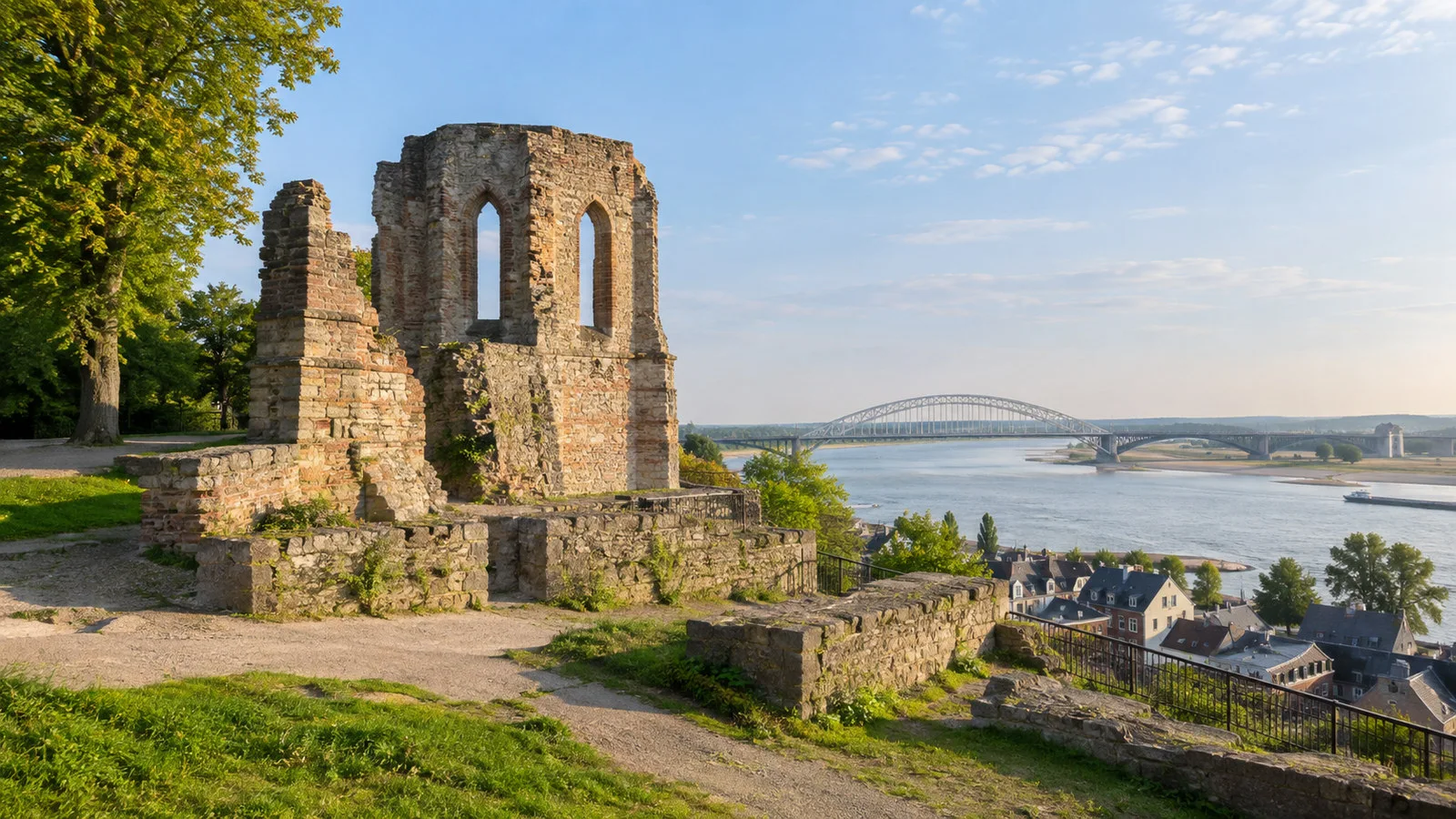
Valkhofpark is the smartest first stop from an eastern Waalkade position. It crowns the ridge above the river with views toward the Waalbrug, the Romanesque Saint Nicholas Chapel, and the fragment known as the Barbarossa ruin.
The park itself is free and does not require a museum-sized time commitment. Chapel access depends on volunteer opening and events, so regard an interior visit as a bonus rather than the hinge of your morning.
Valkhofpark is practical from a nearby eastern landing, but the climb, photographs and return still need to fit the ship’s schedule. Do not treat it as a fixed-duration stop.
De Bastei
De Bastei sits immediately behind the Waalkade at Lange Baan 4 and combines archaeology, city history, and the natural story of the river landscape. Its entrance beside the Veerpoort stairs makes it the most berth-friendly substantial museum in the port area.
The museum’s official directions place the Waalkade bus stop about a five-minute walk away and direct visitors to the casino elevator when avoiding the height difference. The museum is largely wheelchair accessible, but its own accessibility page identifies exceptions in part of the archaeological street and the entrance-building mezzanine.
Two internal elevators connect most levels, although one is only about 33.5 inches wide and 51 inches deep. Check current hours and accessibility details before committing a short call, particularly if chair dimensions or a companion’s mobility make those measurements important.
Valkhof Museum
Valkhof Museum reopened at Kelfkensbos 59 on June 6, 2026 after a long renovation. This matters because older guides still send readers to a temporary location or warn that the museum is closed.
The museum’s official site confirms that it is open at Kelfkensbos and uses timed admission. Recheck the live schedule before sailing because exhibitions, holidays and operating hours can change.
The museum focuses on archaeology, ancient Nijmegen and art, which suits travelers who want the Roman story behind the city’s “oldest city” identity. From an eastern Waalkade landing, allow for the uphill walk and check the day’s berth before setting out.
Grote Markt and Stevenskerk
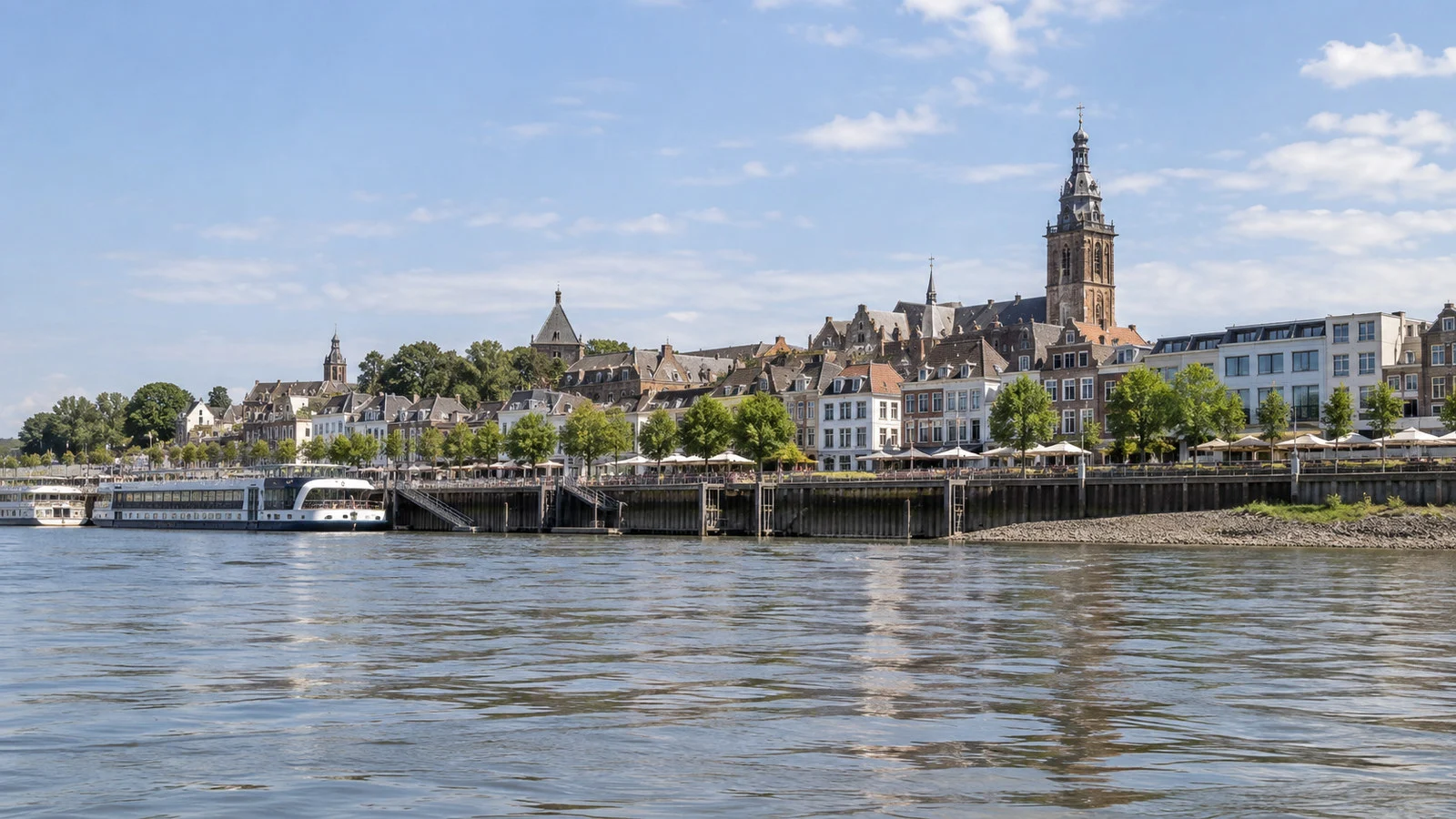
Grote Markt supplies the postcard portion of the call with historic facades, cafés, and the entrance toward Stevenskerk. It is compact enough for a coffee stop without turning the all-aboard time into experimental theater.
Stevenskerk is the city’s great late Gothic church, standing above the market on its own rise. The church’s official visitor page says it is open daily but warns that rentals and holidays can alter access, so check the date-specific calendar.
The main church is mostly wheelchair accessible through a separate entrance, and an accessible restroom is available. The seasonal guided tower climb from April through September is a different proposition, with stairs, scheduled tours, and more time required.
Waalbrug, War History, and Longer Walks
The Waalbrug opened in 1936 and became a central objective during the 1944 battle for Nijmegen. The cleanest short-call view is from Valkhofpark or the eastern waterfront, where the bridge fills the river horizon without requiring you to cross it.
Walking onto or across the bridge can add distance, traffic noise, wind, and a much larger timing cushion. It is worth considering for dedicated bridge or Operation Market Garden interest, but it is not necessary for the classic photograph.
For more context, Infocentrum WO2 Nijmegen near the Valkhof district introduces the city’s wartime experience. Hours and language provision should be checked directly before a self-guided visit.
Nijmegen’s official Walk of the Town is a free roughly 4.3-mile route split into a roughly 1.9-mile lower loop and 2.5-mile upper loop. The lower loop links the river, Valkhofpark, and old lower streets, making it the more realistic segment during a medium-length port call.
A full bridge circuit is not a casual substitute for the lower loop. The official seven-bridges route is about 9.3 miles, which is splendid with a free day and rather less splendid when your ship departs after lunch.
Accessibility at Nijmegen River Cruise Port
Waalkade’s proximity to the center does not make the port uniformly step-free. River level controls gangway angle, rafting may require crossing another vessel, and the distance to an elevator or gentler road varies with the assigned position.
Ask the cruise line before travel whether the vessel can deploy a suitable gangway and whether crew assistance is permitted. Our river-cruise accessibility guide explains why “wheelchair accessible ship” and “wheelchair accessible landing today” are not identical promises.
Once ashore, the public elevator near Holland Casino is the key route around the Veerpoort stairs. Voerweg offers another road-based approach, but gradients, curb transitions, and historic paving mean a powered chair may have an easier day than a manual chair.
De Bastei publishes detailed elevator dimensions and limitations, while Stevenskerk identifies a separate wheelchair entrance. Contact venues directly if you need a turning radius, transfer arrangement, hearing support, assistance-dog policy, or accessible restroom rather than relying on a generic icon.
For buses, use the current Dutch journey planner and choose accessibility options when available. De Bastei’s current directions list Waalkade service and stops on the upper level, but routes and stop names can change with road work.
High Water, Low Water, and Weather
The Waal is a powerful commercial river, not a placid canal installed for balcony photographs. High water can cover or restrict lower quay areas, increase current, steepen or change gangways, and alter harbor operations.
Low water can create different draft and landing problems across an itinerary. The live harbor site sometimes posts condition-specific notices, which is why the crew and harbor master outrank any permanent map.
Neither condition automatically means Nijmegen will be missed. Operators may adjust timing, landing position, sailing speed, or excursions, and conditions elsewhere on the Rhine system may affect the schedule even when Waalkade looks perfectly civilized.
Spring and fall can be cool, wet, and windy beside the exposed river, while summer can be warm on the uphill streets. Bring a light waterproof layer, sun protection, water, and shoes with secure grip rather than trying to make one optimistic forecast dress the entire Dutch day.
Getting to Nijmegen by Train
Nijmegen Central is a useful rail hub for Amsterdam, Utrecht, Arnhem, and other Dutch connections, often with a transfer depending on origin. Always check the official journey planner on travel day because engineering works are a recurring feature of Dutch rail life.
From the station, De Bastei estimates a 20-minute walk to its riverfront entrance. Allow additional time for the slope, crossings, berth position and luggage pace when continuing to a Waalkade ship.
A taxi can simplify embarkation, but tell the driver the ship name and current Waalkade position rather than only saying “the cruise terminal.” If your documents name a hotel meeting point or transfer, follow them because some packages begin away from the quay.
A Sensible Two-Hour Plan
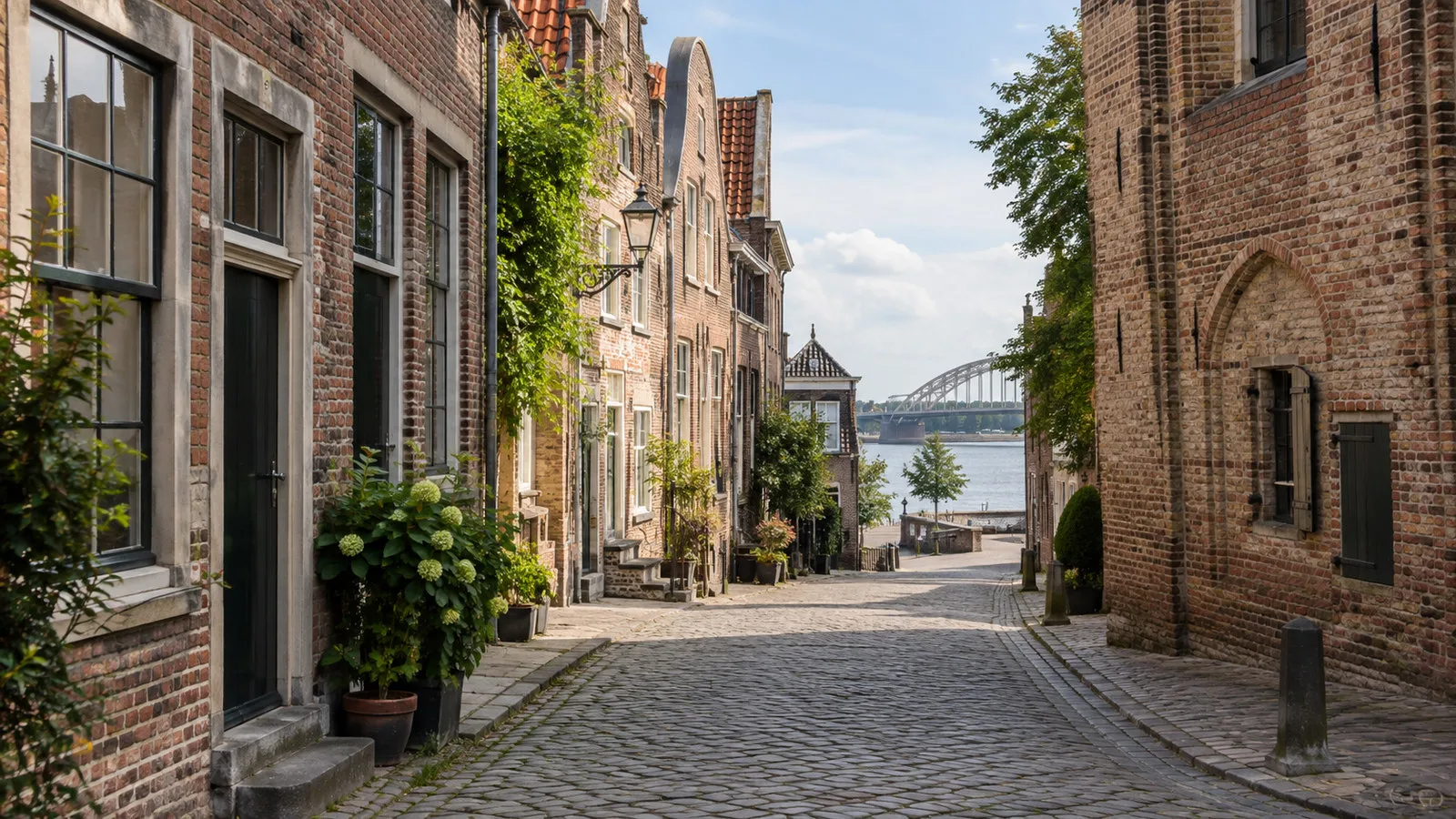
Start by confirming the ship’s position and all-aboard time, then climb by the Veerpoort stairs or casino elevator toward Valkhofpark. Enjoy the bridge view and ruins before continuing toward Grote Markt and Stevenskerk.
Return by Lange Hezelstraat if your berth lies west, or circle past De Bastei if it lies east. This creates a satisfying city sampler without betting the ship on a long museum visit.
If rain arrives, substitute De Bastei or Valkhof Museum, but choose one rather than speed-running both. Timed admission and opening hours matter, especially on Monday mornings when museum choices narrow.
Practical Port Advice
Photograph the ship, nearby sign, and visible landmark before leaving Waalkade. A long quay has a special talent for making every white river vessel look like yours from 300 yards away.
Carry the daily program and ship contact number, and follow the ship’s stated return time. Add extra margin for mobility needs, crowds, bridge exploration, market days or a museum visit.
Normal city precautions are sufficient: watch traffic and bicycle lanes, secure valuables in crowds, and avoid the water’s edge where barriers or surfaces are compromised. Emergency number 112 works throughout the Netherlands.
Most cafés and attractions accept cards, but a small euro reserve is useful. Public restrooms may charge, and contactless payment does not rescue a traveler whose card issuer has decided a Dutch coffee is suspicious.
Final Verdict
Nijmegen is an excellent walk-off river port for history, river views, and a genuinely lively Dutch center. Its only trick is vertical: the attractions are close to Waalkade, but the center sits on the ridge above it.
Respect the variable berth, choose the right uphill route, and leave a proper return buffer. Do that, and Nijmegen offers far more than a quick Rhine-itinerary footnote.
Use the Waalkade route that matches the berth
Nijmegen cruise vessels use different Waalkade positions, and the best route uphill changes with the landing. An eastern berth favors Valkhofpark and De Bastei, while a western berth may favor Lange Hezelstraat, so take the live position rather than following the first staircase you see.
The public elevator near Holland Casino avoids the Veerpoort stairs, but any city elevator can be temporarily out of service. Ask the crew for the gentler road alternative, check the elevator before committing to the lower waterfront, and allow extra time for gradients and historic paving.
Valkhof Museum reopened at Kelfkensbos in June 2026, while De Bastei has detailed but not universal step-free access. Check official hours, ticket fees, and lift dimensions, then choose one museum because a short call does not improve when it becomes a race between two ticket desks.
The Netherlands is in the Schengen Area, and Rhine-Waal water levels can steepen the gangway or cause rafting and berth changes. Follow the ship’s stated return time, and protect a separate train or flight with margin after any disembarkation.
How this guide was researched: No firsthand visit is claimed. Details were checked against Nijmegen municipal harbor information, official city visitor guidance, Viking, A-ROSA, Valkhof Museum, De Bastei and Stevenskerk.
Operational and time-sensitive details were reviewed September 12, 2026. See our Editorial Policy.