Pak Lay River Cruise Port: Landing and Vientiane Transfer Guide
Pak Lay is an Upper Mekong stop that often performs three jobs at once. It can be a small-town call, a practical river landing, and the point where passengers transfer between a ship and a road vehicle bound for Vientiane.
None of those roles requires a polished cruise terminal. Expect crew instructions, a changing riverbank, and a schedule shaped by water, road conditions, and the vessel’s operating plan.
Quick Facts
- Country: Laos
- Province: Xayaburi
- River: Mekong
- Landing: A basic pier, bank, or transfer point selected for current conditions
- Typical role: Local call, overnight river position, or ship-to-road transfer point
- Key logistics: Confirm whether your itinerary starts or ends with a road transfer to Vientiane
- Currency: Lao kip
- Language: Lao, with limited English outside cruise operations
- Time zone: Indochina Time, UTC+7, with no daylight saving time
- Accessibility note: Uneven banks, steps, gangways, tenders, and vehicle boarding may all be involved
What Kind of Port Is Pak Lay?
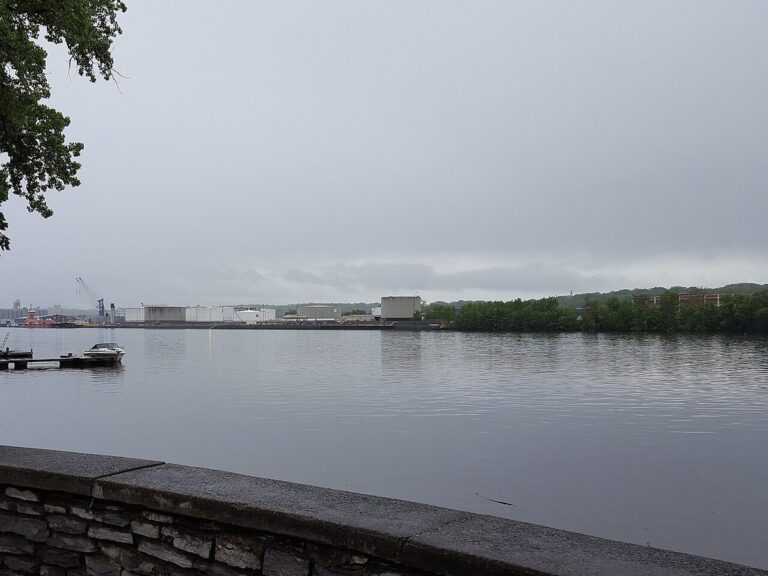
Pak Lay, sometimes written Paklay, is a small Mekong town rather than a conventional terminal city. Expedition itineraries may use it for a local visit, an overnight mooring, or the practical end of the navigable cruise segment before a road transfer.
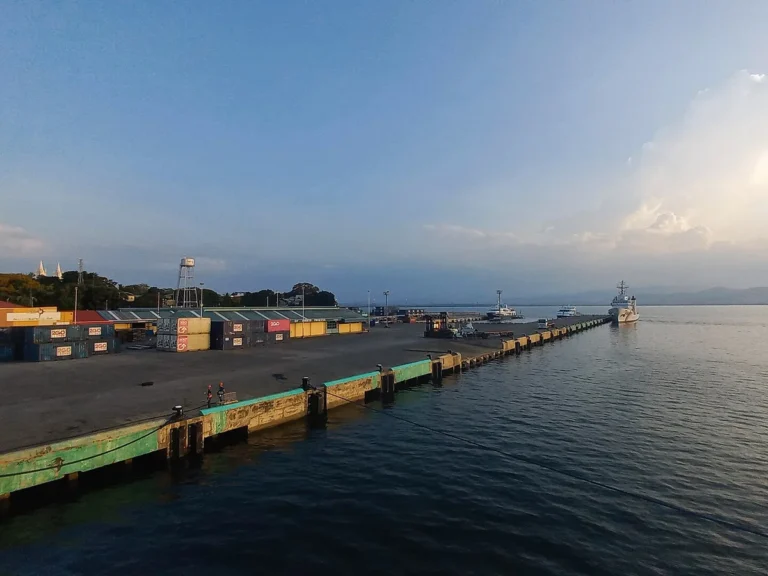
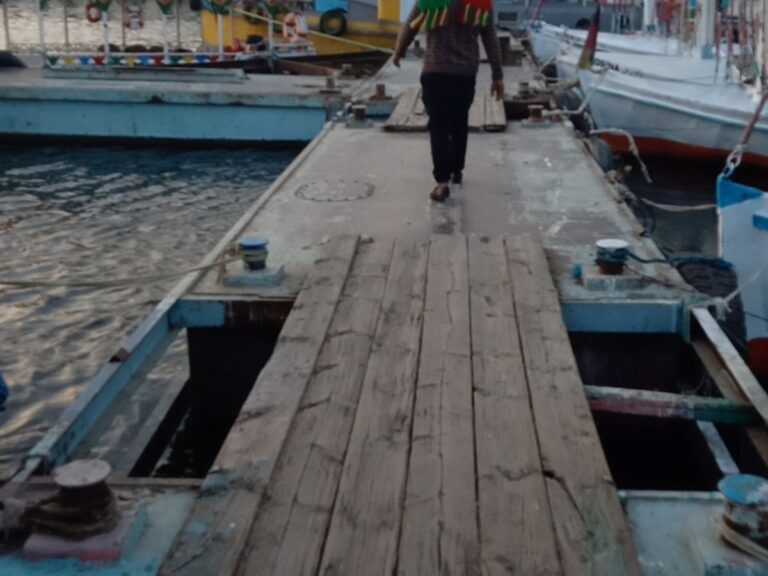
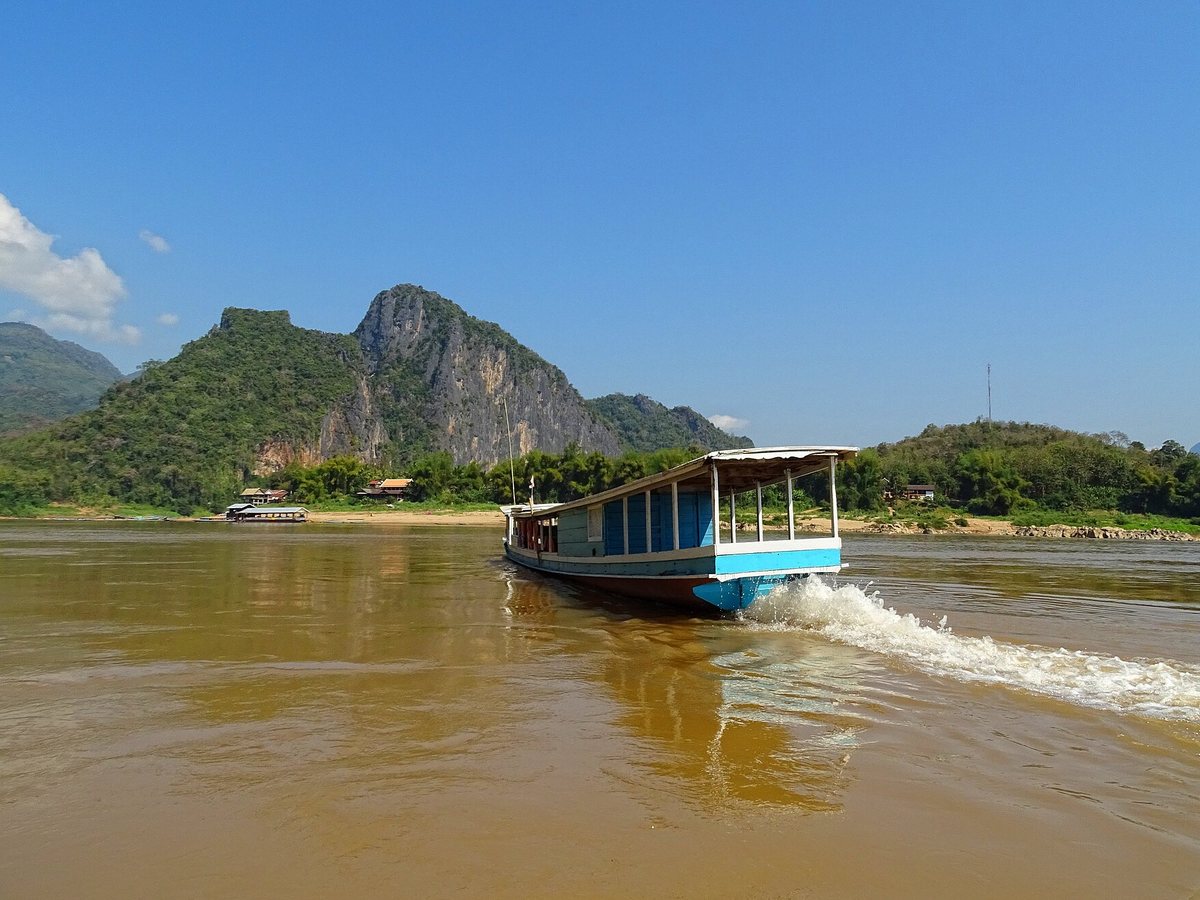
There is no single permanent passenger facility used by every vessel. The captain may select a pier, sloping bank, or other safe access point according to river level, current, the ship’s draft, and local activity.
Ask whether passengers will walk into town, take a local boat, board a tuk-tuk, or move directly into a transfer vehicle. The answer can change the footwear and day bag you need before you leave the cabin.
At low water, exposed earth and rocks can lengthen the climb from the river. At higher water, stronger current or covered access points can move the landing even when Pak Lay remains on the itinerary.
What to Expect in Town
Pak Lay’s appeal is everyday life rather than a lineup of major monuments. An operator-led visit may include the market, central streets, a temple, local transportation, or a riverside view of commerce and fishing.
The exact program depends on the day, and a village stop or altered walking route may replace what appeared in a brochure. Treat the cruise director’s briefing as the current plan.
Cover shoulders and knees for temple visits, remove shoes where directed, and ask before photographing people. A market is a working community space, so shop when something is genuinely useful and leave room for residents to conduct business.
Independent wandering is sensible only when the crew confirms the landing and return time. Save the meeting point offline and carry the ship’s contact details because the visible vessel may not remain beside the same patch of bank.
The Vientiane Transfer
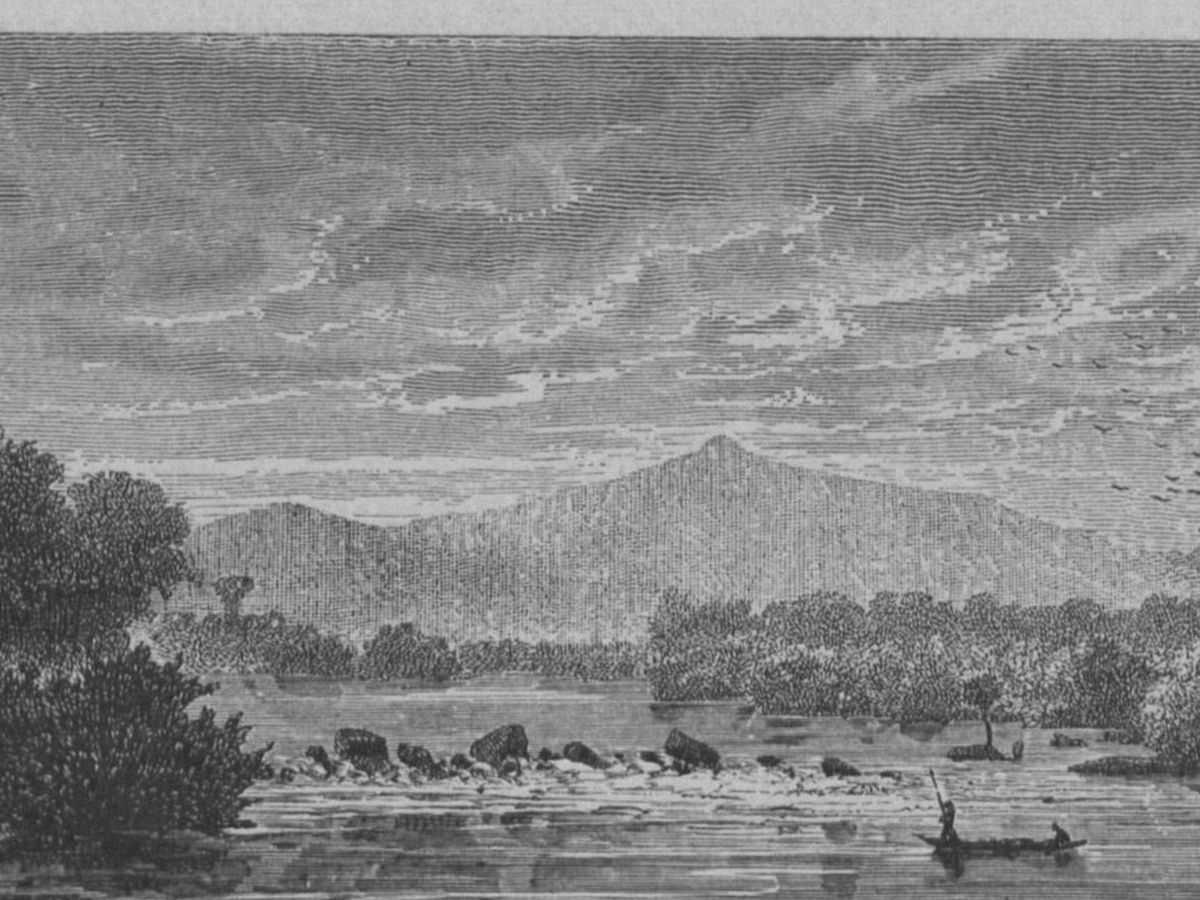
This is the planning detail that matters most. An itinerary advertised as beginning or ending in Vientiane may connect the capital with a vessel positioned at Pak Lay by road.
Heritage Line’s current seven-night southbound itinerary schedules checkout near Pak Lay at 9 a.m. and estimates arrival at a central Vientiane hotel around 12:30 p.m. That timing belongs to one product and is not a universal road-time guarantee.
Use the cruise company’s included transfer whenever possible. Its team can coordinate a changing ship arrival with the correct landing, vehicle, luggage, and hotel route in a way an independent driver may struggle to reproduce.
If you arrange a private transfer, provide the operator with a working local phone number and agree on a backup meeting place. A map pin beside the Mekong is not enough when the vessel may move to a safer bank.
Do not book a tight same-day flight or international train after the estimated Vientiane arrival. Road delays, water conditions, or ship operations can consume the margin, so an overnight stay in the capital is the calmer plan.
Hotel Pickup, Visas, and Luggage
For an upstream journey beginning with hotel pickup, confirm the eligible Vientiane area and exact lobby time. An airport hotel, rental apartment, or property outside the standard route may require a designated central meeting point.
Complete Lao entry formalities before pickup and verify requirements for your passport. The official Lao eVisa portal lists approved entry checkpoints, but an eVisa is valid only for eligible travelers entering through a designated point with matching documents.
Keep your passport, medication, phone, insurance details, and one change of clothes in a day bag. Checked luggage may travel separately during the road and river handoff.
At disembarkation, identify your suitcase before the vehicle leaves Pak Lay. Similar bags can be loaded quickly, and correcting a mix-up becomes harder once the convoy is on the road.
Xayaburi Dam and the Navigation Lock
The route between Luang Prabang and Pak Lay passes the Xayaburi hydropower project. Vessels continuing along this reach use its navigation infrastructure, and the lock transit can influence the day’s timing.
Heritage Line’s published itinerary describes the ship passing the structure with help from the large water gate after mooring near the dam overnight. The experience can be interesting from deck, but it remains an operating event controlled by the captain and lock team.
Stay away from crew work areas and follow announcements while the vessel enters, rises or falls, and exits the chamber. Close walls, lines, turbulence, and changing deck access are reasons to let the crew work without an audience in the wrong place.
Lock timing is not the same as a museum reservation. Traffic, water management, debris, and safe approach conditions can all affect the sequence.
Why River Conditions Still Matter
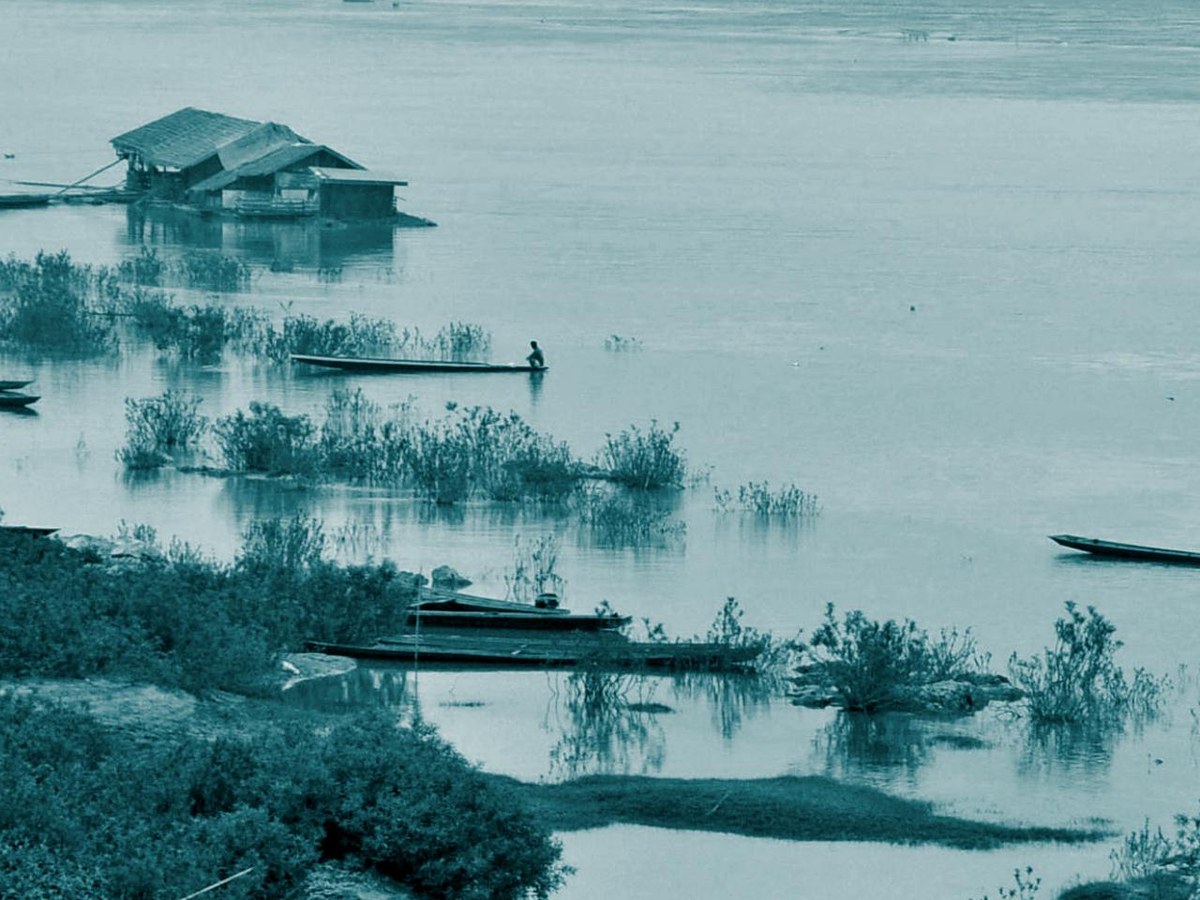
A navigation lock does not turn the Upper Mekong into a predictable canal. The river retains variable depth, rock outcrops, current, sediment, and seasonal changes before and after the controlled section.
Low water can expose obstacles and make banks longer or steeper. Higher water may cover familiar access points, increase current, and require a different place to put passengers ashore.
The Mekong River Commission publishes regional navigation information, but the captain decides whether a specific route and landing are safe for that vessel. Same-day instructions always outrank an itinerary map prepared months earlier.
A change may mean a later walk, another bank, a shortened local visit, or immediate departure by road. It does not necessarily mean that the itinerary failed to reach its practical endpoint.

Tenders, Rafting, and Riverbank Safety
Some expedition stops use a tender or local boat when the main vessel cannot safely meet shore. Keep both hands available, step only when invited, and let the crew handle larger bags during the moving transition.
Rafting beside another vessel can also change the effective gangway. Reaching shore may require crossing a neighboring ship, using interior stairs, and navigating several thresholds before the riverbank even begins.
Closed shoes with grip are more useful than sandals on loose soil, wet wood, or a steep slope. A compact day bag keeps your hands free and makes a vehicle transfer easier.
Accessibility
Pak Lay can be difficult for travelers who cannot manage uneven ground, steps, assisted boat transfers, or high vehicle entry. A road vehicle solves distance but not the gap between ship, shore, and seat.
Ask for the full chain in writing, from cabin to landing, landing to vehicle, and vehicle to the Vientiane hotel. General statements about assistance are less useful than the number of steps, gangway slope, and whether equipment must be lifted.
Request recent photographs of a typical landing and transfer vehicle where possible. Wheelchair and scooter users need explicit confirmation of storage, lifting limits, door width, vehicle steps, and backup arrangements.
A Practical Packing List for the Handoff
Wear shoes with traction and clothing suitable for a temple in case a local walk is offered. Add sun protection, drinking water, insect repellent, and a light waterproof layer according to the season.
Keep fragile items and documents out of checked luggage during the road transfer. Download the cruise contact, hotel address, insurance details, and a map of central Vientiane before leaving reliable service.
Carry some Lao kip for small purchases in town, but do not rely on finding a convenient ATM at the landing. Settle major transfer costs with the operator in advance when possible.
Common Questions
Does the ship dock in Vientiane?
Not necessarily. Some Upper Mekong itineraries begin or end the vessel journey at Pak Lay and include a road transfer to or from Vientiane.
How long is the road transfer?
One current operator schedules roughly three and a half hours from Pak Lay checkout to a central Vientiane hotel. Treat that as product-specific and allow more time before any onward departure.
Can I explore independently?
Possibly for a short central walk, but only after the crew confirms the landing and return plan. Operator-led exploration is the safer default.
Will the ship pass through Xayaburi’s lock?
Published itineraries that route vessels past the Xayaburi project use its navigation infrastructure. Exact timing depends on river and lock operations.
Is Pak Lay a tender port?
It can be, but the arrangement varies. The vessel and conditions determine whether passengers use a direct gangway, bank landing, tender, or immediate vehicle connection.
Final Take
Pak Lay’s value lies in showing a working Mekong town while connecting river travel with the road to Vientiane. Confirm the landing, protect the transfer margin, and let the crew coordinate the moving parts.
How this guide was researched: Unless a first-hand visit is explicitly identified above, this guide is based on independent research using official tourism, immigration, waterway, hydropower, and cruise-operator sources where available. Logistics and time-sensitive details were reviewed on September 12, 2026, under our Editorial Policy.