Naxos Cruise Port: Quay, Buses and the Portara
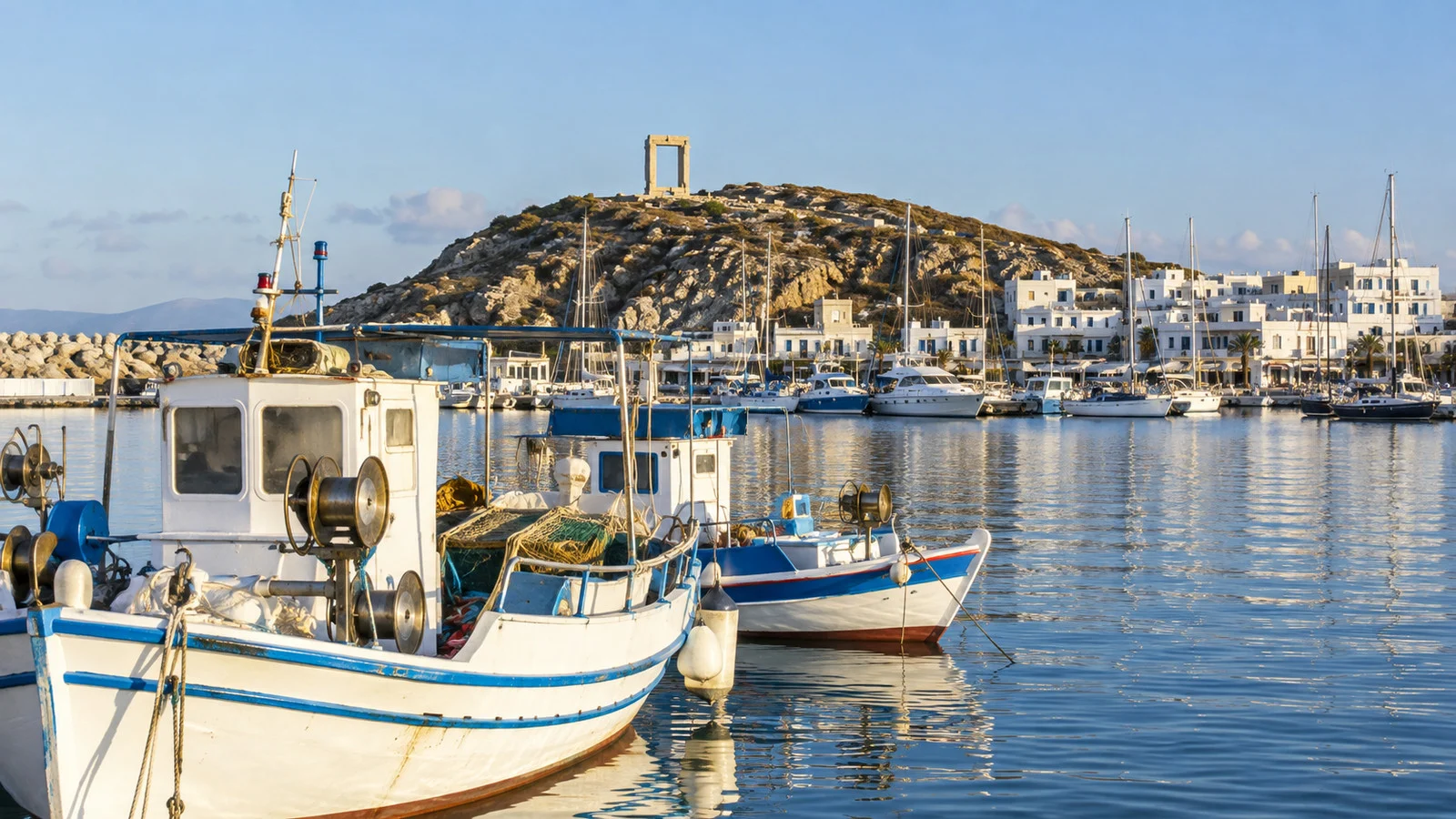
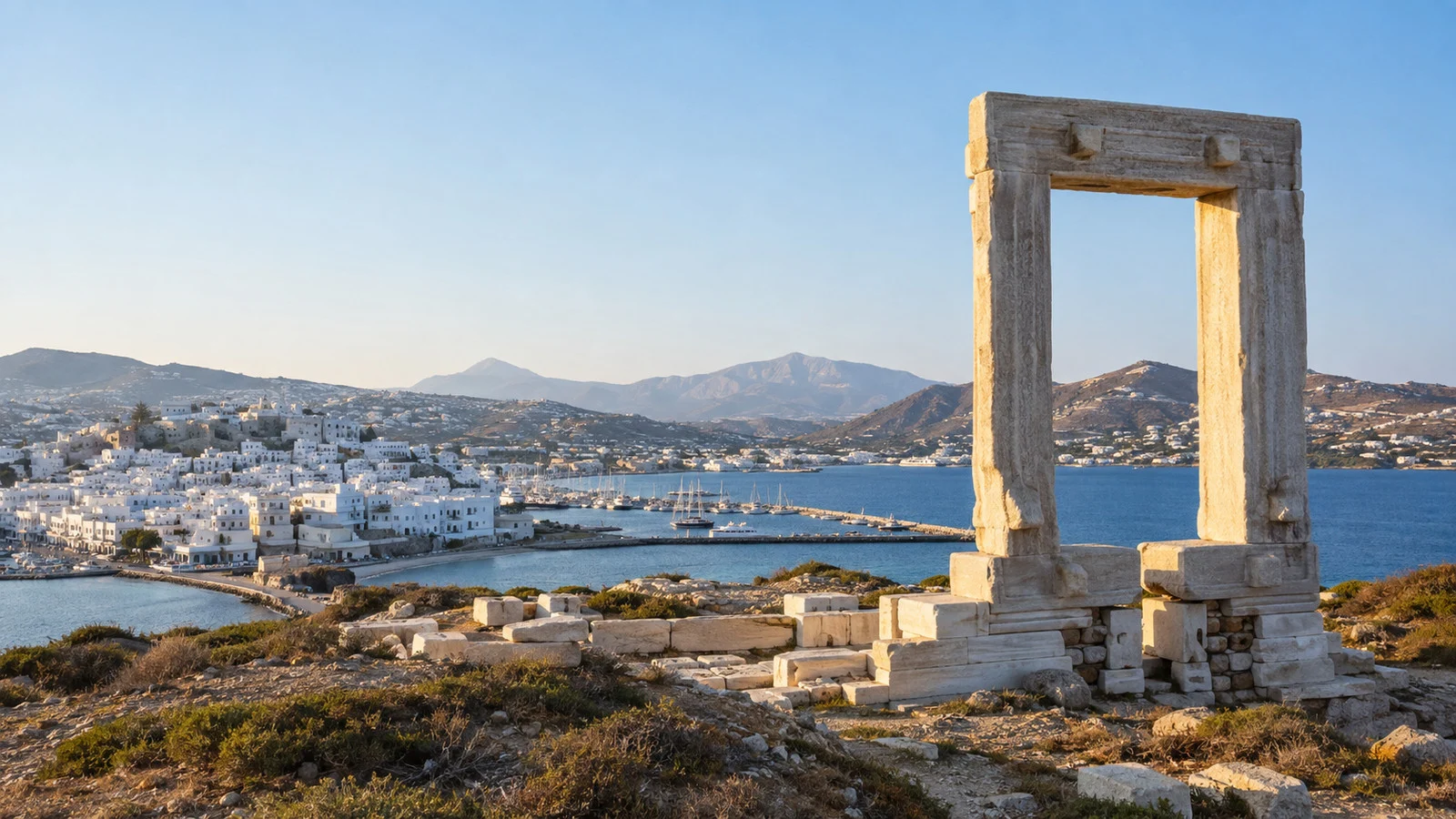
Naxos gives you a remarkably generous first look at the Cyclades. The Portara rises beside the harbor, whitewashed Chora climbs toward its Venetian Kastro, and the island’s everyday ferry traffic keeps the waterfront feeling real.
The complication is that Naxos is a ferry port before it is a cruise port. Your ship’s size, the berth available, and the Aegean wind can decide whether you walk ashore or arrive by tender, so flexibility matters from the first announcement.
Naxos cruise port quick facts
- Country: Greece
- Island group: Cyclades
- Main town: Naxos Town, also called Chora or Hora
- Port type: Busy inter-island ferry harbor with limited cruise facilities
- Dock or tender: Varies by ship and port operations, so confirm with your cruise line
- Best walk from port: The Portara and the lanes of the Kastro
- Local transportation: KTEL buses, taxis, rental vehicles, and organized tours
- Currency: Euro
- Local flavors: Naxos potatoes, local cheeses, citron liqueur, wine, and island meats
- Main operational risk: Strong Aegean wind affecting tender boats, ferries, and exposed sites
A practical quick take
For a short call, stay in Chora and enjoy the Portara, the Kastro, and a proper local lunch. That plan is rich enough for a first visit and easy to shorten if tendering starts late.
With more time, choose one inland village or one west-coast beach, not both plus Mount Zas. Naxos is the largest island in the Cyclades, and the distances become more obvious once the road starts winding through the interior.
Where cruise passengers arrive
Naxos has a working port on the edge of Chora, handling ferries, smaller boats, vehicles, and island supplies. There is no large, purpose-built cruise terminal comparable to the facilities at a major Mediterranean turnaround port.
Some smaller vessels may berth when the quay and harbor plan permit, while other ships anchor and use tenders. Do not treat a previous passenger’s experience as a guarantee, because ferry movements, wind, ship dimensions, and port instructions all affect the day’s arrangement.
Your ship’s daily program should name the transfer procedure and the final time to be back aboard. If tendering is required, collect any ticket you need early and keep a wider return buffer than you would at a pier.
The ferry harbor sets the rhythm
The municipal tourism site describes Naxos as connected by sea year-round and warns that transport timetables can change. Regular ferries and high-speed craft use the same compact harbor area, so passenger flows can surge quickly around an arrival.
Cross roads carefully near the port, especially when a ferry is unloading cars and trucks. Follow barriers and local staff instead of taking the shortest-looking route across a vehicle staging area.
How tendering changes your day
A tender adds more than the boat ride itself. Boarding, unloading, harbor traffic, and the queue for the return trip reduce the usable hours printed on the itinerary.
Strong wind or swell can slow, interrupt, or prevent tender operations. There is no trustworthy fixed cancellation percentage for Naxos, and the captain’s real-time safety decision is more useful than any number copied between port guides.
On a windy day, keep independent commitments flexible and stay alert for announcements. If the crew brings the final tender forward, a nearby town plan is much easier to unwind than a bus trip across the island.
Getting around Naxos
Walking
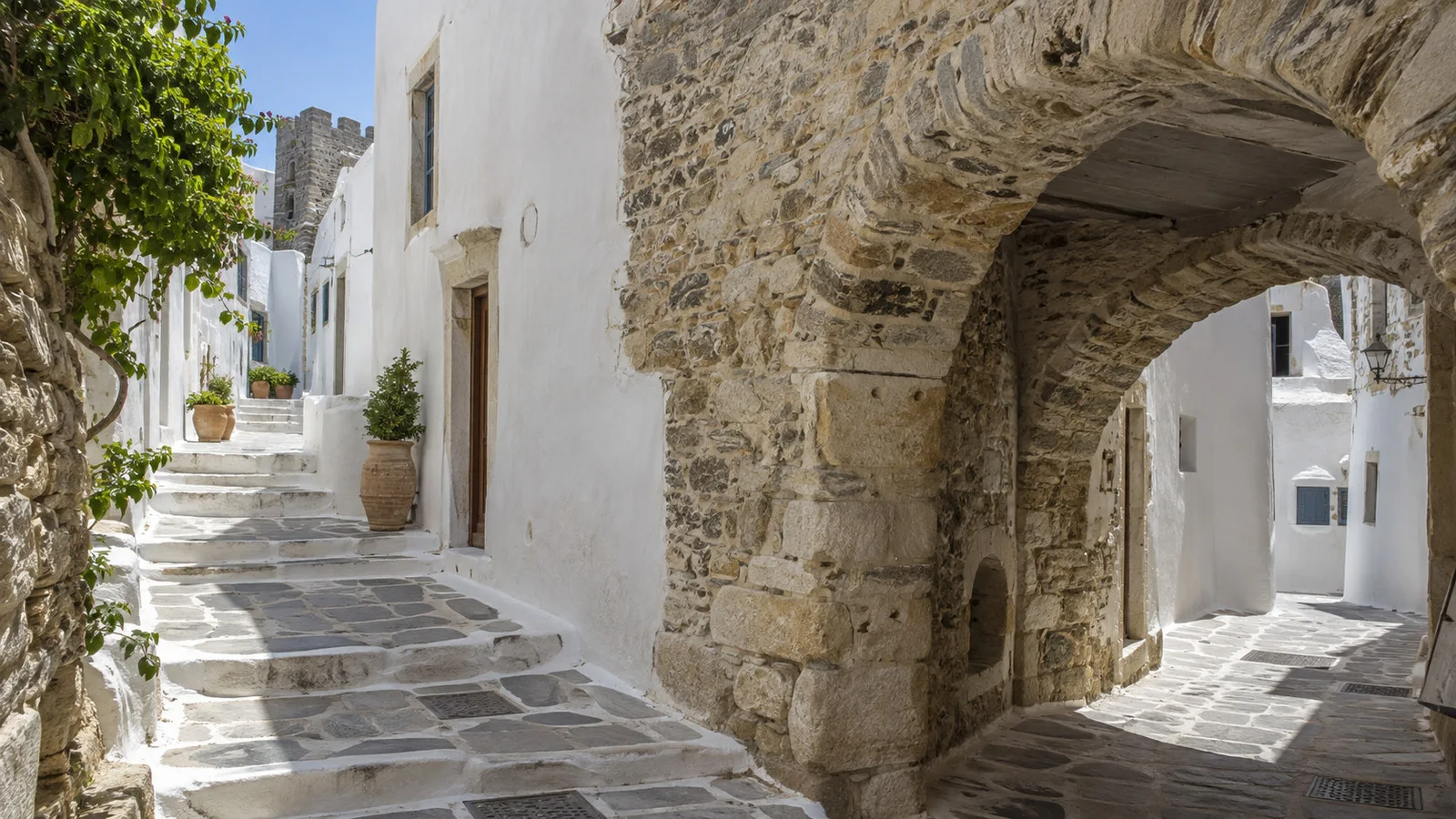
Once you are on the Chora waterfront, the Portara, old market lanes, Kastro, restaurants, and shops are within the compact center. The waterfront is mostly easygoing, but the old town rises through steps, slopes, polished stone, and narrow passages.
A map helps with direction but not always with the gentlest route. If mobility is a concern, ask locally for the least steep approach rather than following a staircase chosen by the app.
KTEL buses
Naxos’s public bus network links Chora with beaches and interior villages, with more service typically available during the busy season. Routes and departure times are not built around cruise calls, so the return schedule must work before you board.
Use the official Naxos bus website or the station information for the current timetable, ticket procedure, and stop location. Purchase tickets in the way currently instructed, since sales arrangements can differ by route or season.
Photograph the schedule and confirm the direction of your return stop. Leave at least one service in reserve instead of planning to arrive on the last possible bus before your tender.
Taxis and private drivers
Taxis are efficient for a beach, village circuit, or a point-to-point trip, but supply is finite when ferries and a cruise ship arrive together. Agree on the destination, approximate fare, and return pickup before setting off.
For an inland route, a prearranged driver removes much of the schedule anxiety. Give the driver your ship name and all-aboard time, then set a return target comfortably earlier.
Rental cars and scooters
A rental vehicle offers freedom, but it also adds paperwork, fuel, parking, navigation, and the responsibility of returning on time. Only rent if you are comfortable with Greek road conditions and the relevant license requirements.
Mountain roads can be narrow and slow, while summer traffic near Chora can complicate the final miles. A scooter is not a shortcut for an inexperienced rider, particularly when the meltemi wind is strong.
The Portara
The Portara is the monumental marble doorway of an unfinished ancient temple on the islet of Palatia, immediately north of Chora’s harbor. It is the symbol of Naxos and deserves priority in almost any port plan.
A stone causeway connects the islet to town, and the approach is exposed to wind and sea spray. Obey barriers and avoid the crossing when waves are breaking across it, even if other visitors continue.
The marble gate is especially famous at sunset, but most cruise calls leave before the evening spectacle. Daylight still gives you a magnificent frame for the Aegean, Chora, and the hills behind town.
This is an archaeological site, not a set for climbing. Do not sit on, lift, move, or lean equipment against ancient stone, and keep drones away unless you have the permissions required by Greek authorities.
The Kastro and old town
The Kastro crowns Chora with a different atmosphere from the bright waterfront below. Venetian-era walls, archways, churches, old houses, and tight lanes create a layered town rather than a single castle building.
Greece’s national tourism organization highlights the Venetian castle and the mix of Cycladic and medieval character in Hora. Wander slowly, look for coats of arms and shaded passages, and expect to lose your straight-line sense of direction.
The climb can be hot and slippery in smooth-soled shoes. Start earlier in the day, carry water, and descend with enough time to browse the old market rather than rushing down polished steps.
Museums and churches
Opening hours for small museums and churches can change by season, staffing, conservation work, or religious use. Treat any interior visit as a bonus unless the institution’s official channel confirms the hours for your date.
Dress respectfully for active churches, covering shoulders and avoiding beachwear. Photography may be restricted around icons or collections, so follow posted signs.
Beaches near Chora
Agios Georgios
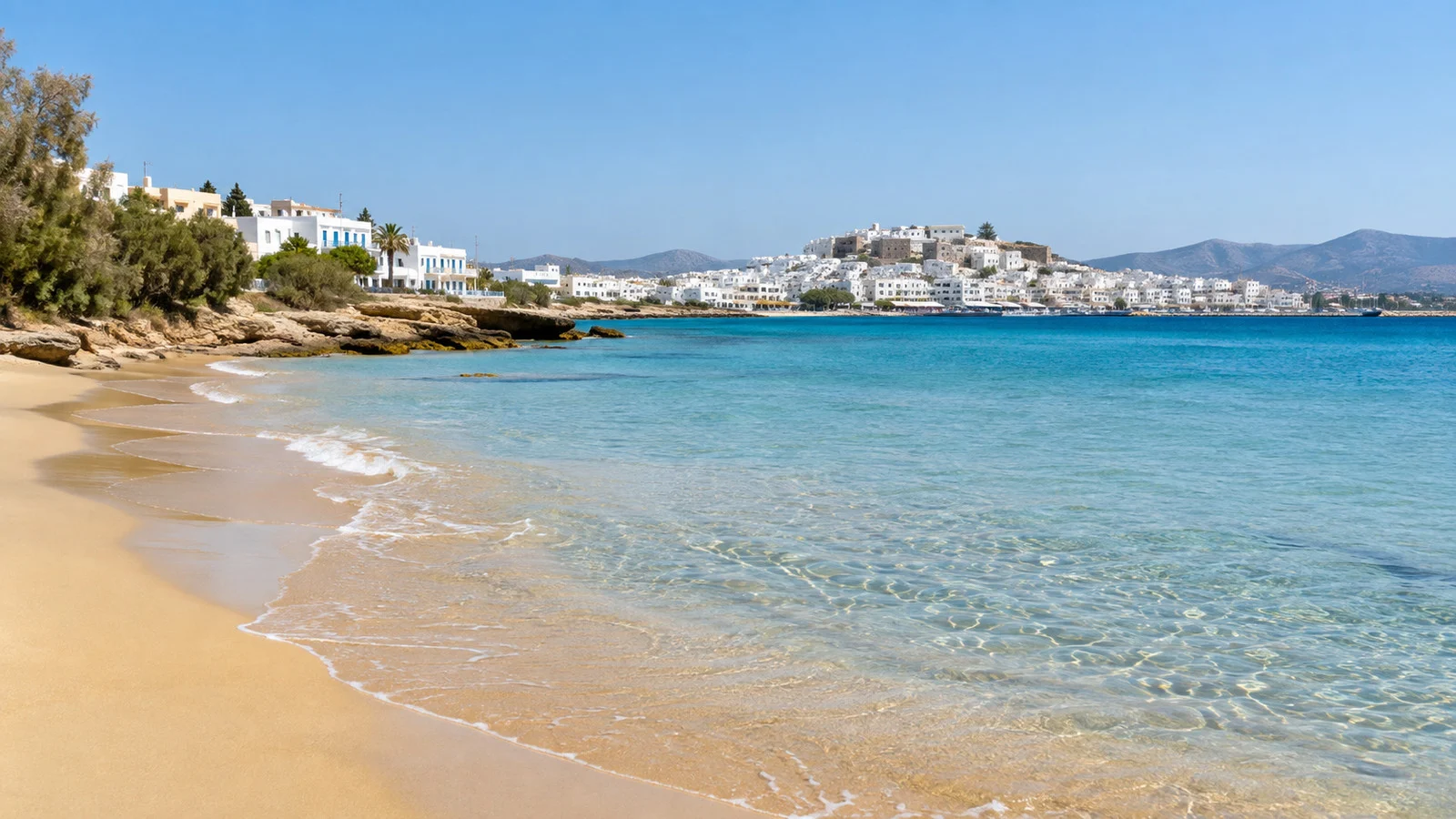
Agios Georgios is the easiest beach choice from central Chora and works well when you want sand without committing to a bus schedule. Its convenience also makes it busy in summer, especially when the wind favors water sports.
Leave valuables secured and keep track of time, because a relaxed swim can make the return walk feel shorter than it is. Choose a managed beach area if you want a chair, shade, changing facilities, or food close by.
Agios Prokopios, Agia Anna, and Plaka
The west-coast beaches south of town offer longer stretches of sand and clear water. Public buses and taxis make them realistic on a longer call, but traffic and crowding can affect the journey back.
Pick one beach rather than hopping between several. Confirm the current return bus stop when you arrive, and protect a second transportation option if the final tender is approaching.
Interior villages

Halki
Halki sits in the green Tragea valley and makes a gentle introduction to inland Naxos. Its neoclassical buildings, old lanes, cafés, and connection to the island’s citron tradition suit travelers who want culture without a strenuous hike.
A short village visit works best with a driver or a bus schedule that offers a comfortable return. Shop and tasting hours vary, so the village itself should be the reason for going rather than one promised store.
Apeiranthos
Apeiranthos is a mountain village known for marble-paved lanes, stone houses, and a strong local identity. The official Greek tourism site includes it among the traditional villages around Mount Zas.
The road journey is part of the experience, but it also consumes more shore time than a map suggests. Choose Apeiranthos as the main inland destination and resist adding distant beaches afterward.
Filoti and Mount Zas
Filoti is an appealing village below Mount Zas, the highest peak in the Cyclades. A village stop can fit a planned inland circuit, but a summit hike is generally a poor match for an ordinary cruise call.
Heat, route-finding, rough ground, and transport to the trailhead all add uncertainty. Save the full mountain experience for a land stay unless a properly timed guided excursion is offered.
What to eat and drink
Naxos is unusually fertile for a Cycladic island, and its food deserves as much attention as its beaches. The national tourism organization points to local potatoes, citron, cheeses, wine, and the produce of the island’s plains and valleys.
Look for graviera or arseniko cheese, Naxos potatoes, seasonal vegetables, lamb or goat, and a glass of local wine. Citron liqueur is a classic tasting, but check customs and cruise-line rules before carrying a bottle back aboard.
A restaurant with a harbor view is convenient, though the old-town lanes can reward you with a quieter table. Tell staff when you must leave for the tender and ask about preparation time before ordering a slow-cooked dish.
Wind, sun, and summer heat
The meltemi can bring strong northerly winds to the Cyclades in summer. It may cool the heat beautifully on land while making a tender transfer, exposed causeway, or beach day less comfortable.
Wear a hat that fastens securely, use reef-conscious sun protection, and carry water. Shade becomes scarce on archaeological sites and village lanes can feel hotter away from the breeze.
Check the Hellenic National Meteorological Service for official forecasts, then follow the ship’s operational updates. A general island forecast cannot tell you whether conditions beside your specific tender platform are safe.
Accessibility and mobility
Chora combines a relatively level waterfront with a steep historic core. Travelers using wheelchairs or walkers should distinguish between enjoying the promenade and attempting the stepped lanes of the Kastro.
Ask the cruise line in advance about accessible tender boarding, because equipment, vessel design, and sea state determine whether a transfer is possible. A safe decision may change during the day if wind increases.
A taxi-based outing can reduce walking, but older villages still include uneven paving and steps. Request exact drop-off information and an accessible vehicle early, rather than assuming one will be waiting at the port.
Three practical Naxos plans
A short or delayed call
Walk to the Portara while conditions are comfortable, then explore the old market and lower Kastro lanes. Finish with lunch near the harbor and stay close enough to respond quickly to a tender announcement.
This plan has almost no transport risk and still delivers the island’s strongest first impressions. It is also easy to reverse if crowds or wind make the causeway unpleasant.
A town and beach day
See the Portara first, then walk or ride to a beach that fits your available hours. Return to Chora early for food and a slow route back to the tender landing.
Do not leave the beach return until the last scheduled bus. Summer traffic and full vehicles can consume the buffer you thought you had.
An inland village day
Prearrange a driver or use a carefully checked bus for Halki, Filoti, or Apeiranthos. Choose one or two nearby stops, include a local lunch, and return directly to Chora before adding any harbor sights.
A private driver is worth considering if several people can share the cost. It gives you control over the return and makes short viewpoint stops easier than a rigid bus itinerary.
Common Naxos cruise questions
Will my ship dock or tender?
It depends on the ship and that day’s port plan. Check your cruise line’s program and listen for updates, because ferry traffic and wind can alter arrangements.
Can I walk to the Portara?
Yes, from the Chora waterfront it is an easy-to-follow local walk for most passengers. The final causeway is exposed, so turn back if waves, wind, or barriers make it unsafe.
Is the bus station near the port?
The main Chora bus departure area is close to the harbor, but stops and ticket procedures can change. Confirm the exact location and current schedule when you arrive.
Can I visit a village independently?
Yes, if the outbound and return transportation gives you a generous ship buffer. Summer service is usually broader, while shoulder-season schedules may make a taxi or tour more practical.
Is the tap water drinkable?
Water quality and local guidance can vary, so ask your ship or accommodation rather than relying on an old blanket claim. Bottled water is widely available, and carrying enough for heat is more important than debating the source.
What should I check that morning?
Confirm docking or tendering, the final boat time, wind forecast, bus schedule, and any attraction hours. If the call is shortened, prioritize Chora rather than trying to rescue a distant island itinerary.
The last word
Naxos makes a beautiful cruise call because its ancient landmark, living harbor, medieval lanes, beaches, and food all sit within reach. You do not need to conquer the island to feel its character.
Let the wind and the ship’s transfer plan define the edges of your day, then choose one experience beyond town only if the clock truly allows it. That balance leaves you with Naxos in your memory, not just a collection of hurried stops.
About the author: Ellie writes practical cruise port guides for travelers who want clear choices, realistic timing, and room to enjoy the place.
No firsthand visit is claimed. This guide was independently checked September 12, 2026, against current information from Naxos municipal tourism, the Greek National Tourism Organisation, Naxos KTEL, and the Hellenic National Meteorological Service.
Port details and operating conditions can change, so confirm transfers, transportation, and all-aboard time with your cruise line.