Gladstone Cruise Port: Berths, Walks and the Reef
Gladstone surprises people who expect nothing beyond cranes and cargo ships. The cruise arrival brings you beside a landscaped waterfront, while lookouts, gardens, maritime history, and one of Australia’s busiest harbors create a day with a strong sense of place.
The southern Great Barrier Reef lies offshore, but that does not make every reef island practical within a cruise call. Treat Gladstone as a rewarding harbor town first, then consider an island only when an operator’s full timetable fits your ship with a generous margin.
Gladstone cruise port quick facts
- Country: Australia
- State: Queensland
- Port: Port of Gladstone, a major industrial and commercial harbor
- Passenger area: East Shores waterfront precinct
- Dock or tender: Cruise calls are normally planned alongside, subject to berth and port operations
- Town access: East Shores and the marina are close after the controlled port exit
- Currency: Australian dollar
- Time zone: Australian Eastern Standard Time, UTC plus 10, with no daylight saving in Queensland
- Best local choices: East Shores, Auckland Hill, Tondoon Botanic Gardens, and the maritime museum
- Reef advice: Use a ship excursion or a cruise-compatible operator rather than forcing a fixed public transfer
My quick take
Build a relaxed day from East Shores, one inland attraction, and a harbor viewpoint. That combination suits a short call and lets the industrial landscape become part of the experience rather than scenery you rush past.
For a reef or island day, transport is the whole decision. Confirm the departure point, check-in requirement, sea time, return contingency, and what happens if the cruise ship changes its schedule before paying.
Where cruise ships dock
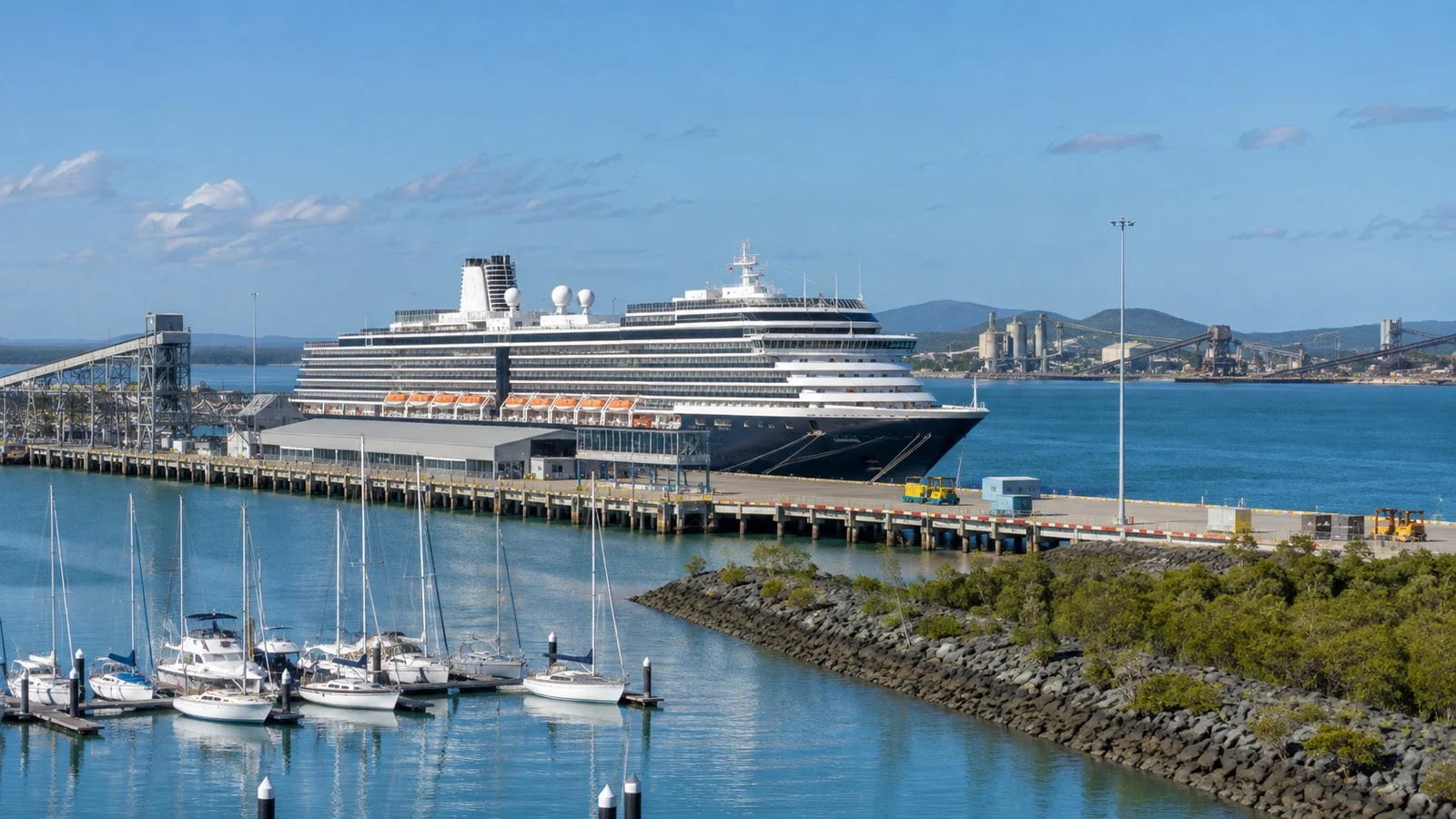
Cruise ships visiting Gladstone use a port-assigned berth within a working harbor managed by Gladstone Ports Corporation. Passenger movements are directed toward the East Shores precinct, but the exact gangway and controlled route can vary by call.
Gladstone handles coal, liquefied natural gas, alumina, aluminum, and other bulk cargo, so cruise traffic is only one piece of a much larger operation. Never step around a barrier or follow a map through an industrial area.
Alongside berthing removes the routine tender ride, yet weather, tide, pilotage, vessel traffic, and berth availability can still affect arrival. There is no responsible fixed missed-call percentage to use as a guarantee.
East Shores on arrival
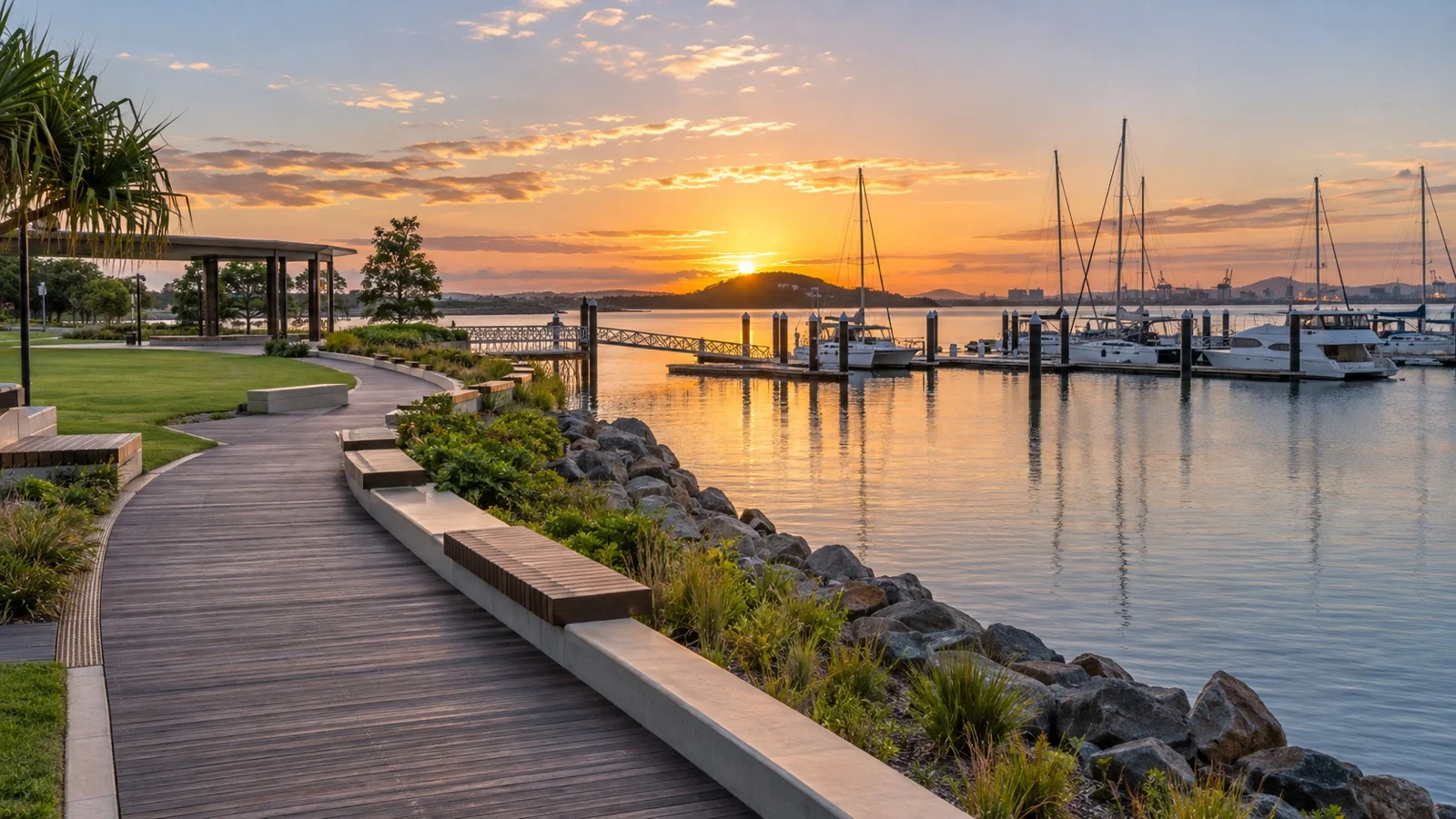
East Shores is a port-developed waterfront precinct with lawns, paths, play areas, public art, and harbor views. It gives passengers an easy place to orient themselves before choosing a shuttle, taxi, tour, or walk.
Cruise-day markets or visitor services may appear for selected calls, but they are not permanent fixtures. Check the local arrival information and listen to the ship rather than planning around an old event listing.
Getting around Gladstone
Walking
East Shores, the marina, and nearby waterfront are the most natural walking territory. Central Gladstone is reachable for many passengers, although heat, road crossings, and the authorized port route matter more than the map distance.
Construction on the Harbour Arbour connection between East Shores and the city center is scheduled through about mid-2027. Follow current signs and cruise-day directions because pedestrian and traffic routes may change.
Wear sun protection and carry water even for a short walk. Queensland humidity can make an easy-looking route tiring, especially after several air-conditioned sea days.
Cruise shuttles
A local shuttle may operate on a cruise day, but route, fare, and frequency can change. Ask where it stops, whether mobility devices are accepted, and when the final return departs.
Photograph the stop and timetable before walking away. A shuttle that loops through town may not return by the same street when temporary traffic controls are in place.
Taxis and rideshares
A taxi or rideshare is the simplest way to connect Tondoon Botanic Gardens, Auckland Hill, and the waterfront. Vehicle supply can tighten when many passengers leave at once, so arrange a return for any destination away from the center.
The pickup point may sit outside the secured wharf rather than beside the gangway. Give the driver the official passenger access location and your ship’s all-aboard time.
The Great Barrier Reef question
Gladstone is a gateway to the southern Great Barrier Reef, including coral cays and island resorts offshore. That geographic truth does not mean a standard reef boat waits beside every cruise ship.
Many island services are designed for resort guests, workers, or travelers staying overnight. Check-in, long sea passages, fixed returns, weather changes, and transfers to the departure marina can make an independent same-day trip a poor fit.
A ship excursion is the safest way to connect a reef experience to the vessel’s schedule. If the cruise line offers none, ask local operators directly whether they have a cruise-specific departure with a protected return.
Do not book an ordinary public transfer merely because its published arrival precedes all-aboard by a few minutes. The port gate, security, road transfer, and any marine delay all sit between the boat and your ship.
Reef care
The Great Barrier Reef is a living, protected ecosystem. Follow Great Barrier Reef Marine Park Authority guidance, use reef-conscious sun protection, never stand on coral, and take nothing from the water.
Wildlife encounters are never guaranteed, and sea conditions determine visibility. Choose an operator for its safety and environmental practices rather than a promise of a particular animal or perfect water.
Best things to do in Gladstone
Enjoy East Shores
East Shores is the easiest opening or closing chapter of the day. Walk the waterfront, watch harbor movements, enjoy the lawns and public spaces, and keep the ship’s return route in sight.
Families may appreciate the play areas, while less mobile travelers can enjoy the harbor without a long transfer. Shade can be limited at midday, so pace the walk around the temperature.
See the view from Auckland Hill
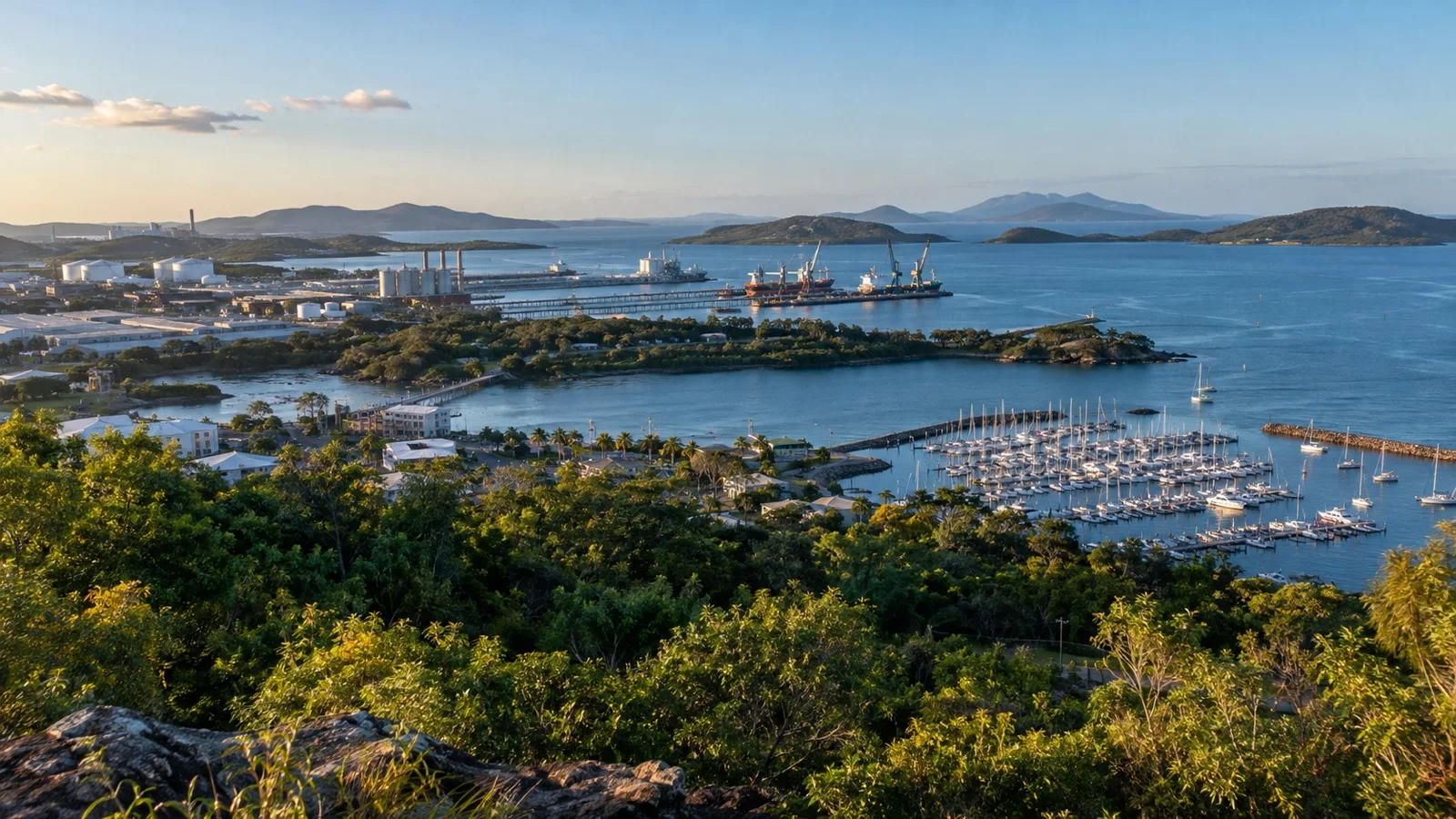
Auckland Hill overlooks the harbor and helps the port’s scale make sense. From above, cargo terminals, islands, channels, city streets, and green headlands form a far more interesting panorama than the industrial labels suggest.
Road and pedestrian access can change with local works, and the climb is not ideal in high heat. A taxi or organized tour can turn the lookout into a short, efficient stop.
Visit Tondoon Botanic Gardens
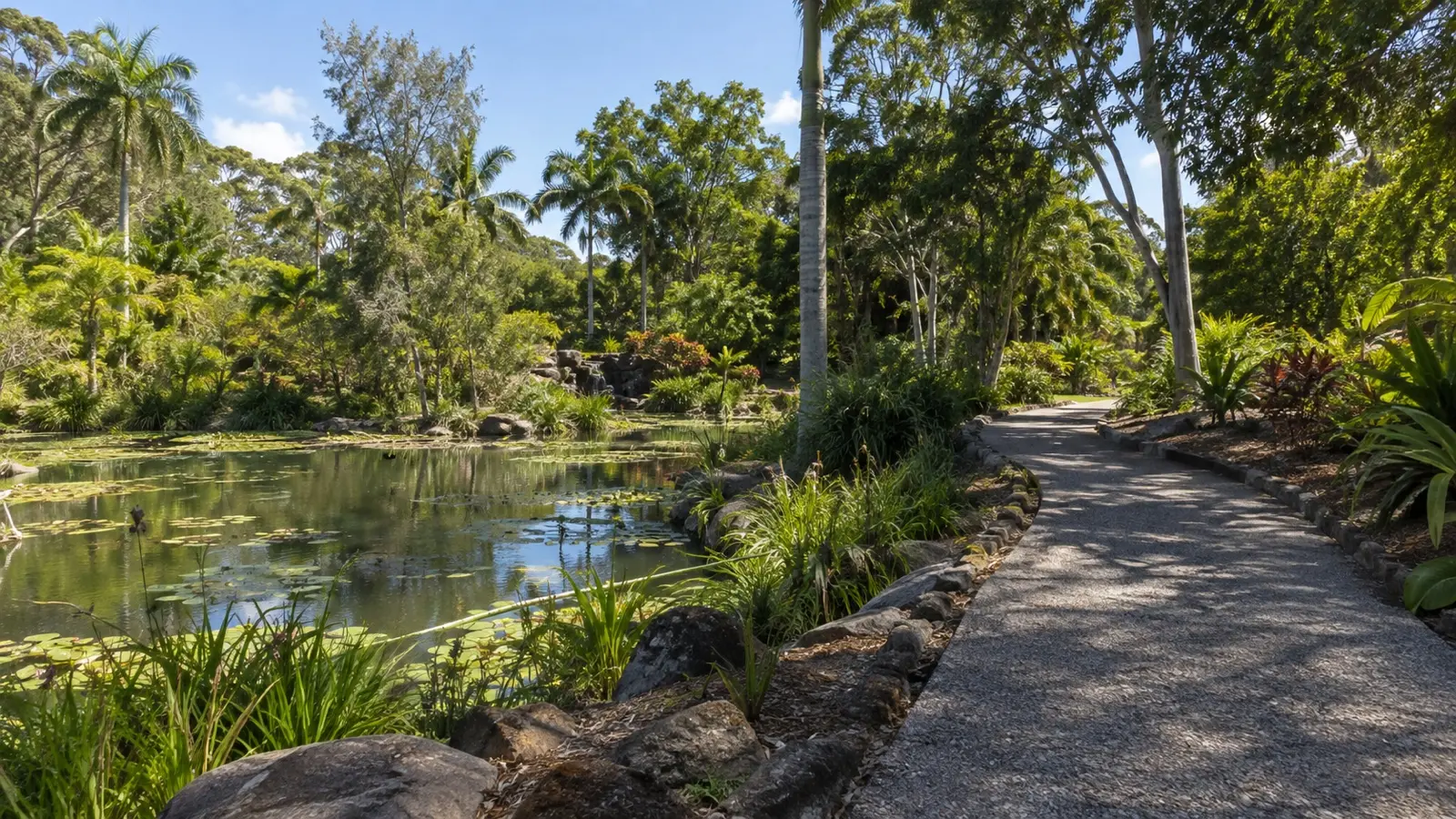
Tondoon Botanic Gardens protects native plant collections in a spacious landscape south of central Gladstone. Walking trails, water, birdlife, and shaded areas make it a calming contrast to the machinery of the harbor.
Check the Gladstone Regional Council page for current hours, closures, facilities, and event notices. The gardens are not close enough to leave your return transport to chance.
Choose a short trail that fits the weather and your footwear. In warm or wet conditions, insects and slippery surfaces can change the comfort of the visit.
Gladstone Maritime Museum and HMAS Gladstone
The maritime museum sits in the East Shores precinct and interprets local shipping through vessels, models, navigational equipment, shipwreck material, documents, and harbor stories. HMAS Gladstone, a former Royal Australian Navy patrol boat, is moored nearby as the collection’s most visible object.
The museum’s official site currently advertises weekend access to the ship, which means it may not match a weekday cruise call. Verify the museum and vessel separately because staffing, maintenance, and weather can affect boarding.
Access aboard a retired naval vessel includes narrow passages, steep steps, and confined spaces. Travelers with mobility concerns should ask what can be seen from shore and whether the landside displays are open.
Walk the marina and Spinnaker Park
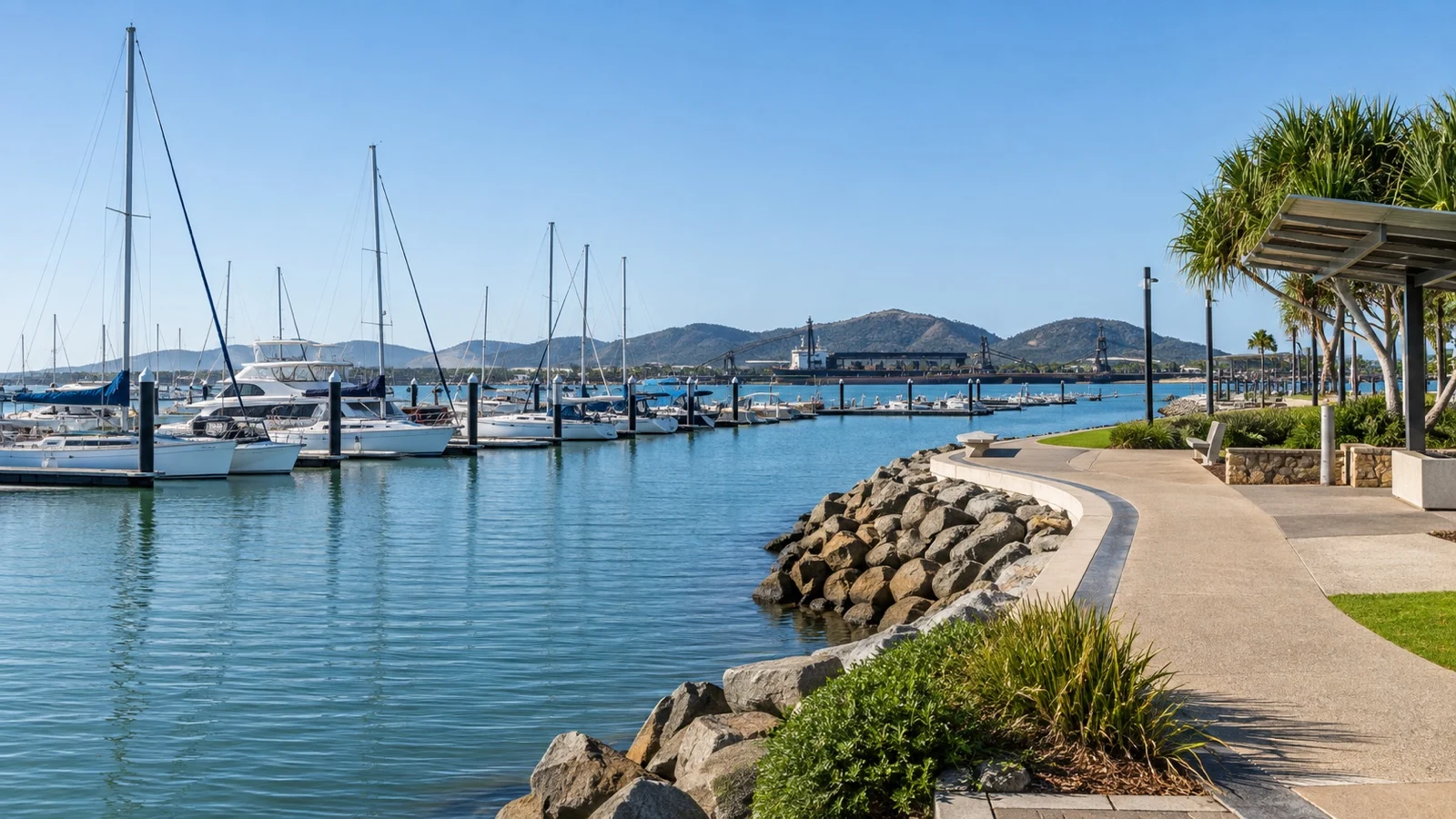
Gladstone Marina and nearby parkland extend the harbor experience beyond East Shores. These areas work well for a gentle walk, birdwatching, or simply watching vessels move through the channels.
Distances around the water can be deceptive because paths curve with the shoreline. Set a turnaround time and use a taxi if heat or fatigue makes the return uncomfortable.
Facing Island and Curtis Island
Facing Island and Curtis Island shelter parts of Gladstone Harbour and offer beaches, coastal scenery, and small communities. Ferry and barge services primarily serve residents, vehicles, workers, and longer-stay visitors rather than cruise sightseeing.
An independent visit is only sensible when the exact passenger service, departure point, and return all align with your call. Confirm whether advance booking is required and identify a backup return before leaving the mainland.
Do not assume a beach has lifeguards, shops, reliable mobile coverage, or a taxi waiting. Carry what you need, follow local swimming advice, and stay well inside the ship’s deadline.
Food and cruise-day atmosphere
Gladstone’s dining is spread between the marina, waterfront, and town rather than concentrated in one tourism strip. Seafood suits the setting, but local cafés, pubs, bakeries, and casual restaurants provide broader choices.
On some cruise days, Feast on East or another welcome event may bring market stalls and entertainment to the waterfront. Treat it as a welcome bonus and verify the call-specific program instead of assuming it appears every time.
Tell restaurant staff when you need to return to the ship and ask about preparation time. A relaxed meal is part of the pleasure only while the clock remains comfortable.
Weather, seasons, and marine conditions
Gladstone can be warm throughout the year, with summer bringing higher heat, humidity, storms, and the broader Queensland cyclone season. Winter days are often milder, though strong sun remains a factor.
Use the Australian Bureau of Meteorology for official forecasts and warnings. Marine weather matters even if your ship is alongside because island transfers, harbor tours, and exposed coastal plans depend on it.
Carry a breathable layer, sunscreen, a hat, water, and light rain protection. If a storm is developing, move to a shorter local plan and follow port or tour-operator instructions.
Accessibility
An alongside berth and the landscaped East Shores precinct make Gladstone easier than many tender ports, but the gangway gradient changes with tide. Request assistance through the cruise line before arrival.
Paths at East Shores are generally suited to a gentle outing, while hills, garden trails, and HMAS Gladstone require more care. Ask each venue for the exact accessible route and accessible bathroom location.
Accessible taxis may need advance booking and might meet outside the secure area. A vehicle loop through the lookout and gardens can provide a fuller day with less walking.
Three practical Gladstone plans
A relaxed waterfront day
Begin at East Shores, visit the maritime museum if it is open, and continue around the marina. Add lunch nearby and return to the ship without committing to transport beyond the harbor.
This is the most flexible plan for a short call, high heat, or uncertain weather. It also leaves room for any cruise-day market that appears.
A town and gardens day
Take a taxi or shuttle into town, continue to Tondoon Botanic Gardens, and arrange a return through Auckland Hill. Finish at East Shores only after you are safely back near the berth.
This plan balances nature with the industrial harbor story. Keep the garden walk modest so the heat does not drain the rest of the day.
An organized marine day
Choose a ship excursion or a confirmed cruise-compatible operator for reef, island, or harbor sightseeing. Carry sun protection and follow the operator’s instructions on boarding, wildlife, swimming, and return time.
Do not add a separate inland attraction afterward unless you return early. Marine schedules deserve the entire buffer.
Common Gladstone cruise questions
Do cruise ships dock or tender?
Gladstone cruise calls are normally planned alongside at a port-assigned berth. Final arrangements can change with vessel, berth, weather, and operational conditions.
Can I walk from the ship?
Passengers are directed from the berth toward East Shores through the authorized route. Whether walking farther into town suits you depends on heat, mobility, and the exit used that day.
Can I see the Great Barrier Reef independently?
Only if an operator offers a schedule built around your cruise call with a generous return margin. Ordinary island transfers are often a poor independent bet for same-day passengers.
Is the maritime museum always open on cruise days?
No, do not assume cruise arrival changes the normal schedule. The official site currently emphasizes weekend access, so check both the museum and HMAS Gladstone for your date.
Does Queensland use daylight saving time?
No, Queensland remains on Australian Eastern Standard Time throughout the year. Check your ship’s displayed time because previous and next ports may follow different seasonal clocks.
What should I confirm that morning?
Check the berth exit, shuttle, all-aboard time, attraction openings, temperature, and marine forecast. For any island plan, reconfirm both the outbound and return service before leaving the ship.
The last word
Gladstone earns its place on an itinerary by showing how a working Australian port, a green waterfront, and the southern reef landscape fit together. It is more interesting when you look at the industry instead of trying to pretend it is not there.
Keep the day local unless a reef operator has solved the timing for you. With one lookout, one garden or museum, and time beside the harbor, Gladstone becomes a pleasantly confident port call.
How this guide was researched: This guide was checked on September 12, 2026 against current Gladstone Ports Corporation, Gladstone Regional Council, Great Barrier Reef Marine Park Authority, Australian Bureau of Meteorology, and Gladstone Maritime Museum information. Berths, access routes, shuttles, attraction hours, marine transfers, and weather can change, so verify live details for your sailing.
About the author: Ellie writes practical cruise port guides for travelers who want clear choices, realistic timing, and room to enjoy the place.
Port details and operating conditions can change, so confirm your berth, transportation, and all-aboard time with your cruise line.