Rouen River Cruise Port: Normandy’s Walk-In Capital
Rouen is one of the Seine’s most satisfying river cruise calls because the old city begins close to the quay. You can step off the ship, cross toward the right bank, and spend the day among Gothic stone, half-timbered houses, market squares, and the places tied to Joan of Arc without committing to a long transfer.
The practical detail that shapes the call is the Seine itself. Rouen remains a tidal port, so water levels, navigation windows, and berth assignments can change the day’s timing even when the cathedral looks close enough to touch.
Quick Facts
- River: Seine
- Arrival: Gangway to an assigned quay, with rafting possible when several ships are in port
- Main sightseeing area: The historic center on the right bank
- Top landmarks: Rouen Cathedral, Gros Horloge, Place du Vieux Marché, and the Joan of Arc sites
- Currency: Euro
- Local transportation: Astuce buses, TEOR routes, metro, taxis, and walking
- Best simple plan: Walk the old city and choose one indoor attraction
- Main disruption risk: Tides, high or low water, fog, port traffic, and berth reassignment
- Planning priority: Confirm the exact quay and all-aboard time with the ship
Where River Ships Arrive
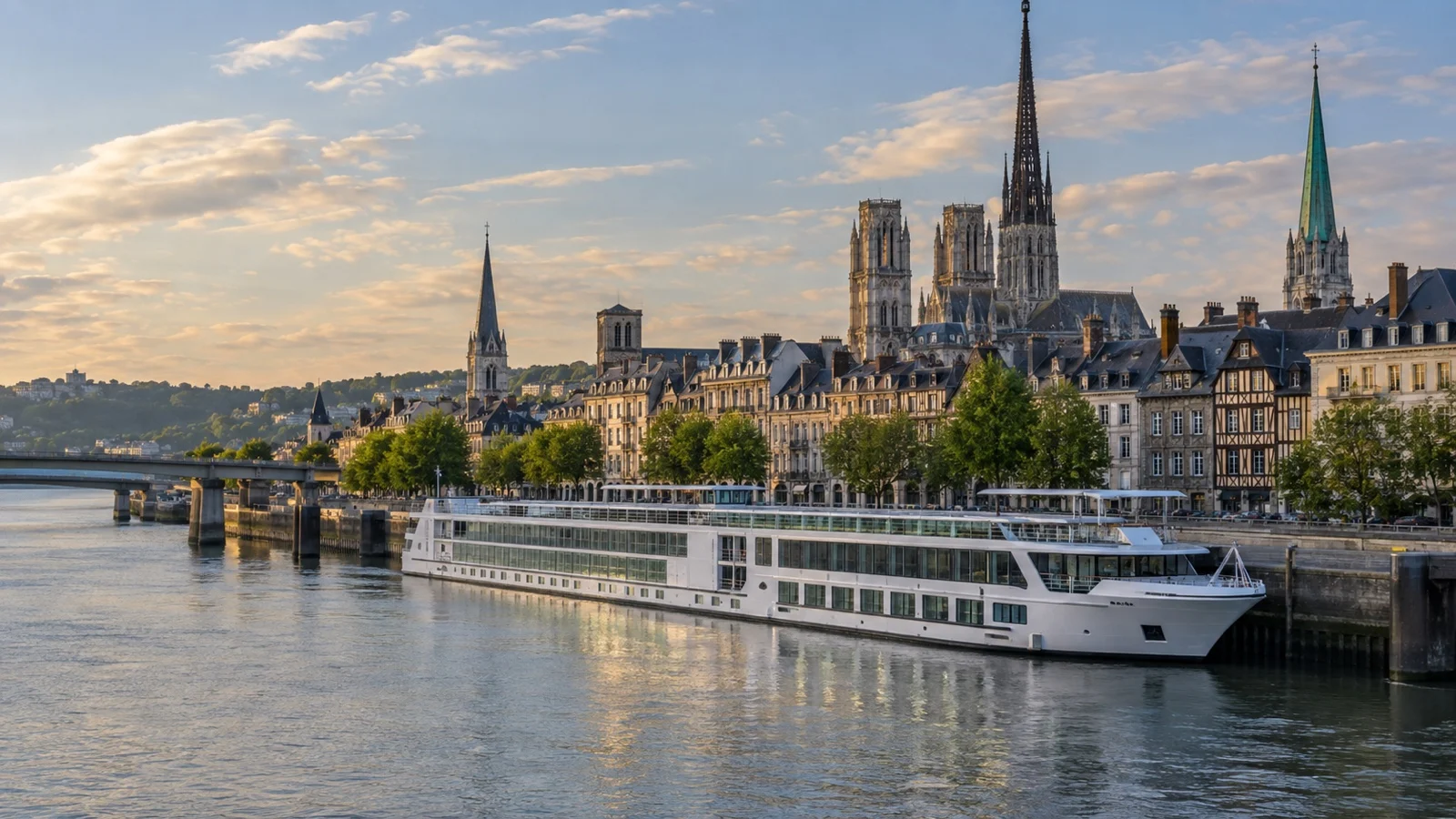
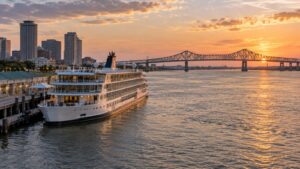
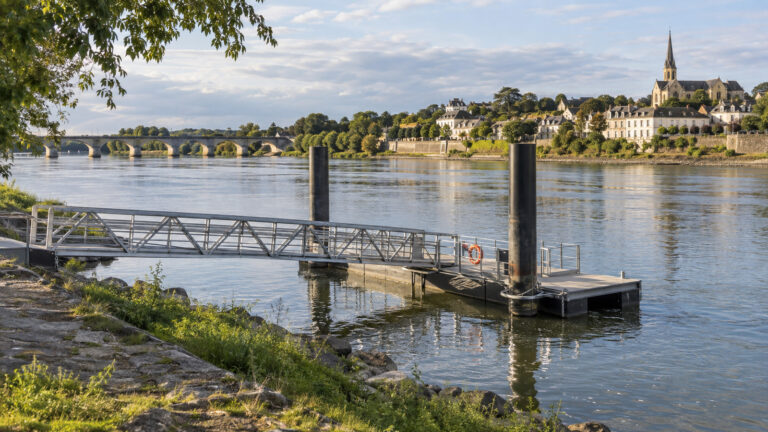
River ships use port-assigned berths along the Seine rather than one permanent passenger terminal. Central positions usually put the right-bank historic district within a practical walk, but your actual distance depends on the berth and gangway.
Ships may raft side by side on busy days, requiring passengers to cross another vessel to reach shore. That crossing can involve thresholds, steps, or a route through a lobby, so mobility needs should be discussed before arrival.
Save the ship’s local contact and the road-side quay entrance before leaving. A vessel can be visible across the water yet awkward to reach if you approach from the wrong bridge or bank.
Why the Tide Controls the Schedule
Rouen sits far enough inland to feel like a river city, but the Seine is still tidal here. HAROPA PORT publishes tide information as part of routine operations, and captains plan movements around water depth, current, traffic, and clearance.
This is why arrival or departure may happen at an hour that looks odd on a sightseeing itinerary. A timing printed months before sailing is useful for planning, but the ship’s notice is the one that matters on the day.
Ask reception for the latest all-aboard time every morning, especially after a schedule announcement. Build a comfortable buffer because the vessel may need to leave inside a navigation window rather than wait for an independent traveler.
Walking into the Historic Center
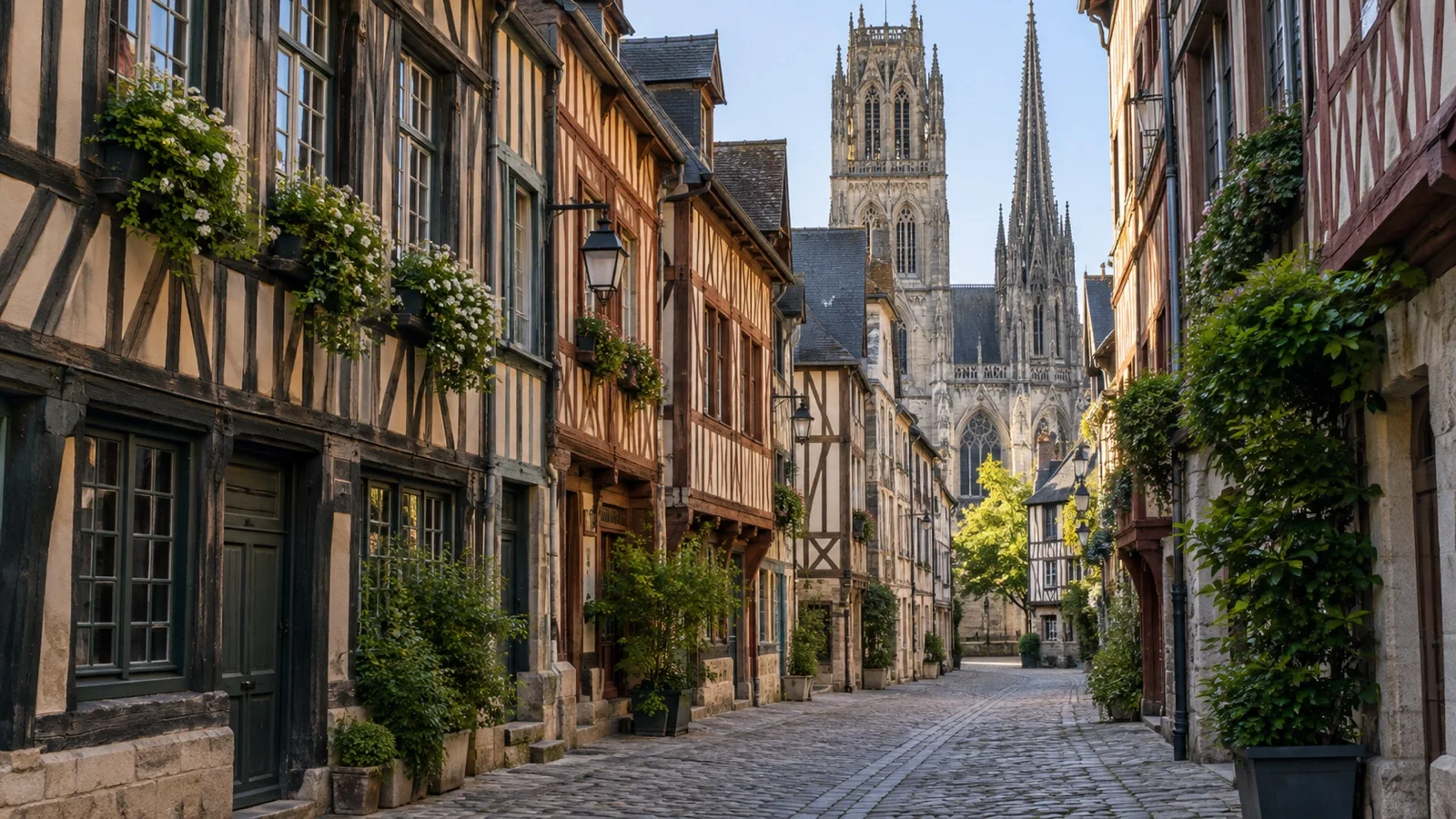
Rouen’s main sights form a compact old-city circuit on the right bank. Depending on the berth, most passengers can reach the cathedral area in roughly fifteen to twenty minutes, though construction and quay routing can alter the walk.
The center is generally flat, but historic paving is uneven. Wear shoes with grip, slow down on wet stones, and remember that a short map distance can feel longer with a rolling walker or manual wheelchair.
If walking is uncomfortable, ask about the nearest accessible pickup point for a taxi or local transit. Vehicles may not be able to stop directly beside the gangway because the quay is controlled.
Rouen Cathedral
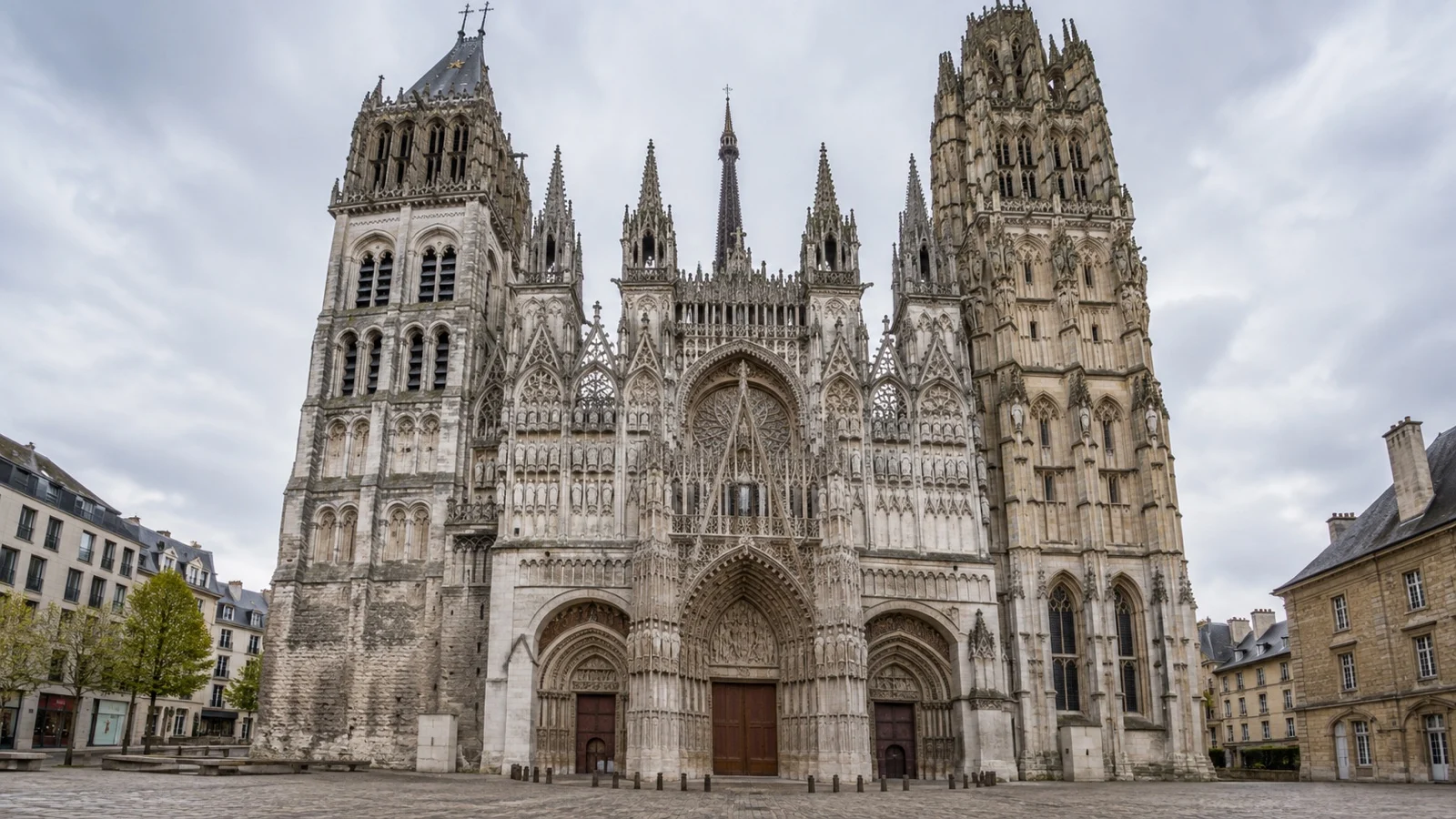
Notre Dame Cathedral is the natural first stop, both for its architecture and for the way it anchors Rouen’s story. The city records Gothic construction beginning in the twelfth century and a nineteenth-century cast-iron spire rising 151 meters, or about 495 feet.
Claude Monet painted a series of around thirty views of the western facade in the 1890s, watching light transform the same stone across different hours and seasons. Stand back in the square before going inside, because the facade makes more sense when you can see it as a whole.
The cathedral contains tombs associated with Normandy’s dukes, and Richard the Lionheart’s heart was placed here after his death. Services, ceremonies, maintenance, and seasonal schedules can limit tourist access, so check the City of Rouen’s current hours and enter quietly.
Gros Horloge and the Old Streets
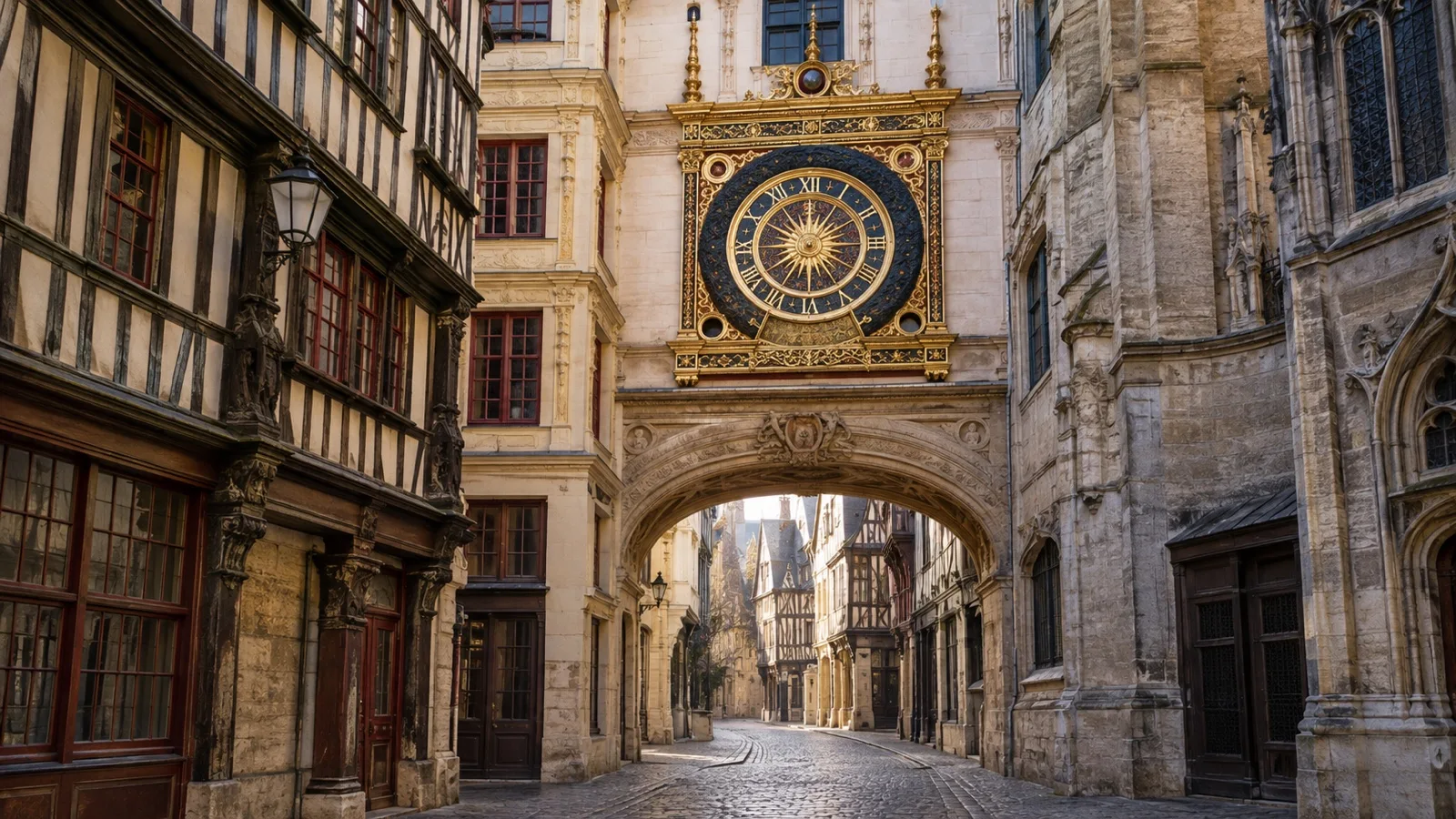
Rue du Gros Horloge connects the cathedral area with one of Rouen’s signature monuments. The astronomical clock spans the street in a richly decorated Renaissance structure, while a paid visit climbs through the monument for closer details and city views.
The climb is not suitable for everyone, and the monument publishes specific accessibility limits. Even without going inside, the street-level view and surrounding half-timbered facades make this an essential part of the walk.
Do not rush straight through the pedestrian streets. Rouen’s pleasure lies in carved beams, leaning upper floors, courtyards, bakeries, and small storefronts that reward looking above eye level.
Joan of Arc in Rouen
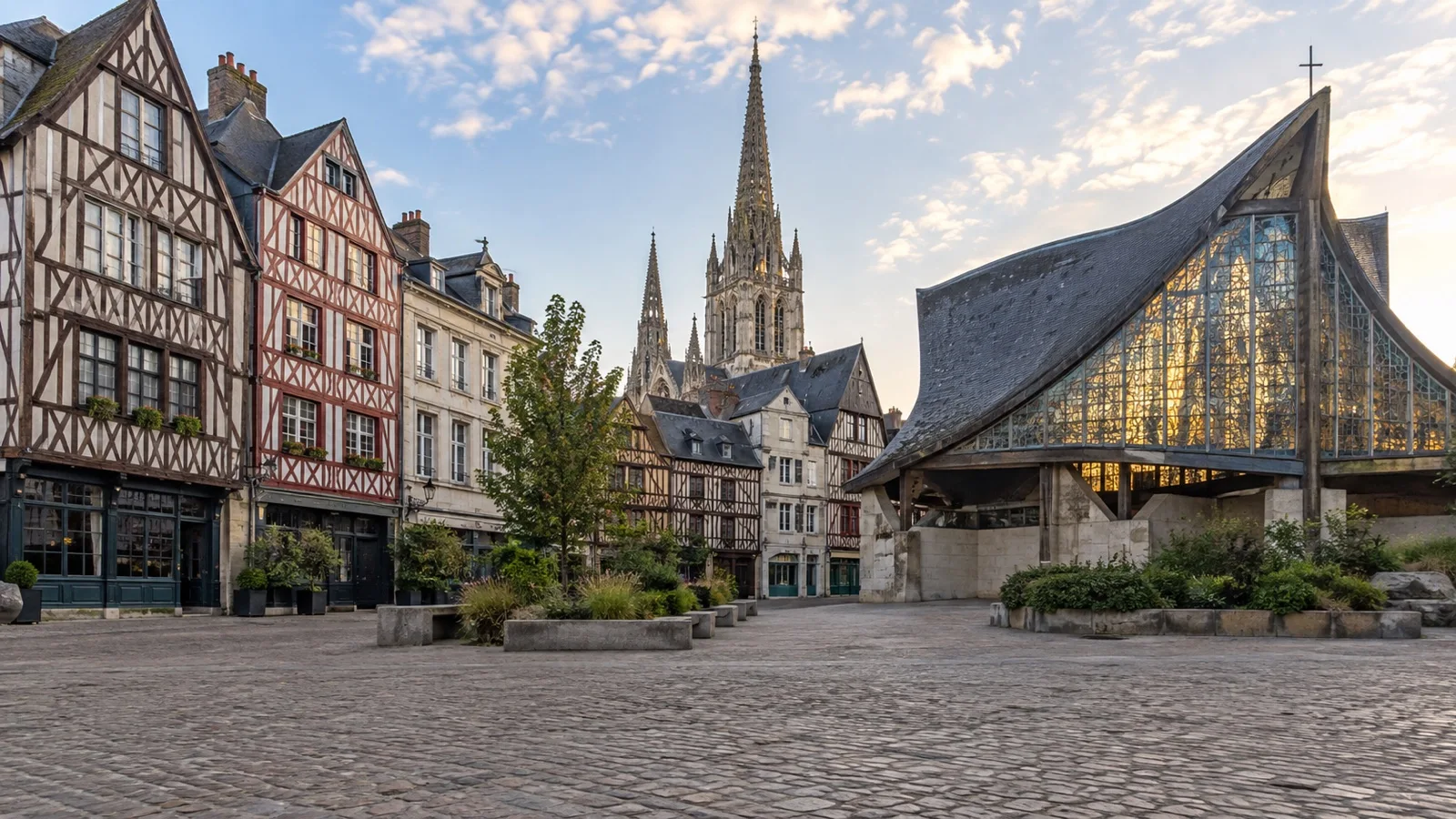
Joan of Arc was tried and executed in Rouen in 1431, and the city presents that history across several sites. Place du Vieux Marché marks the execution area, now surrounded by restaurants, market activity, and the modern Church of Saint Joan of Arc.
The church’s sweeping roof suggests an overturned boat and protects Renaissance stained glass rescued from the former Church of Saint Vincent. Its modern exterior can divide opinion, but the light inside makes the design worth seeing when the doors are open.
Beside the cathedral, the Historial Jeanne d’Arc uses the Archbishop’s Palace and a multimedia route to interpret the trial and later rehabilitation. Entry is usually organized by timed session, so check the official schedule before building a tight morning around it.
The Donjon de Rouen is the surviving tower of the medieval castle linked to Joan’s imprisonment. Experiences and access can change, making it another place to verify rather than assume.
Saint Maclou and the Aître
East of the cathedral, the Saint Maclou district brings together a flamboyant Gothic church and some of the city’s most atmospheric streets. Nearby Aître Saint Maclou was created as a plague cemetery, and its timber galleries carry carvings tied to death and burial.
The restored courtyard is fascinating even without a guided visit. Walk respectfully, look closely at the wooden details, and check the official monument site for current access or exhibition restrictions.
Museums and Rainy-Day Choices
Normandy weather makes one indoor backup more than a theoretical exercise. The Musée des Beaux Arts offers painting and sculpture within a manageable walk of the cathedral, while the Historial suits travelers who want a focused historical narrative.
Opening days and temporary closures differ among Rouen’s cultural sites. Pick one priority, verify it directly, and keep the rest of your day flexible enough to swap in a church, café, market, or covered museum.
Abbatiale Saint Ouen is large enough to be mistaken for the cathedral and is another striking interior when open. Its schedule can be limited by restoration, events, or religious use, so treat access as a bonus rather than the hinge of the day.
Should You Visit the D-Day Beaches from Rouen?
A D-Day excursion is possible from Rouen, but it becomes a long coach day with substantial road time. The landing beaches lie west of the city across a broad section of the Normandy coast, so a short port call leaves little room for delays.
If the cruise line offers the excursion, its protected return has real value. An independent trip requires careful calculation of traffic, site distances, pickup reliability, and the ship’s tidal departure window.
Some Seine itineraries schedule battlefield touring from a downstream call closer to the coast. Compare the full itinerary before using Rouen for the excursion, because this is the easiest day to experience a major Norman city on foot.
Food and a Sensible Lunch
Rouen is a good place to slow down over Norman flavors such as local cheeses, apples, cider, cream sauces, seafood, and pastries. Restaurants cluster around the old center, including Place du Vieux Marché, but the most visible terrace is not automatically the best meal.
Read the menu before sitting, ask about the pace of service, and tell staff if you have a firm return time. A bakery or market lunch can be the smarter choice when a timed attraction sits in the middle of the day.
Cards are widely useful, though a small amount of cash helps for minor purchases. Keep valuables secure in crowded pedestrian areas just as you would in any busy European center.
Accessibility
Rouen’s center is compact and mostly level, but the details can be demanding. Cobblestones, narrow sidewalks, historic thresholds, monument stairs, changing gangway slopes, and rafting all affect the route.
Ask the cruise line about the actual gangway and whether another vessel may sit between your ship and shore. A ship elevator does not make the full route step-free if the raft crossing uses stairs.
Check each attraction’s official accessibility guidance and save the accessible entrance location. A taxi loop or short local transfer can reduce fatigue while preserving time for the cathedral square and the old streets.
Weather and River Conditions
Rouen has a mild, changeable maritime climate, with rain possible throughout the year. Summer often brings comfortable sightseeing temperatures, while spring and fall can shift quickly between cool showers and bright sun.
Carry a light waterproof layer and shoes that stay secure on wet stone. In winter, shorter daylight and reduced attraction hours can matter as much as the temperature.
For flood risk, use France’s Vigicrues service and follow the ship’s operational updates. Public waterway information provides context, but the captain and port decide whether your specific vessel can move or berth safely.
Three Practical Port-Day Plans
The Classic Rouen Walk
Start at the cathedral, continue through the Saint Maclou district, and return by Gros Horloge to Place du Vieux Marché. Add lunch and one indoor site, then leave a comfortable walk back to the ship.
The History-Focused Day
Reserve the Historial Jeanne d’Arc, visit the execution square and church, then add the Donjon only if its current access and your timing align. Finish at the cathedral rather than trying to force a distant excursion into the same day.
The Low-Mobility Plan
Arrange a vehicle from the authorized pickup point, choose an accessible museum or cathedral visit, and use a café as a planned rest. Confirm the return vehicle before leaving the quay and avoid monuments whose main experience depends on stairs.
Final Take
Rouen is at its best when you resist the urge to leave it. The historic center is compact, layered, and close enough to the Seine that a cathedral, a medieval clock, Joan of Arc’s story, and a relaxed Norman lunch can fit without a motorcoach.
Keep one eye on the ship’s live timing because the river still sets the rules. With the quay, weather, and all-aboard time confirmed, Rouen becomes one of the most rewarding walks on a Seine itinerary.
How this guide was researched: No firsthand sailing, berth inspection, or attraction visit is claimed. This guide was independently checked September 12, 2026, against current information from HAROPA PORT, the City of Rouen, Rouen’s official tourism and monument services, and Vigicrues.
Reconfirm the quay, gangway, river conditions, transportation, attraction access, weather, accessibility, costs, and all-aboard time because live operations can change.