Amsterdam River Cruise Port: Why You Might Start in Zaandam
Amsterdam is an excellent river cruise gateway, but the word Amsterdam on an itinerary does not guarantee a berth beside Amsterdam Centraal. Ships use several quays around the IJ, and some departures or arrivals are assigned to Zaandam in the neighboring municipality of Zaanstad.
That distinction changes the transfer, hotel, and sightseeing plan, especially with luggage or a timed museum ticket. Confirm the actual vessel location before leaving home, then check again on embarkation day because berth assignments remain operational.
Ocean cruise passengers use a different system centered on the Passenger Terminal Amsterdam and other large-ship facilities. See our Amsterdam ocean cruise port guide if you are sailing on an oceangoing ship rather than a river vessel.
Quick Facts
- Waterway: Amsterdam’s river ships use quays around the IJ and connected harbor waters.
- Central possibilities: Westerdoksdijk, De Ruijterkade, and other quays near Amsterdam Centraal may be used, depending on the assignment.
- Alternate gateway: Zaandam is a separate city with rail connections to Amsterdam and access to the Zaan region.
- Airport: Amsterdam Airport Schiphol has a railway station below the terminal and frequent connections into the region.
- Currency and language: Euro and Dutch, with English widely used in visitor settings.
- Transit payment: Contactless cards and phones can be used for many train, tram, metro, and bus trips when correctly tapped in and out.
- Best buffer: Two nights before embarkation for travelers who want a major museum, a canal walk, and protection against flight delays.
Amsterdam Does Not Have One River Cruise Terminal
River ships are distributed among several landing stages rather than processed through one building. The official Cruise Port Amsterdam river portal manages berth information across Amsterdam and Zaanstad, including central and outlying locations.
A quay near Amsterdam Centraal can be walkable from the historic center, while an industrial harbor berth may require a transfer. A Zaandam assignment changes the city entirely, even though the cruise line may still market Amsterdam as the regional gateway.
Do not give a driver only the ship name because several similar vessels can be in the region at once. Send the berth name, street-side meeting point, vessel name, and cruise line in writing.
Ships can also raft alongside one another at a busy landing stage. Reaching shore may involve crossing neighboring vessels, extra gangways, thresholds, and sometimes stairs.
Central Amsterdam River Berths
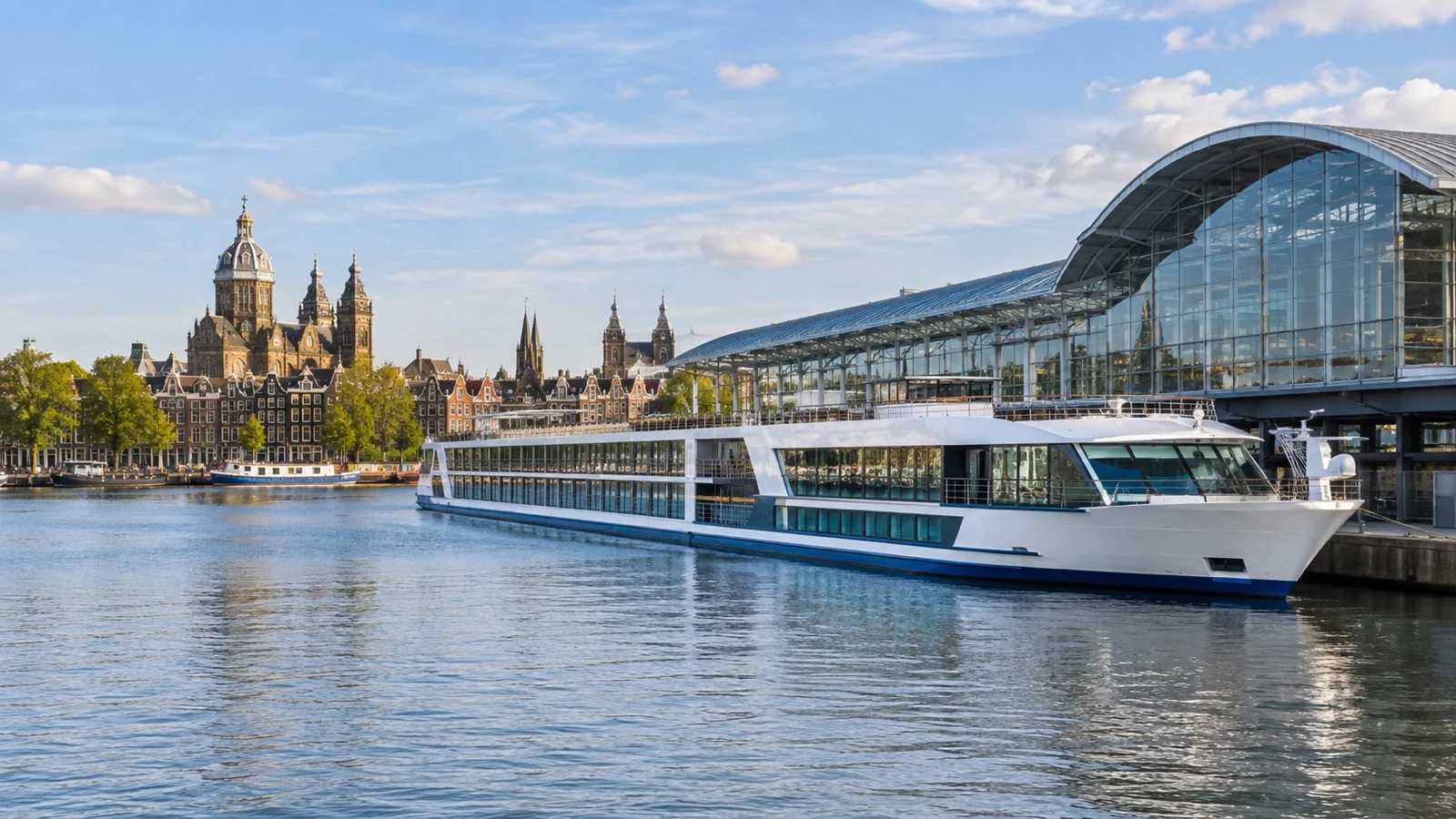
Some Amsterdam quays sit along De Ruijterkade or Westerdoksdijk near the back of Centraal Station. From a favorable berth, the station, ferries, and northern edge of the canal ring can be reached on foot.
Other assigned locations are farther from the tourist center than their Amsterdam label suggests. Road construction, bicycle traffic, barriers, and the exact gangway position can complicate even a short-looking route.
Walking with a rolling suitcase is especially awkward around bike lanes and crowded station approaches. If you are unfamiliar with the city, a taxi or prearranged transfer is often worth the cost on embarkation day.
Shore power and neighborhood operating rules can influence how central berths are used. These rules are port matters rather than a promise that every compliant ship will receive a central location.
Why Your Ship Might Start in Zaandam
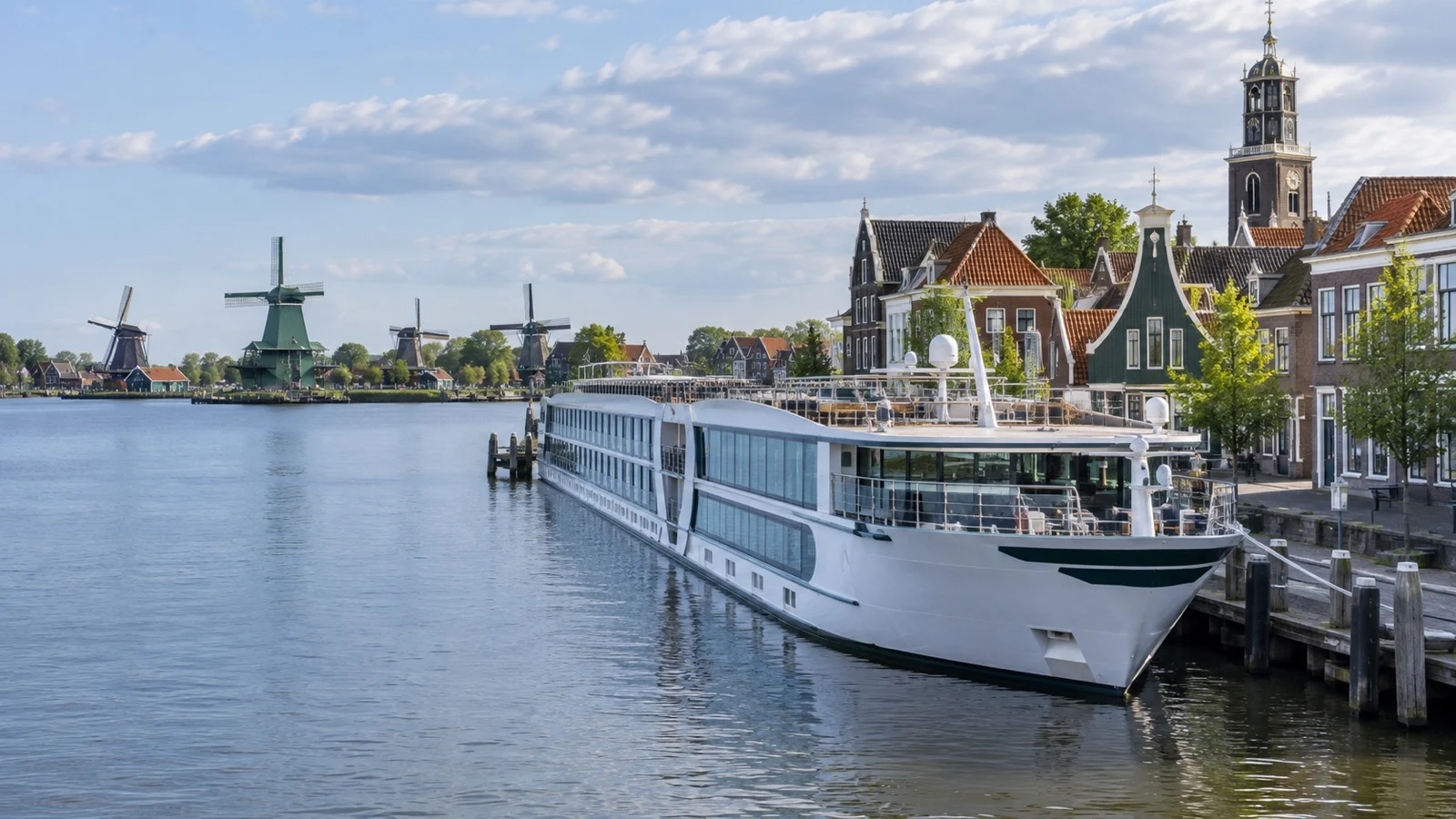
Zaandam stands northwest of central Amsterdam along the Zaan and is part of the wider river-cruise region. It offers its own landing stages and can absorb calls that do not use a central Amsterdam berth.
This is not the same as being stranded far from civilization. Zaandam has a rail station, hotels, shops, and a recognizable modern center, with trains connecting it to Amsterdam and other Dutch destinations.
The inconvenience is mostly logistical: an Amsterdam hotel or museum plan now needs an additional train or road transfer. Travelers with luggage, limited mobility, or a tight flight connection should arrange that segment before the day of sailing.
Keep the berth question separate from the hotel question. A pre-cruise night in Amsterdam may still be the best sightseeing choice even if the ship boards in Zaandam, provided you leave enough time for the transfer.
Schiphol Airport to the Ship
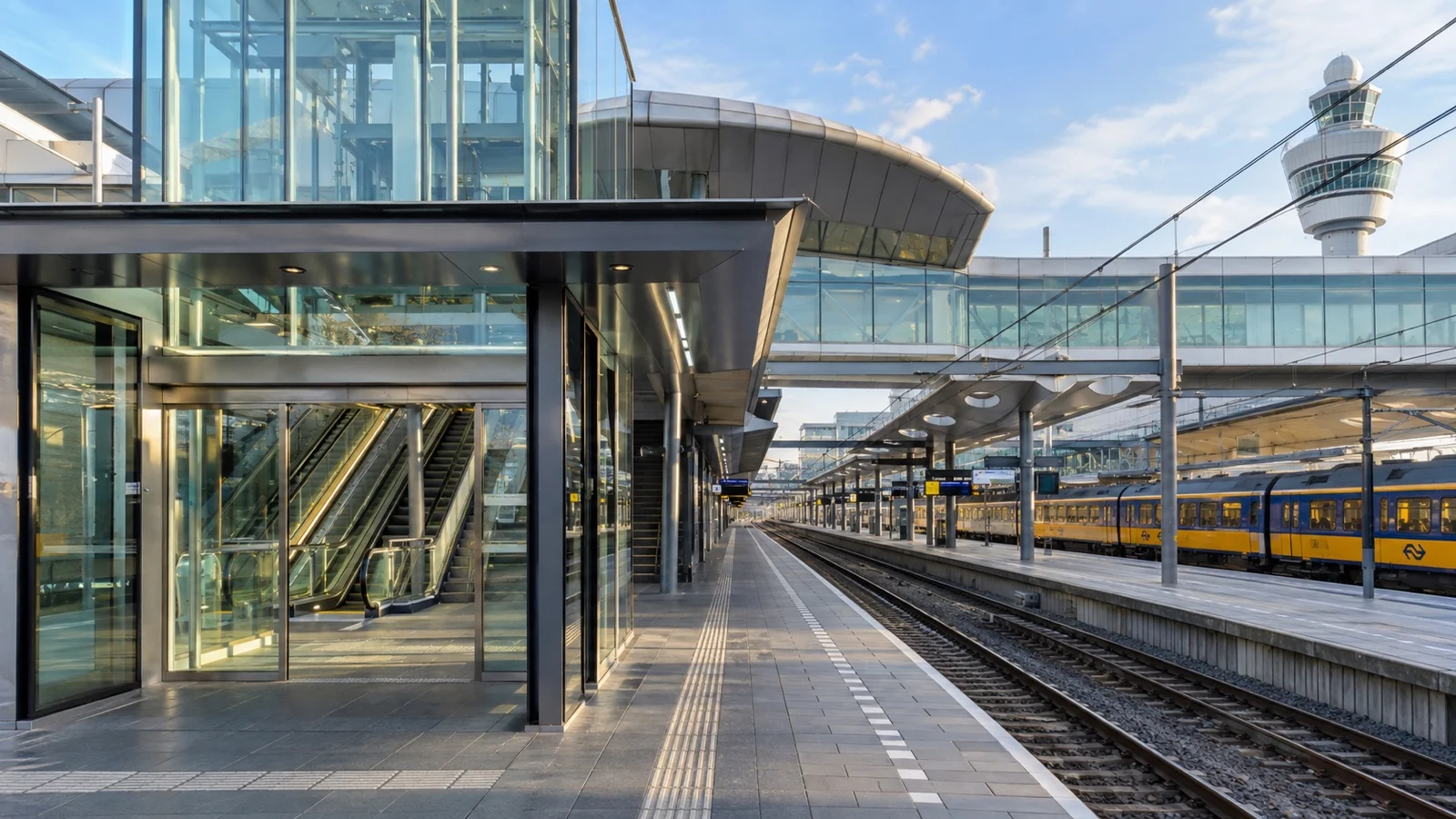
Schiphol’s railway station is directly below the airport terminal, and trains connect the airport with Amsterdam Centraal and other regional stations. The official Schiphol transport guide explains current rail, bus, ticket, and contactless-payment options.
For a central berth, rail to Amsterdam Centraal followed by a walk or short taxi can be efficient. For Zaandam or an outlying quay, the best route may involve a different train, a connection, or a taxi from another station.
A private airport transfer is simplest only when the driver has the correct berth. Send any last-minute location update promptly and carry the local contact number supplied by the cruise line.
Allow time for immigration, baggage, platform changes, and the walk through a large station. A scheduled train time is not the same as a door-to-gangway transfer time.
Using Amsterdam Public Transportation
Amsterdam’s trams, metros, buses, trains, and ferries form a useful network, but they are not all operated under one identical fare product. Choose a ticket or contactless method that covers the actual operator and region you plan to use.
The official I amsterdam transportation guide explains OVpay, which lets eligible travelers check in and out with a contactless bank card or phone. Use the same card or device at both ends, and remember to check out when changing where required.
GVB ferries across the IJ are free for pedestrians and cyclists, including the frequent link behind Centraal toward Buiksloterweg. These are local transit ferries, not tenders serving a river ship.
Zaandam sits outside the core Amsterdam municipal network, so a city-only product may not cover the entire journey. Verify zones and operators before relying on a pass purchased mainly for museums or central trams.
Walking and Cycling Awareness
Amsterdam is compact, but its street logic takes a little practice. Bicycle lanes can resemble sidewalks to visitors, trams approach quietly, and bridges create frequent changes in grade and paving.
Look both ways before crossing a bike lane and avoid stopping in it with luggage. Follow pedestrian signals, and do not assume cyclists will expect an uncertain last-second move.
Renting a bicycle is best for confident urban riders who understand local signals and parking rules. A short cruise stay is not the ideal moment to learn in the busiest part of the canal ring.
How Much Time Amsterdam Deserves
Amsterdam is too substantial to treat only as an airport transfer. One full day can support one major museum, a canal walk, and a relaxed meal, while two days allow a second timed attraction without constant clock-watching.
A pre-cruise stay is particularly valuable because it protects the ship departure from flight disruption. A post-cruise stay is easier emotionally, but it does not rescue an embarkation missed after a delayed inbound flight.
If only one night fits, stay near the transportation link you will actually use. Centraal is convenient for central quays and regional rail, while another neighborhood may be quieter and better for the museum district.
Museum Tickets to Book First
Amsterdam’s highest-demand museums use timed admission or limited ticket releases, so spontaneity can fail. Book through each institution’s official website and avoid third-party listings that obscure the entry conditions.
Anne Frank House
Anne Frank House tickets are sold for a specific date and entry time through the museum. The official ticket page explains the current release process, availability, pricing, and visitor conditions.
The museum occupies a historic canal house with physical constraints, so accessibility needs should be reviewed before purchase. Leave a generous margin after landing, since a berth delay does not move the ticket automatically.
Rijksmuseum
The Rijksmuseum presents Dutch art and history on a scale that can fill most of a day. Its official visit page provides current ticket, opening, accessibility, and collection information.
Travelers with limited time should choose a few galleries or a highlights route rather than attempting every floor. The museum sits at Museumplein, away from the central river quays, so include transportation time.
Van Gogh Museum
The Van Gogh Museum also uses timed tickets and can sell out. Confirm availability and visitor rules on the museum’s official site before building the rest of the day.
Rijksmuseum and Van Gogh Museum are neighbors, but scheduling both in one short afternoon can make each feel rushed. Pair one museum with a canal walk unless art is the only priority.
The Canal Ring Without a Tour
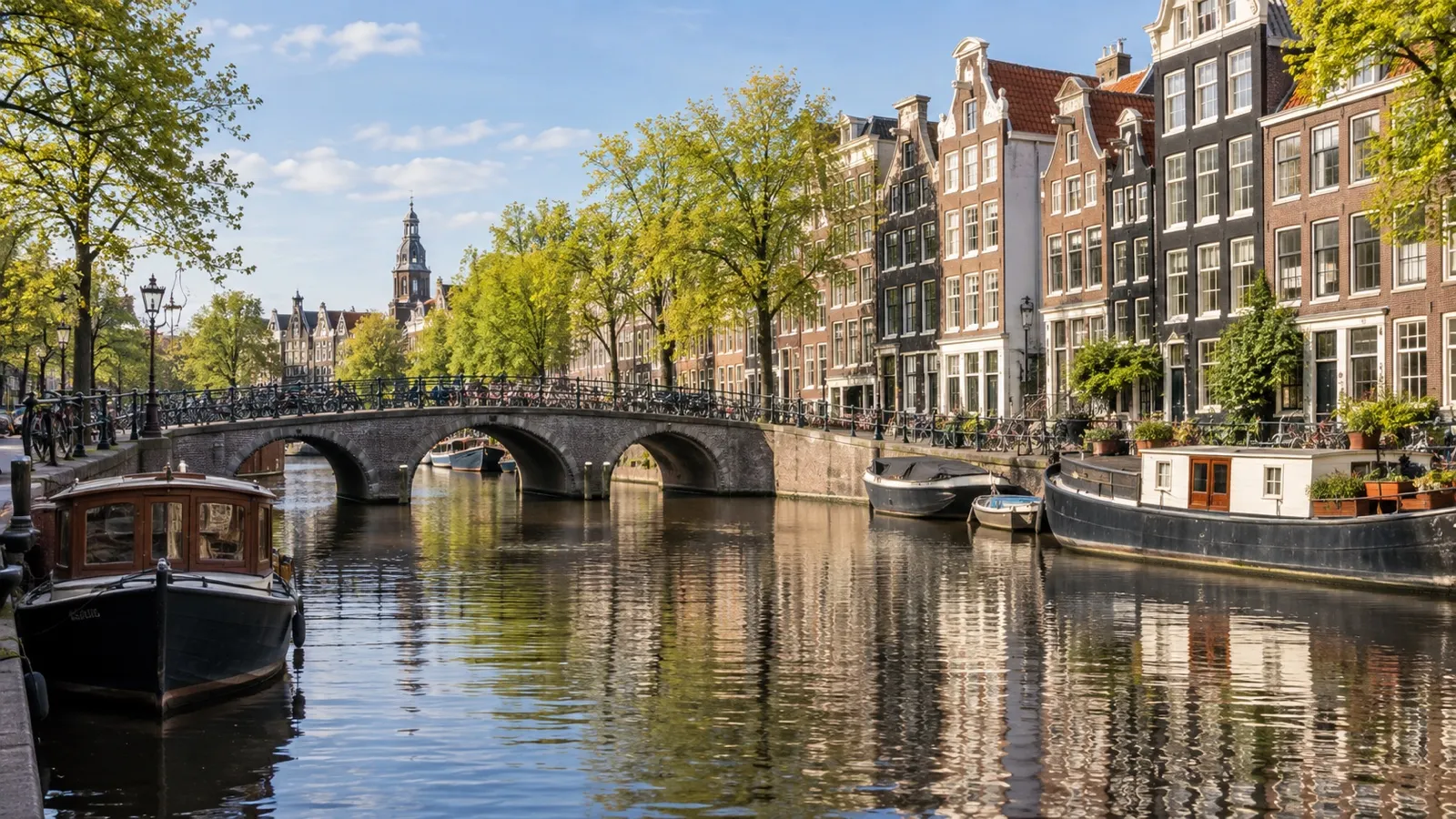
A simple walk from Centraal can follow the western canal ring toward the Jordaan, then loop through smaller streets and bridges. The pleasure is in the changing facades, houseboats, sightlines, and neighborhood rhythm rather than one mandatory viewpoint.
Canal boats provide a useful introduction when walking is limited or the weather turns wet. Departure locations and accessibility vary, so confirm whether a vessel has steps, enclosed seating, an accessible restroom, or space for a mobility device.
Avoid planning a canal tour too close to all aboard. Water traffic, locks, and loading delays can make an advertised duration less precise than a museum entry time.
Zaanse Schans from Zaandam
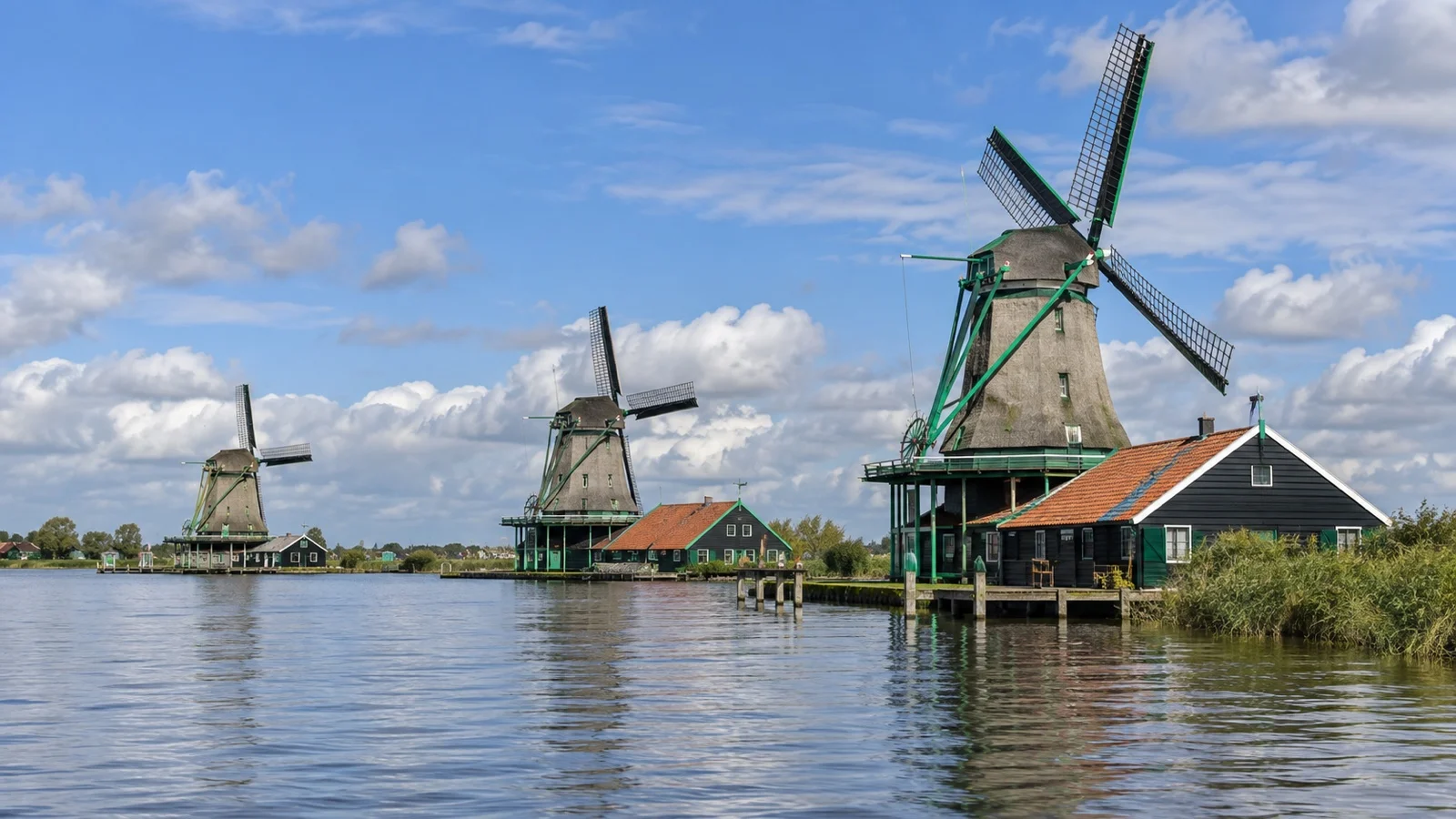
Zaanse Schans is an open-air heritage area north of Zaandam known for historic windmills, wooden buildings, workshops, and the industrial story of the Zaan. It is near the regional cruise gateway, but it is not the same place as a Zaandam berth.
Getting there still requires local transportation or an organized excursion. Check current opening details and transport options through the official Zaanse Schans website before treating it as an easy walk from the ship.
The site is most rewarding when operating windmills and demonstrations align with your visit, and those can vary by day or season. A rushed photo stop does not show the full industrial history, so choose it because the subject interests you.
Tulip Season and Keukenhof Itineraries
Spring cruises often combine Amsterdam with gardens, flower-growing regions, and smaller Dutch or Belgian ports. Bloom timing depends on weather, and the most famous garden operates only during a defined seasonal window.
Keukenhof is outside central Amsterdam and requires transportation. Use its official site for the year’s opening dates, tickets, and travel advice rather than assuming last season’s shuttle arrangement will repeat.
Flower-season demand also raises hotel prices and crowds trains, museums, and quays. Book the scarce items first, then leave enough flexibility for the final ship assignment.
Water Levels and Itinerary Changes
Amsterdam may look calm while a Rhine section far upstream creates the actual operational problem. Low water can restrict vessel draft, while high water can reduce bridge clearance or trigger navigation controls.
A line may move the embarkation point, transfer guests by coach, substitute a vessel, or adjust calls around a restricted reach. The regional berth can also change for reasons unrelated to river level, including quay capacity and port operations.
Monitor messages from the cruise line in the final week and keep a working mobile number on the reservation. Save the latest transfer instructions offline in case airport or station Wi-Fi is unreliable.
Accessibility and Luggage
Ask about the entire route from street to cabin, not only whether the ship has an elevator. Gangway angle, rafting through other ships, narrow thresholds, quay surfaces, and the location of an accessible vehicle all matter.
Dutch rail and Amsterdam transit publish accessibility information, but not every stop or vehicle has identical features. Request travel assistance when needed and allow extra time for elevators or an alternate platform route.
Large luggage is difficult on crowded trams and across bicycle lanes. A taxi or hotel transfer can be the more considerate and comfortable choice even when public transportation is technically possible.
Embarkation Day Strategy
Keep passports, medication, chargers, valuables, and one change of clothes in a small bag that stays with you. Cabins may not be ready when luggage is accepted, and a berth change can separate checked bags from their owners temporarily.
Do not schedule a nonrefundable museum entry close to boarding unless the ship location and transfer time are confirmed. Amsterdam’s attractions deserve a buffer day rather than the leftover hours of a travel day.
Photograph the gangway area and note the all-aboard time before walking away. Several similar-looking ships can be moored together, and the return path may look different after another vessel arrives.
Money, Connectivity, and Everyday Details
The Netherlands uses the euro and relies heavily on electronic payment. Cards and contactless devices are common, but a backup payment method is wise in case a foreign card or mobile wallet fails.
Public restrooms may require payment, even in busy visitor areas. Carry a small amount of cash while expecting many venues to prefer cards.
Free public Wi-Fi should not be the only way to receive a berth update. Download maps, tickets, and cruise documents before leaving the hotel or airport.
The Bottom Line
Amsterdam is a superb river cruise gateway once you stop treating the port name as a precise address. Confirm whether the ship is central, elsewhere in Amsterdam, or in Zaandam, then build the airport, hotel, and sightseeing plan around that fact.
Give the city enough time for one major museum and an unhurried canal experience, and reserve high-demand tickets through official sources. With the berth solved early, Amsterdam feels like the beginning of the vacation instead of a transfer puzzle.
Berths, transport routes, ticket rules, opening hours, and navigation conditions can change, so confirm current details with your cruise line and official local providers. See our Editorial Policy for how we research and update guides. Logistics and time-sensitive details were reviewed on September 13, 2026.