Mayotte (Mamoudzou) Cruise Port: Lagoon and Tender Guide
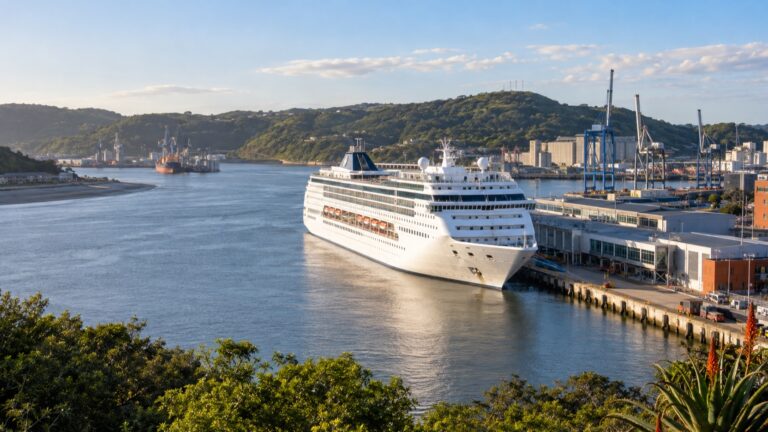
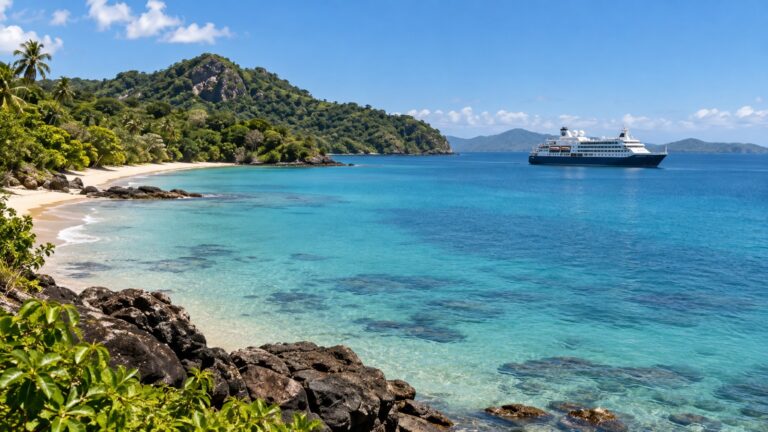
Mayotte is the kind of port where the arrival is part of the adventure. Cruise ships generally anchor in the lagoon or use a sailing-specific arrangement, then passengers reach Mamoudzou or another approved landing by tender rather than stepping onto a permanent cruise pier.
That makes the day exquisitely dependent on water, weather, landing capacity, and the ship’s own schedule. Plan one main experience, keep every transfer connected to the correct tender point, and return earlier than you would at a conventional dock.
Mayotte Cruise Port Quick Facts
- Country status: French overseas department and region
- Currency: Euro
- Main commercial center: Mamoudzou on Grande-Terre
- Airport location: Dzaoudzi-Pamandzi on Petite-Terre
- Typical cruise arrival: Tender or sailing-specific passenger landing
- Signature experience: Mayotte’s vast lagoon and marine life
- Public ferry role: Links Mamoudzou and Petite-Terre, but is not a protected cruise transfer
- Golden rule: Use the landing named in the ship’s current program
Mamoudzou and Dzaoudzi Are Not the Same Stop
Mamoudzou is the main urban and administrative center on Grande-Terre, while Dzaoudzi and Pamandzi sit on Petite-Terre beside the airport. The regular barge and passenger ferry connect the two sides, but they remain separate places with different road and attraction logic.
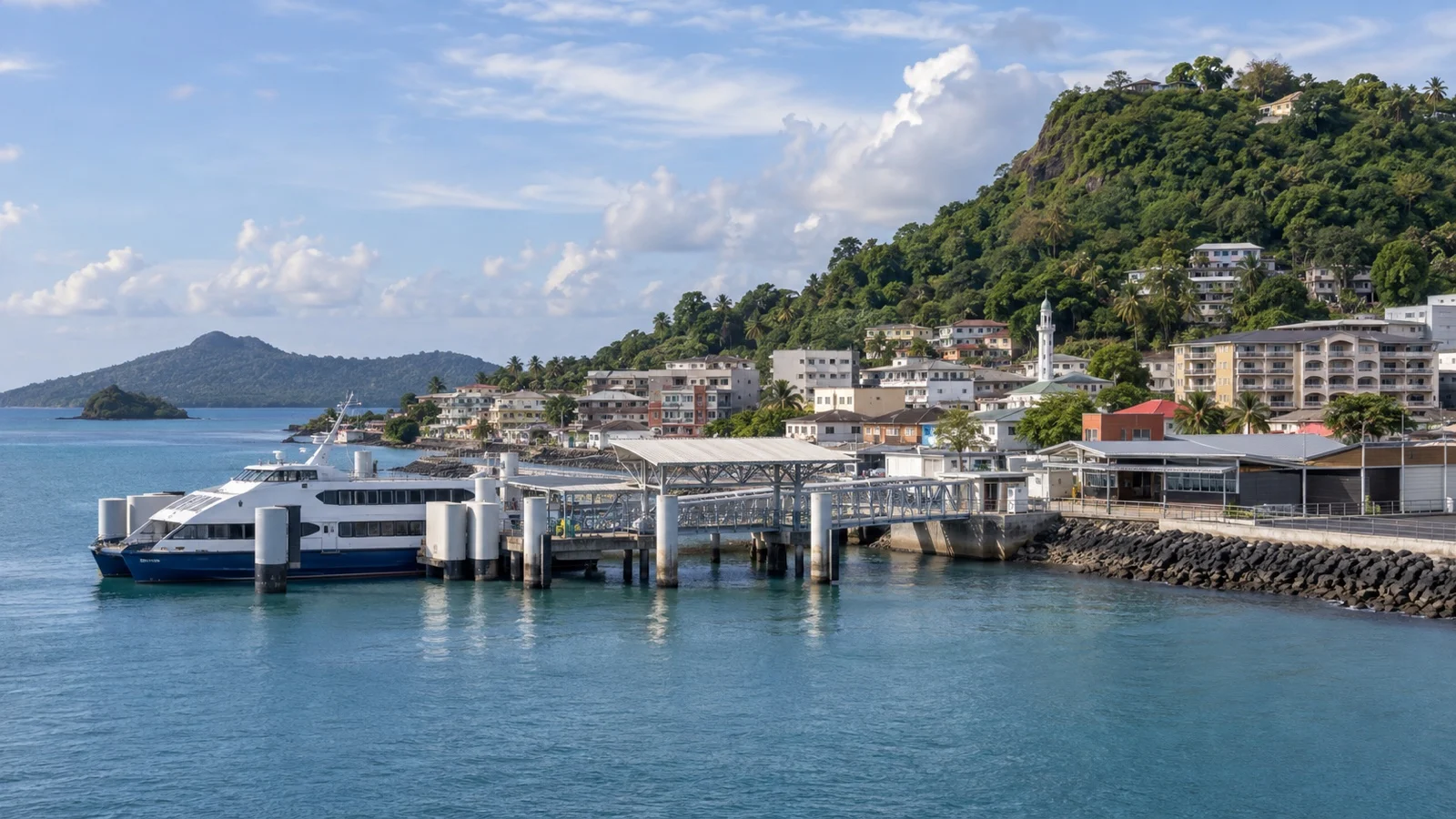
A cruise line may describe the call as Mamoudzou, Mayotte, or another destination label while using a temporary or operational landing. Save the exact tender pier and photograph the return entrance before leaving.
Do not book a driver who only understands airport pickup if your tender lands on Grande-Terre. Send the cruise document or coordinates to the operator and ask for written confirmation.
The Lagoon Controls the Day
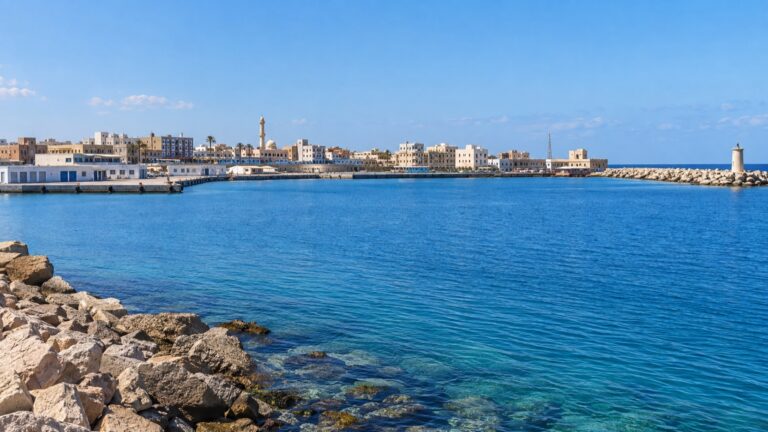
Mayotte’s lagoon is the star, protected by reefs and managed as a sensitive marine environment. Boat trips may offer islets, coral, turtles, dolphins, rays, or seasonal whale activity, but wildlife and conditions never follow a guaranteed timetable.
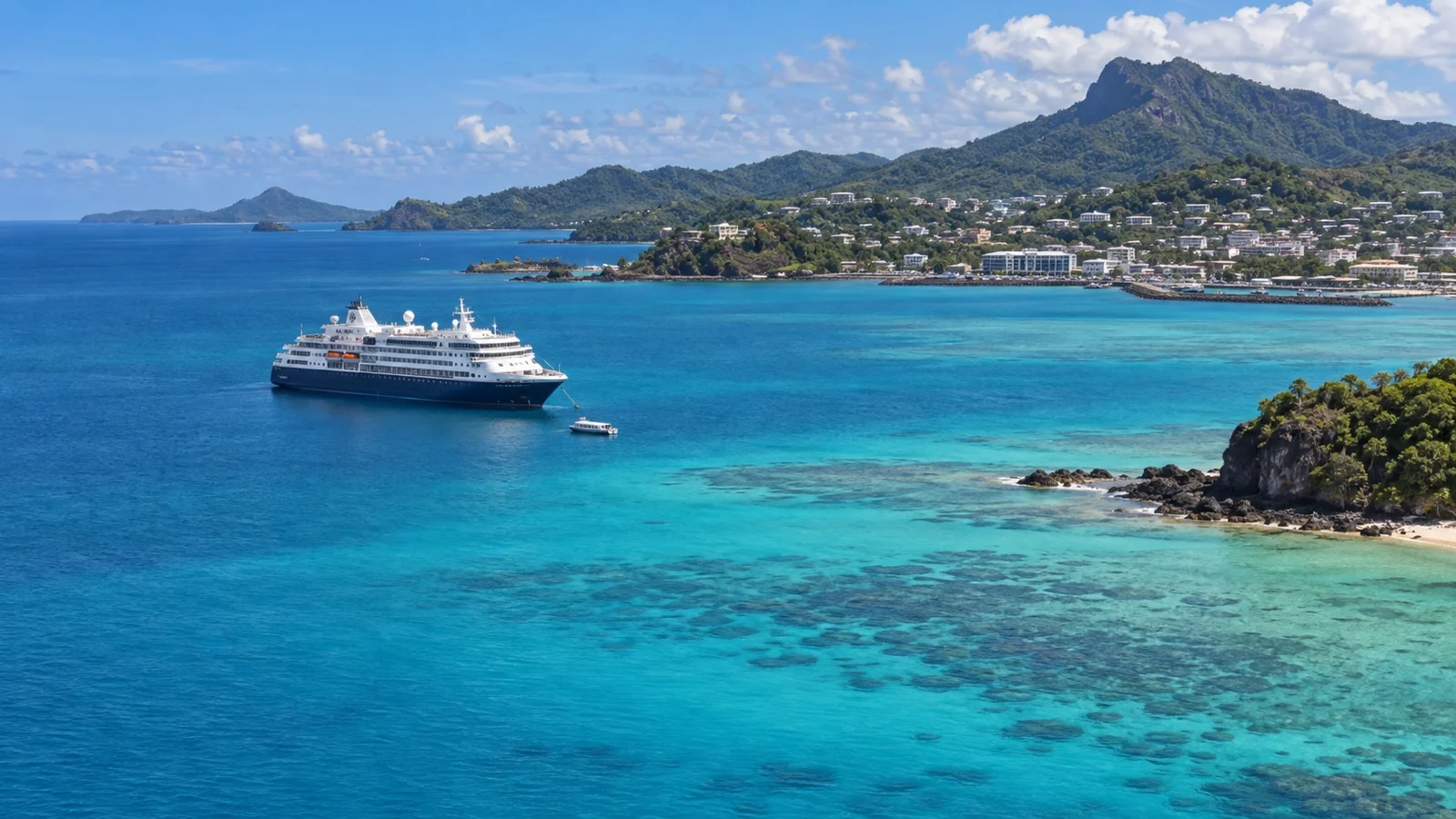
Choose an established operator that follows marine-park rules, carries required safety equipment, and explains how the itinerary changes with wind and sea state. Avoid any tour that encourages chasing, touching, feeding, or crowding wildlife.
A cruise tender and a lagoon excursion are separate boat operations, each with its own boarding and weather risks. Leave a wider return margin when your day involves one small craft connecting to another.
Snorkeling and Boat Access
Ask whether snorkeling begins from a beach, boat ladder, or deep-water entry. Current, visibility, equipment, flotation support, sun exposure, and the ability to climb back aboard determine whether the trip suits you.
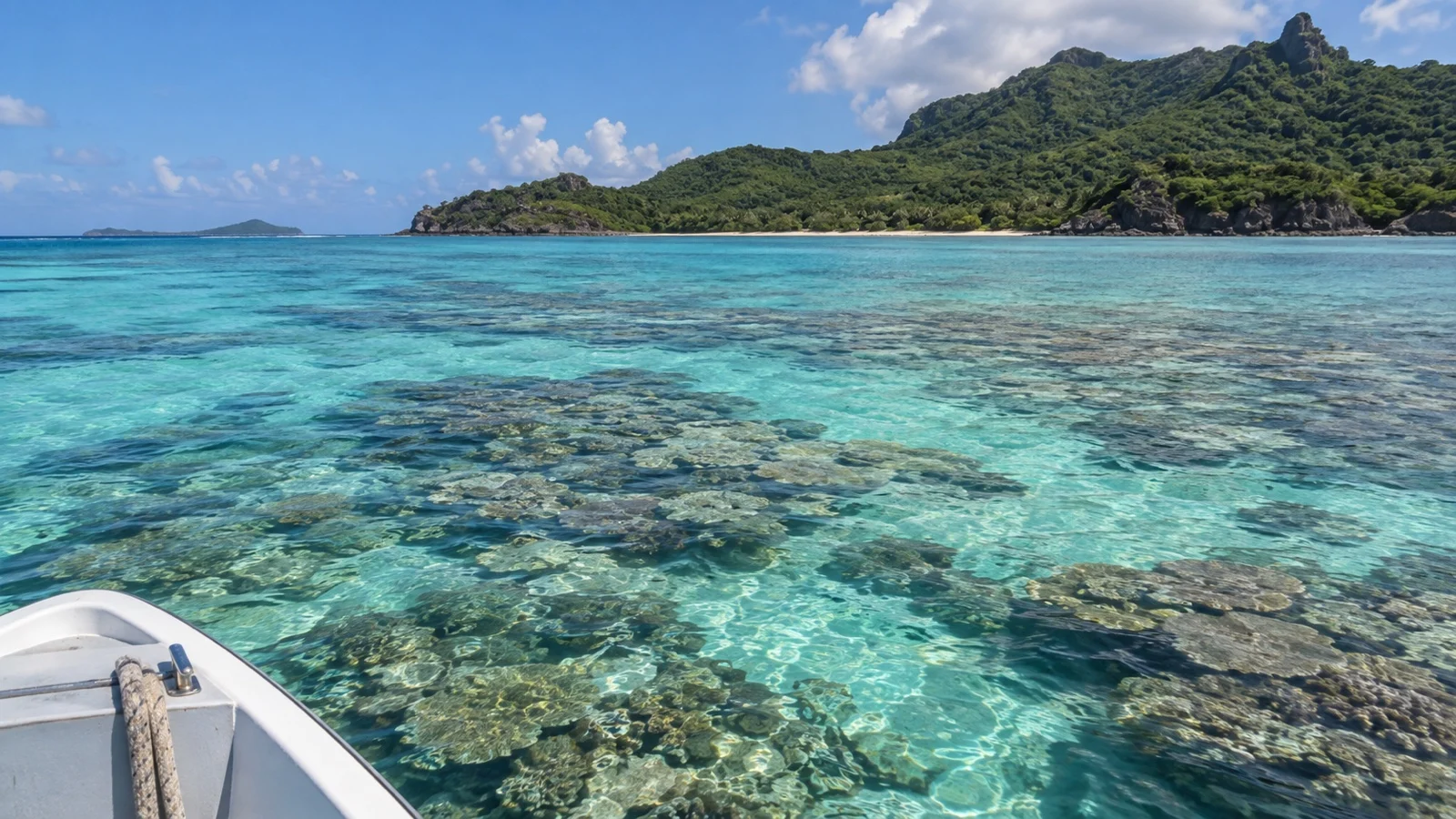
Use reef-conscious sun protection and physical barriers such as a rash guard where appropriate. Never stand on coral or collect shells and marine life from protected areas.
Mamoudzou for Markets and Daily Life
Mamoudzou offers the most direct look at contemporary Mayotte through streets, shops, waterfront activity, and the market. It is vivid and busy rather than staged for cruise tourism, which is exactly why a local guide adds value.
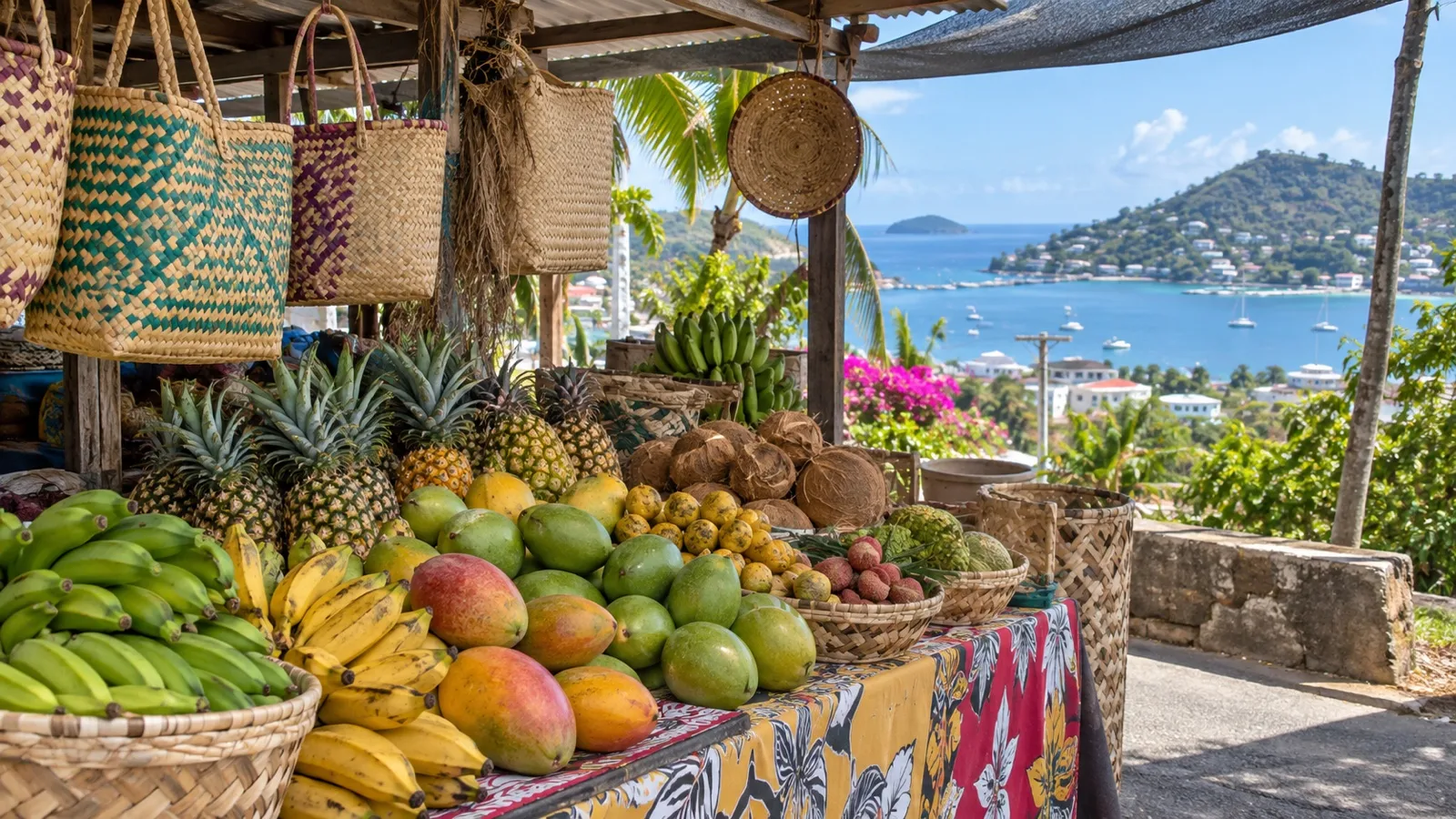
The market can be crowded, hot, noisy, and uneven underfoot. Keep valuables discreet, ask before photographing people, and agree on a meeting point if your group separates.
Dress with respect for Mayotte’s predominantly Muslim culture, especially away from beach settings. Lightweight coverage for shoulders and knees is useful, and religious observances can change business rhythms.
Petite-Terre as a Separate Itinerary
Petite-Terre offers the airport, Dzaoudzi, beaches, volcanic scenery, and Lac Dziani. It deserves a dedicated plan rather than being treated as a quick add-on after Mamoudzou.
Using the public ferry introduces queues, crossing time, and another road transfer before you even begin sightseeing. For a cruise call, choose Petite-Terre only when a reputable operator controls the complete round trip.
Lac Dziani’s striking color comes with exposed walking, heat, slopes, and limited shade. Confirm trail access and post-storm conditions before promising yourself a circuit.
N’Gouja Is Not a Quick Beach Transfer
N’Gouja lies in southern Grande-Terre and is famous for sand, lagoon water, turtles, and the chance to see makis nearby. Its distance from Mamoudzou and road conditions make it a full excursion, not a spontaneous taxi hop.
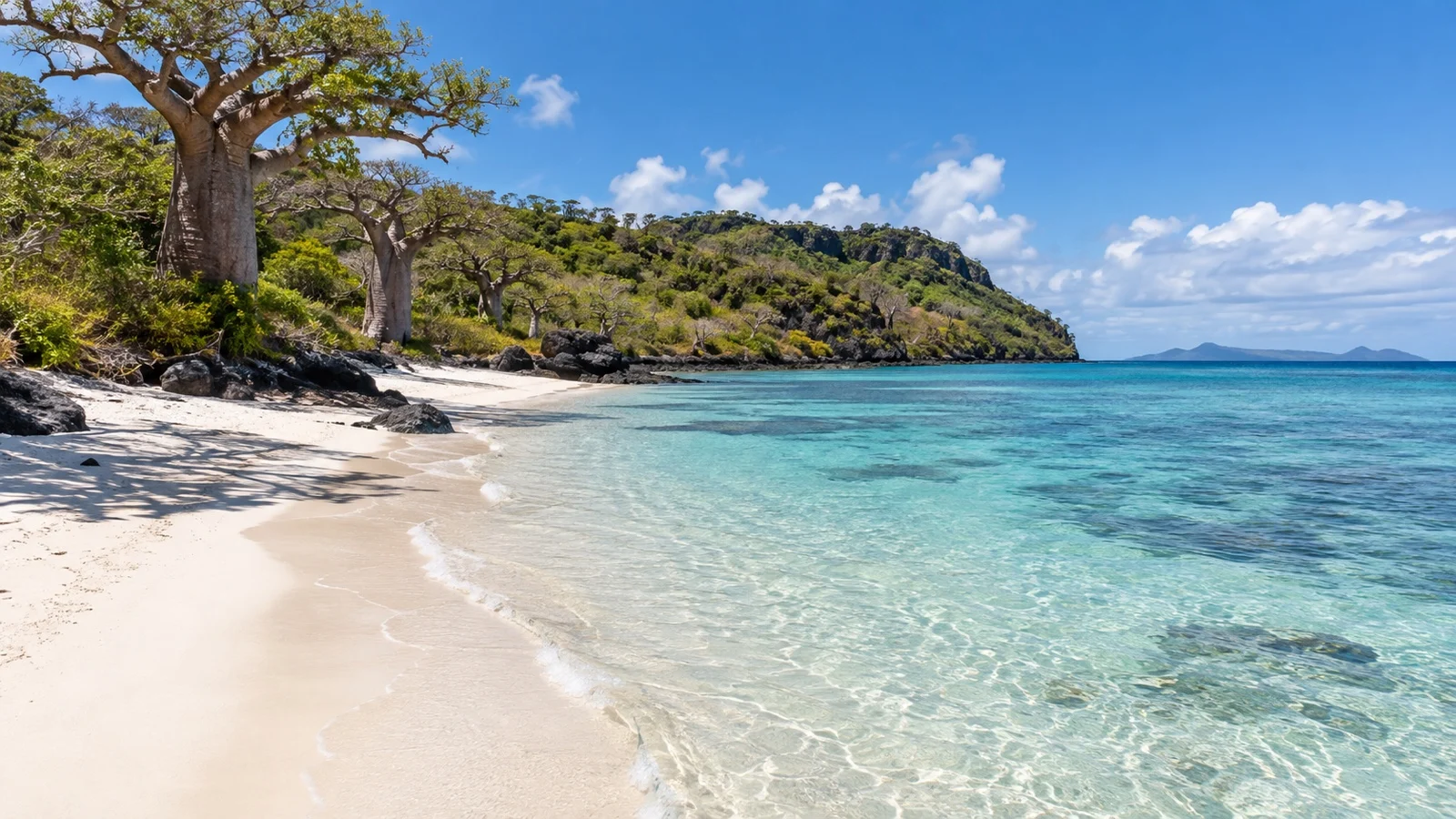
Wild turtles must be given space to swim, surface, feed, and leave. Do not touch, block, follow closely, or treat a sighting as guaranteed.
A distant beach day needs confirmed facilities, shade, food, restrooms, and a driver who waits or returns reliably. The road journey deserves a large cushion during recovery work, congestion, or heavy rain.
Three Realistic Mayotte Port Days
Lagoon First
Book one reputable marine excursion that meets at the ship’s approved landing and returns well before the final tender. Carry a waterproof pouch, sun and wind protection, water, and warm coverage for the ride back.
Capital and Culture
Stay on Grande-Terre for a guided Mamoudzou market and city introduction with a nearby meal. This is the best backup when marine weather is poor or your call is short.
Petite-Terre Nature
Use an operator who manages the ferry or boat connection, vehicle, Lac Dziani access, and return to the correct cruise landing. Do not stitch the itinerary together from unrelated public schedules.
Cyclone Recovery Changes the Calculation
Cyclone Chido caused catastrophic damage across Mayotte in December 2024, followed by further severe-weather pressure during recovery. Infrastructure, water, health services, roads, homes, and tourism businesses have required extensive rebuilding.
A port call can operate while an attraction, neighborhood, or road remains disrupted. Check the prefecture, tourism authority, cruise line, and operator close to arrival, and respond respectfully when local needs take priority.
Avoid disaster tourism and never photograph damaged homes or people without consent. Spend with locally owned operators and businesses that are ready to receive visitors.
Tendering and Accessibility
Tender access is the first and most important accessibility test. The transfer may involve steps, a moving platform, a gap between vessels, crew assistance, and a weight or size limit for mobility equipment.
Ask the cruise line whether your exact wheelchair or scooter can be accommodated under the expected sea conditions. Do not assume equipment can be lifted safely or that an accessible tender means the landing pier is step-free.
On shore, sidewalks, roads, ferries, high vehicles, sand, and storm-damaged surfaces create additional barriers. Request a door-to-door description from the tour operator, including toilets, shade, boarding height, and how the device will be secured.
A shipboard lagoon view or short panoramic transfer can still make a meaningful day when the tender or excursion is unsuitable. Accessibility is not improved by pretending a difficult transfer is easy.
Weather, Water, and Health
Mayotte has a tropical climate with heat, humidity, heavy rain, and cyclone risk during the warmer wet season. Tendering may be delayed or cancelled even when conditions on land appear calm.
Carry safe drinking water and follow current official advice because water-service conditions can change during recovery. Use insect protection and check government health guidance for vaccines, mosquito-borne illness, and medical limitations.
Medical resources have faced exceptional strain after severe storms. Travel insurance should cover evacuation and cruise disruption, and essential medication belongs in your day bag.
Entry, Currency, and Connectivity
Mayotte is part of France and uses the euro, but it is outside the Schengen Area and has territory-specific entry rules. A Schengen visa does not automatically grant entry, so verify requirements for your nationality and cruise arrival through official French channels.
Cards may work in established businesses, while small vendors and outages can make cash useful. Carry modest euro notes and avoid depending on a single payment method.
Mobile service is helpful but not reliable enough to protect a tender return. Save offline maps, screenshots, the ship contact, and the landing point before going ashore.
Transportation and Safety
Use a cruise excursion, established local operator, official taxi, or vehicle arranged through a trusted source. Confirm the driver, price, currency, pickup location, passenger count, and return deadline.
Traffic around Mamoudzou and the ferry can be unpredictable, while southern and rural roads take longer than distance suggests. A driver’s optimistic estimate should not replace your own early-return buffer.
Follow current government safety guidance, keep valuables discreet, and avoid walking unfamiliar routes simply because the ship appears visible across the water. Political events, demonstrations, or local restrictions can alter transport with little notice.
Mayotte Cruise Port Questions
Do cruise ships dock in Mamoudzou?
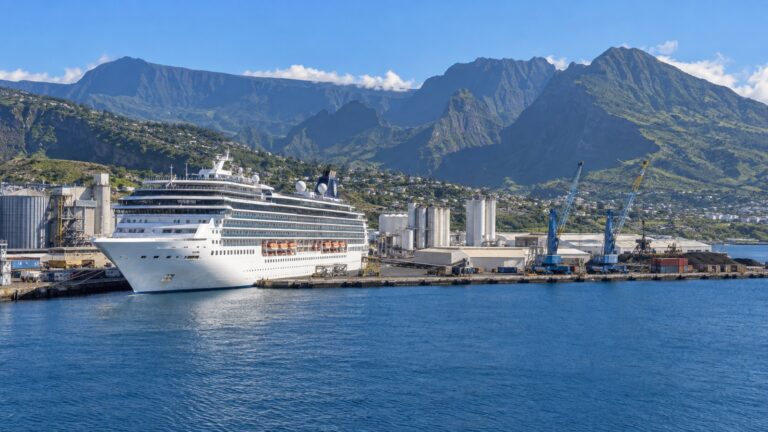
Cruise calls commonly involve tendering or another sailing-specific passenger landing rather than a conventional permanent cruise berth. Follow the ship’s daily program for the exact location.
Is Mayotte part of France?
Yes, Mayotte is a French overseas department and region and uses the euro. It is outside the Schengen Area, so separate entry rules may apply.
Can I visit N’Gouja Beach?
Yes, when road conditions, time, and a trusted round-trip operator support it. Treat the southern journey as the main excursion and never disturb turtles.
Is the public ferry part of every port day?
No. The ferry connects Grande-Terre and Petite-Terre, but whether you need it depends on the tender landing and chosen itinerary.
What if the tender is cancelled?
The captain may delay or cancel landing when sea, wind, port capacity, or safety requires it. Keep independent bookings flexible and enjoy shipboard lagoon views if no safe alternative exists.
My Final Take
Mayotte works best when the landing becomes the first fact, the lagoon becomes the one big experience, and the return plan remains deliberately conservative. Choose Mamoudzou culture, a responsible marine trip, or a fully managed Petite-Terre outing, but do not try to force all three into one tender call.
This guide was independently checked on September 11, 2026, using official information from Mayotte Tourism, the Mayotte prefecture, marine natural park, French entry and health authorities, local transport sources, and current cruise-line instructions. Reconfirm the landing, tender schedule, ferry, road and recovery conditions, marine rules, weather, entry requirements, accessibility, and final tender time before committing to nonrefundable arrangements because live operations can change.