Exmouth Cruise Port: Ningaloo Tenders, Reef and Range
Exmouth gives you one of Australia’s grandest combinations: Ningaloo Reef on one side of the peninsula and Cape Range on the other. It also gives you a tender operation, long regional roads, serious heat, and enough natural beauty to make overplanning feel briefly reasonable.
The day works when you confirm the landing first and choose one main direction second. I would keep a town plan ready until the first passengers are safely ashore because Exmouth is too remote for a heroic recovery after a late start.
Quick Facts
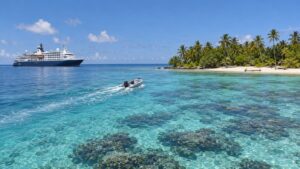
- Arrival: Cruise ships generally anchor in Exmouth Gulf and tender passengers ashore.
- Landing: The exact landing point and onward transport can vary by call, so follow the ship’s daily instructions.
- Best easy plan: Use the confirmed shuttle to Exmouth and make the Ningaloo Centre your anchor.
- Best regional plan: Book one cruise-timed Cape Range and Ningaloo excursion with a conservative return.
- Currency: Australian dollars.
- Language: English.
- Time: Australian Western Standard Time, UTC plus 8, without seasonal clock changes.
- Key risks: Tender cancellation, currents, heat, cyclone conditions, scarce vehicles, and long park distances.
Exmouth is a tender port with a real landing caveat
There is no downtown cruise berth waiting beside a promenade. Ships normally anchor in Exmouth Gulf, then use tenders and an operating plan created for that particular call.
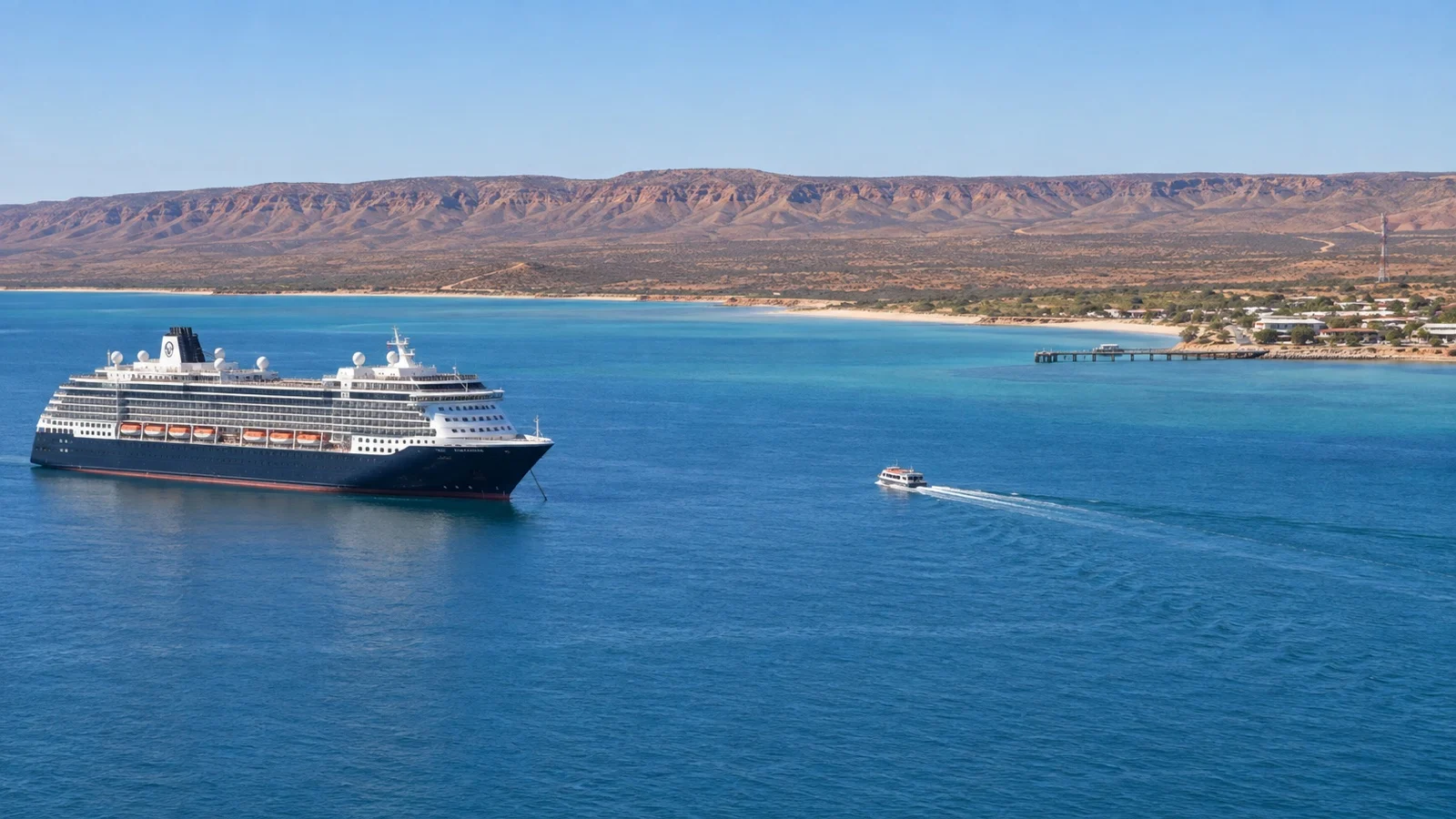
The landing point may involve a boat harbor or another controlled arrangement, followed by a shuttle or excursion vehicle. Never assume that an old forum post, last season’s map, or a generic Exmouth pin identifies where your tender will arrive.
The Shire of Exmouth provides the most useful official reality check. Its April 23, 2026 council minutes acknowledge continuing cruise landing problems, including calls when some passengers do not reach town and ships that remain inside the gulf.
That does not mean your visit will fail, but it does mean the risk belongs in the plan. Keep independently booked activities refundable, avoid deposits that ignore a missed landing, and let the ship’s live tender announcement control the morning.
Tender time is part of your excursion time
A scheduled arrival is not the moment you step onto land. The ship must receive clearance, lower boats, establish the route, prioritize any groups, and load passengers safely.
Wind, swell, visibility, tide, and harbor conditions can delay or suspend that sequence even under a bright sky. The captain can also stop the operation after it begins if the transfer becomes unsafe.
If your excursion meets early, confirm whether it includes tender priority and where the group gathers aboard. If you are exploring independently, collect the correct tender ticket and do not build a regional departure around being first in line.
The final return also includes a queue and boat ride rather than a simple walk up a gangway. Aim for an earlier tender than the last permitted one, especially after a Cape Range outing.
North West Cape puts the reef and town on different sides
Exmouth town sits on the gulf side of North West Cape, while the best-known Ningaloo shore sites line the western side. Cape Range National Park occupies much of that coast, and the road between stops is longer and more exposed than a postcard suggests.
Public transportation is not a practical park strategy, while taxis, rentals, and cruise-day vehicles can be scarce. Prebook a ship excursion or a local operator who understands the tender timetable, the landing point, and the ship’s final cutoff.
Mobile reception weakens in parts of the park, and services are limited once you leave town. Carry water, download your confirmations, and agree on the turnaround time before the vehicle moves.
A town day is the smart flexible option
The Ningaloo Centre combines visitor information, regional exhibits, and an aquarium in Exmouth. It gives a late-start day a meaningful destination without committing you to the full cross-peninsula journey.
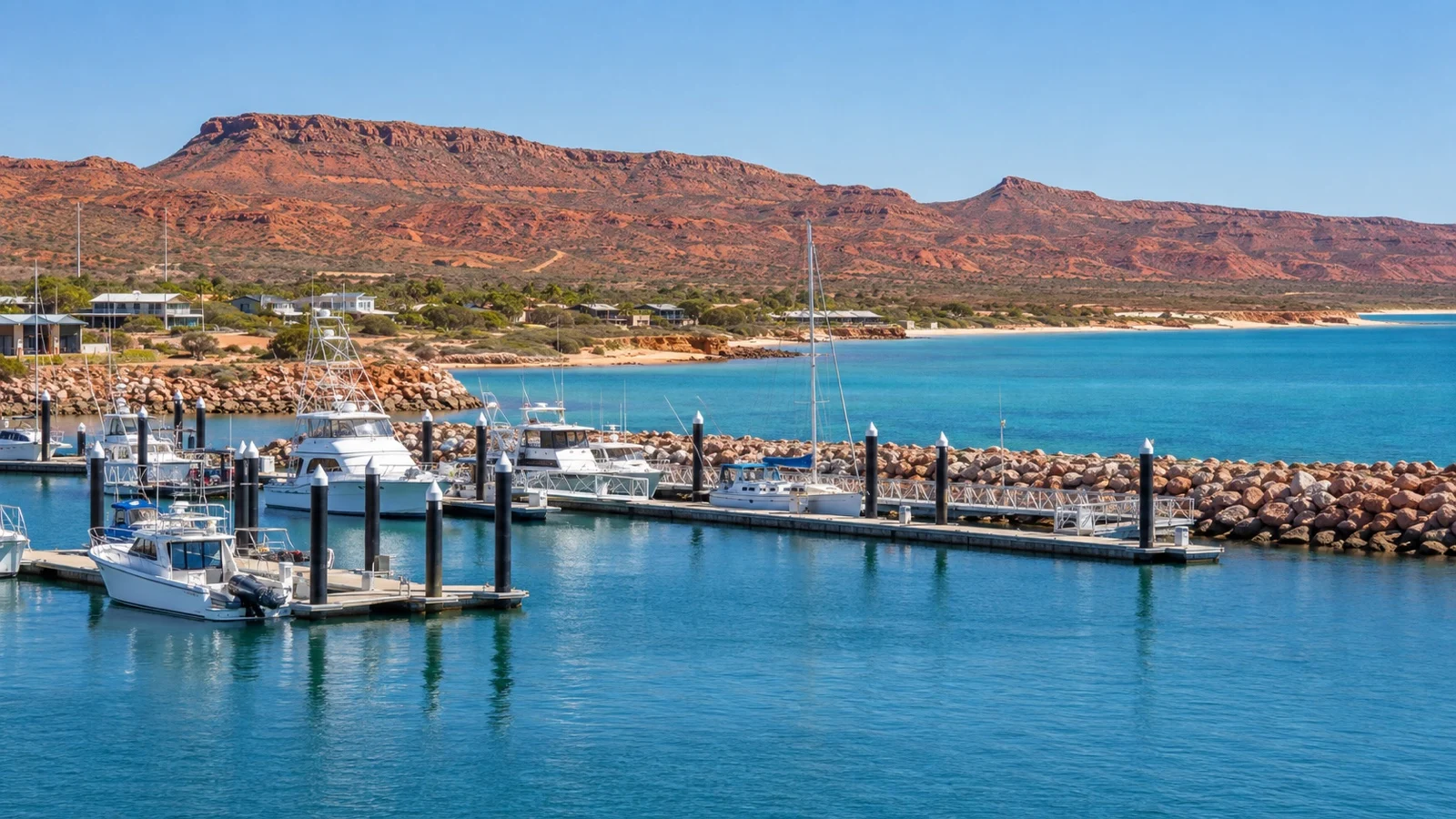
The official aquarium information suggests allowing about 90 minutes and describes ramp and elevator access. Confirm current opening hours, admission, and the cruise shuttle stop before leaving the ship.
Add a relaxed lunch and the town stops actually served by the day’s transportation. I would not replace a canceled park tour with a long roadside walk because heat and distance are remarkably poor consolation prizes.
A town plan is also the easiest choice for passengers who cannot transfer safely into a tender or who come ashore much later than expected. The goal is a good day, not a moral victory over the timetable.
Turquoise Bay is beautiful and not automatically gentle
Turquoise Bay earns its reputation with white sand, clear water, and reef life close to shore. It also contains current patterns that deserve more respect than the word turquoise usually receives.
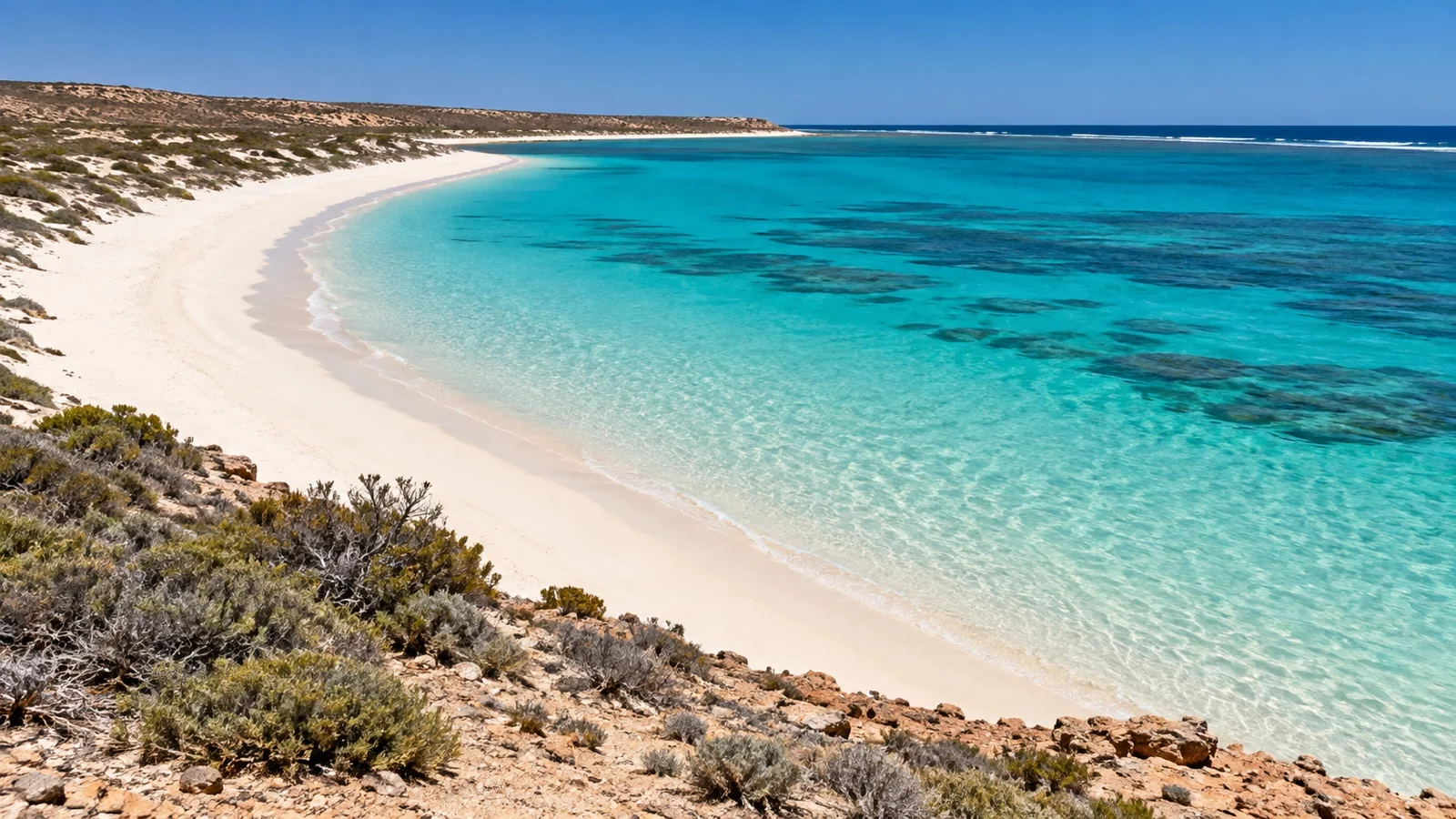
The Western Australia Parks and Wildlife Service page warns that dangerous currents can occur and tells visitors to follow the signs at beach entry points. It advises inexperienced swimmers not to enter strong currents and says nobody should snorkel alone.
The calmer Bay Loop area and the popular Drift Loop are different experiences, so use the access point selected for the live conditions. If local advice says to stay near the beach, admire the water from shore without negotiating with it.
A cruise excursion should specify transportation, supervision, equipment, water entry, flotation, and a dry alternative. A beautiful beach remains worthwhile when the safest activity is looking at it with all your belongings still dry.
Lakeside rewards swimmers who respect the setup
Lakeside Sanctuary Zone offers shore snorkeling among coral formations and marine life, but reaching the water involves a beach walk. The official park guidance warns of currents and repeats the rule that visitors should never snorkel alone.
Sand, heat, gear, and the return walk all count toward the effort. Travelers with limited mobility or stamina should ask how far the vehicle stops from the entry and whether shade or assistance is available.
Choose one principal water site rather than collecting beaches like airport codes. Time spent listening to a safety briefing and observing conditions is more valuable than a second rushed swim.
Oyster Stacks depends on tide and access rules
Oyster Stacks brings coral close to shore, which makes it tempting on a short itinerary. Access and snorkeling conditions depend on the tide, and visitors must follow current park instructions rather than assuming the site is open for swimming all day.
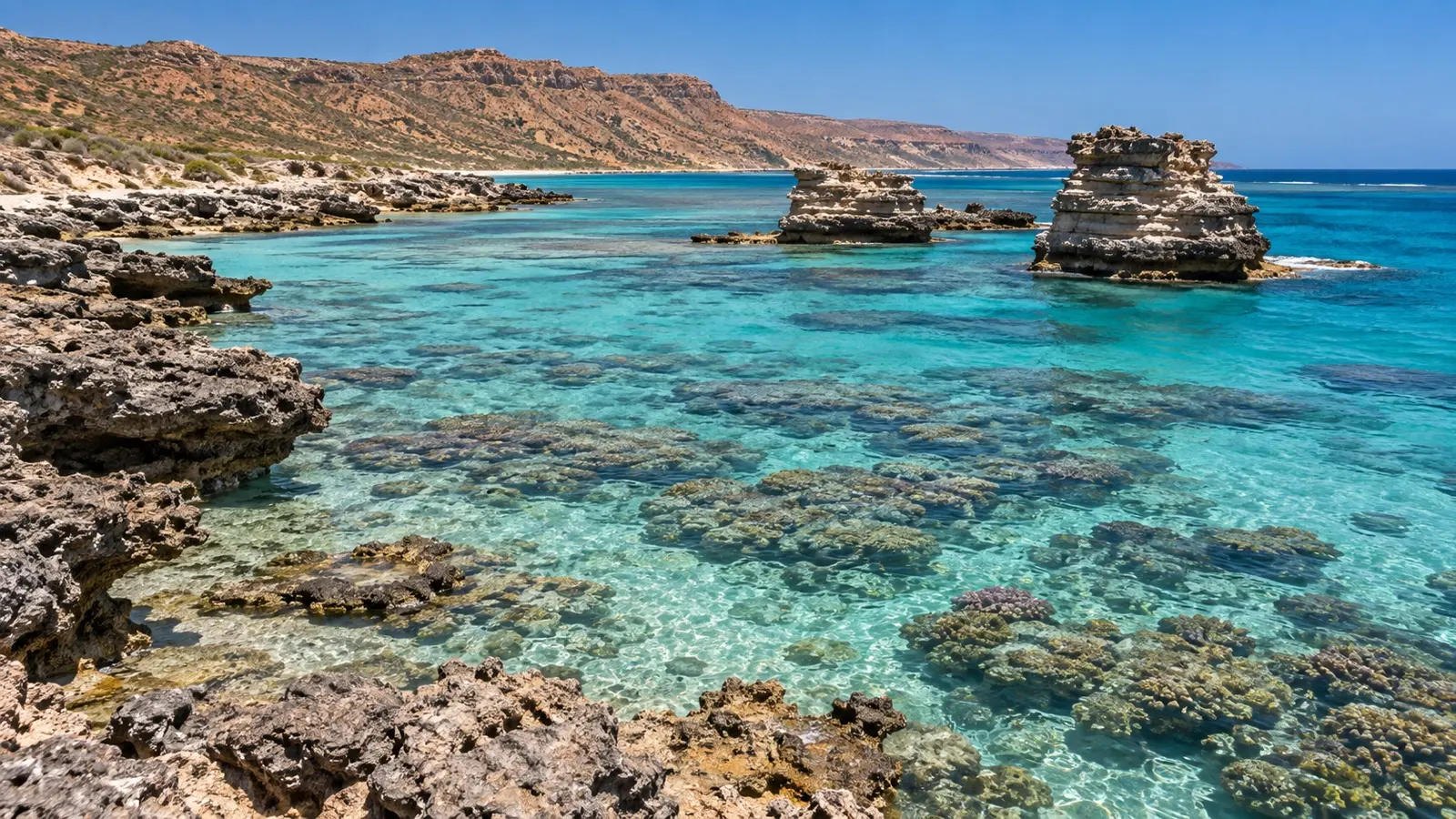
A competent guide will check the tide, weather, park notices, and guest ability before promising the stop. If the timing is wrong, Turquoise Bay, a scenic lookout, or a dry Cape Range stop can preserve the excursion without forcing the water.
Do not stand on coral, chase wildlife, or remove shells and other natural material. Ningaloo Marine Park protects a living system, not a collection of portable souvenirs.
Cape Range is more than a route between beaches
Cape Range National Park brings limestone ridges, deep gorges, dry-country wildlife, and huge views within reach of the reef. That land and sea contrast is the reason I prefer a balanced regional tour over a checklist of snorkeling entrances.
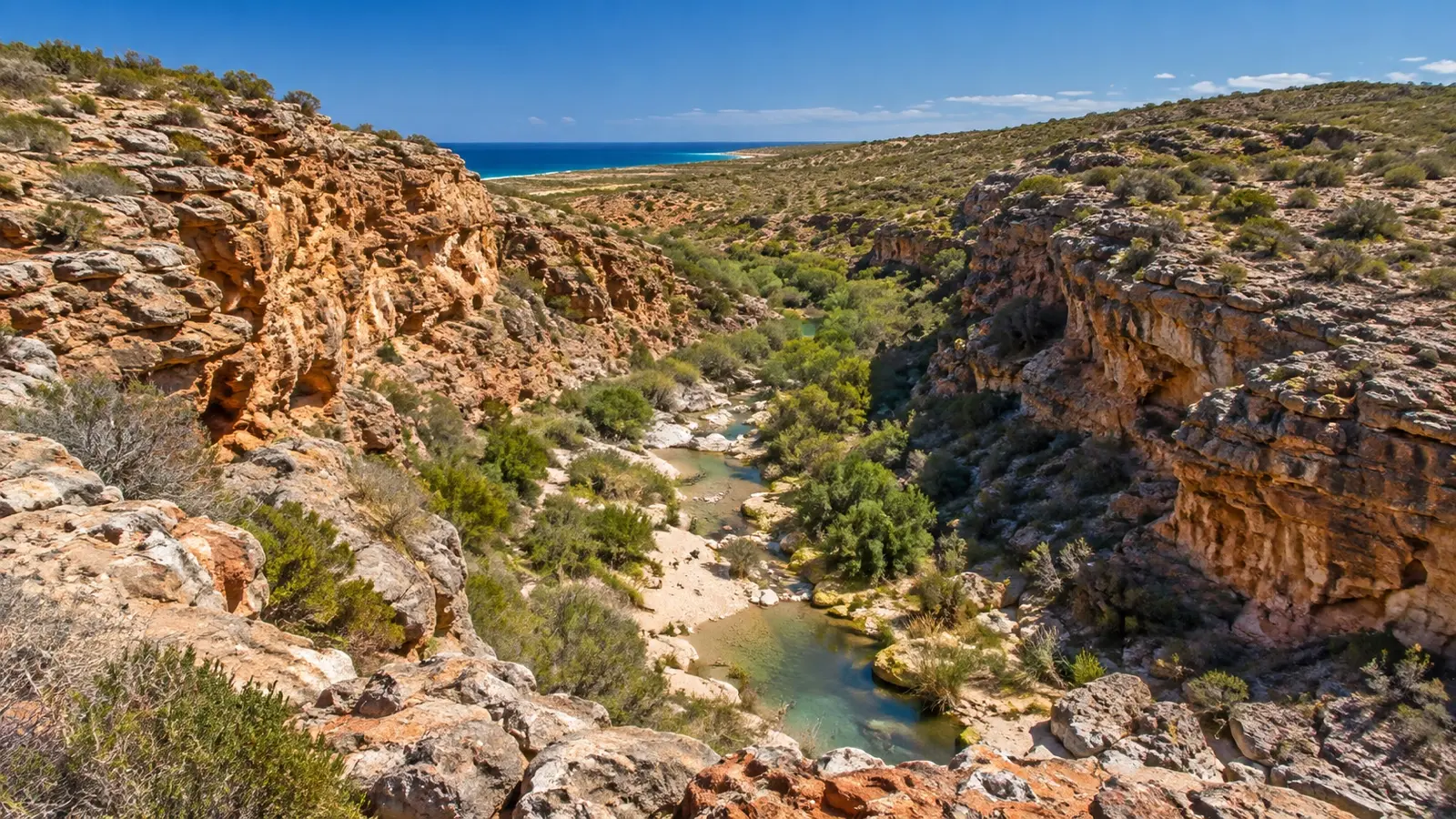
Short lookouts and guided scenic stops fit a tender day better than a long gorge walk. Trails can be rough, loose, steep, and exposed, while midday heat makes an ordinary distance feel much less ordinary.
Stay on accepted routes, carry more water than you expect to drink, and never enter caves or remote terrain without appropriate local guidance. Drivers also need safe speed because wildlife and road conditions can change.
The Shire site currently publishes road and emergency notices, including cyclone recovery information when relevant. Check the live Shire page and park alerts shortly before arrival rather than trusting a route saved months earlier.
Wildlife seasons need date-specific expectations
Ningaloo is famous for whale sharks, humpback whales, manta rays, turtles, and other marine life. The name of the destination does not guarantee a particular animal, a swim, or even a boat departure.
Whale shark tours are commonly associated with the autumn and early winter period, while humpback activity is generally later. Exact seasons, permits, animal presence, and safe operating conditions vary, so use the excursion offered for your date rather than a broad tourism slogan.
Marine wildlife trips can consume most of the call and may depart from a location that does not match the cruise tender landing. Book only an operator who has explicitly built the timing around your vessel, or choose the ship’s excursion when the return risk is substantial.
Ask how guests board, enter the water, rest, and reboard, plus what happens when wildlife is absent. A permitted encounter can be canceled or shortened for animal behavior, current, visibility, or weather.
The wrong season can still deliver a brilliant day
A call outside the whale shark period is not a failed Ningaloo visit. Reef scenery, shore snorkeling, Cape Range, wildlife viewing from land, the Ningaloo Centre, and coastal lookouts do not depend on one headline species.
I would choose the strongest activity for the actual month, guest ability, and tender window. Nature is easier to enjoy when it has not been assigned a contractual obligation to appear beside the boat.
Accessibility is decided before the tender moves
The transfer between ship and tender may require steps, balance, a gap between moving platforms, and crew approval. Ask whether your wheelchair or scooter can be carried, whether it must fold, and whether you must walk independently.
A destination can advertise an accessible facility while the marine transfer remains impossible for a particular passenger. Confirm the entire route from cabin to tender, landing, shuttle, attraction, restroom, and return.
The Ningaloo Centre reports ramp and elevator access, making it the clearest low-barrier anchor in town. In Cape Range, sand, rough ground, limited shade, and sparse facilities favor a scenic drive with carefully selected stops.
If a beach wheelchair or adapted vehicle is available, reserve it in advance and receive written confirmation. Cruise-day demand and the region’s small transport pool make walk-up promises unreliable.
Heat, ultraviolet exposure, and cyclones
Exmouth is hot, dry, and exposed, with intense ultraviolet radiation even when a sea breeze feels pleasant. Bring water, a broad hat, protective clothing, and reef-conscious sun protection.
The tropical cyclone season broadly runs through the warmer months, while any season can bring wind or swell that affects tendering. Follow official emergency alerts and the ship’s instructions rather than judging safety from an open deck.
The Shire identifies Exmouth as a cyclonic wind region and maintains current emergency information on its site. A canceled landing is disappointing, but a captain protecting passengers from an unsafe transfer is doing exactly the job you paid for.
Australian entry and biosecurity rules still apply
Most visitors need an appropriate Australian visa or travel authority before the voyage. Check the Department of Home Affairs visa guidance for your passport and do not rely on another traveler’s approval.
Australia applies strict biosecurity controls to food, plants, seeds, animal products, wood, soil, and other risk items. Leave ship food aboard, clean hiking footwear, and declare anything in doubt when instructed.
Carry the passport or photo identification named in the ship’s daily program and keep it protected from spray. First-port clearance or other formalities can reduce the useful time ashore, which is another reason to preserve a simple backup plan.
Park fees and sanctuary zones
Cape Range National Park can require an entry fee, while marine sanctuary zones restrict taking and fishing. A commercial tour should state whether park charges, visitor fees, equipment, and permits are included.
At Turquoise Bay, the official park page states that the marine park itself is free to enter but park entry fees apply. Use designated parking and access points, follow posted rules, and take only photographs.
Parks and Wildlife currently carries a warning about highly pathogenic avian influenza detected in Western Australia. Do not touch sick or dead birds or marine animals, and follow the reporting instructions shown on current park pages.
Return timing needs two buffers
The first buffer covers the road back from Cape Range to the official landing or shuttle point. The second covers unloading, tender queues, the boat trip, and any delay alongside the ship.
Ask the operator for a planned town return time rather than only an attraction departure time. I would target a full tender cycle before the final cutoff, then add more margin when weather, road notices, or mobility needs justify it.
A ship excursion offers the strongest support if the organized route is delayed, but passengers still need to follow the guide’s time. Do not turn a scenic restroom stop into an independent expedition five minutes before loading.
Three realistic Exmouth plans
The delayed-landing plan
Take the confirmed transfer into Exmouth, visit the Ningaloo Centre, have lunch, and return early. This plan adapts best when tender clearance or boarding consumes part of the morning.
The reef and range plan
Book one cruise-timed Cape Range circuit with a principal water site, a scenic stop, and a dry alternative. Confirm the tide, park alerts, included gear, guest requirements, and the driver’s turnaround point.
The seasonal wildlife plan
Choose a permitted marine trip only when the date, species season, landing point, boarding requirements, and return protection all align. Keep the wildlife expectation flexible and the physical requirements precise.
Frequently asked questions
Do cruise ships dock in Exmouth?
No conventional downtown berth should be expected. Ships generally anchor in Exmouth Gulf and tender, with the live landing arrangement confirmed for each call.
Can an Exmouth call fail to land?
Yes. The Shire’s April 2026 council minutes acknowledge cruise landing problems, so keep plans flexible and independently booked costs refundable.
Can I walk from the tender landing into town?
Do not plan on it. Use the transport announced for your call because the exact landing, heat, port access, and distance can make walking unsuitable.
Can I visit Turquoise Bay independently?
Only with confirmed transportation, current park information, and a conservative return. Scarce vehicles, weak reception, long roads, and water conditions make a cruise-timed tour the easier choice.
Will I swim with whale sharks?
Only if your call falls within the operating season, a permitted trip is available, wildlife appears, and conditions are safe. No ethical operator can guarantee the animal or the swim.
My final advice
Exmouth rewards restraint because reef, range, tender, and road all compete for the same finite hours. Confirm the landing, choose town or one major regional direction, and give the return journey the space it deserves.
If the tender runs late, let the plan become smaller without letting the day become worse. Ningaloo is still astonishing when you stop asking it to fit into every box on one excursion page.
How this guide was researched: This guide was independently checked on September 11, 2026, against the Shire of Exmouth, Western Australia Parks and Wildlife Service, the Ningaloo Centre, Australian immigration and biosecurity guidance, and current cruise operating information.
Reconfirm the landing point, tender sequence, transportation, park alerts, tide, weather, wildlife season, accessibility, fees, and final return time before sailing because live conditions can change.