Gisborne Cruise Port: Berth, Tender and Tairāwhiti
Gisborne can be an alongside port for a suitable small ship or a tender port for a vessel anchored in Poverty Bay. That single operational detail changes the first and last part of your day, while the reward ashore remains Tairāwhiti’s blend of Māori identity, beaches, wine, and an easygoing city center.
Check the ship’s current assignment before committing to a private tour. A berth offers a more predictable start, while an anchorage puts wind, swell, and tender queues into the schedule.
Quick facts about Gisborne cruise port
- Arrival: Smaller ships may berth at Eastland Port, while larger ships can anchor and tender
- Town access: Close from the inner harbor or via the approved secure-port route
- Best easy day: Inner harbor, museum, center, and waterfront
- Best regional day: A prebooked cultural or winery tour
- Currency: New Zealand dollar
- Languages: English and te reo Māori
- Main tender risk: Wind and swell in Poverty Bay
- Accessibility: Much easier alongside than by tender
- Return rule: Confirm the correct shuttle stop or last-tender point
Gisborne uses both berth and tender operations
Eastland Port’s shipping schedule can assign suitable cruise ships to a berth while showing other calls without one. Dimensions, draft, working-port activity, and conditions in the bay all influence the final plan.
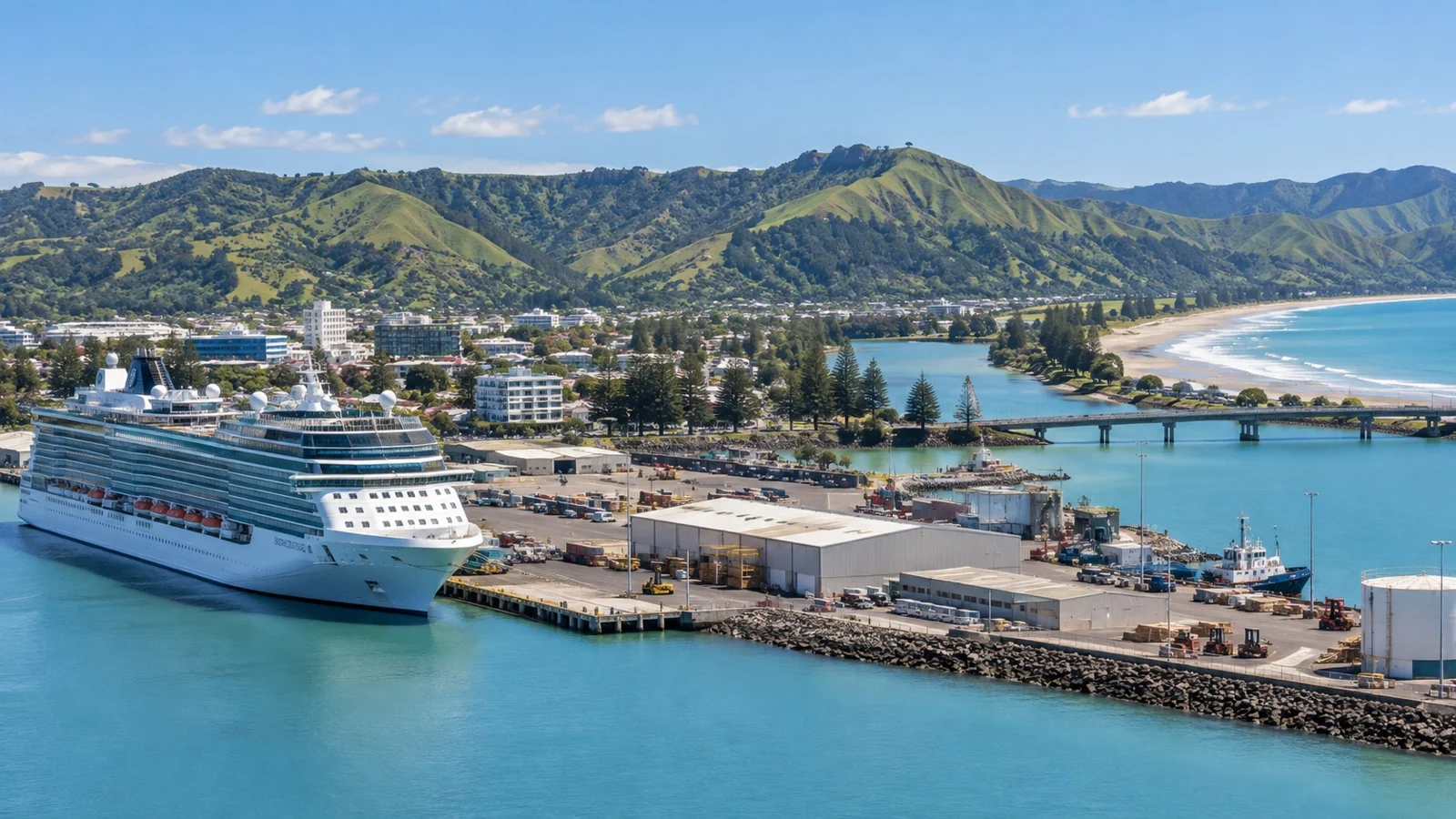
A berthed arrival places the gangway inside an active commercial and log port. Passengers must use the marked pedestrian route or transport arranged for the call rather than crossing operational areas.
An anchored ship transfers guests by tender across exposed water into the more sheltered inner harbor. The master can slow, suspend, or cancel the operation when wind and swell make boat transfer unsafe.
What an alongside call changes
Walking freedom applies only along the approved path outside the working areas. Logging trucks, heavy equipment, barriers, and active quays make an unauthorized shortcut both dangerous and prohibited.
Ask whether a shuttle operates, where its public stop is, and when the final departure returns to the berth. Photograph the ship’s instructions because Eastland Port includes several areas with different access rules.
The gangway slope and walking distance can still challenge some travelers even without a tender. Request assistance early and confirm whether any shuttle has step-free boarding.
What a tender call changes
Independent passengers may wait behind shore-excursion groups for the first boats, reducing usable time ashore. Never book a private driver on the assumption that you will leave the ship at the published arrival minute.
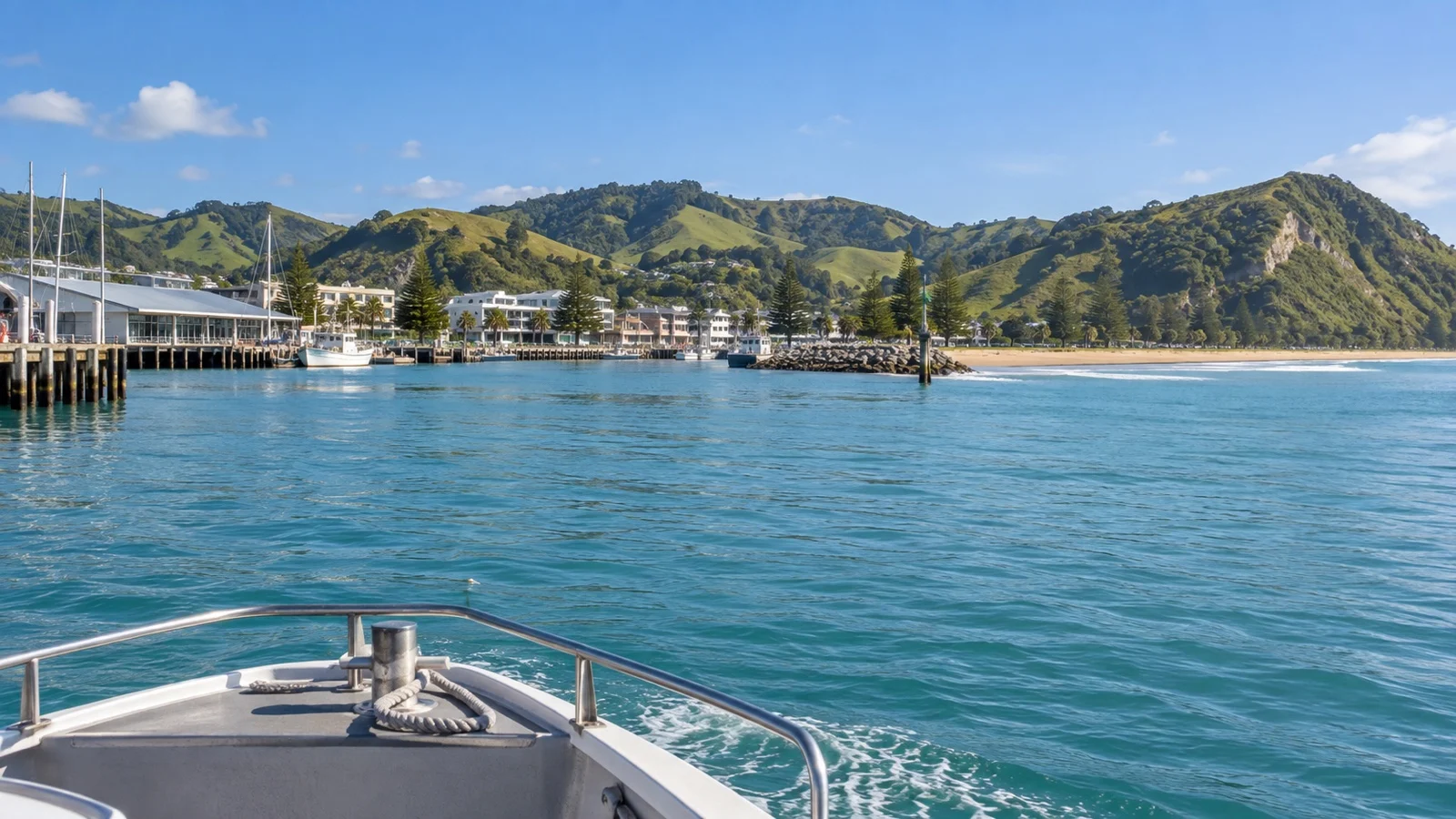
On return, join the line before the final tender because boarding can slow as conditions change. Use ship time and follow the day’s stated cutoff rather than a timetable from another cruise.
The inner harbor and city center
Gisborne’s inner harbor blends marina activity, restaurants, and working waterfront near the meeting of local rivers. Once outside the controlled port route, the compact center is practical to explore on foot.
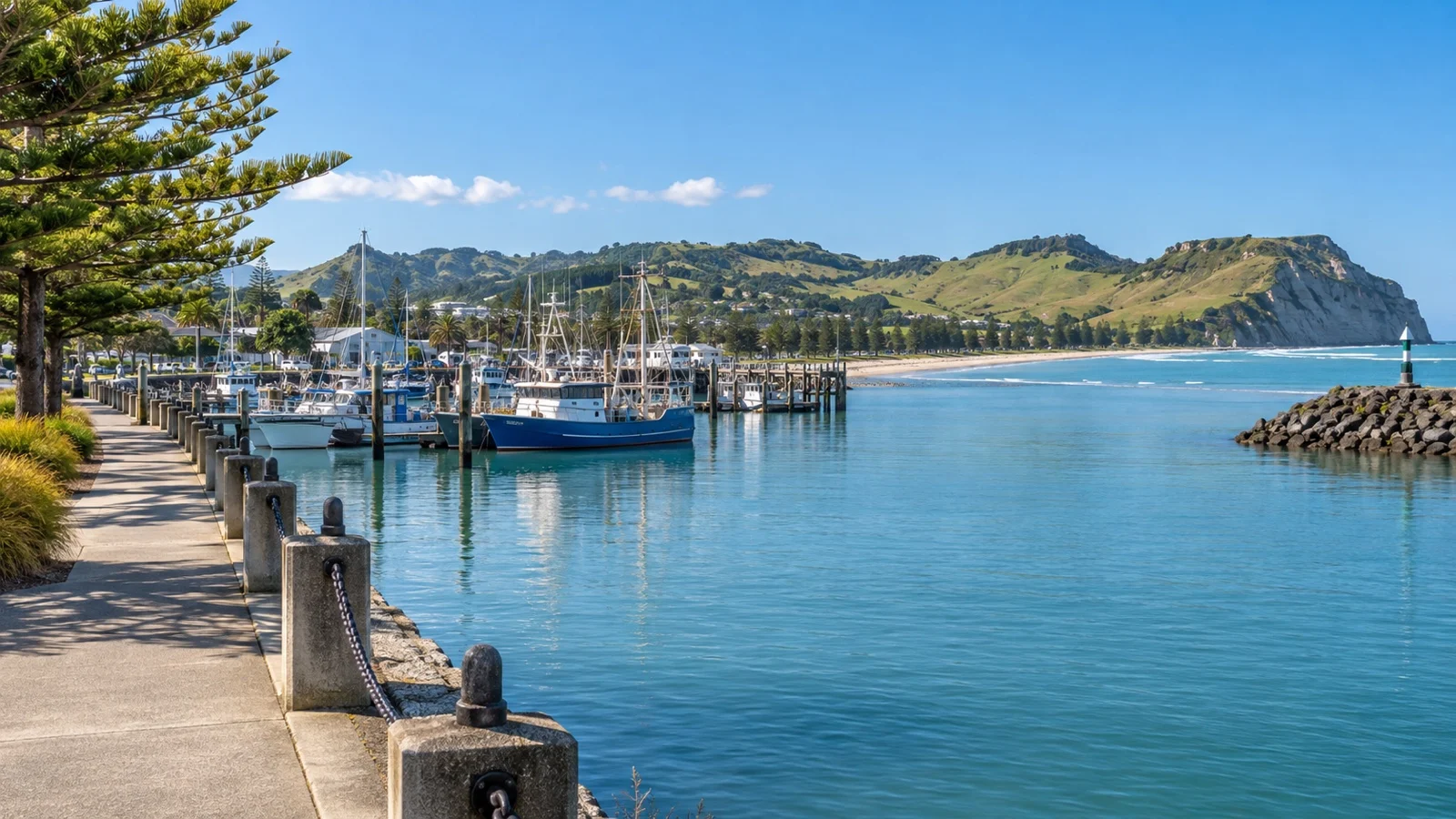
Follow the water toward central streets, cafes, independent shops, and public art, then loop back without relying on transport. This plan expands or contracts gracefully if clearance or a tender delay shortens the morning.
Opening days for small-city attractions can vary, so verify priorities locally rather than assuming everything runs daily. Keep one outdoor alternative and one indoor alternative ready.
Tairāwhiti Museum adds essential context
Tairāwhiti Museum presents regional art, history, and stories in a manageable central visit. It gives meaning to the landscapes and place names that can otherwise pass as attractive scenery without their cultural depth.
Exhibitions and hours change, so check the call date before building the day around it. Allow enough time to read and listen rather than racing through the galleries on the way to a winery.
Titirangi is more than a viewpoint
Titirangi, also widely called Kaiti Hill, rises above the city and bay with wide coastal views. It is culturally significant to mana whenua and carries layers of Māori history that deserve more than a quick photograph.
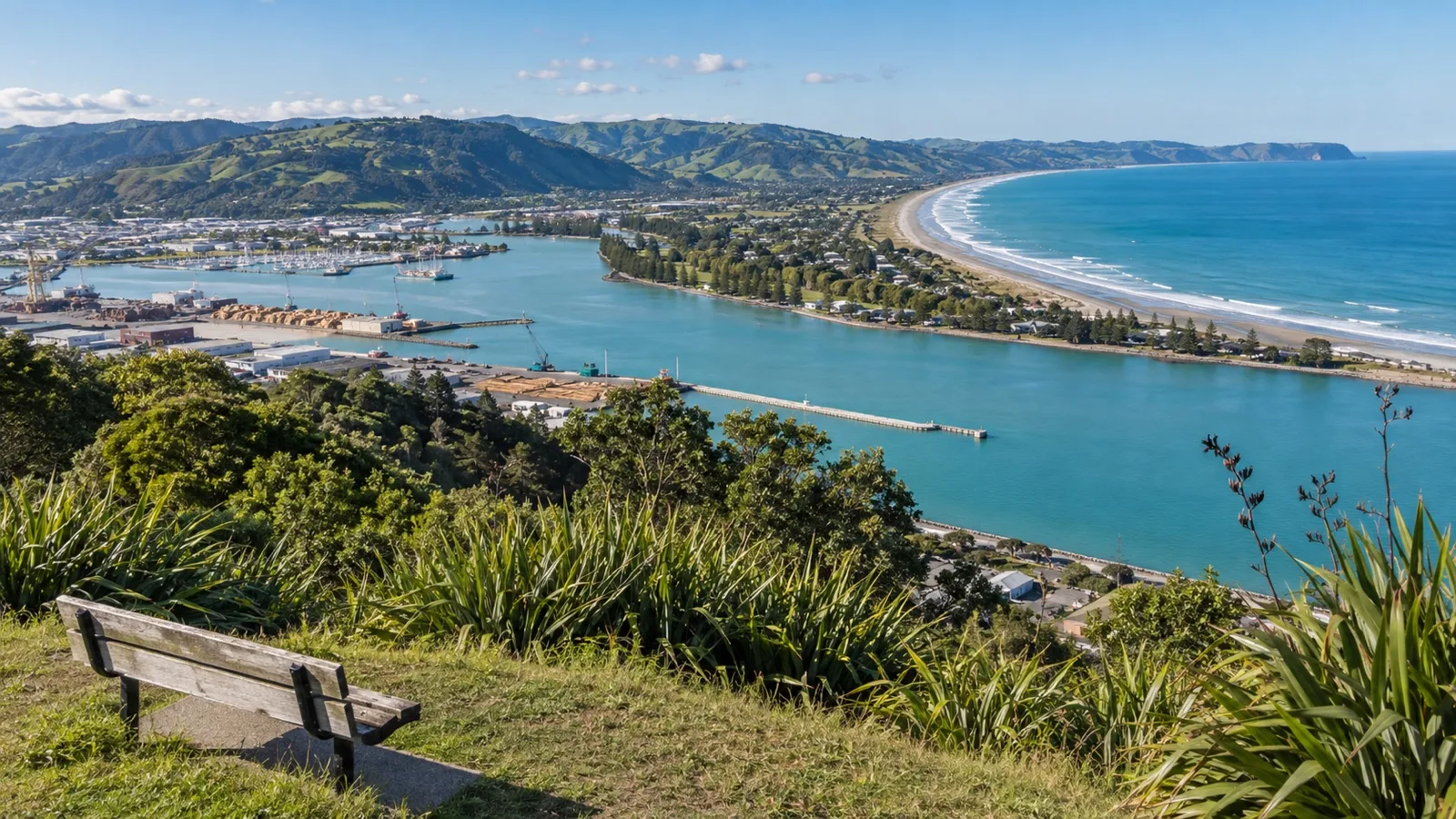
Use marked tracks, respect closures, and follow local guidance around memorial and cultural areas. A mana whenua-led experience is the strongest way to hear stories connected with Tūranganui-a-Kiwa respectfully.
The climb can be steep and exposed, although vehicle access may reduce the walking when roads are open. Confirm the return route and leave time for a slow descent.
Book cultural experiences deliberately
Tairāwhiti has a strong Māori population and living traditions rather than a cultural layer staged only for visitors. Choose experiences developed with local iwi and listen to instructions about welcome, photography, movement, and sacred places.
Pronunciation matters, and local guides can help with names such as Tairāwhiti and Tūranganui-a-Kiwa. A willingness to learn is more respectful than pretending confidence after reading one sign.
Reserve early because community-led capacity can be limited on ship days. Ask where the group meets and whether the experience adjusts if a tender arrives late.
Wine country requires transport
Gisborne is especially associated with Chardonnay, while local producers also pour several other varieties. Cellar doors sit beyond the central walking loop, making a ship excursion or reserved local tour the practical choice.
Confirm how many tastings are included, whether lunch is part of the visit, and how the operator handles a delayed landing. Keep the same vehicle and set a return target earlier than the ship’s final instruction.
Non-drinkers can ask about food, vineyard walks, or alcohol-free options rather than paying for untouched glasses. No one planning to taste should drive.
Beach time should stay flexible
Waikanae and Midway beaches put sand and surf close to the city. They work best as optional additions after the museum or center rather than tightly timed excursions.
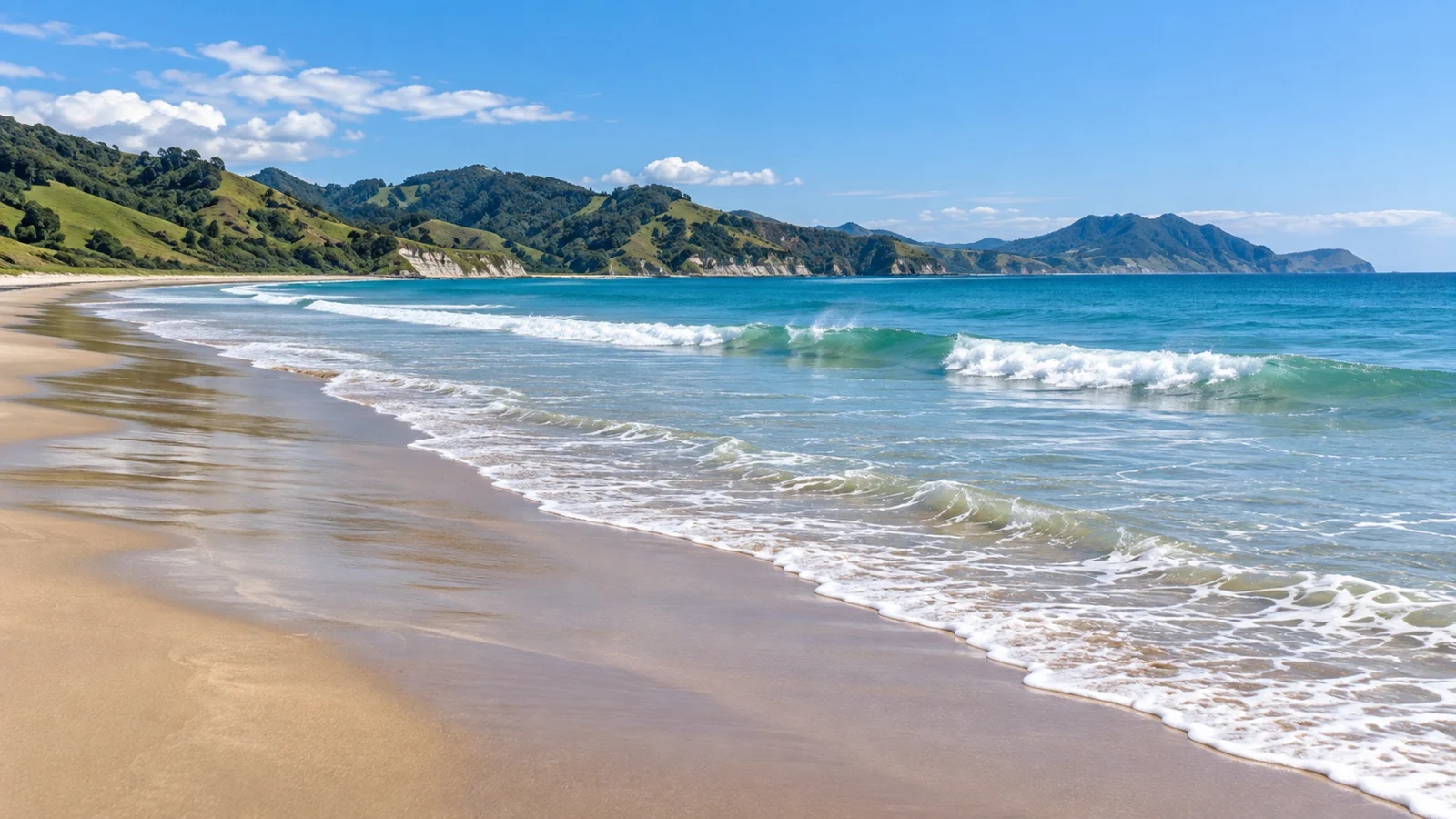
Swim only where current local guidance supports it and follow lifeguard flags when patrols operate. Surf, currents, and water quality can change quickly, while a sunny forecast cannot make an unpatrolled beach safe.
New Zealand ultraviolet exposure can be strong even when the air feels mild or skies look cloudy. Use sunscreen, wear a hat, and carry a light layer for wind off the bay.
Distant regional sights need the whole day
Rere Falls, Eastwoodhill Arboretum, rural producers, and East Cape scenery can appear in regional tours. Each requires road transport and should be the day’s main destination rather than an addition to a full city and wine circuit.
Roads can be winding, while repairs or weather damage may expand travel times. A ship excursion is the lower-risk choice when the route reaches far beyond Gisborne.
Do not improvise a long independent drive along the East Cape on an ordinary call. The landscape is not arranged around a cruise passenger’s departure time.
Entry and biosecurity
New Zealand entry permission depends on nationality, including whether a visa or New Zealand Electronic Travel Authority is required. Follow Immigration New Zealand and the cruise line’s current instructions well before sailing.
Biosecurity rules are strict, so declare food, plant material, animal products, and outdoor equipment as directed. Arrive with shoes clean of soil and seeds, particularly if your day includes a farm, vineyard, or rural walk.
Accessibility depends on the assignment
An alongside call avoids the transfer between moving vessels but can still include a sloped gangway, working-port surface, and shuttle. Ask whether the marked route and bus suit your mobility device.
A tender call may involve stairs, gaps, movement, and restrictions on scooters or powered wheelchairs. Request a sailing-specific assessment from the cruise line because only the ship can approve boarding for the conditions.
Central Gisborne is generally more manageable than steep Titirangi tracks, although curbs and surfaces vary. Reserve an accessible vehicle early for wineries or viewpoints because spontaneous supply can be limited.
Weather affects more than clothing
Summer can bring bright sun, wind, showers, and quick temperature changes. Carry layers, a waterproof shell, water, and sun protection rather than trusting the view from breakfast.
Offshore swell can stop a tender call even when city streets are dry. Keep private bookings flexible and avoid nonrefundable arrangements that ignore the port’s exposure.
A berthed call is more resilient, but strong wind can still alter gangways or passenger movement. Follow crew instructions if the exit route changes during the day.
Three Gisborne days that fit
Easy city day
Explore the inner harbor, Tairāwhiti Museum, central streets, and a nearby beach or riverside route. This plan handles a late tender or short call without drama.
Cultural day
Reserve a mana whenua-led experience and follow local protocol, then add a short central stop if time remains. Let the cultural program be the purpose rather than an item squeezed between shopping and wine.
Wine day
Choose a guided route with reserved cellar doors, a designated driver, and an early return target. Cut the final tasting if tender or traffic conditions reduce the margin.
Final thoughts
Gisborne can be a gentle city day or a purposeful Tairāwhiti excursion. Learn whether you berth or tender first, then choose culture, wine, or coast without turning all three into a race.
CruisePorts.co provides practical, independent planning guidance for cruise travelers. Berth assignments, tender operations, attraction access, roads, weather, and entry rules can change, so verify critical details with official sources and your cruise line before travel.