Sokcho Cruise Port: Terminal, Seoraksan and Market
Sokcho gives cruise travelers two genuinely good choices: spend the day among Seoraksan’s granite scenery or explore a compact Korean city through its market, lagoon, and maritime neighborhoods. The ship normally docks alongside, making transport and mountain timing more important than tender logistics.
Choose the park when nature is your priority and the weather cooperates. Choose the city when the call is short, clearance runs late, or you would rather taste Sokcho than watch it through a coach window.
Quick facts about Sokcho cruise port
- Arrival: Ships normally berth alongside at Sokcho Port International Cruise Terminal
- Town access: Call-day shuttle, taxi, or organized tour
- Best easy day: Tourist and Fishery Market, Abai Village, and Cheongchoho
- Best nature day: Seoraksan National Park
- Currency: South Korean won
- Language: Korean
- Time zone: UTC+9
- Main risks: Mountain weather, seasonal traffic, attraction queues, and port re-entry
- Return rule: Use an early shuttle or leave the park with a generous road margin
Where your ship docks
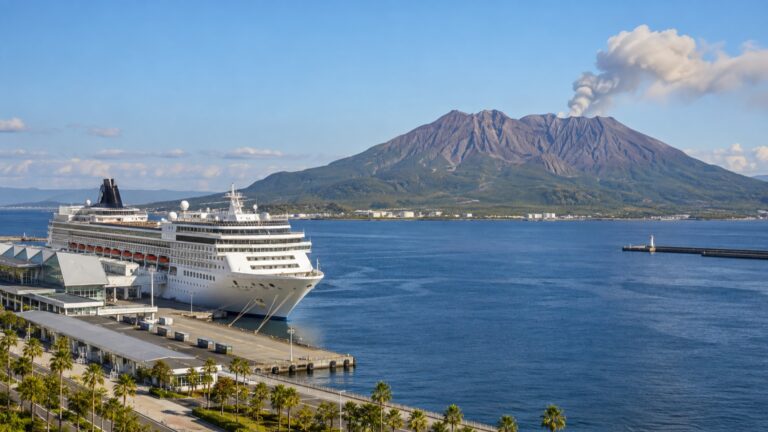
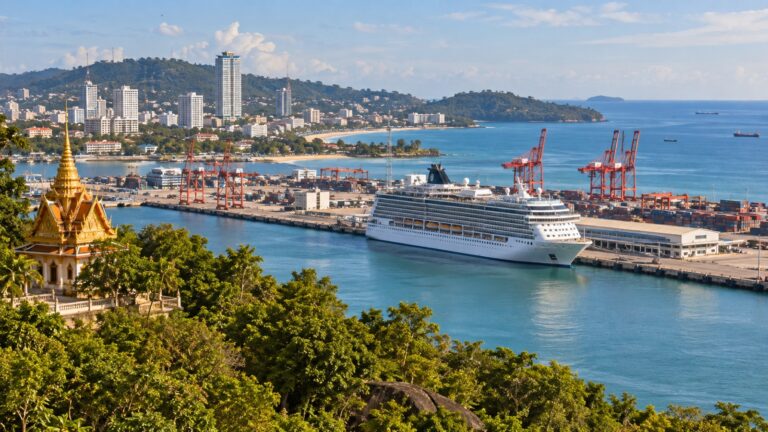
International cruise calls use Sokcho Port International Cruise Terminal on the northern side of the city. Official tourism information identifies two alongside berths within the protected harbor rather than a routine tender operation.
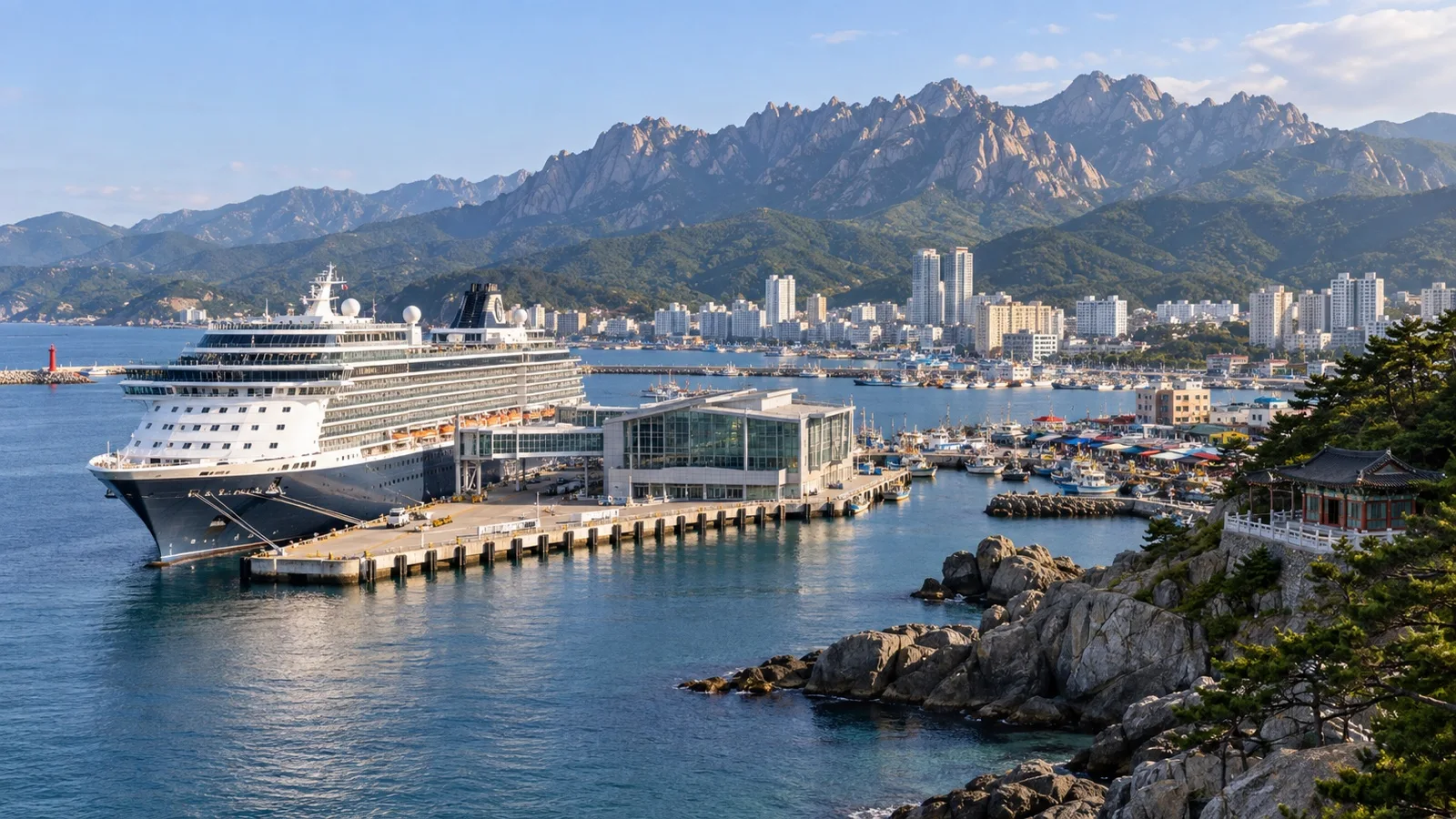
The port assigns the actual berth according to ship size and operations. Both passenger routes involve immigration and security before you reach the public transport area, so published arrival time is not a guaranteed city pickup time.
Follow marked routes inside the working harbor and photograph the correct terminal entrance. A different berth name from an older review should not become your driver’s return destination.
Korean entry steps
Entry requirements depend on nationality, visa status, and the cruise line’s shore-clearance procedure. If a Korean Electronic Travel Authorization applies to your passport, use only the official government site and check current exemptions before paying.
Complete any electronic arrival or special declaration requested by the line and carry the document or passport copy specified onboard. Group clearance does not erase an individual traveler’s responsibility to meet the current rules.
The call-day shuttle
Official cruise information has listed a free sightseeing shuttle between the port and Sokcho Tourist and Fishery Market. Confirm the route, operating hours, final return, and accessible capacity because hospitality arrangements can be tailored to the visiting ship.
The market shuttle is useful for a city day and is not a ride to Seoraksan. Photograph the stop when you arrive and save its exact position offline.
Taxis may be available at the terminal or central visitor areas, but demand rises when passengers clear together. Show the destination in Korean and keep the cruise-terminal address ready for the return.
Seoraksan is a landscape, not one attraction
Seoraksan National Park is the headline reason many itineraries call at Sokcho. The main entrance area is commonly around 30 to 45 minutes from the cruise terminal in ordinary traffic, but foliage season, weekends, weather, and port dispatch can stretch the trip.
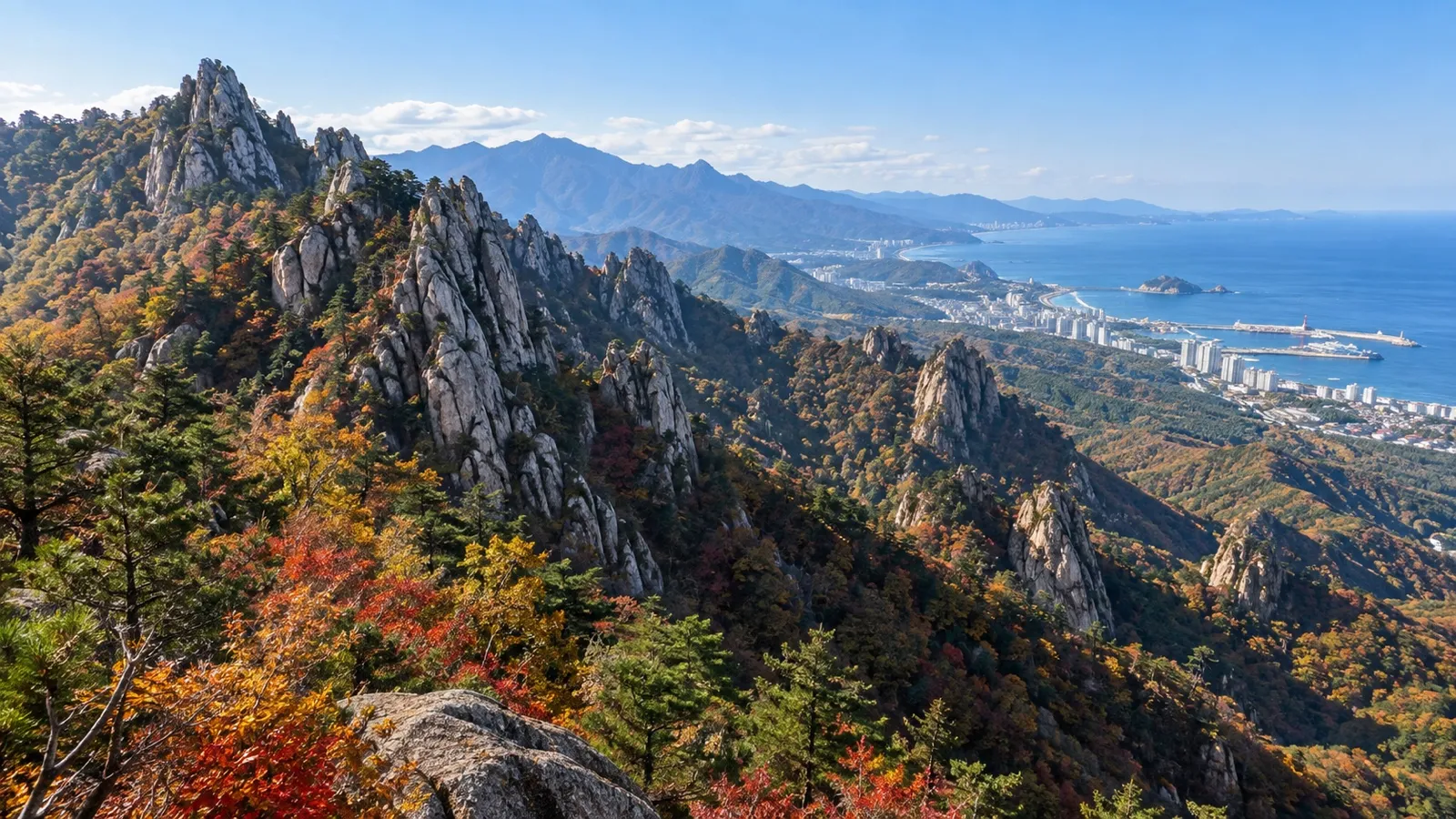
Check the national park’s current notices for trail closures, fire risk, storms, snow, and maintenance. Conditions in the mountains can differ sharply from the weather beside the ship.
A ship excursion removes much of the transport uncertainty, while a private driver can work on a long call with a conservative return. Public transport requires more schedule confidence than most first-time cruise visitors need.
A low-intensity Seoraksan visit
You do not need to climb a major peak to experience the park. The entrance valley, Sinheungsa temple area, large bronze Buddha, streams, and shorter paths provide scenery with less physical and timing risk.
Terrain can still include slopes, bridges, steps, and uneven surfaces. Ask an operator for exact walking distances from the coach and whether restrooms and seating appear along the chosen route.
The cable car is never guaranteed
The Seorak cable car climbs toward Gwongeumseong but can stop for wind, weather, or operational reasons. Same-day ticket procedures and busy-season lines can make waiting a major part of the visit.
The upper station is not the final rocky viewpoint, which requires additional walking over steep ground. Travelers with limited mobility may still enjoy the ride when operating, but should not assume the summit path is accessible.
Long routes such as Ulsanbawi are serious hikes with elevation, steps, and changing conditions. Attempt one only with appropriate fitness, equipment, a long call, and a firm turnaround time.
Sokcho Tourist and Fishery Market
The covered market brings together seafood, produce, pantry goods, and ready-to-eat specialties. Dakgangjeong, crisp chicken with a sweet and spicy glaze, is a popular local choice, while Abai-style foods reflect the city’s displacement history.
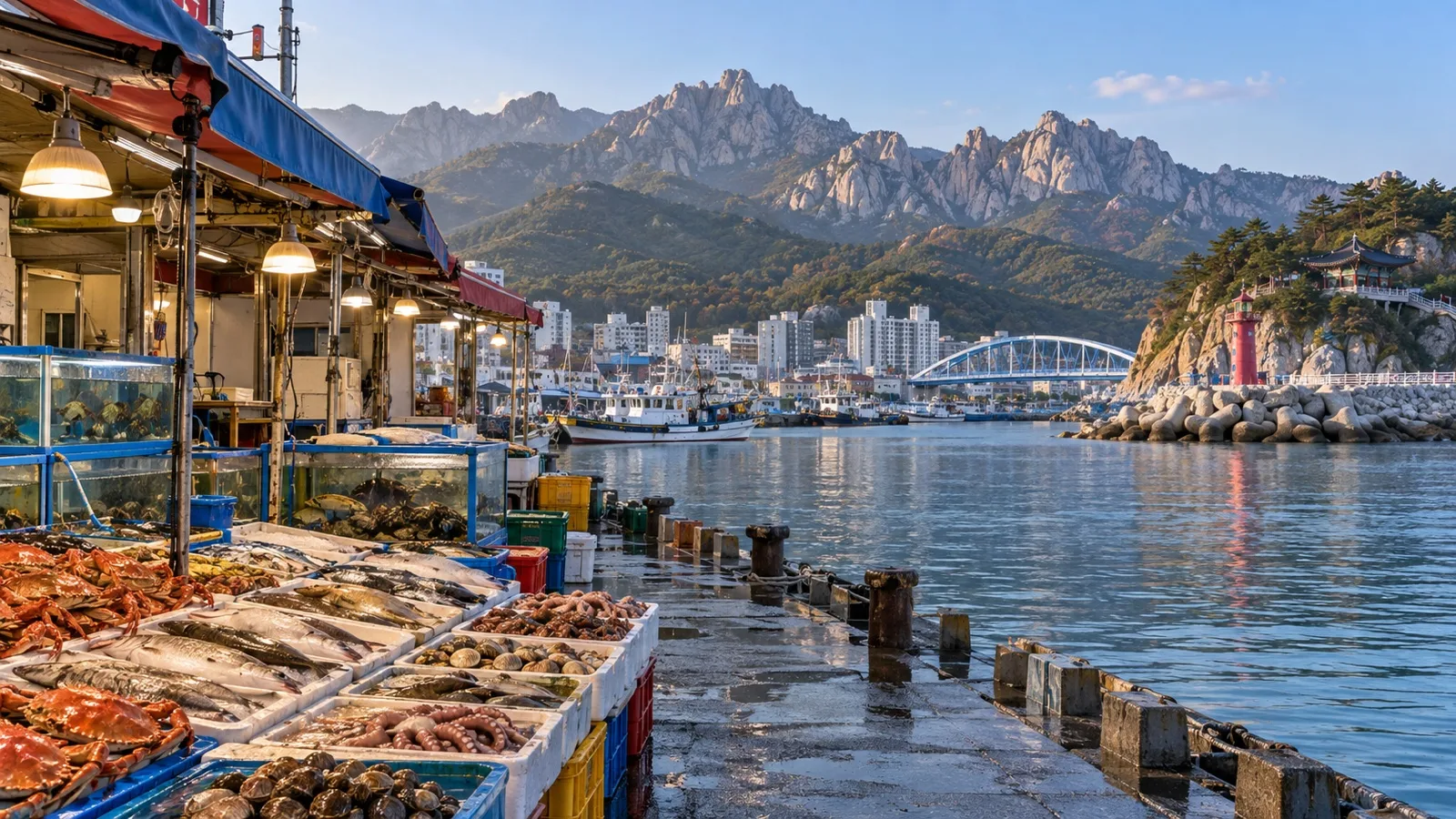
Carry some won even though many stalls take cards or mobile payment. Ask before photographing vendors, watch for wet flooring, and choose food prepared in a way you are comfortable eating.
Abai Village and the gaetbae
Abai Village grew around families displaced from northern Korea during and after the Korean War. A tiny hand-pulled gaetbae ferry can connect it with the central side of Cheongchoho when service is operating.
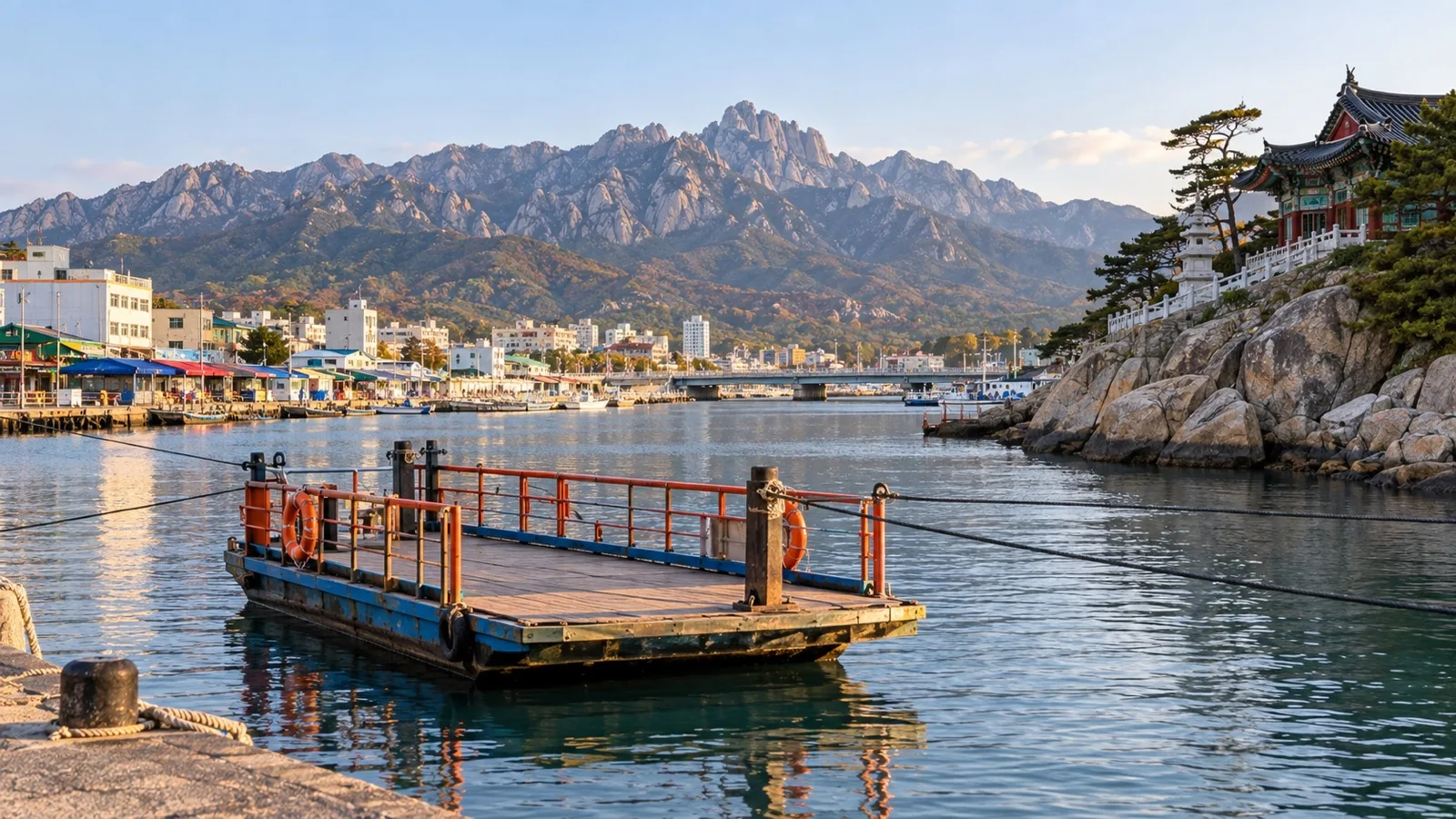
The crossing is brief but can involve a step and narrow surfaces. Treat it as a charming local connection rather than an accessibility guarantee, with a bridge or taxi route as the fallback.
Cheongchoho and the coast
Cheongchoho lagoon helps connect the market, Abai Village, bridges, and waterfront routes. A short loop here works well because it can expand or contract around shuttle timing.
Yeonggeumjeong pavilion and the lighthouse area sit farther north along the coast and add sea views, steps, and taxi time. Choose them instead of automatically adding them after a leisurely market visit.
Naksansa for temple and coast
Naksansa is a historic Buddhist temple complex on the coast in neighboring Yangyang. It suits travelers who prefer architecture and ocean scenery to a mountain hike.
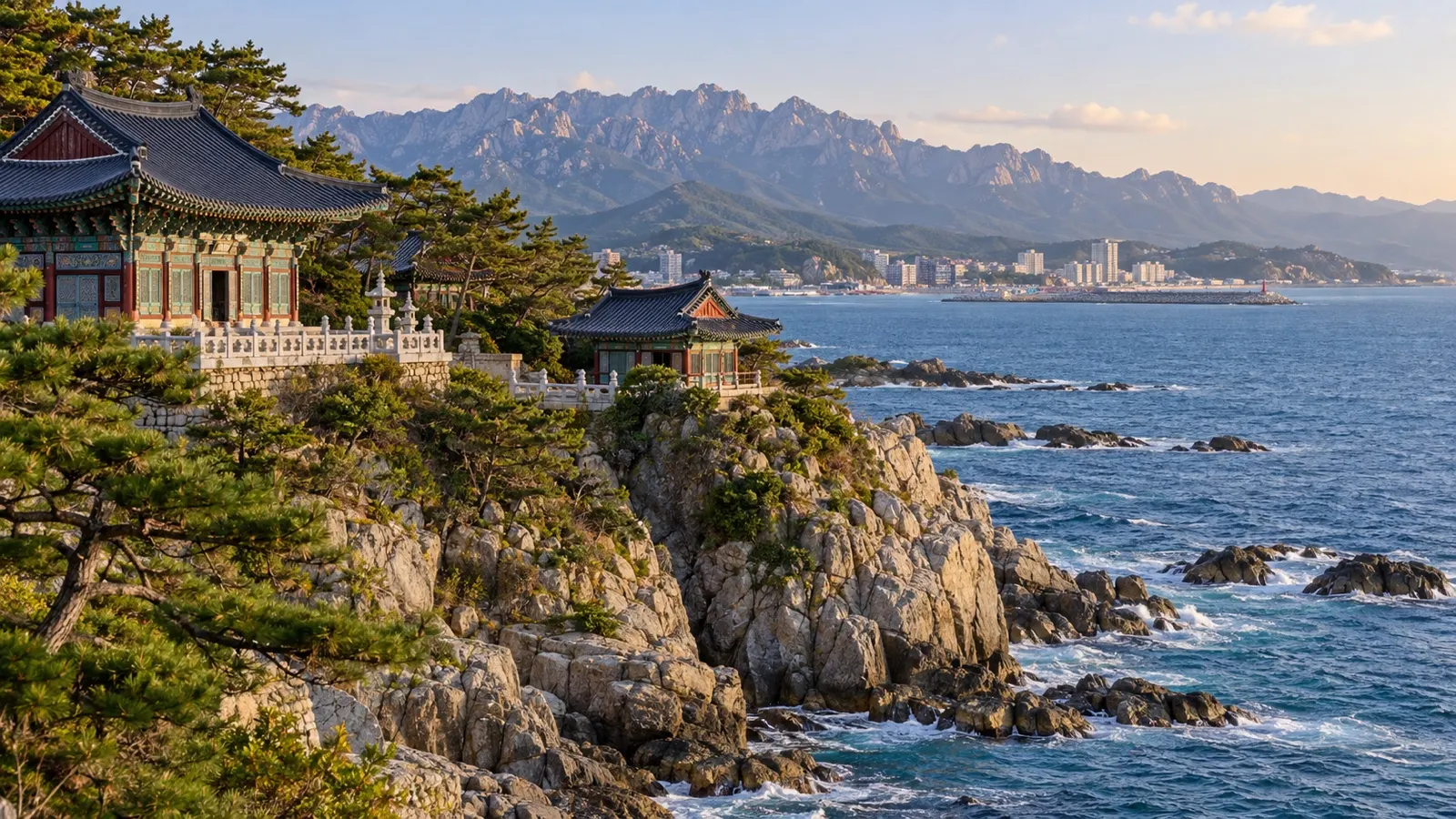
Confirm current opening, dress respectfully, keep voices low, and expect slopes or steps between areas. Pair it with one focused Sokcho stop through an organized tour or driver rather than crossing the city repeatedly.
Accessibility and family planning
The modern terminal offers the easiest part of the route, but distance from gangway through immigration to the vehicle can be substantial. Ask whether the call-day shuttle has a lift and reserved wheelchair space.
The market can have crowded aisles and wet floors, while the gaetbae may not suit every chair or scooter. A flatter Cheongchoho route or step-free vehicle tour can provide a calmer day.
Seoraksan accessibility varies by stop and current condition. Request exact surfaces, walking distances, vehicle steps, restrooms, and rest seating before booking.
Weather and seasonal reality
Sokcho has humid summers, a windy coast, crowded autumn foliage, and cold winters with mountain snow. Wear layers and carry a light waterproof shell even when the city forecast looks comfortable.
Typhoons can affect late-summer and early-autumn calls, while ice or high wind may close park facilities. Comfortable shoes need grip for market floors, temple paths, and mountain stonework.
Phones, payments, and language
South Korea is card-friendly, but foreign cards can fail at small terminals and market stalls. Carry some won and avoid relying on the perfect cash machine appearing after the shuttle leaves.
Save addresses in Korean and download offline maps. English help is more likely at the terminal and major visitor sites than in an ordinary taxi or small shop.
Korea’s visitor helpline can provide multilingual assistance, while the ship’s port agent is the key contact for a serious return problem. Keep both numbers outside any app that needs mobile data.
Three Sokcho days that fit
Easy city day
Use the market shuttle, eat locally, cross to Abai Village if the gaetbae suits, and walk part of Cheongchoho. Return on an earlier shuttle than the final run.
Classic Seoraksan day
Take a protected excursion for the entrance valley, temple area, and cable car if operating. Treat any city stop as a bonus rather than a promise.
Temple and coast day
Combine Naksansa with one focused market or waterfront stop using a driver. Keep the route linear and protect the port return.
Return-to-ship timing
Market travelers should choose an early shuttle and allow time for port security. Seoraksan or Naksansa visitors need a larger road buffer, especially during foliage season, weekends, storms, or snow.
Independent hikers require a firm turnaround based on the ship rather than the summit. Cut the route when conditions or crowds reduce the margin.
Save the terminal address, ship time, and port-agent contact offline. The cruise line’s same-day deadline overrides every general estimate in this guide.
When several ships or tour groups arrive together, allow extra time for elevators, coach loading, and security lines. Keep one final city stop optional so a small delay never forces a rushed port return.
Final thoughts
Sokcho is most rewarding when you choose the mountain or choose the city. Give Seoraksan a proper half day, or let the market and lagoon deliver a lively local visit with fewer moving parts.
CruisePorts.co provides practical, independent planning guidance for cruise travelers. Berths, entry rules, shuttles, park access, cable-car service, and weather can change, so verify critical details with official sources and your cruise line before travel.