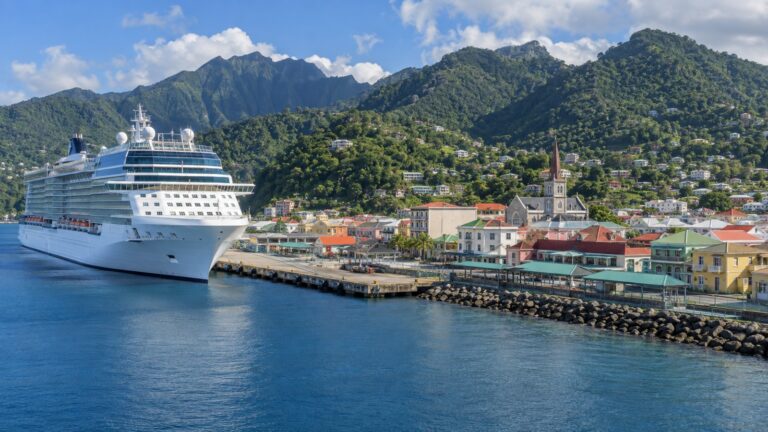
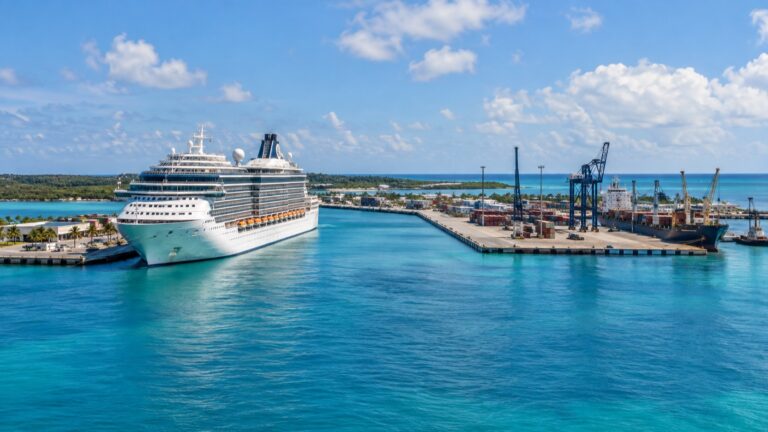
Port of Spain Cruise Port: Trinidad Culture, Caroni and Maracas
Port of Spain is a capital-city call built around steelpan, food, architecture, scarlet ibis, and mountain roads rather than a resort beach. Choose between Trinidad’s culture and nature early, then let traffic have an honest vote.
The ship normally docks inside a working commercial harbor, with the center close after passengers clear security. The best plans use an authorized driver beyond downtown and reserve enough time for a slow return through the city.
Quick facts about Port of Spain cruise port
- Arrival: Alongside at the Port of Spain cruise facility within a commercial harbor
- Terminal access: Follow the controlled passenger route and any secure-port transfer
- Downtown: Close beyond the port exit, with route advice best taken from ship or terminal staff
- Best city plan: Queen’s Park Savannah, the Magnificent Seven, Fort George, and local food
- Signature nature plan: Caroni Bird Sanctuary
- Beach excursion: Maracas Bay across the Northern Range
- Currency: Trinidad and Tobago dollar
- Language: English
- Main risks: Road traffic, intense rain, using unverified transport, and stacking distant attractions
The ship docks inside a working port
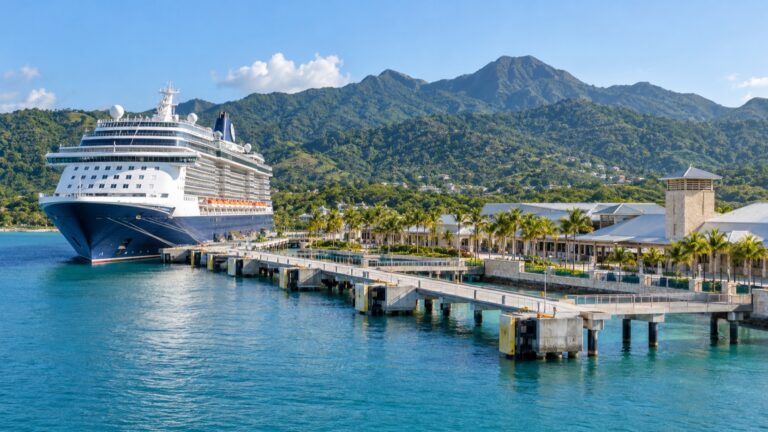
Cruise ships normally berth alongside on the western waterfront at Port of Spain. Passengers walk off the vessel, but the route to the city follows port security controls rather than an open public quay.
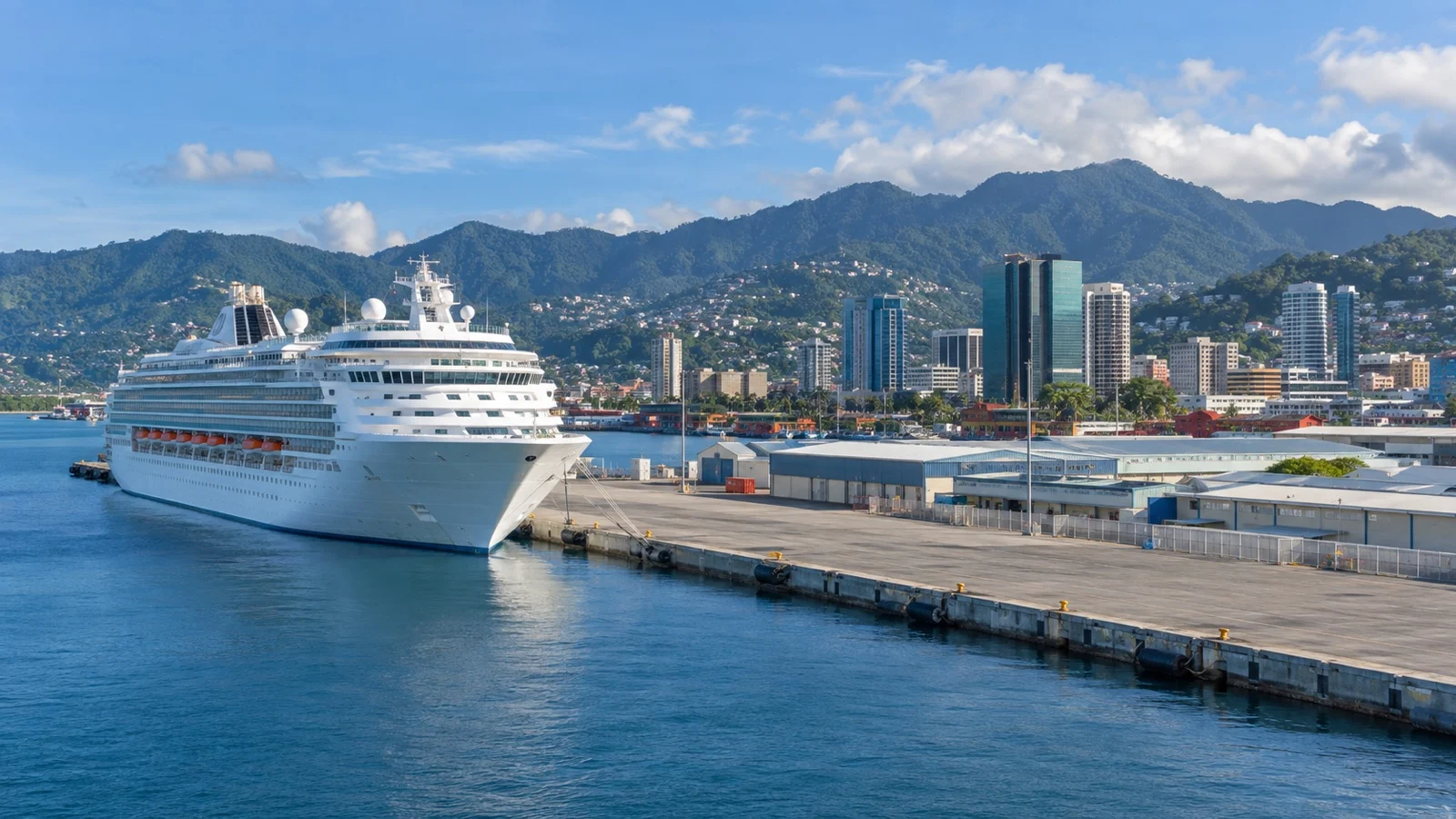
The Port Authority manages cruise operations, while the daily notice gives the sailing-specific berth, terminal exit, transportation staging, and all aboard. Gangway slope and walking distance can vary with the vessel and exact position.
Do not confuse Port of Spain on Trinidad with Scarborough on Tobago. The islands share a country and ferry system, but the attractions and road calculations are completely different.
Downtown is close but needs current guidance
Central Port of Spain begins beyond the controlled exit near Wrightson Road, with Independence Square, the Brian Lara Promenade, financial streets, and shops within the broader center. Walking may be geographically possible, but comfort and security vary by route and day.
Ask ship or terminal tourism staff which streets are recommended, move purposefully with companions, and keep valuables discreet. Use an authorized taxi or established guide for sights beyond the immediate downtown area.
The Trinidad and Tobago dollar is official, and established businesses often accept cards. Carry local small notes for food and taxis, then confirm which currency a quoted fare uses before entering the vehicle.
Queen’s Park Savannah opens the city up
Queen’s Park Savannah is the broad green space at the heart of upper Port of Spain, ringed by cultural institutions, food vendors, and the Magnificent Seven mansions. A taxi or guided city circuit is the practical way to reach it from the cruise terminal.
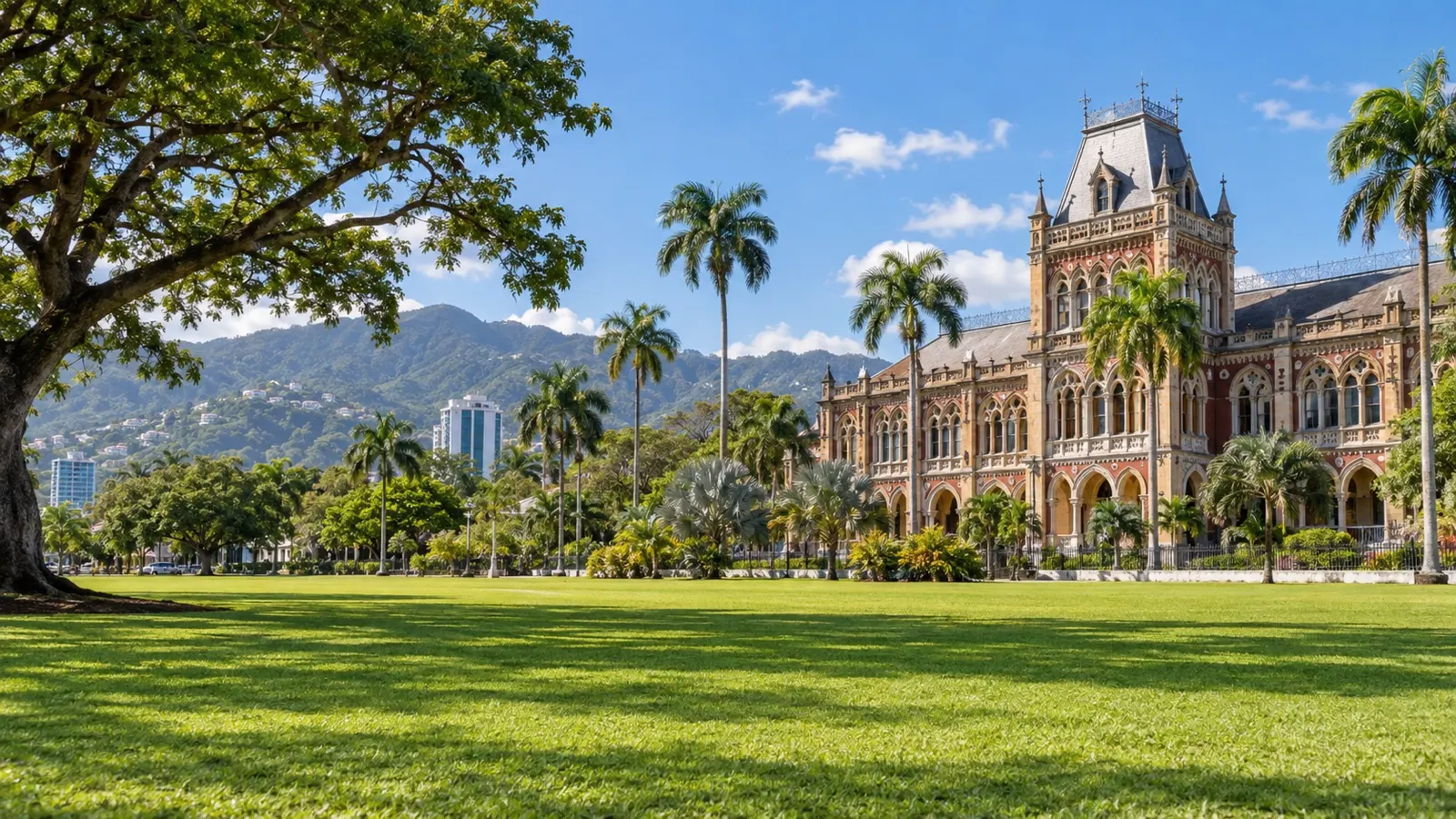
The mansions combine distinct architectural styles rather than seven versions of one colonial design. Public access and restoration status vary, so enjoy the exteriors and enter only when current signs or a guide confirm permission.
Food around the Savannah can become the highlight with doubles, roti, pholourie, corn soup, and fresh fruit. Ask about pepper sauce before agreeing bravely because Trinidad’s version of a little can be educational.
Fort George adds a compact viewpoint
Fort George sits in the hills northwest of the center with views across Port of Spain and the Gulf of Paria. Tourism Trinidad features a four-hour route combining downtown, Queen’s Park Savannah, the Magnificent Seven, a lookout, and the fort.
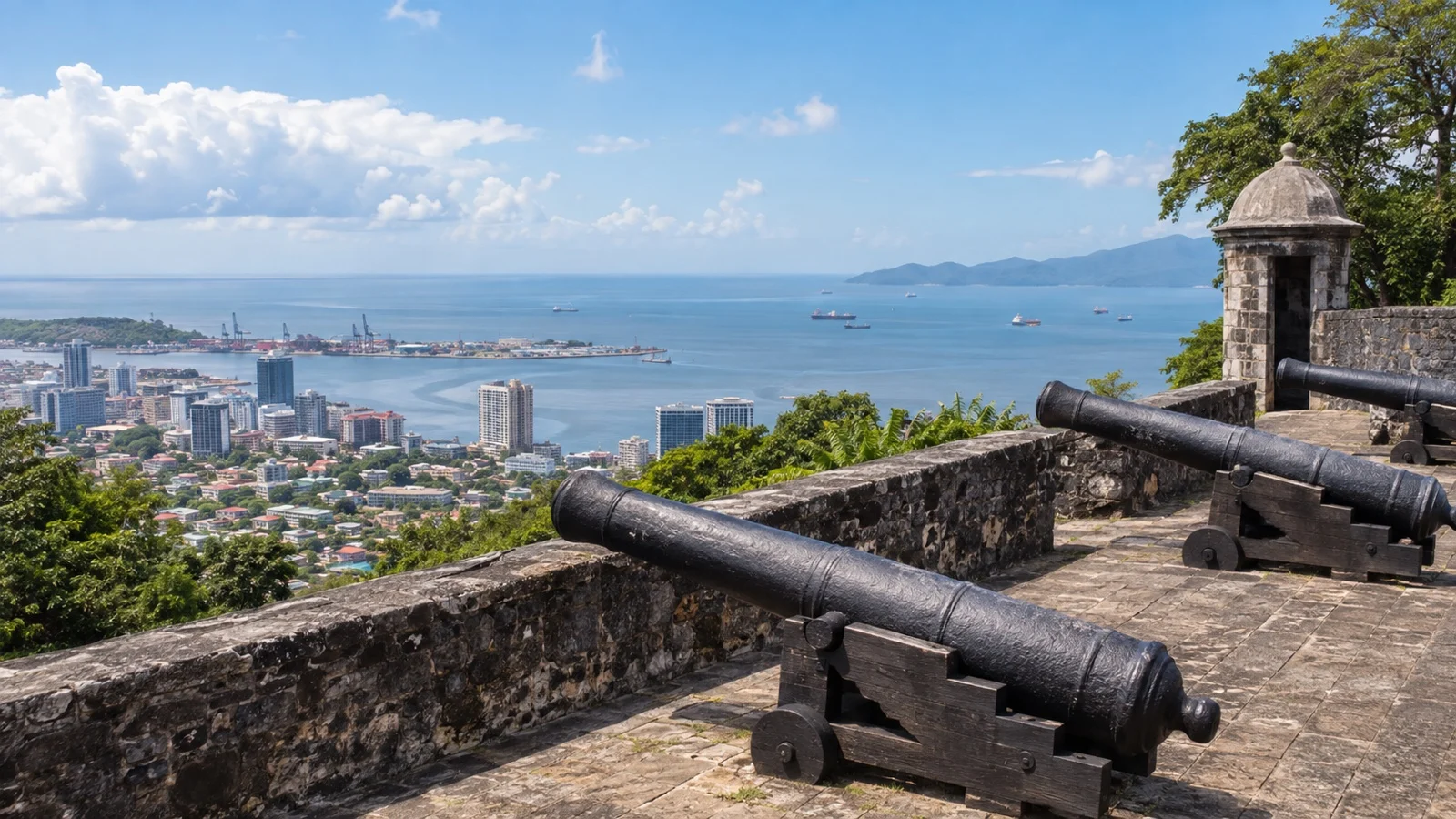
The narrow climbing road makes a driver preferable to walking. A half-day city and Fort George tour suits a short call, non-swimmers, and travelers who want a distinctly Trinidadian day.
Confirm current vehicle access and opening before departure, especially after heavy rain. Haze may soften the panorama, but the historical setting remains worthwhile when the horizon is feeling shy.
Caroni Swamp is the signature nature choice
Caroni Bird Sanctuary protects mangrove wetlands south of Port of Spain and is explored by guided flat-bottomed boat. Tourism Trinidad highlights the scarlet ibis, the country’s national bird, among the wildlife associated with these waterways.
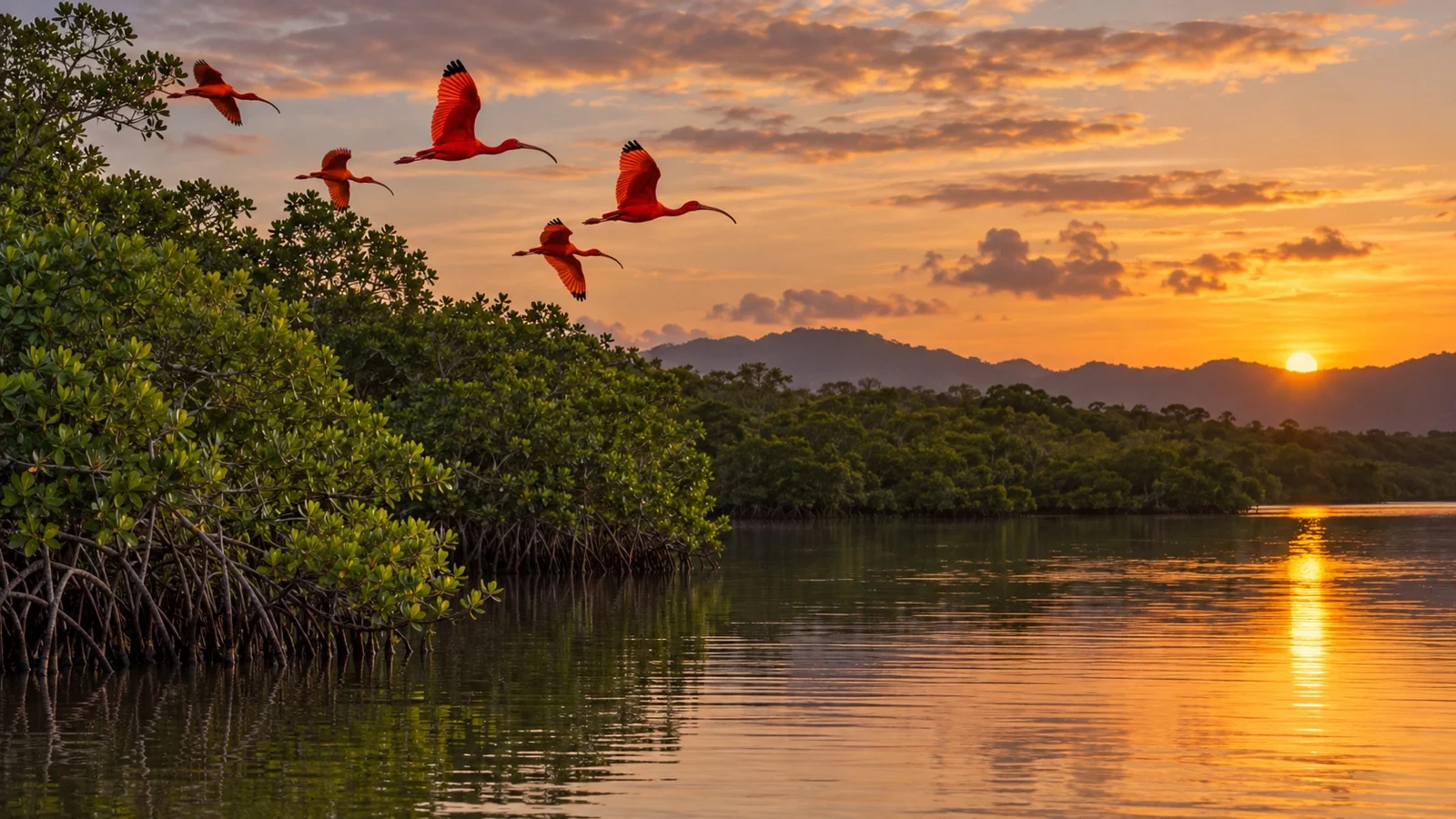
The famous roosting spectacle occurs late in the day and may not fit the ship’s departure. A morning or midday excursion still offers mangrove ecology and possible wildlife, but no responsible operator should guarantee a flock, caiman, or any other animal.
Use a ship excursion or established operator with round-trip transportation and timing matched to all aboard. Ask about shade, life jackets, dock steps, restrooms, insects, rain cover, and the exact return point.
Caroni can pair with a short city circuit when one operator controls the route. It combines badly with separate taxis and a boat departure arranged by someone unfamiliar with the ship.
Maracas Bay is a mountain-road beach
Maracas Bay lies on Trinidad’s north coast beyond a winding road through the Northern Range. The drive and lookout are part of the experience, while rain or traffic can make the trip longer than the mileage suggests.
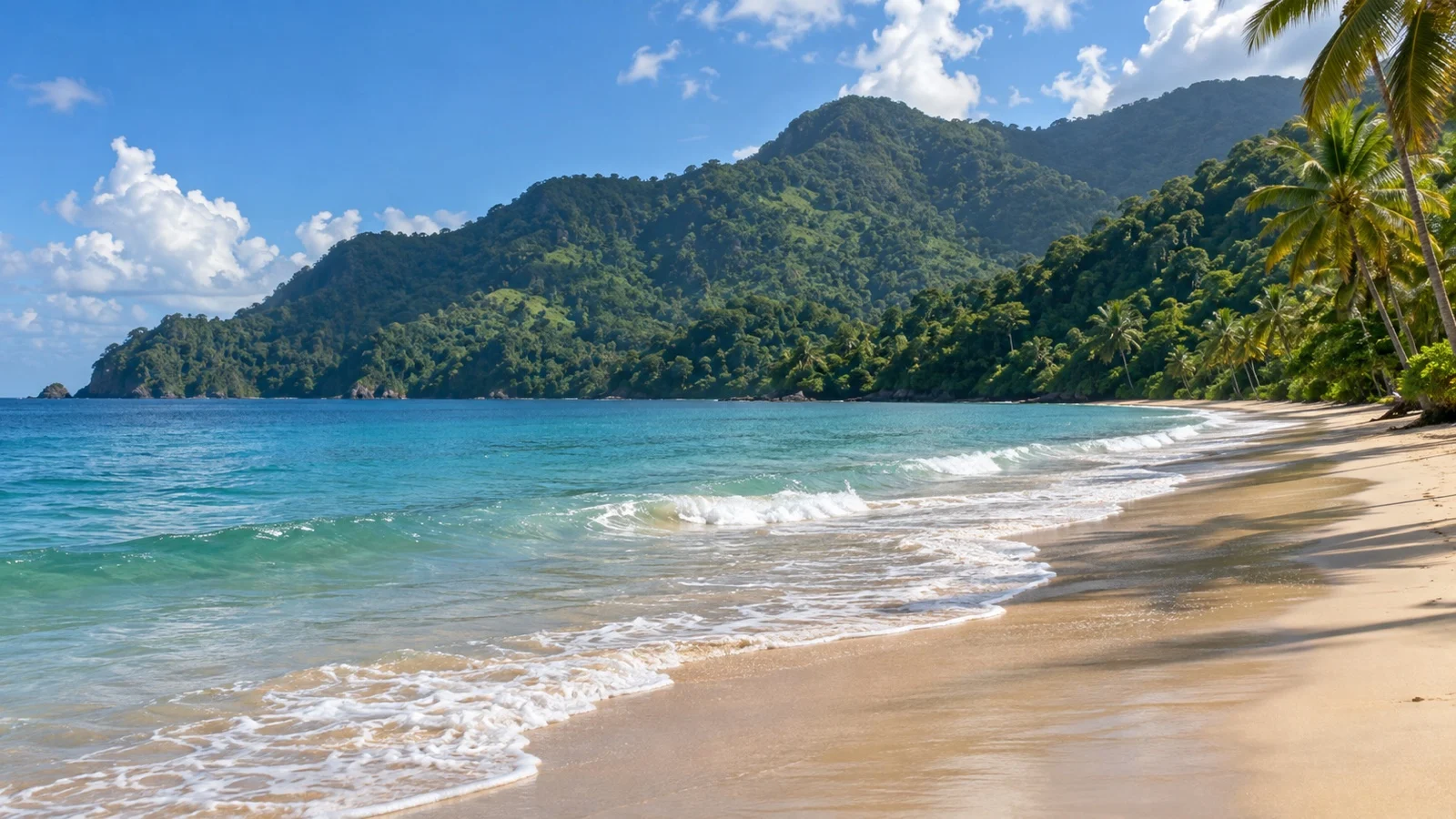
The broad beach is known for bake and shark, a fried fish sandwich finished with sauces and toppings. Confirm swimming conditions, watch valuables, and ask about allergens before turning the condiment counter into an architectural project.
A combined city, Maracas, and Caroni tour appears in Tourism Trinidad’s listings as a full-day experience. Attempt all three only through a reliable operator whose schedule explicitly fits your ship.
Asa Wright and Paramin require more road time
The Asa Wright Nature Centre sits in the Arima Valley and appeals to birders who prefer forest observation to a mangrove boat. Current access, reservations, trails, meals, and transportation should be confirmed directly.
Paramin climbs into the hills above the capital with spice farming, village culture, steep roads, and wide views. Use a suitable vehicle and local guide rather than persuading a standard taxi into an unplanned mountain route.
Gasparee Caves and offshore islands add scheduled boat transfers to the road journey. These are main-event excursions for a long call, not additions after lunch at Maracas.
Choose a schedule that survives traffic
Four to five useful hours
Choose a guided city circuit with Queen’s Park Savannah and Fort George. Keep the final part for a food stop and calm return to the port.
Six to eight useful hours
Make Caroni Swamp or Maracas Bay the central excursion and add only compatible city sights. One substantial destination creates a better day than a tour title full of commas.
A long call
A well-run city, Maracas, and Caroni circuit becomes possible, or choose deeper birding or cultural exploration. Preserve a large road margin when the route crosses mountains or relies on a boat.
Carnival culture is larger than one season
Trinidad Carnival is a specific season and cultural event rather than a guaranteed terminal performance. Outside Carnival, visitors can still learn about steelpan, calypso, mas-making, food, and community history through reputable guides and institutions.
Ask whether a Carnival-themed visit works with practicing artists and explains the traditions. Respect workshops and rehearsal spaces as creative workplaces, and compensate guides or performers through an established booking.
Accessibility begins at the gangway
An alongside berth avoids a tender, but gangway angle and the secure route through the port still vary. Request cruise-line help early and confirm whether any bus between ship and terminal is accessible.
City tours may use vans with high steps, while Fort George has slopes and uneven outdoor surfaces. Caroni boats require a dock transfer, and Maracas adds sand, so each operator must describe the exact movement.
Provide device dimensions and transfer ability before booking. Ask about lifts, securement, restrooms, seating, shade, and the distance from vehicle to attraction.
Heat, rain, and safety shape the route
Port of Spain is hot and humid throughout the year, with heavier rainfall during the wet season. A mountain shower can slow the north coast road even while the port remains dry.
Carry water, sun protection, a light rain layer, and insect repellent for wetlands. Intense rain can produce standing water or local traffic disruption, so keep the city and Fort George as a lower-risk alternative.
Stay in recommended visitor areas, use established transport, and keep jewelry and electronics discreet. Follow current ship and local security advice because conditions can change faster than a static article.
Entry and health rules depend on the route
Passport and visa requirements depend on nationality and the voyage before Port of Spain. Follow the cruise line’s written instructions and verify current Trinidad and Tobago government rules before sailing.
Check official health guidance for any certificate requirement created by recent travel through a yellow-fever-risk area. Carry the identification named in the daily program, needed medication, insect protection, and the port agent’s contact.
Protect the return through city traffic
Downtown and the Savannah need the smallest buffer, Caroni needs more, and Maracas, Paramin, Asa Wright, or a boat excursion needs the largest. Add time for rush hour, heavy rain, road incidents, and event closures.
If the first departure runs late, remove the final attraction rather than borrowing from the margin. The ship’s all aboard and secure-port transportation instructions override every general estimate.
Final thoughts
Port of Spain is strongest as a culture, food, and nature gateway rather than a hurried beach transfer. Choose city, swamp, or north coast, then give Trinidad’s roads enough respect to make the return pleasantly uneventful.
CruisePorts.co provides practical, independent planning guidance for cruise travelers. Anchorage, landing points, entry rules, site access, traffic, and weather can change, so verify critical details with official sources and your cruise line before travel.