Les Saintes Cruise Port: Terre-de-Haut Tender and Island Day
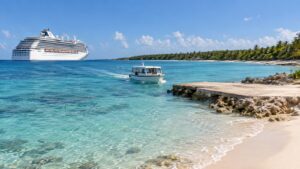
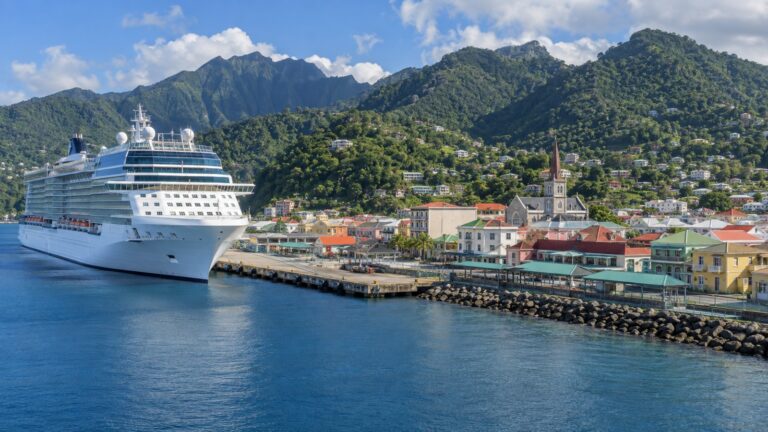
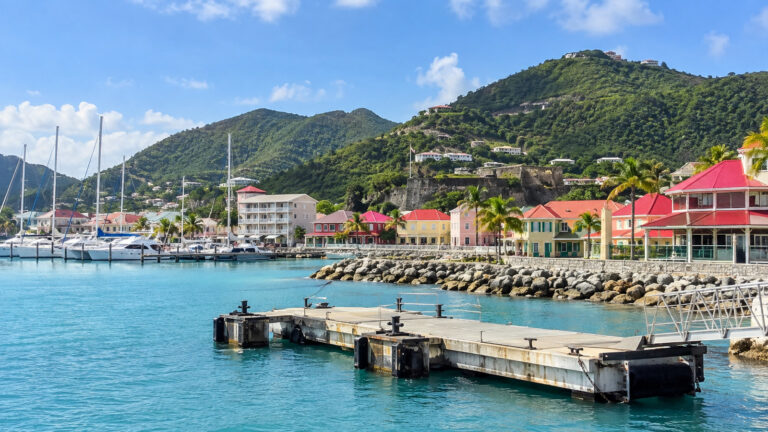
Les Saintes feels like the Caribbean distilled into one small, wonderfully walkable harbor: bright boats, red-roofed cottages, steep green hills, and water in every impossible shade of blue. Most cruise visits center on Terre-de-Haut, where your tender drops you beside Bourg des Saintes and the island starts charming you before both feet reach the pier.
This is not a port where I would build a military schedule with six timed stops. Pick one big priority, add a swim or village wander, and leave room for a tourment d’amour pastry and the tender ride back.
Quick Facts
- Arrival: Cruise ships normally anchor in the bay and use tenders to Terre-de-Haut.
- Tender landing: Bourg des Saintes, the compact village and island transport hub.
- Best first stop: Fort Napoléon, since official tourism guidance notes that it closes in the afternoon.
- Easy beach: Pompierre, roughly a 20-minute walk from the village according to the Guadeloupe Islands tourism board.
- Currency: Euro, with cash useful because ATMs are limited and some small businesses do not accept cards.
- Language: French is official, and Guadeloupean Creole is part of daily life.
- Getting around: Walking, electric carts, scooters, bicycles, taxis, and water taxis.
- Accessibility: The village is the simplest option, while tenders, slopes, uneven surfaces, and beach access require more planning.
Where ships anchor and tenders land
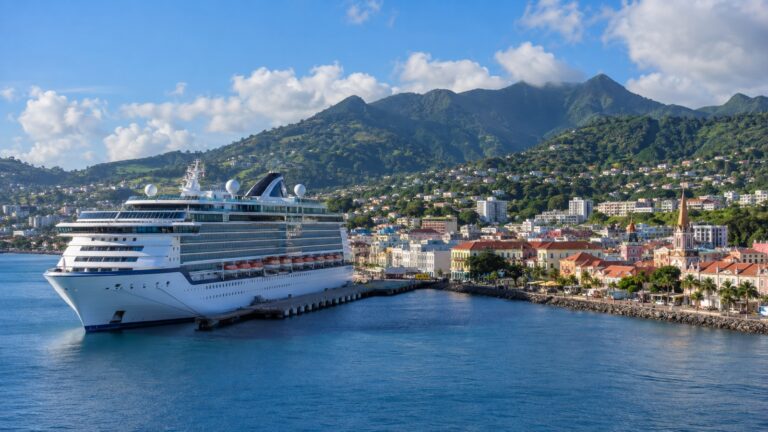
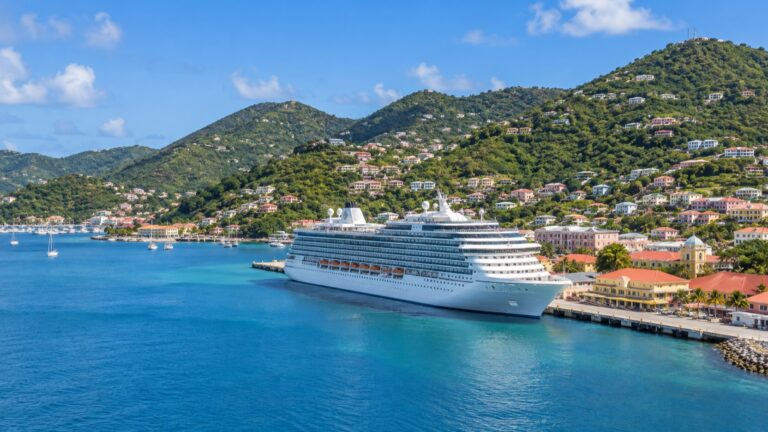
Terre-de-Haut does not have the sort of cruise pier where you step from a gangway into a terminal. Ships typically anchor in the beautiful natural bay, then tender passengers to the landing in Bourg des Saintes.
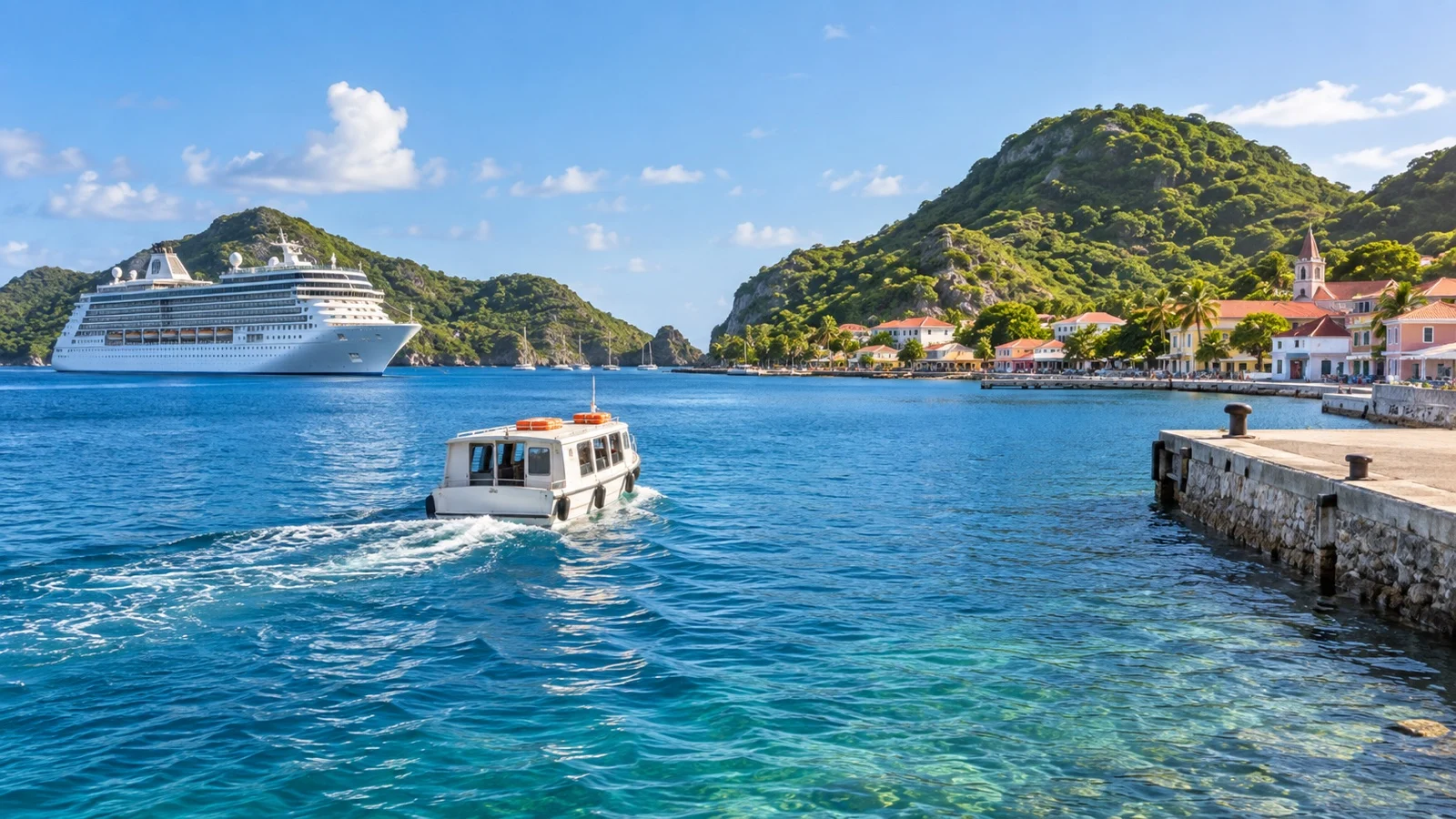
Tender operations depend on the ship, sea conditions, and local traffic, so use the instructions in your daily program rather than an online estimate. If independent tender tickets are distributed, collect yours early and treat the final return time as firm.
The ride is part of the pleasure when the water behaves, with the hills, Fort Napoléon, and the village opening around you. Anyone who is sensitive to small-boat motion should sit where the crew directs, keep both hands free for boarding, and ask the ship about mobility requirements before arrival.
Start with Fort Napoléon
If the fort matters to you, go there first. The official Terre-de-Haut visitor guide specifically recommends a morning visit because the site closes in the afternoon.
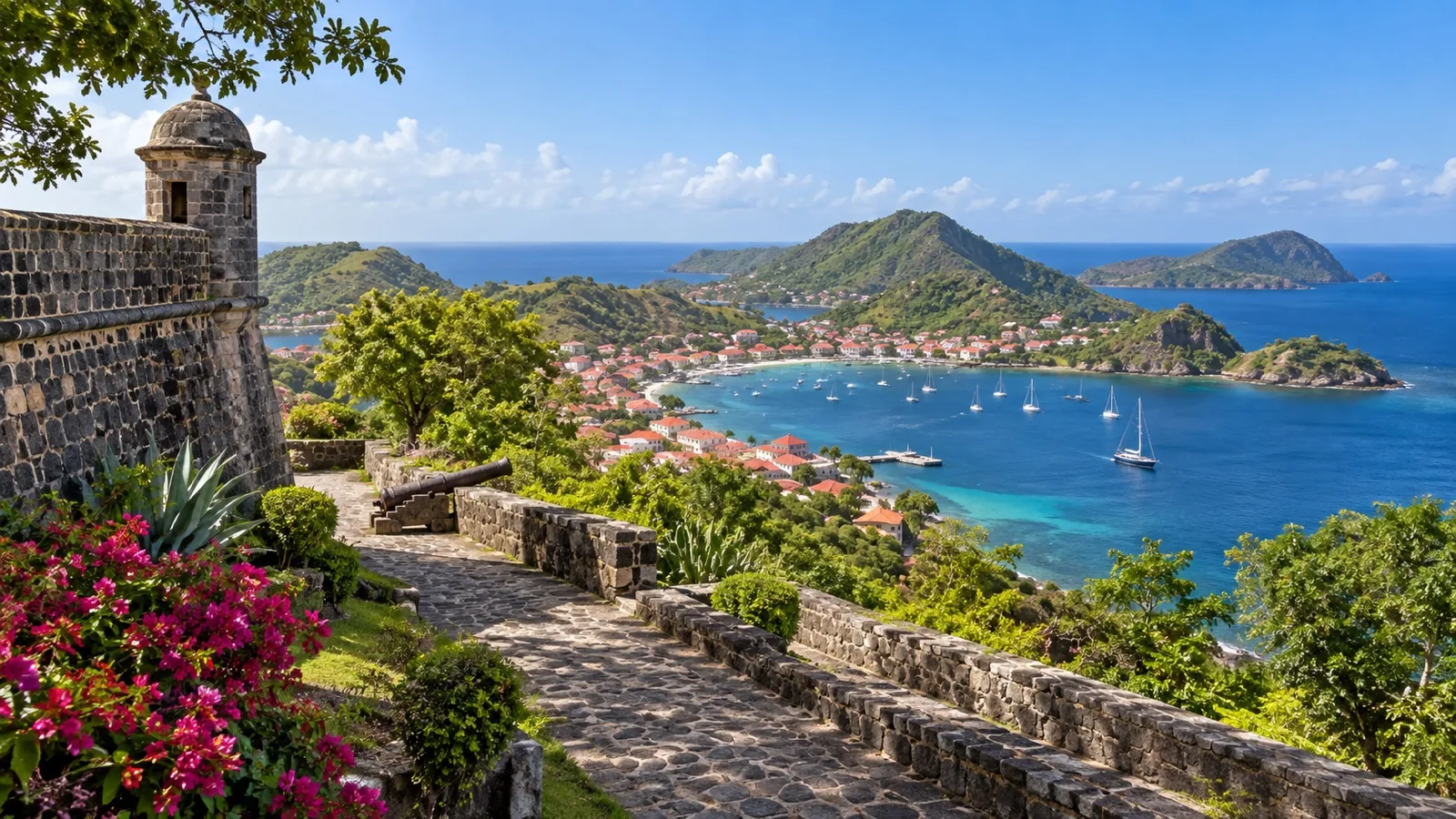
The climb from the landing takes about 30 minutes according to the tourism board, and the road earns its uphill reputation. An electric cart, scooter, taxi, or organized island tour can save your legs, though availability can tighten quickly when a cruise ship and mainland ferries arrive together.
Built between 1844 and 1867, Fort Napoléon overlooks the bay from a commanding perch. The museum covers naval battles, colonization, local traditions, and the natural world of Les Saintes, while the grounds include an exotic garden with cacti and other dry-island plants.
The view is the scene everyone hopes for, but the fort is more than a photo balcony. Give the exhibitions time, watch for iguanas without approaching or feeding them, and carry water for the hot return downhill.
Bourg des Saintes rewards a slow walk
Bourg is not merely a place to wait for the tender. Its narrow lanes, painted Creole houses, harbor activity, small shops, church, and glimpses of the bay make it an easy independent destination.
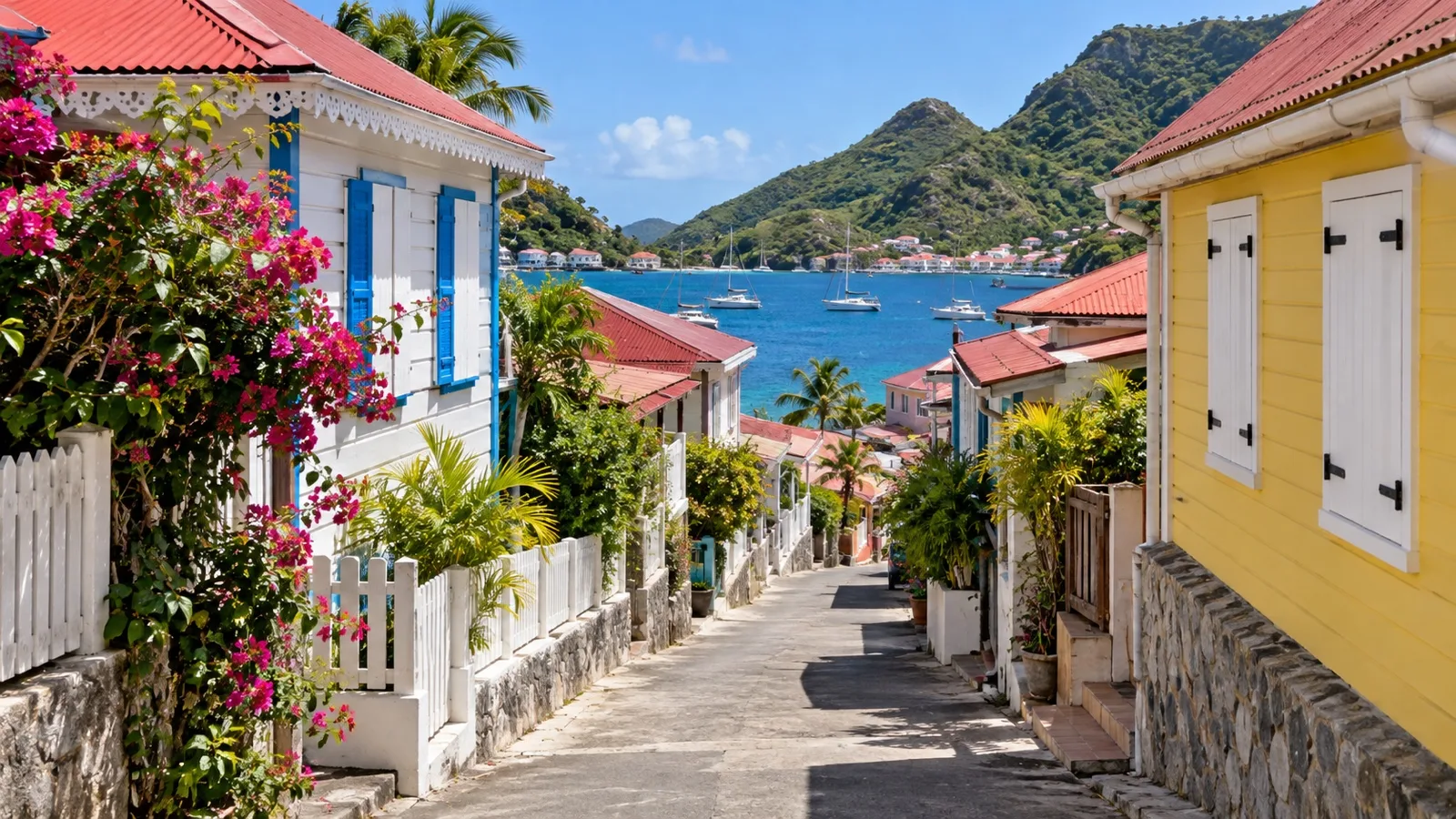
The village is also where I would build in breathing room before returning to the ship. Browse without rushing, order something cold, and try a tourment d’amour, the little cake associated with Les Saintes and commonly flavored with coconut, vanilla, or fruit.
Fresh fish, accras, colombo, conch, and French Caribbean cooking appear on local menus, but a small island has limited seating. If lunch is central to your plan, eat before the rush or reserve where possible rather than assuming every table will turn quickly.
Choose the right beach
Pompierre is the easiest beach to combine with the village for many visitors. The official Pompierre Beach guide describes a roughly 20-minute walk from Bourg, with bikes, scooters, and electric carts as alternatives.
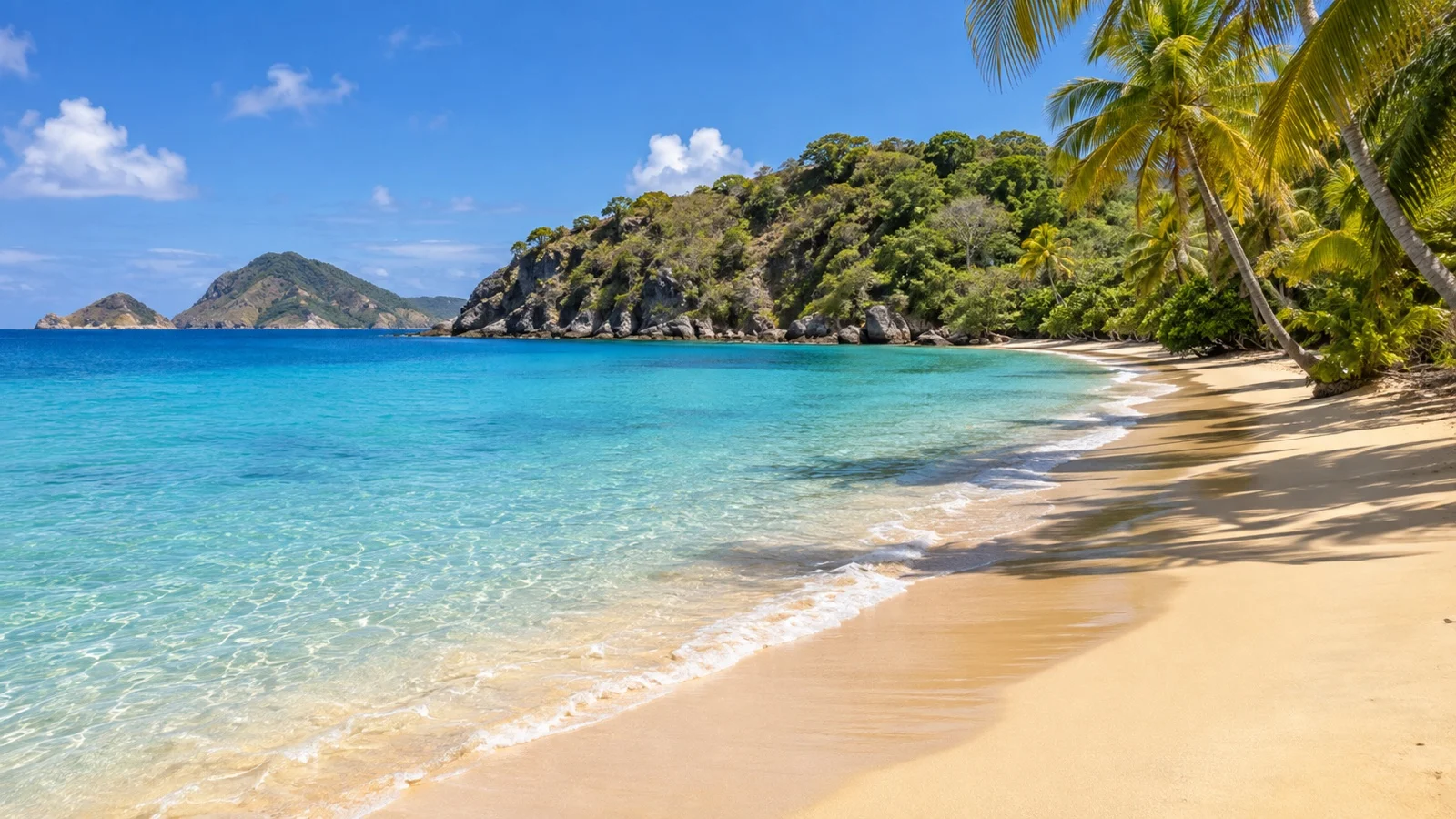
Pompierre sits in a protected-looking bay with palms, golden sand, and usually inviting water. It is not a supervised beach, and the tourism board warns that sargassum can occasionally affect conditions even though the municipality cleans the shore.
Pain de Sucre is the prettier choice for confident snorkelers who have transport or clear walking directions. Its small cove lies below the distinctive volcanic hill, but space, access, and water conditions can make it less forgiving than a simple village day.
Anse Crawen offers a quieter, less developed feel, while Marigot can pair with the Morne Morel area. None of these beaches should be treated like a managed resort, so bring water, sun protection, and only the gear you can comfortably carry.
Walking, carts, scooters, and taxis
Terre-de-Haut is small, but small does not mean flat. Walking works beautifully in Bourg and to selected nearby sights, while the hills make electric carts and taxis especially appealing for the fort or a broader circuit.
Scooters suit experienced riders who are comfortable with narrow streets, slopes, pedestrians, and unfamiliar traffic patterns. I would not make a port call the day to learn, because a minor mishap can become a very expensive missed-tender story.
Bicycles sound idyllic until the midday heat meets the first serious incline. An electric bike can be a better fit, but confirm the rental terms, brakes, battery range, and return procedure before leaving the shop.
Ask the price and route before accepting any taxi or tour, and confirm whether payment is by person or vehicle. If you rent transport, photograph its condition and note exactly where and when it must be returned.
Is Terre-de-Bas realistic on a cruise day?
Terre-de-Bas is the quieter inhabited neighbor, reached by local boat from Terre-de-Haut. It offers forest walks and a gentler village rhythm, but adding a second island also adds another schedule that can fail.
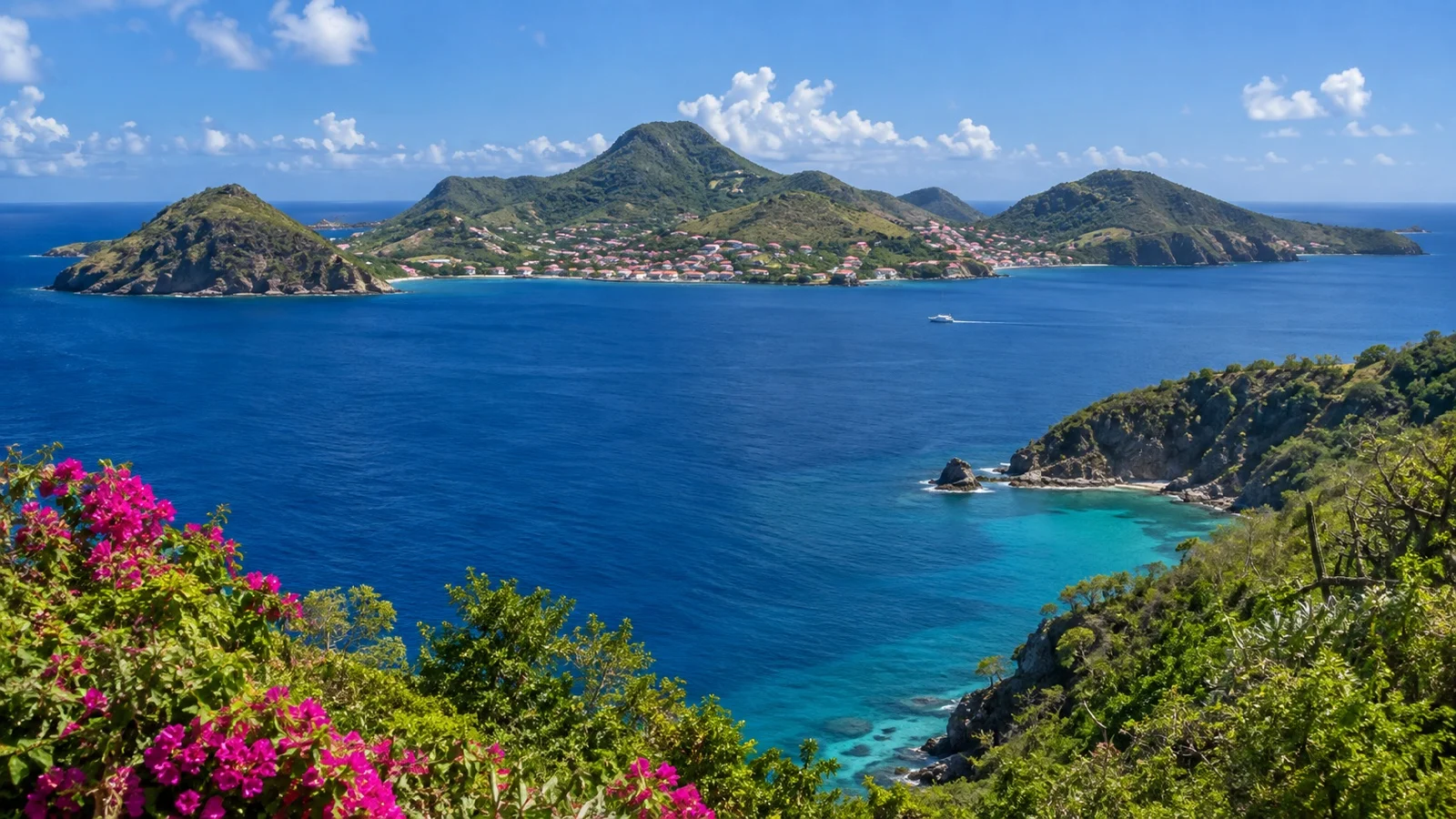
I would only attempt it on a long call with current boat times confirmed in both directions and a large margin before the ship’s last tender. For a first visit, Terre-de-Haut already has more than enough for one satisfying day.
Hiking needs an honest time check
The island’s ridges are tempting, but the strongest hikes deserve more time than most casual port plans allow. The official Les Saintes hiking guide rates the Le Chameau route as moderate at roughly 4.7 miles and 2.5 to 3 hours, with rocky or slippery sections possible.
Morne Morel is the softer option, but the tourism board still estimates about two hours for its route. Start early, use closed-toe shoes with grip, carry ample water, and turn around before time pressure begins making decisions for you.
A smart half-day plan
On a shorter call, take an early tender, go directly to Fort Napoléon, then return to Bourg for a pastry and a harbor walk. Add a beach only if your ship’s tender timing leaves a comfortable buffer after transport and changing clothes.
If steep access rules out the fort, make the village your anchor and use a taxi or cart for a scenic circuit. That plan delivers island character without forcing every minute through a stopwatch.
A relaxed full-day plan
With a generous call, visit Fort Napoléon first, spend late morning in Bourg, and choose Pompierre or Pain de Sucre for the warmest part of the day. Return to the landing area well before the rush and save your final shopping or drink for that buffer.
Active travelers can substitute Morne Morel for beach time, but stacking a fort, full hike, distant beach, and leisurely meal is optimistic. Les Saintes is loveliest when it does not feel like an obstacle course.
Tender timing and weather
Wind and swell can slow boarding, extend the ride, or change the landing plan. Your ship controls its tender operation, so the time printed or announced onboard outranks advice from a rental shop, restaurant, or traveler online.
Aim to be back near the landing before the final tender, not arriving at the last minute from the far side of the island. Queues, rental returns, a passing shower, or one slow road can consume a cushion surprisingly fast.
Accessibility and comfort
Tendering is the first accessibility question because boarding often involves steps, moving platforms, and crew assistance rules that vary by ship and conditions. Ask the cruise line before sailing whether your mobility device can be carried and what transfer ability is required.
Bourg offers the simplest outing, but narrow streets, occasional uneven paving, heat, and limited shade still matter. Fort Napoléon is uphill, and beaches may have sand or rough entries, so a taxi or prearranged accessible tour can be more comfortable than improvising ashore.
Money, language, and useful habits
Les Saintes is part of Guadeloupe, an overseas department of France, and the euro is the local currency. Cards are common in many established businesses, but the tourism board advises carrying cash because ATMs are scarce and some shops do not accept cards.
A friendly bonjour before asking a question goes a long way, and basic French helps outside the most visitor-focused businesses. Keep valuables simple, respect residents’ doorways and scooters, and ask before photographing people at close range.
Sun protection matters even on a breezy morning, and refill points become limited once you leave the village. Bring water, a hat, secure footwear, and reef-conscious sunscreen, then take every piece of trash back with you.
My honest take
Les Saintes is a tender port worth the extra step because the arrival places you inside the experience rather than beside a commercial terminal. Visit the fort early, choose one beach or walk, and let Bourg supply the unscheduled moments that make the island memorable.
Confirm every return time with your ship and keep the final hour uncomplicated. That is how you leave Terre-de-Haut smiling instead of sprinting toward a disappearing tender.
Ellie is the editor behind CruisePorts.co and writes practical port guides for travelers who want clear choices without the fluff. This guide was checked against current official Guadeloupe Islands tourism information, but always confirm tender operations and opening details with your cruise line before going ashore.