Limassol Cruise Port: New Port Terminal, City Transfer and Kourion
Limassol is Cyprus in two acts: first a modern working port, then a lively Mediterranean city of castle lanes, seafront parks, cafes, and a glamorous marina. The transfer between those acts is the detail that decides whether your cruise day feels effortless or oddly confusing.
Your ship normally berths at New Port, west of the historic center, not beside the restaurant terraces of Old Port. Once you solve that connection, you can choose a relaxed city day or commit to Kourion, one of the island’s most rewarding archaeological sites.
Quick Facts
- Primary arrival: Limassol New Port cruise terminal, operated by DP World.
- Arrival type: Cruise ships normally berth rather than tender.
- Terminal: A 7,000-square-meter passenger facility designed to handle about 3,000 passengers per call.
- City access: Ship shuttle, taxi, or public bus, depending on your call and comfort level.
- Public bus: Route 30 lists stops at New Port Passenger Building and Old Port.
- Best city plan: Limassol Castle, old-town lanes, Old Port, marina, and Molos waterfront.
- Best major excursion: Kourion, about 12 miles west of Limassol.
- Currency and traffic: Euro, with vehicles driving on the left.
Where cruise ships dock
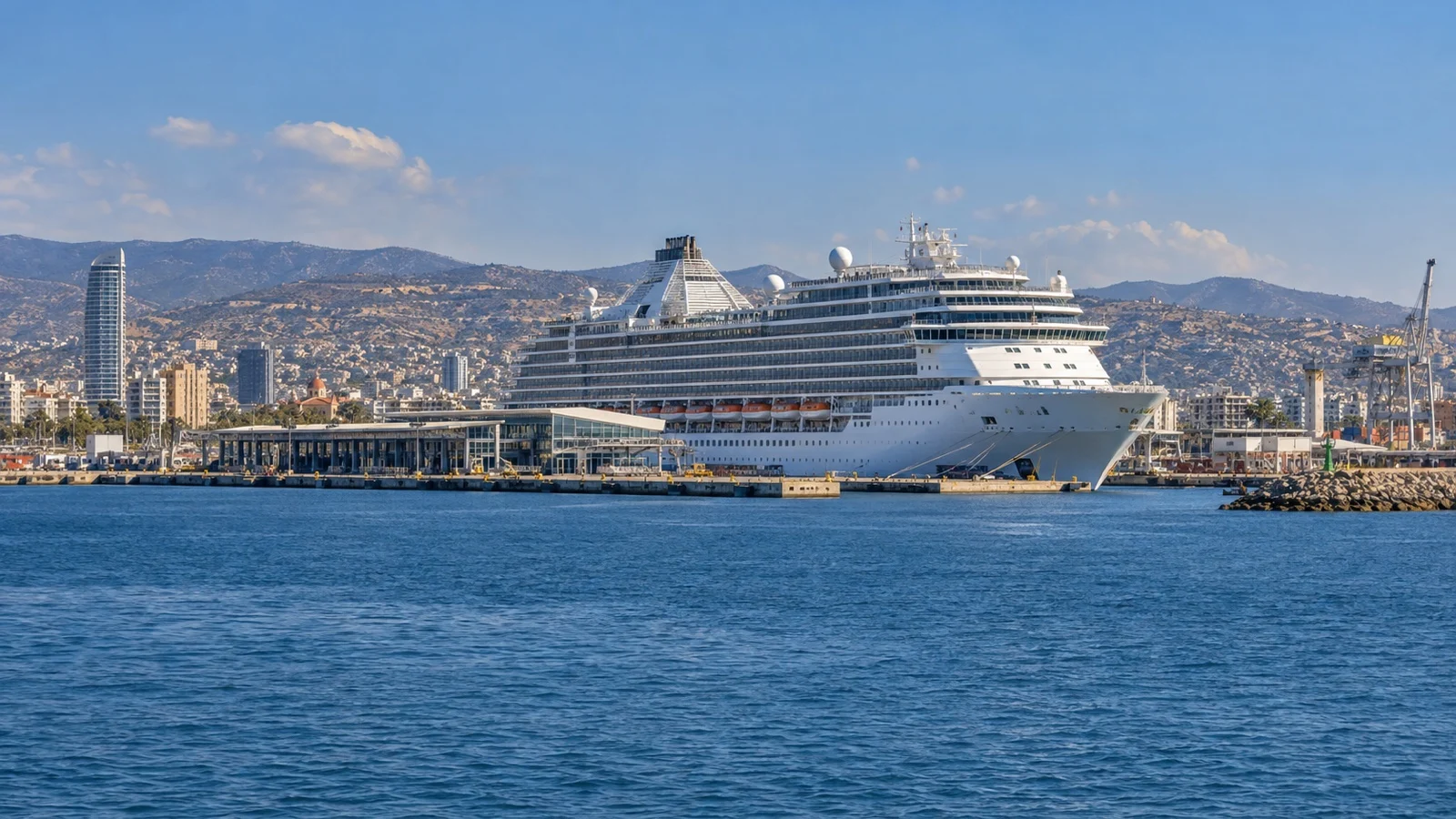
Limassol’s cruise ships use the multi-purpose New Port, which also supports freight and other maritime operations. The cruise terminal is modern, security regulated, and separate from the Old Port and marina shown in many visitor photographs.
DP World Limassol says its passenger terminal covers 7,000 square meters, can accommodate vessels up to 480 meters long, and handles about 3,000 passengers per call. Those impressive numbers do not make the old town walkable from the gangway, so plan a transfer.
Do not leave through an operational gate or walk along port roads unless staff explicitly direct you to a permitted route. Use the ship’s transport, terminal taxi arrangements, or the signed public-bus access for your sailing.
Ship shuttle, bus, or taxi?
A cruise shuttle is the simplest city option when your ship provides one, but the fare, drop-off point, and frequency vary. Photograph the city stop and confirm the last return before walking away, because Old Port, the marina, and other seafront points are easy to confuse.
Taxis are useful for Kourion, travelers with limited mobility, or a small group sharing the cost. Agree whether the fare is metered or fixed, confirm the currency, and state whether you want one-way transport or a driver waiting for the return.
Public bus 30 is the budget route linking the port side with Old Port and the long coastal hotel district. The official Limassol Buses route 30 currently lists New Port Passenger Building and Agias Theklis at Old Port among its stops.
Check the live route, direction, payment method, and return stop on the day, because a stop list is not a promise that the next bus fits your ship’s deadline. Ask terminal staff where cruise passengers should board rather than guessing beside a multi-lane port road.
Old Port is the best city starting point
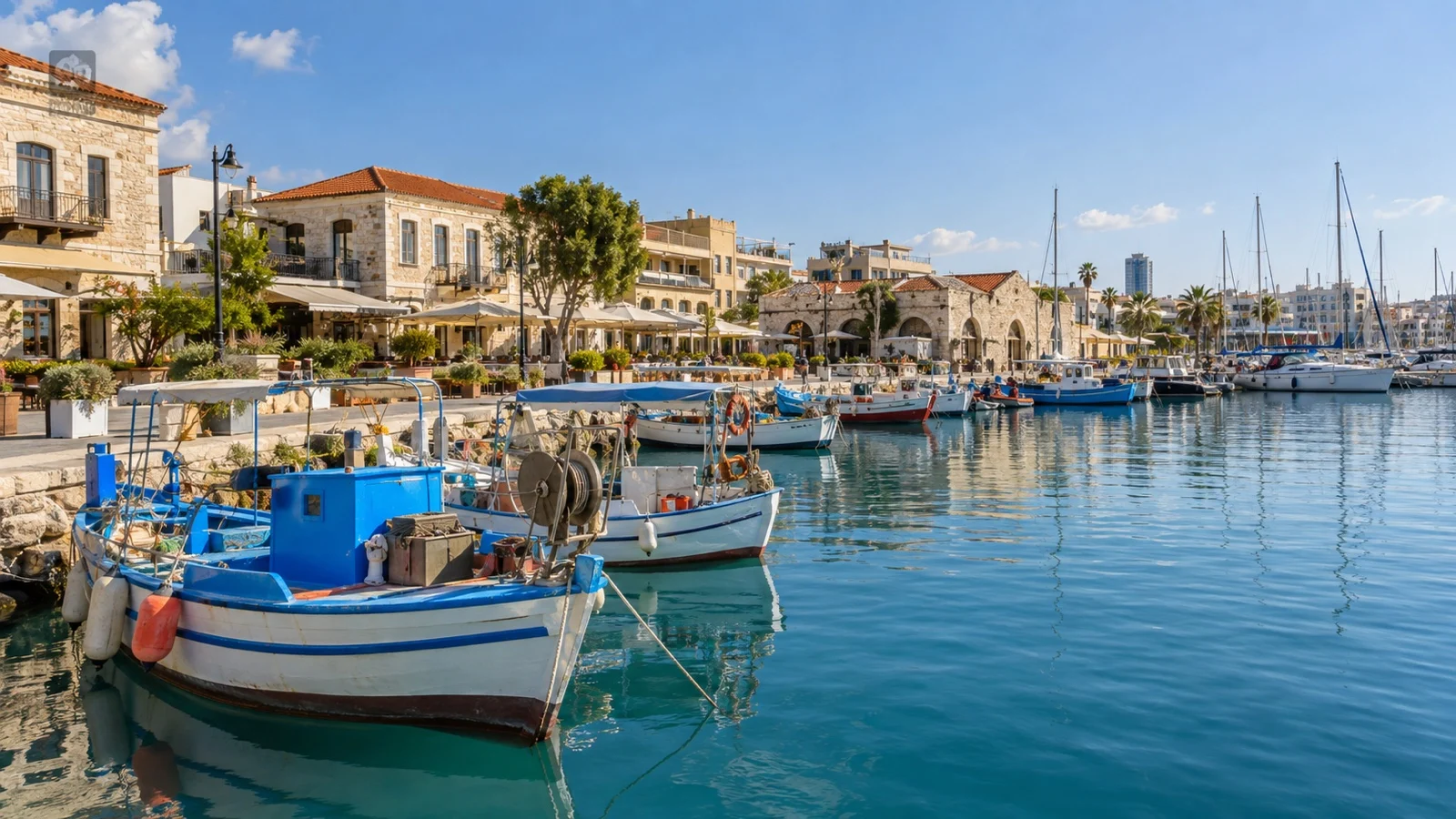
Old Port sits beside the modern marina and close to the historic center, making it the natural launch point for an independent day. Fishing-harbor history, restaurants, public space, yachts, and old-town streets meet within a comfortable radius.
The marina looks sleek, but the nearby lanes give Limassol its texture. Walk inland toward the castle, then return to the coast for Molos rather than marching in one straight line through the hottest part of the day.
Limassol Castle and the old town
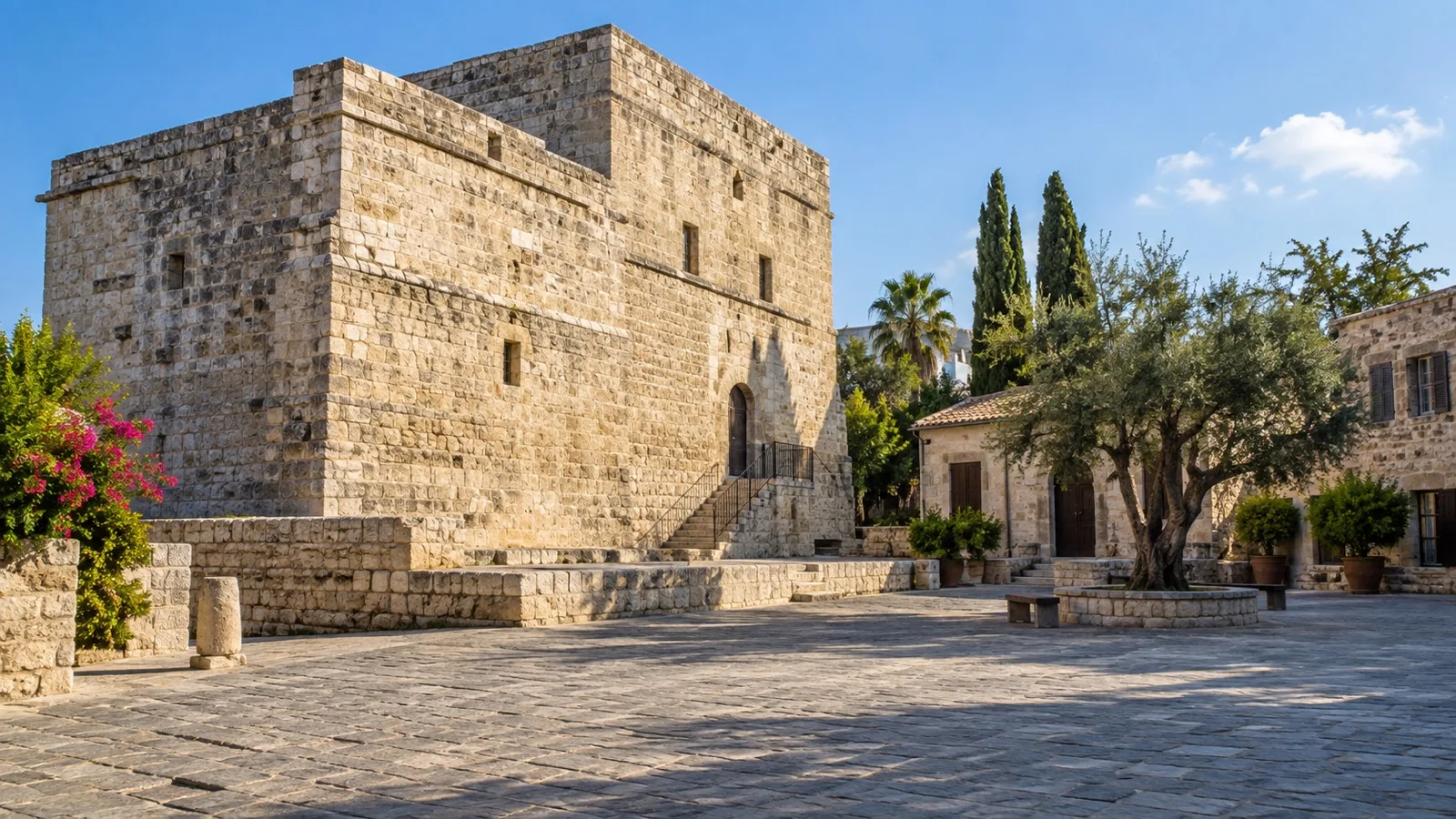
Limassol Castle anchors a compact pedestrian area of stone lanes, cafes, shops, and restored buildings. Tradition links the site with the marriage of Richard the Lionheart and Berengaria of Navarre, although the structure visitors see reflects several later periods and uses.
The castle houses the Cyprus Medieval Museum, but opening days and hours deserve a same-day check. Even if the interior is closed, the surrounding quarter remains worth visiting for its atmosphere and easy connection to Old Port.
Saripolou Square and nearby market streets add contemporary city life rather than another formal monument. Stop for coffee, browse local products, and remember that a slow meal can consume more time than the map suggests.
Molos is the gentler waterfront day
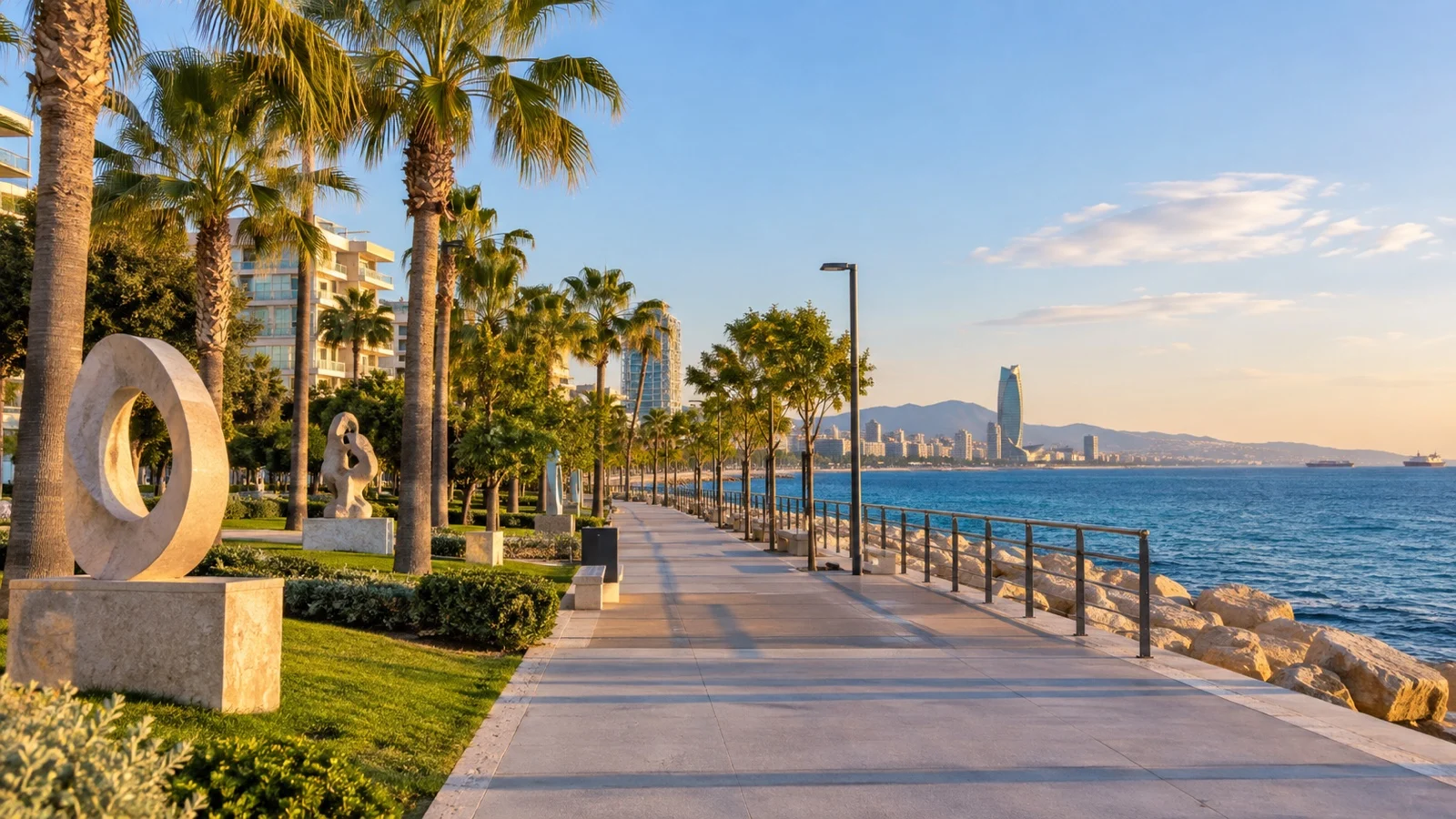
Molos is Limassol’s long seafront promenade and sculpture park east of Old Port. Broad paved paths, lawns, public art, sea views, and places to sit make it the easiest answer when museums or ancient stones are not your priority.
Walk only as far as you want, then use bus 30 or a taxi if the heat has rearranged your ambition. The promenade continues much farther than a quick glance from the marina suggests.
Kourion earns the excursion
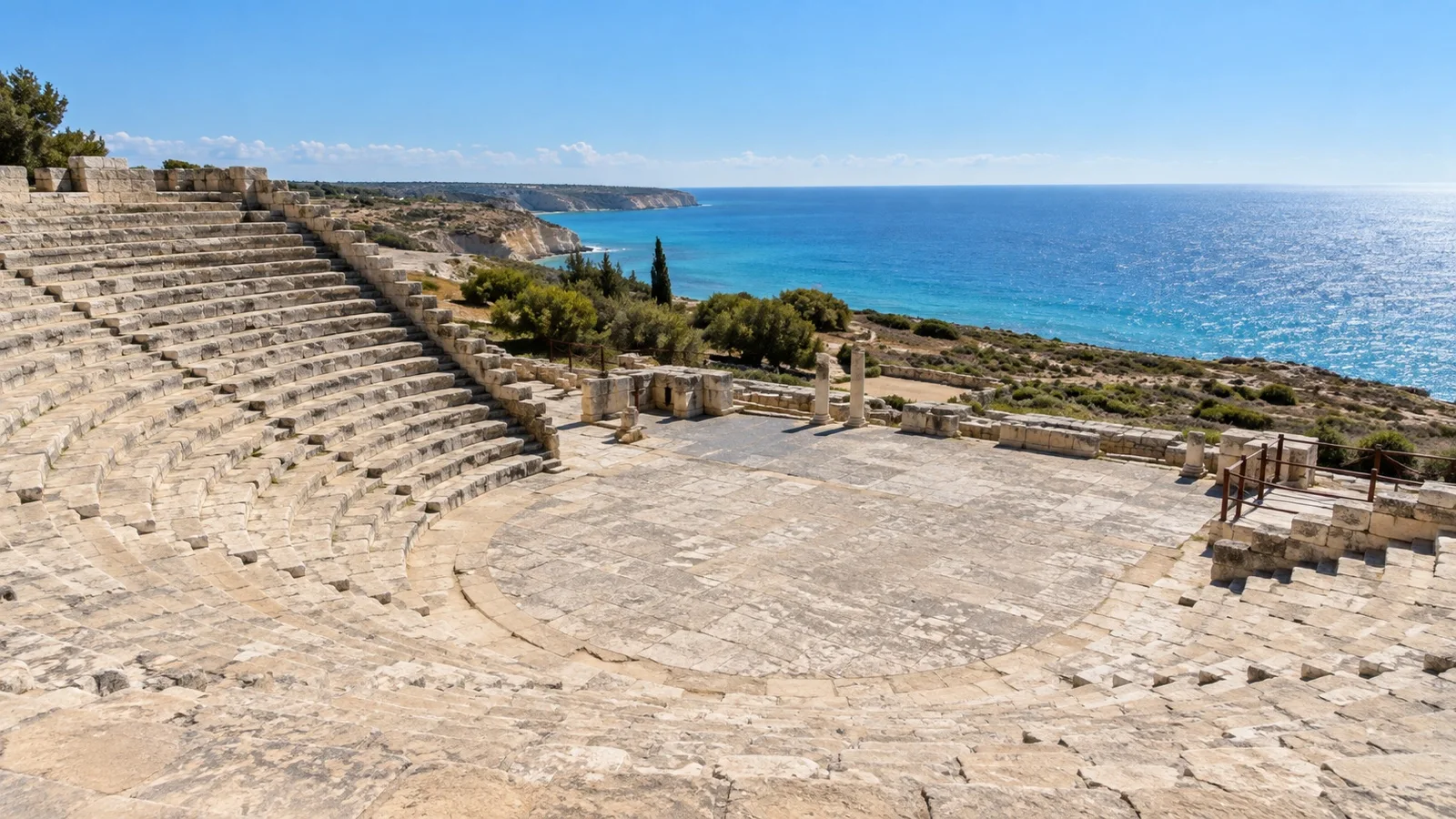
Kourion occupies a dramatic hilltop above the coast about 12 miles west of Limassol. Its Greco-Roman theater, mosaics, baths, houses, agora, and early Christian remains give the site enough substance for a dedicated half day.
The official Visit Cyprus Kourion guide identifies the restored theater as the centerpiece and highlights the mosaic floors of the House of Eustolios. It also lists the site as only partly accessible, with steps affecting some sections.
Kourion is exposed, bright, and larger than a quick roadside ruin, so bring water, sun protection, and shoes with grip. A ship excursion, prearranged taxi, or reputable private tour removes the hardest part of coordinating the return.
Official hours change seasonally and can be altered without notice, so verify the current schedule rather than copying last year’s opening time. The archaeological site closes on selected major holidays and should not be paired with a distant mountain loop on a short call.
Add Kolossi only when time allows
Kolossi Castle is a compact medieval stronghold west of Limassol, often combined with Kourion because the road geography makes sense. Its association with the Knights of Saint John and the sweet Commandaria wine gives the stop more context than its modest footprint suggests.
A combined Kourion and Kolossi tour can work neatly, but opening hours, vehicle waiting, and the ship’s return time still decide the pace. I would rather explore Kourion properly than sprint through both for two exterior photographs.
Wine villages and the Troodos foothills
Omodos and other wine villages offer stone lanes, traditional architecture, monasteries, wineries, and a cooler inland rhythm. They require a car and a dedicated route, since mountain roads make distance feel longer than the straight line on a map.
Book a driver or organized excursion that understands cruise timing, and confirm which tastings are included. Cyprus has strict drinking-and-driving laws, which is another excellent reason not to rent a car for a wine-focused day.
Beaches need transport and local judgment
Lady’s Mile lies west of the port and can suit a beach visit with a taxi, while the developed coast east of town offers other options along the bus 30 corridor. Conditions, facilities, and access vary by stretch, so ask where you are being dropped and how you will return.
Use designated swimming areas, heed flags, and do not leave valuables unattended on the sand. A beach day should still include enough time to dry off, find transport, and clear port security without a wet sprint.
What to eat
Cypriot meze is the delicious trap that can fill an entire afternoon, with many small dishes arriving in waves. Halloumi, dips, grilled meats, vegetables, seafood, and local breads are easy to find, but tell the restaurant about your time limit before ordering a full spread.
Try souvlaki or a simple mezze selection for a faster lunch, and consider Commandaria as a taste rather than a transport plan. Coffee culture is strong, while local wines and zivania reward travelers who are not responsible for driving.
A smart half-day plan
Take the ship shuttle or bus to Old Port, walk through the marina to Limassol Castle, explore the old-town lanes, and return along Molos. Have a light lunch near the castle or marina, then leave for New Port with a generous transfer margin.
If Kourion is the priority, go directly there on a prearranged excursion and keep any city visit short after returning. Do not spend the first hour browsing Old Port while your driver waits and the archaeological-site clock keeps moving.
A relaxed full-day plan
Visit Kourion early, add Kolossi if the pace and hours work, then return to Limassol for lunch and a short old-town walk. Keeping the final part near New Port creates a useful buffer against traffic or a slower site visit.
The city-only alternative is wonderfully simple: castle quarter, market streets, marina, Molos, and a proper Cypriot lunch. It feels more like a day in Limassol than a survey of Cyprus through a bus window.
Accessibility
The cruise terminal is a modern passenger facility, but accessible transfer into the city must still be confirmed with the cruise line or tour operator. Ask whether the shuttle has a lift or ramp and whether a mobility device can remain occupied during boarding.
Limassol Tourism publishes dedicated accessible travel information, and Molos offers one of the flatter outdoor routes. Old-town lanes may include uneven paving and curb transitions, while Kourion is officially listed as partly accessible rather than fully step free.
A prearranged accessible taxi can connect the terminal, castle area, and waterfront more comfortably. Confirm the vehicle, not merely the reservation, because a standard sedan does not become accessible through optimism.
Heat and left-side traffic
Cyprus can be intensely hot and dry from late spring through early autumn, and exposed archaeological sites amplify that heat. Carry water, a hat, sunscreen, and breathable clothing, then schedule Kourion or longer walks early.
Vehicles drive on the left, a legacy that catches pedestrians looking the wrong way. Check both directions at every crossing, and use extra caution when stepping around parked cars or leaving the marina area.
Money, language, and return timing
The Republic of Cyprus uses the euro, and cards are widely accepted in Limassol. Carry some cash for small purchases, check taxi terms before departure, and choose payment in euros if a terminal offers an unfamiliar home-currency conversion.
Greek is the main local language, with English widely understood in tourism settings. A friendly kalimera, parakalo, and efcharisto is appreciated even when the rest of the conversation continues in English.
Return to the shuttle or bus stop earlier than the final possible departure because New Port security and the transfer still stand between you and the gangway. For Kourion or village tours, build the deadline backward from the ship and add traffic rather than trusting the fastest map estimate.
My honest take
Limassol asks for one practical decision at the beginning, then becomes easy. Transfer from New Port, choose either the city or Kourion as your anchor, and resist turning Cyprus into a collection of rushed roadside stops.
Kourion is worth the drive for history lovers, while Old Port, the castle, Molos, and a long lunch make an excellent low-stress alternative. Both are real Limassol days, and neither needs an overloaded itinerary.
Ellie is the editor behind CruisePorts.co and writes practical port guides for travelers who want clear choices without the fluff. This guide was checked against current DP World, Limassol Buses, Visit Cyprus, and Limassol Tourism information, but always confirm transfers and opening hours for your sailing.