Reykjavik Cruise Port: Golden Circle, Blue Lagoon & City
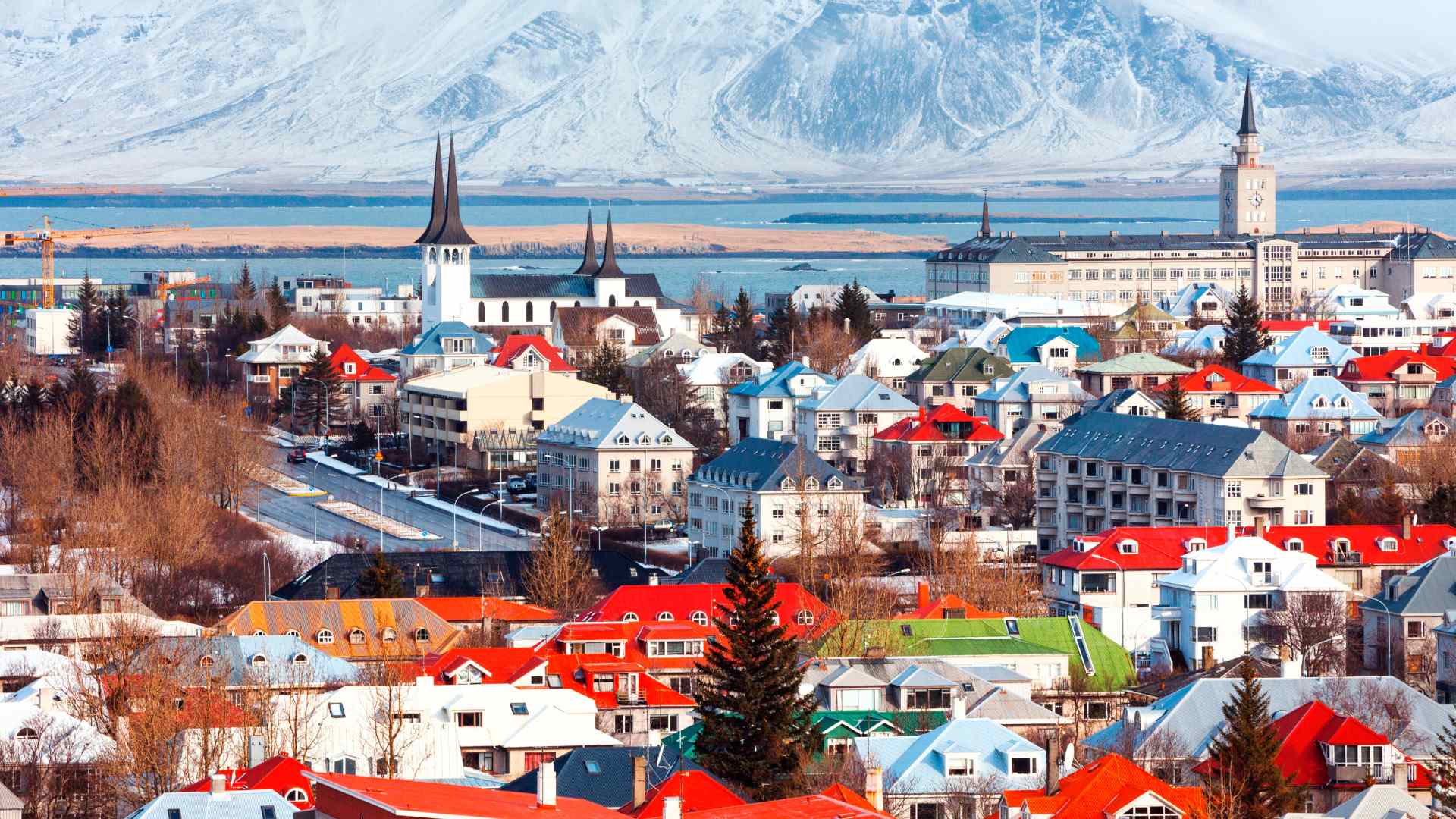
Reykjavík can be a compact city day, a launch point for the Golden Circle, or the practical place to add a geothermal lagoon. The best choice depends less on ambition than on your berth, hours ashore, road conditions, and how many transfers you are willing to trust.
I would give a full call to the Golden Circle, keep a shorter call in the city, and reserve the Blue Lagoon for a day with confirmed access and transportation. Reykjavík rewards a clear decision made before the gangway opens.
Reykjavík Cruise Port Quick Facts
- Main large-ship area: Skarfabakki in the Sundahöfn port district, with the exact quay shown on the live port schedule.
- Central berths: Some smaller passenger ships use Miðbakki or Faxagarður near the Old Harbor.
- Port operation: Most calls berth alongside, while the ship’s daily program controls any exception.
- Best full-day trip: The Golden Circle with Þingvellir, the Geysir area, and Gullfoss.
- Best short-call plan: Hallgrímskirkja, central streets, Harpa, the Old Harbor, and an optional city-area lagoon.
- Currency: Icelandic króna, though cards are accepted widely.
- Safety source: Check SafeTravel for current road, weather, hiking, and Reykjanes alerts.
- Return rule: Build the day backward from the ship’s stated all aboard time.
First Confirm Your Reykjavík Berth
The Ports of Faxaflói operate several passenger berths across Reykjavík. Their live arrivals page shows large cruise ships assigned to Skarfabakki and smaller passenger vessels using central quays such as Miðbakki.
Skarfabakki sits east of the compact center in the Sundahöfn port area, while Miðbakki is beside the Old Harbor. That distinction can change whether you begin with a shuttle or simply walk into town.
Check the port’s live schedule and the ship’s daily program for the exact quay. Do not assume a berth based only on vessel size, an old itinerary, or a hotel transfer description.
The port’s cruise page still describes its new multi-purpose passenger terminal as opening in spring 2026. Because the official wording remains prospective after that date, confirm which terminal, baggage, taxi, and shuttle services are actually operating for your sailing.
Getting From Skarfabakki to the Center
Cruise lines may offer a shuttle from Skarfabakki, but route, price, frequency, and final return vary. Read the onboard notice before leaving instead of assuming the service is free or runs continuously.
Taxis can be efficient for a small group, especially when time is tight. Confirm where the official rank is, whether a return must be booked, and the expected fare before departing.
City buses are operated by Strætó, with ticketing and current routes shown through its official channels. Check the nearest stop and live service because port-area construction or seasonal changes can alter the most useful route.
Walking from Skarfabakki is possible for fit visitors in suitable weather, with a coastal route toward central Reykjavík. Wind and rain can make the same distance feel much longer, so keep a transit backup.
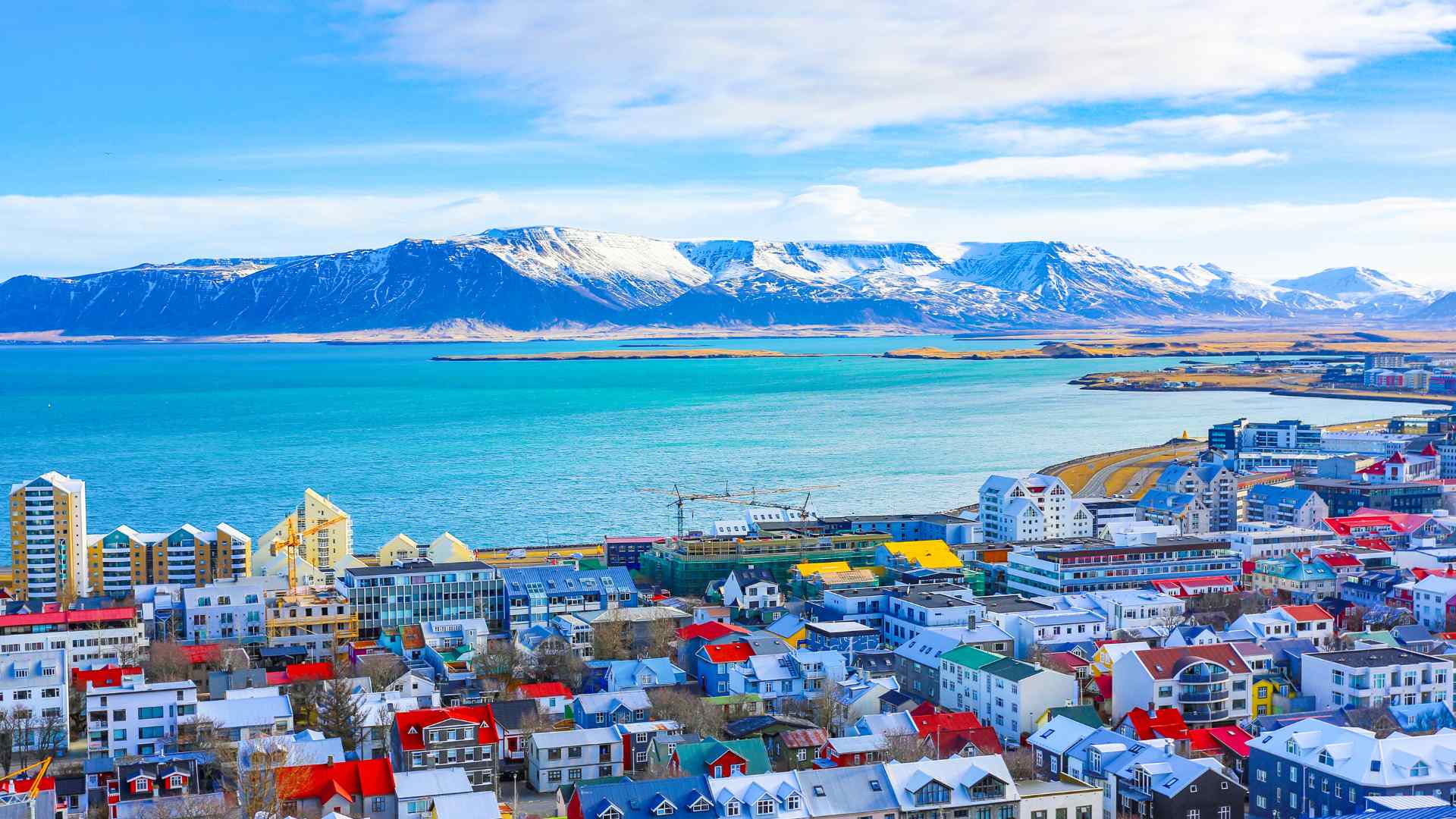
A Strong City Day
Hallgrímskirkja is Reykjavík’s visual landmark and a natural first stop. Check the church’s official visitor information because services, concerts, tower access, and opening hours can change independently.
From the church, walk down toward Laugavegur and the central streets. Shops, cafes, books, design, and street life fill the route without requiring a timed vehicle.
Harpa provides architecture, waterfront views, cultural context, and very welcome shelter in bad weather. Public areas may be accessible even when performances or private events limit other spaces.
The Old Harbor mixes working boats, museums, restaurants, and wildlife-tour operators. It is also close to central passenger berths, though a Skarfabakki ship remains farther east.
A city day is not a consolation for missing the countryside. It offers the most flexibility, the easiest weather adjustments, and the lowest risk of a road delay threatening the ship.
The Golden Circle
The Golden Circle usually combines Þingvellir National Park, the Geysir geothermal area, and Gullfoss. It is a substantial road loop rather than a quick extension of a city walk.
Þingvellir connects Iceland’s national history with visible rift geology. The national park states that the Alþing assembly was established there around 930 and continued to meet at the site until 1798.
The official park site provides current weather, road conditions, parking information, maps, and visitor-center details. Use those live sources because snow, wind, ice, maintenance, or crowd management can affect the paths and viewpoints.
At the Geysir area, Strokkur is the active feature most visitors watch, while conditions and eruptions remain natural rather than scheduled entertainment. Stay on marked paths because geothermal ground can be dangerously hot and fragile.
Gullfoss sends powerful water into a canyon and can be wet, windy, and slippery. Wear shoes with grip and follow any closure at viewpoints or stairways.
A ship excursion provides the clearest protection if road delays affect the return. A rental car offers flexibility, but weather, fuel, parking, navigation, and the port deadline become entirely your responsibility.
Blue Lagoon Planning
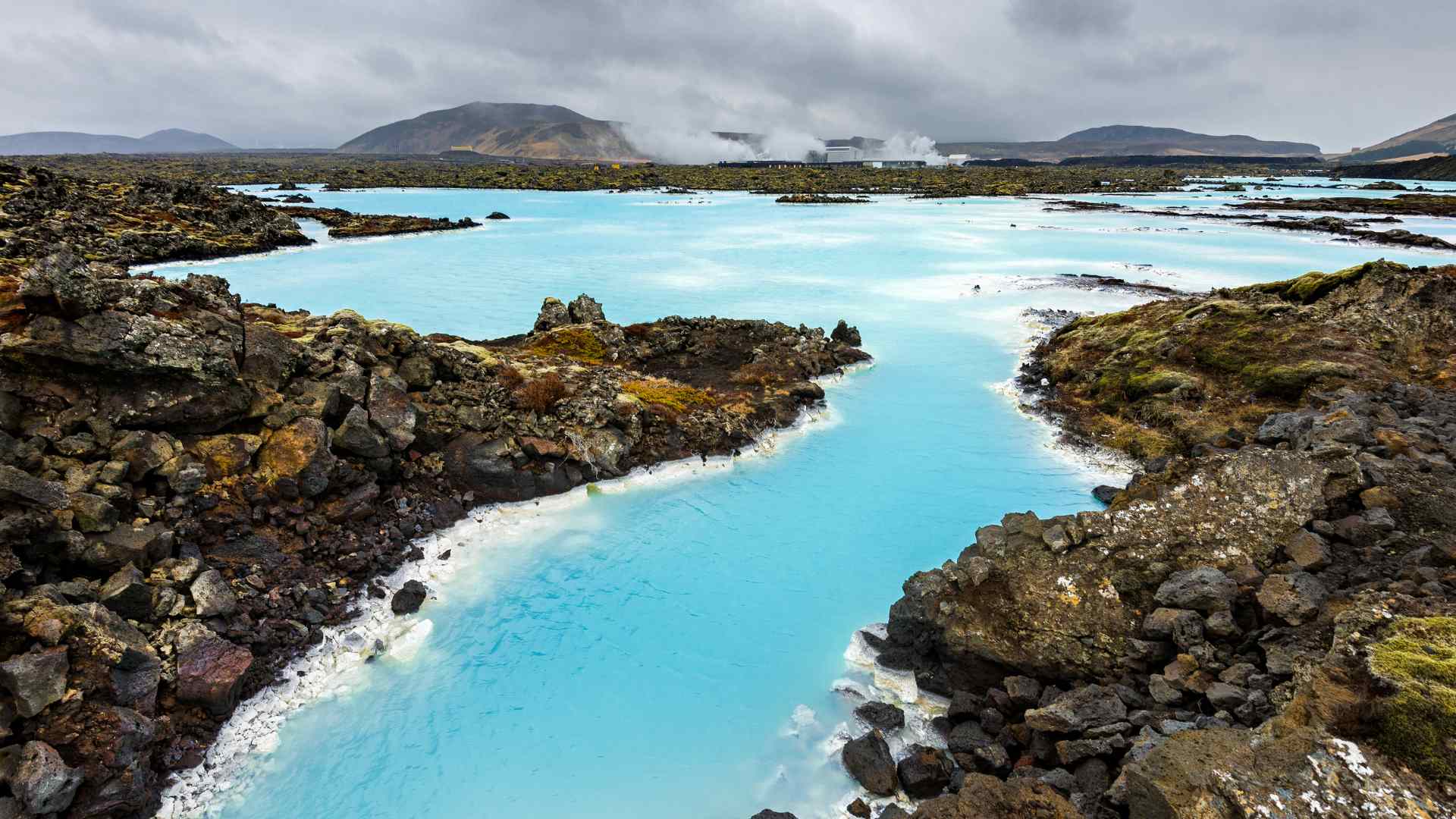
The Blue Lagoon is on the Reykjanes Peninsula, well outside central Reykjavík. A port-day visit requires timed admission, confirmed transportation in both directions, and enough margin for changes in access.
The lagoon’s official safety page says the area is seismically active and directs visitors to live information from Icelandic authorities. It also warns that navigation apps may show outdated routes, so follow current road signs and official directions.
Check the lagoon’s own service notice, SafeTravel, Civil Protection, and the Icelandic Meteorological Office before departure. If authorities close a road or facility, change plans promptly rather than trying to approach from another direction.
I prefer the Blue Lagoon on an embarkation or disembarkation day when flight and luggage logistics are handled carefully. It can fit a port call, but it should be the main event rather than one more stop after the Golden Circle.
Sky Lagoon and City Pools
Sky Lagoon is in the capital area and can be easier to combine with Reykjavík than the Blue Lagoon. It still requires advance booking, confirmed transportation, and enough time to change and return to the ship.
Read the official package details rather than assuming every booking includes the same ritual or facilities. Ask directly about accessibility, changing rooms, swimsuit requirements, and assistance if any member of the group has specific needs.
Reykjavík’s public geothermal pools offer a more local alternative, with their own etiquette and schedules. Confirm the chosen pool’s current hours, locker system, accessibility, and bathing rules before walking over.
A lagoon or pool is an excellent bad-weather plan because rain matters less once you are already wet. Wind, icy paths, and transport conditions still deserve attention.
Whale Watching From Reykjavík
Whale-watching boats leave from the Old Harbor, but wildlife sightings are never guaranteed. Choose a responsible operator that follows current viewing guidance and does not crowd, chase, or promise a specific animal.
Check the trip length, vessel type, warm clothing, seasickness policy, accessibility, and return time. A wildlife cruise creates another weather-dependent boat connection before you travel back to your ship.
Operators may cancel or adjust routes when conditions are unsuitable. Keep a city museum or pool as the fallback and understand the refund or rebooking terms before paying.
Weather and Road Safety
SafeTravel says Icelandic weather and road conditions can change quickly. Check its live map before any regional trip and keep reviewing alerts rather than relying on the forecast saved the night before.
A waterproof shell, warm layers, hat, gloves, and shoes with grip can be useful even in summer. Umbrellas are usually less helpful when the wind arrives sideways.
Drivers should also use official road-condition and weather sources, understand local rules, and avoid roads outside the rental agreement. A compact itinerary is safer than adding one more waterfall because the map appears empty.
Daylight can be extremely long near midsummer and limited in winter, but bright conditions do not eliminate cold or rapid weather changes. Plan for the season, not the appearance of the sky from the cabin.
Northern Lights on a Cruise Call
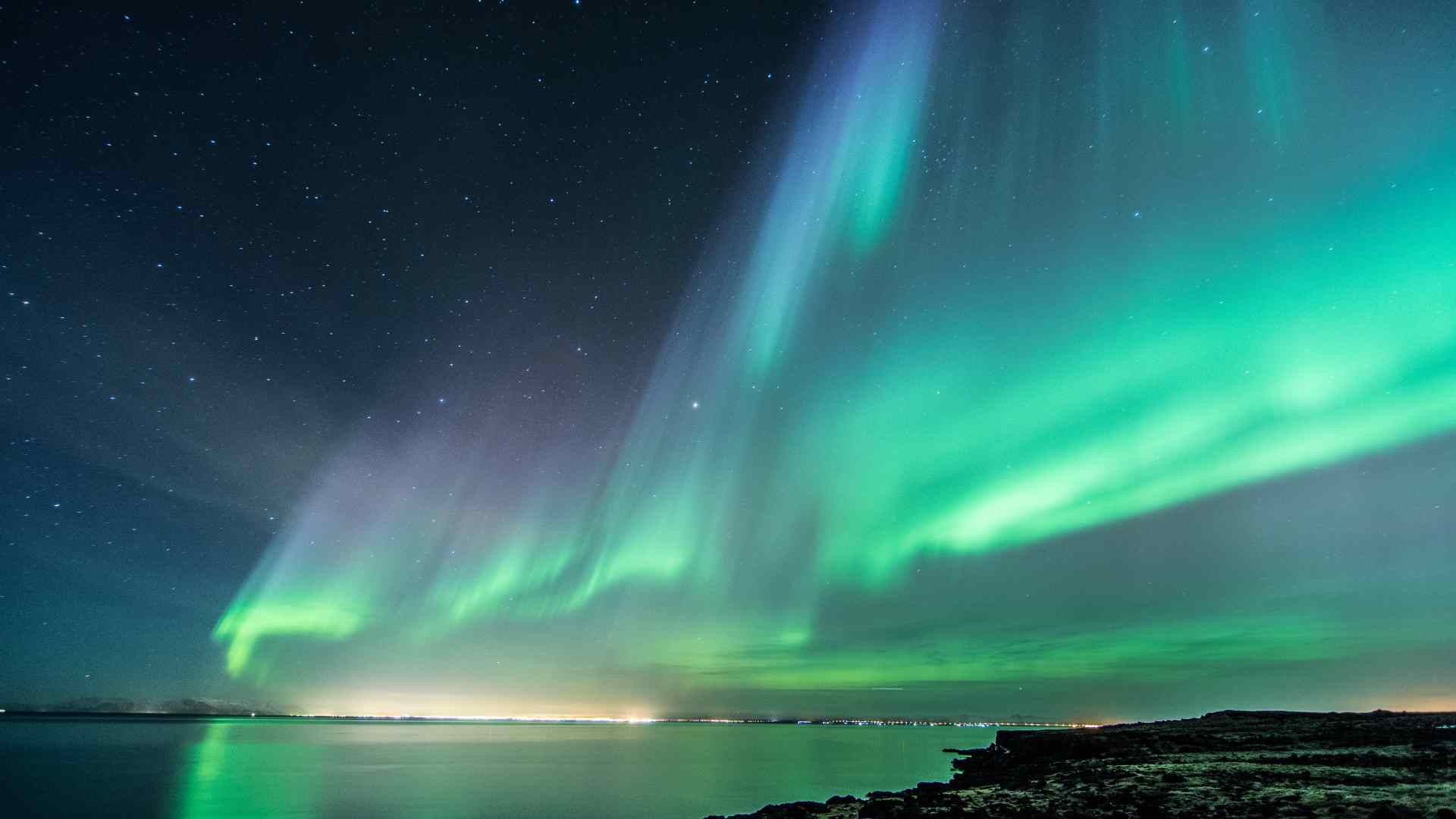
Aurora sightings require darkness, clear enough sky, and solar activity, so no operator can guarantee them. Summer cruise calls generally have too much light, while shoulder-season evenings can offer a possibility.
An overnight berth creates more flexibility, but the ship’s gangway hours and excursion return still matter. Dress for standing outdoors and choose a provider with a clear weather or rebooking policy.
City light can reduce visibility, yet traveling far out creates additional road risk and time. Follow official conditions and skip the chase when weather warnings make it unwise.
Accessibility
Central Reykjavík has many modern public spaces and comparatively manageable streets, though curb design, weather, construction, and slopes still vary. Skarfabakki adds a shuttle, taxi, bus, or long walk before the city visit begins.
Ask the cruise line about the gangway, shuttle lift, mobility-device storage, and accessible drop-off point. Do not assume a coach described as easy can accommodate a wheelchair or scooter.
Natural attractions offer a mix of paved areas, gravel, slopes, steps, ice, wind, and exposed platforms. Request the exact route and surfaces at each stop rather than relying on one label for the full Golden Circle.
The Blue Lagoon says its parking-area walkways are wheelchair accessible and invites visitors to contact its service center about specific needs. Confirm water entry, changing arrangements, transfers, and assistance before booking.
Money, Food, and Connectivity
Iceland uses the króna, but cards are accepted widely for transport, food, and small purchases. Carry a physical card with a working PIN and do not depend entirely on one phone wallet.
Reykjavík offers seafood, lamb, soups, rye bread, pastries, and modern Nordic cooking across a wide price range. Check menus before sitting down and leave enough time for service during a busy cruise day.
Mobile coverage is generally useful in the capital, yet downloaded maps and screenshots remain wise. Weather, booking, berth, and transport details should be available even if the signal or battery fails.
Three Practical Day Plans
For a short call, take confirmed transport into central Reykjavík and combine Hallgrímskirkja, Laugavegur, Harpa, and the Old Harbor. Add a museum or public pool if weather turns poor.
For a full call, devote the day to the Golden Circle and finish near the ship. Do not attach a lagoon unless a protected excursion has built generous time into every transfer.
For an embarkation or disembarkation day, the Blue Lagoon can work when admission, road access, baggage, airport, and ship timing are coordinated. A capital-area lagoon is usually the simpler choice during an ordinary port call.
If your berth is Miðbakki, use the central location rather than traveling back and forth unnecessarily. If it is Skarfabakki, decide once how you will reach town and how you will return.
Protect the Return to the Ship
Work backward from all aboard and include the final road, parking or drop-off, port security, and gangway. Regional tours can lose time to wind, road closures, heavy visitor traffic, or a longer stop than advertised.
Use the ship’s announced deadline instead of a universal buffer. Leave additional margin for a rental car, Reykjanes trip, whale-watching boat, or winter conditions.
Save the quay name and ship contact information offline. Reykjavík has several passenger berths, and asking for the cruise port without the exact quay can send a driver to the wrong place.
Official Planning Resources
Use the Ports of Faxaflói cruise page and live arrivals schedule for current port and berth information. Check SafeTravel for official travel conditions and emergency guidance.
Use the Þingvellir National Park site for current conditions and visitor information. For a Reykjanes visit, check the Blue Lagoon safety page plus the authorities it links.
Final Thoughts
Reykjavík works best when you choose one geographic chain and protect the return. Give a full day to the Golden Circle, keep a short call in the city, and treat any Reykjanes lagoon plan as conditional on live official guidance.
How this guide was researched: This guide uses current official port, national-park, transport, safety, attraction, and cruise-line sources, with independent editorial judgment where operations vary. Logistics and time-sensitive details were reviewed in September 2026; see our Editorial Policy.