Alter do Chão Cruise Port: A Cruiser’s Guide to the Caribbean of the Amazon
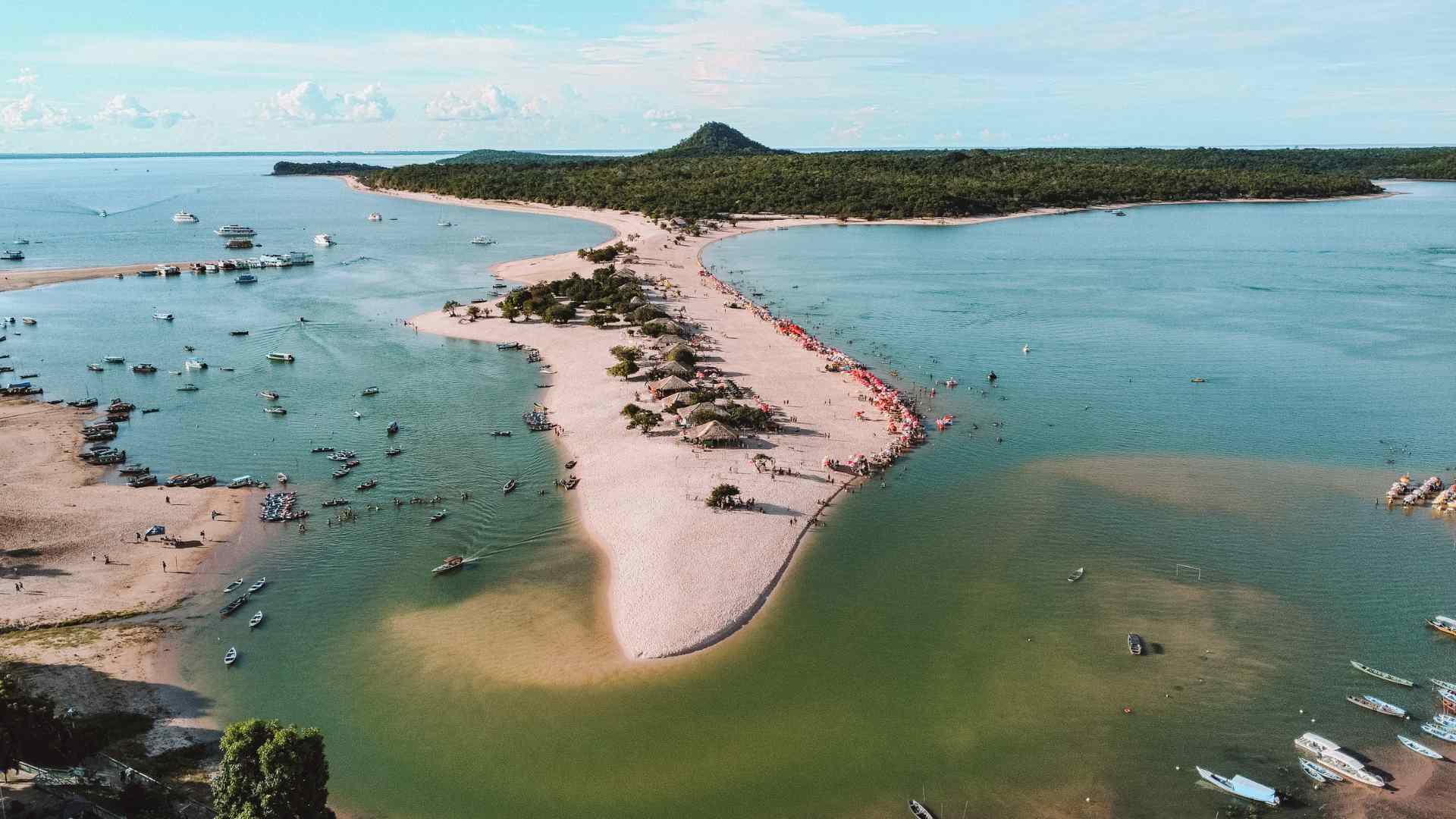
Alter do Chão feels wonderfully improbable the first time you see pale sand beside the blue-green Tapajós River. This small Amazon village offers a relaxed waterfront day, but its beaches, boat routes, and landing conditions change with the river.
I would plan the call around the season instead of forcing one fixed checklist. Lower water favors sandbars and beach time, while higher water can make creeks, lagoons, and flooded forest the more rewarding choice.
Alter do Chão Cruise Port Quick Facts
- Port setup: Confirm whether your itinerary anchors near Alter do Chão or uses Santarém with a road transfer.
- Official distance: Visit Brasil places Alter do Chão about 38 kilometers from Santarém.
- Beach season: Visit Brasil says freshwater beaches generally emerge from August through December.
- Main local sight: Ilha do Amor, the seasonal sandbar opposite the village waterfront.
- Currency: Brazilian real, with cash useful for some small boats and local purchases.
- Language: Portuguese is the everyday language, and English availability varies.
- Best planning rule: Ask what is suitable for the current water level and weather.
- Return rule: Follow the ship’s stated landing point, tender cutoff, and all aboard time.
First Confirm Where Your Ship Calls
Alter do Chão and Santarém can appear together in cruise descriptions, but they are not the same landing point. Visit Brasil lists the village about 38 kilometers from Santarém, so a Santarém berth requires a meaningful road transfer.
Some river itineraries may anchor near Alter do Chão and use a tender or local launch, while others call at Santarém and offer the village as an excursion. Treat the cruise line’s daily program as authoritative for the actual operation on your sailing.
If you tender, ask about steps, handrails, the landing surface, and whether you may need to step onto sand. River level, wind, wake, and the craft assigned that day can all change the boarding experience.
If you arrive by road, note the scheduled drive in both directions and the time allowed in the village. Group loading and traffic can consume more of a port day than the map suggests.
Let the Tapajós Set the Plan
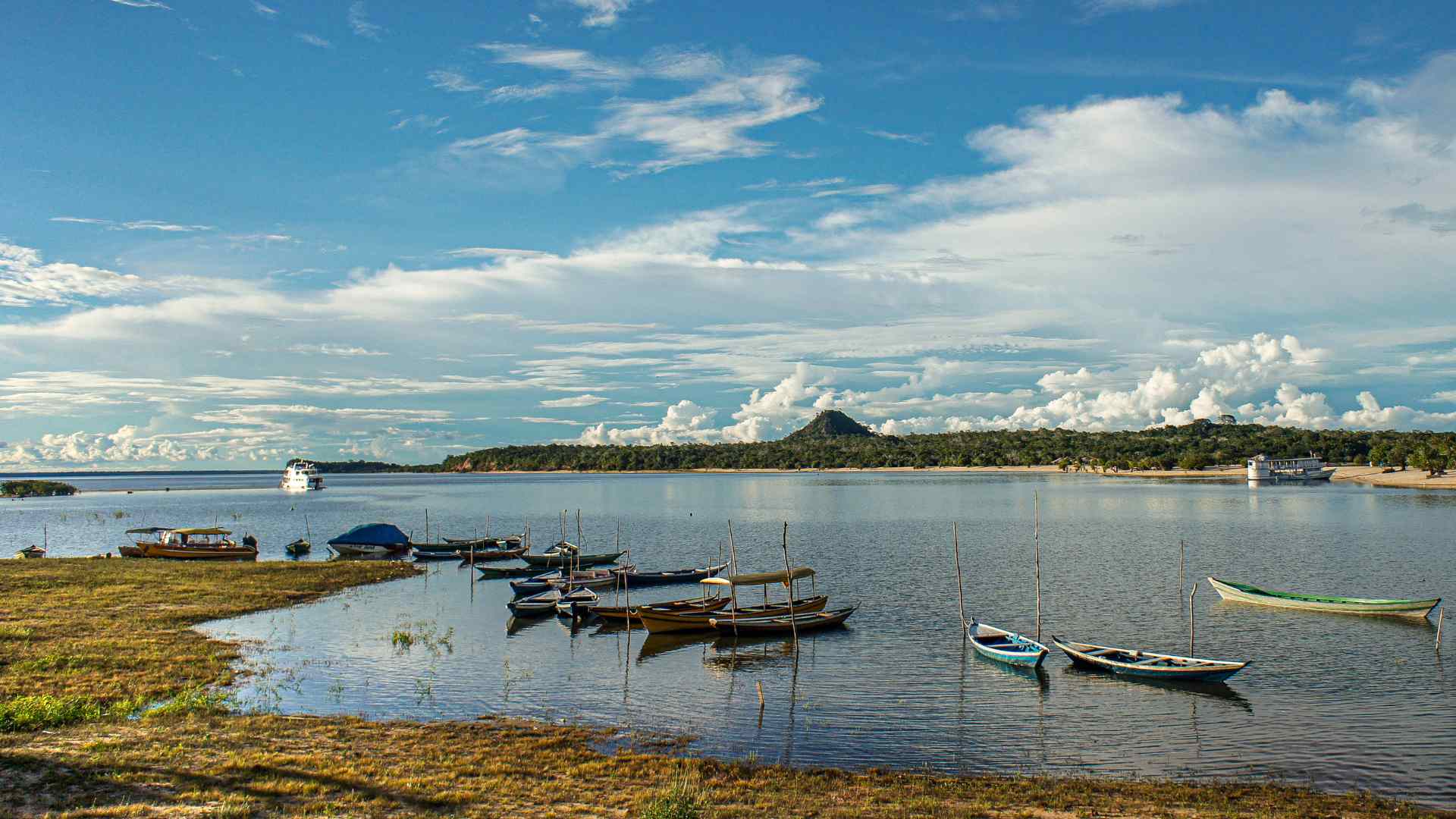
Brazil’s official tourism site describes August through December as the Amazon summer, when Alter do Chão’s freshwater beaches usually appear. Nature does not work to a cruise timetable, so the exact date, shape, and width of exposed sand still vary.
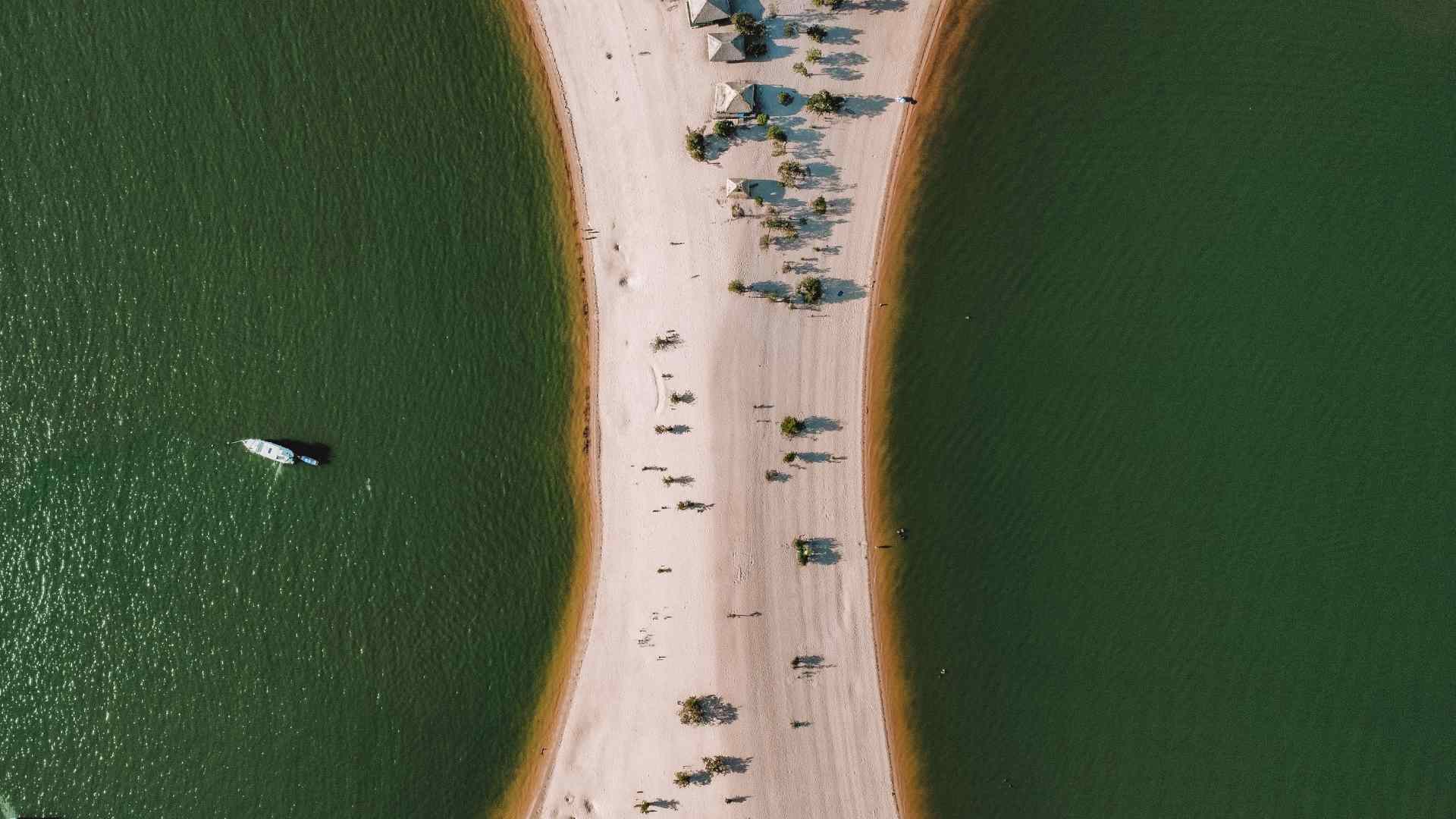
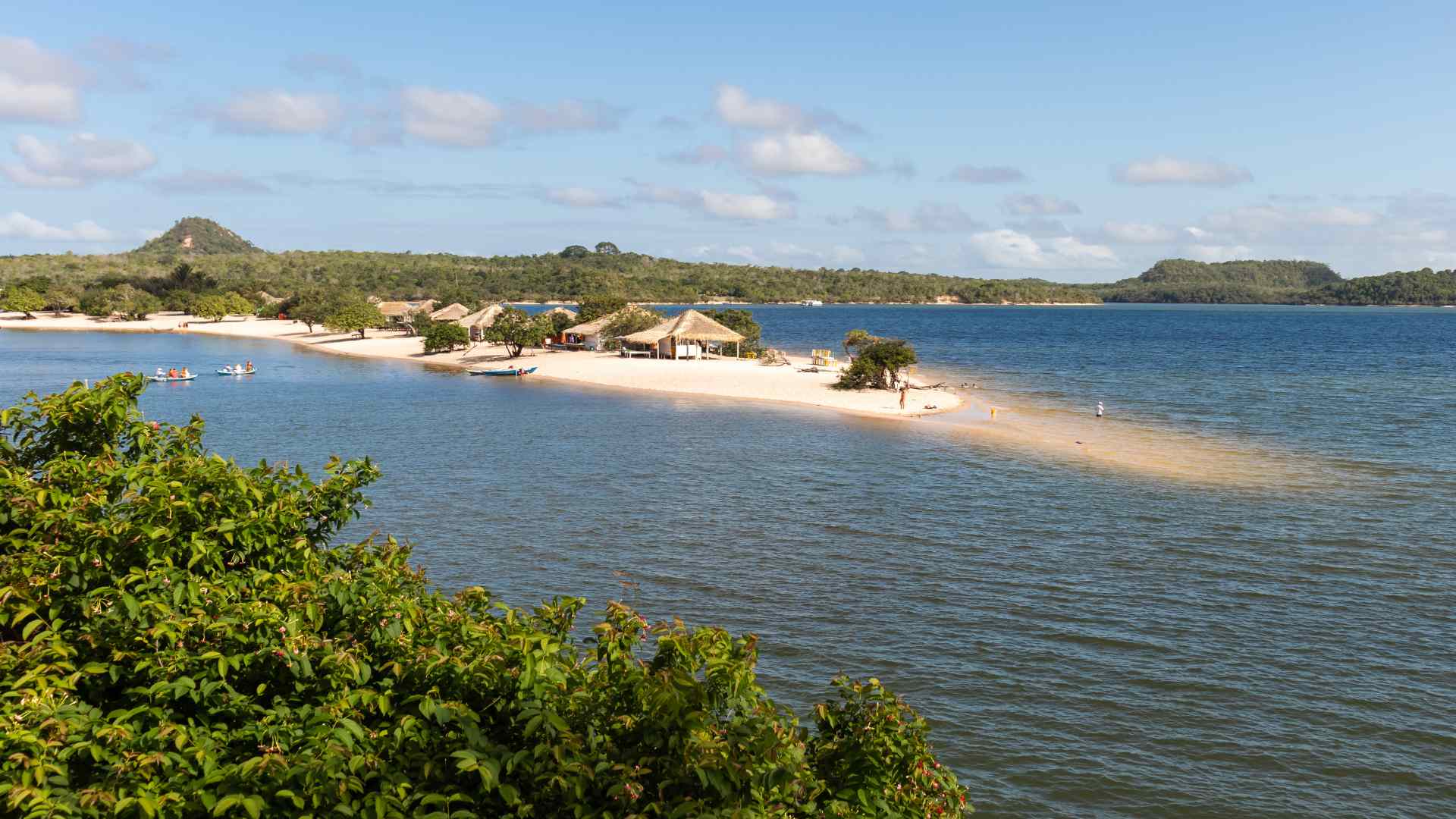
Ilha do Amor is the famous sandbar facing the village and the image most travelers have in mind. At lower water, small local boats cross the narrow channel to beach areas whose access and facilities depend on current conditions.
At higher water, the sandbar may shrink or disappear beneath the river. That is not a failed visit because lagoons, channels, flooded vegetation, village life, and regional food remain strong reasons to go ashore.
Ask a recognized local operator what is genuinely working that week. A candid answer about water depth, weather, and travel time is more useful than a long list copied from a different season.
An Easy Beach and Village Day
When Ilha do Amor is accessible, keep the first part of the day simple. Agree on the crossing price and pickup arrangement, choose a swimming area recommended locally, and note where your return boat will meet you.
Clear-looking water does not guarantee easy swimming. Follow local advice on currents, depth, boat traffic, wildlife, water quality, and any area temporarily closed to bathers.
Beach restaurants and simple structures may serve fish, snacks, and cold drinks when conditions support them. Ask about preparation time before ordering and keep enough cash for small vendors who may not accept your card.
Back in the village, wander the waterfront and central square without rushing. Craft stalls, local food, and the everyday rhythm of Alter do Chão deserve more attention than a hurried photo on the way back to a coach.
Lago Verde and Small Boat Trips
Lago Verde and nearby waterways can be explored by small boat, with the route determined by season and depth. Confirm the trip length, shade, life jackets, planned stops, and exact return time before you leave the waterfront.
Higher water can open passages through flooded vegetation, while lower water emphasizes beaches and shallower channels. A good guide adapts the outing instead of pretending the landscape stays fixed.
Wildlife may include birds, monkeys, or river dolphins, but sightings are never guaranteed. Choose operators who observe animals from a respectful distance and do not promote touching, feeding, chasing, or crowding.
Small launches often provide limited shade and can be awkward to board. Carry a dry bag, secure electronics, wear sun protection, and keep both hands available during the transfer.
Morning departures can leave more flexibility for lunch and a conservative return, though the operator must judge conditions. Never pressure a skipper to travel through unsafe wind, lightning, visibility, or water conditions.
Tapajós National Forest and Community Visits
The Tapajós National Forest is a federal conservation unit managed by Brazil’s Chico Mendes Institute for Biodiversity Conservation. Its wider landscape includes forest environments and traditional communities, making a properly organized visit far deeper than a generic jungle stop.
Arrange forest and community experiences in advance through recognized hosts, guides, or your cruise line. A map pin does not mean a trail, village, or conservation area is open for independent access.
Community tourism should benefit and respect the people receiving visitors. Ask how fees are shared, follow local photography rules, and let hosts decide which cultural knowledge or spaces are appropriate to share.
Forest walks can involve roots, mud, insects, heat, and uneven ground. Closed shoes, lightweight long clothing, water, repellent, and a guide’s current instructions matter more than dressing for the beach.
Large trees may be the visual highlight, but local ecological knowledge is the lasting value. A thoughtful guide can connect flood cycles, food, forest use, conservation, and community life in ways a quick roadside stop cannot.
I would choose this option only on a long call with a realistic transport plan. Forest travel and community visits should never be squeezed between a late tender arrival and an optimistic dash back.
Serra da Piroca
Serra da Piroca rises near the village and offers broad views across the Tapajós and seasonal sand patterns. The municipal tourism office promotes guided hiking there, which is the sensible way to get current trail and weather advice.
The climb is exposed, hot, and uneven, especially around the middle of the day. Carry more water than the short distance might suggest and skip it when rain makes the route slippery or heat makes the effort unwise.
This hike works best for active travelers who prioritize the view over extra beach time. It is a poor spontaneous choice for anyone with uncertain footing, limited heat tolerance, or a tight return window.
Food and Crafts
Alter do Chão is a good place to try Pará flavors, including regional fish, cassava dishes, açaí, cupuaçu, and other Amazonian fruits. Visit Brasil also highlights foods such as vatapá, tacacá, and maniçoba, though individual menus and preparation styles vary.
Ask how long cooked dishes will take and leave enough time to enjoy them. Cruise-day math becomes unpleasant when a relaxed lunch begins competing with the last transfer.
For crafts, ask who made the item and what material was used. That simple conversation is more respectful and informative than describing every basket, textile, or piece of jewelry with a vague cultural label.
Accessibility and Mobility
This can be a difficult call for travelers who need step-free access. Tenders, local launches, floating landings, sand, broken pavement, and changing river levels create conditions that a fixed accessibility description cannot capture.
Ask the cruise line about the expected transfer before sailing and ask the onboard team again that morning. The safest boarding method and landing location can change with conditions.
The village center is compact, but heat, gaps in pavement, and sandy approaches can still require effort. A short waterfront visit may be more enjoyable than committing to a small boat or uneven forest trail.
Before booking any excursion, confirm vehicle steps, walking distance, seating, shade, restroom access, and assistance for boarding. The word easy on a tour description does not answer those practical questions.
Health, Heat, and Rain
Amazon travel deserves a conversation with a qualified travel-health professional before departure. Ask about yellow fever vaccination, malaria risk for your exact itinerary, mosquito precautions, routine vaccines, heat, and personal medications.
Use insect repellent as directed, cover exposed skin when practical, and carry needed medication ashore. Pack water, a hat, high-protection sunscreen, and a light rain layer even when the morning looks calm.
Tropical rain can arrive quickly, and a dry bag is more useful on a small boat than an unruly umbrella. Lightning, wind, or reduced visibility may delay or cancel travel, so accept the operator’s safety decision and switch to a village plan.
Food and water standards vary among small vendors and remote stops. Follow current official health guidance and choose places with sound hygiene, fresh preparation, and safe drinking water.
Money, Language, and Connectivity
The Brazilian real is the local currency, and some boat operators or small stalls may prefer cash. Carry modest denominations, agree on prices before departure, and keep funds protected from water.
Portuguese is the everyday language, while English may be available with established tourism providers. Save the ship’s landing point and return instructions offline, and keep a translated note with essential questions.
Mobile data and payment terminals should not be treated as guaranteed. Screenshots of booking details, contact numbers, and meeting points can rescue a day when a signal disappears.
Protect the Return to the Ship
Work backward from the ship’s announced cutoff and include every link in the return chain. A distant boat route may require a local landing, a walk or vehicle transfer, security, and a final tender rather than one simple ride.
Use the cruise line’s deadline instead of inventing a universal buffer. Conditions and operating procedures differ, so leave extra margin whenever your day includes a remote community, forest trail, cross-river boat, or Santarém road transfer.
Keep the final part of the call close to the confirmed departure point. One last swim or shopping stop is not worth depending on a perfectly timed small boat.
Official Planning Resources
Use Visit Brasil’s Alter do Chão page for the official destination overview, distance from Santarém, seasonal beach guidance, and responsible operator advice. The Santarém municipal tourism portal provides local destination information and current notices.
For conservation-area planning, consult the Chico Mendes Institute page for Tapajós National Forest. Reconfirm any forest, community, boat, or hiking arrangement for the exact date of your call.
Final Thoughts
Alter do Chão rewards travelers who respond to the river rather than chase one postcard. Choose the best experience for the current water level, hire careful local operators, and protect the return to your ship.
How this guide was researched: This guide uses current official tourism, municipal, conservation, public-health, and cruise-line information, with independent editorial judgment where operating details vary. Logistics and time-sensitive details were reviewed in September 2026; see our Editorial Policy.