Amalfi Cruise Port: A Cruiser’s Guide to the Amalfi Coast
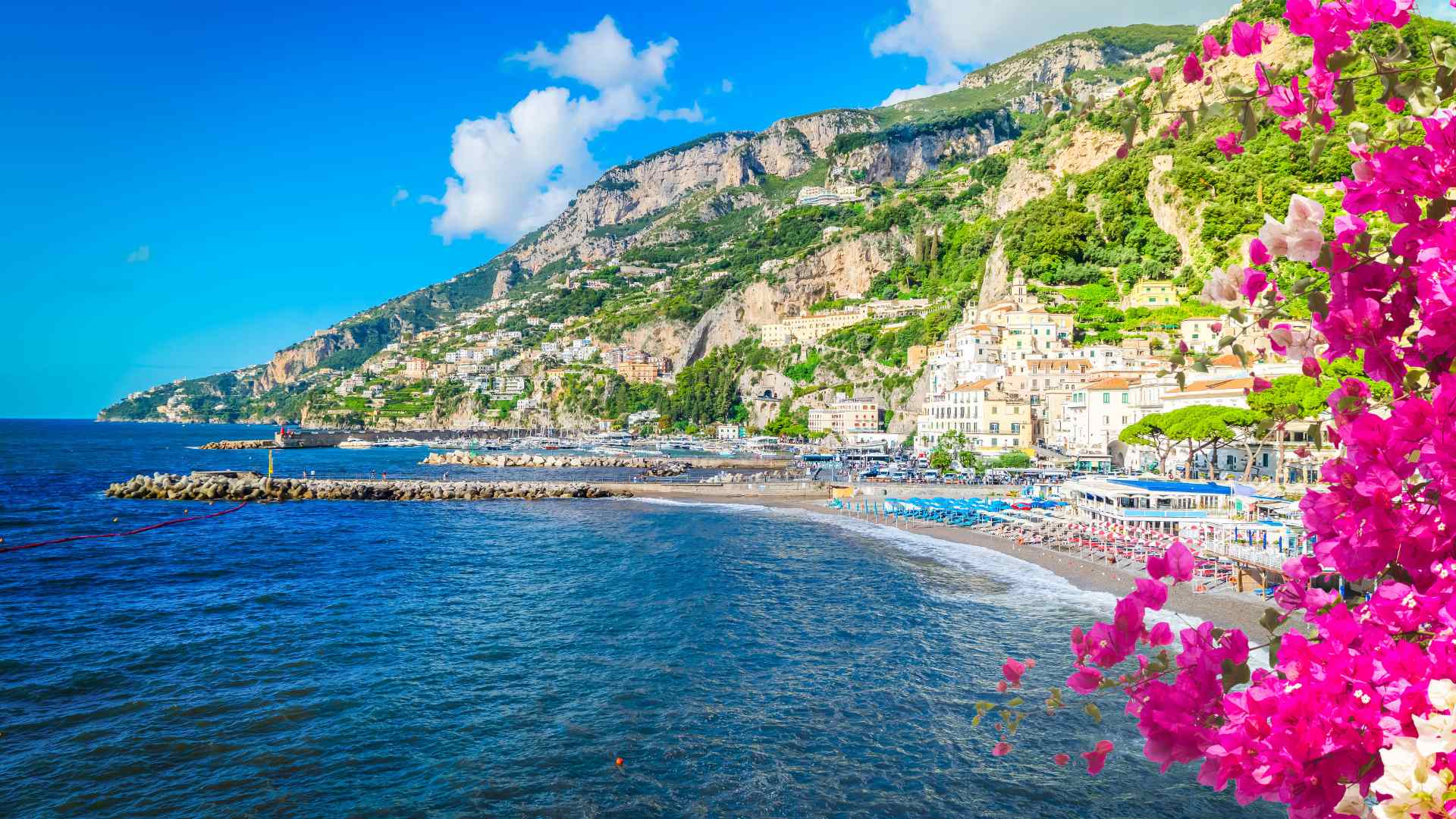
Amalfi gives cruise passengers a remarkable amount of Italy within a compact waterfront, from the cathedral staircase to lanes that climb into the valley. The challenge is not finding something to do, but resisting the urge to combine every famous town on the coast.
I would choose Amalfi alone for a relaxed call, add Ravello for gardens and high views, or use a ferry for Positano when the live schedule leaves several safe returns. Any plan begins with the ship’s actual landing method and final onboard deadline.
Amalfi Cruise Port Quick Facts
- Typical arrival: Large cruise ships generally anchor offshore and use tenders, subject to the cruise line’s instructions and sea conditions.
- Town access: The waterfront, Piazza Duomo, cathedral, shops, restaurants, and local buses are close to the landing area.
- Best local day: Cathedral complex, historic lanes, paper-making heritage, lunch, and the waterfront.
- Best inland addition: Ravello by prearranged taxi, current public bus, or organized excursion.
- Best coastal addition: Positano by seasonal ferry only when the live timetable provides backup returns.
- Currency: Euro, with a little cash useful for small purchases and public facilities.
- Mobility: Expect steps, slopes, uneven paving, crowded lanes, and a weather-dependent tender transfer.
- Return rule: Build the day backward from the ship’s stated tender cutoff and all aboard time.
Confirm the Tender Plan First
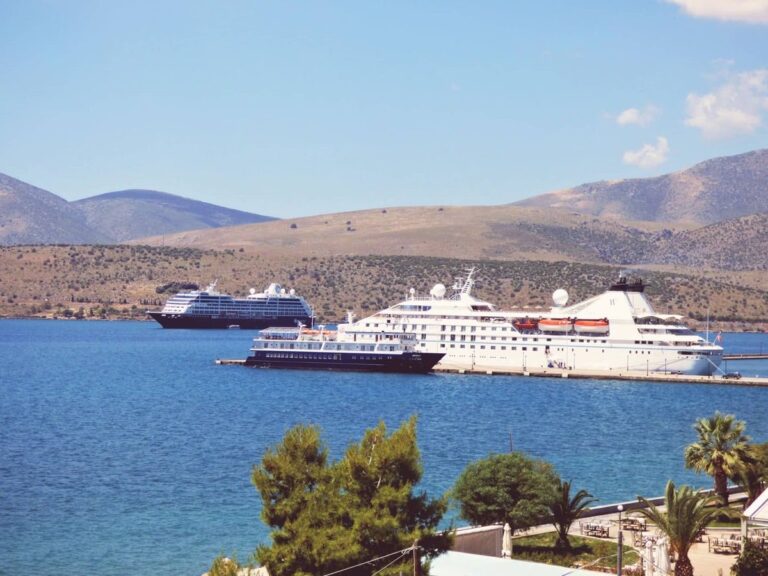
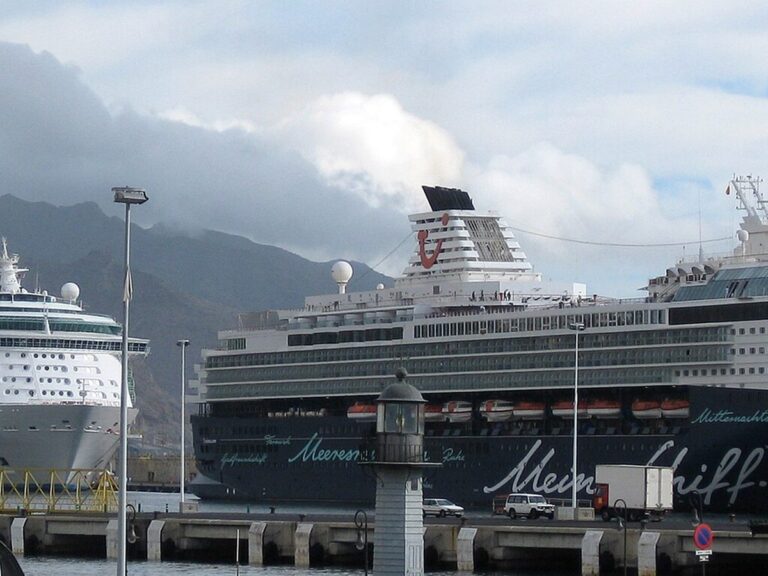
Amalfi does not offer a conventional berth for a large cruise ship in the center of town. Ships commonly anchor offshore and tender passengers toward the waterfront, but sea state and the cruise line’s procedures control the actual call.
Tender tickets, mobility assistance, and priority rules can affect your usable time ashore. Read the ship’s instructions the night before, arrive at the assigned meeting place, and save the final return time offline.
A ship tender and a public ferry are separate parts of the journey. Missing the last practical ferry back to Amalfi does not change the ship’s tender cutoff, so never treat two boat schedules as one protected connection.
Weather can pause tender or ferry operations even on a bright coastal day. Independent bookings should have flexible terms and a road alternative that still fits comfortably within the port call.
Amalfi Is Worth Staying For
Piazza Duomo is the natural first stop, with the Cathedral of Saint Andrew rising above its broad staircase. The monumental complex includes religious, architectural, and historic spaces whose access can change for worship or special events.
Use the cathedral’s official site for current opening arrangements, admission details, and any visitor restrictions. Dress respectfully, lower your voice, and follow photography rules because this remains an active place of worship.
The staircase is part of Amalfi’s defining view and a genuine access barrier. Anyone who cannot manage it should enjoy the piazza and ask the cathedral directly whether a suitable alternative entrance is available.
Behind the square, the historic center narrows into lanes, arches, fountains, stairways, and small businesses. UNESCO describes the wider coast as a cultural landscape shaped by dramatic terrain, historic settlement, terraced agriculture, and the interaction of nature and people.
That context makes a slow walk more interesting than a souvenir sprint. Look upward at the buildings, notice how the valley directs every street, and leave space for a coffee or pastry without watching the clock every minute.
Paper-Making Heritage
Amalfi has a long connection with handmade paper, and the Paper Museum occupies a historic mill farther into the valley. Check the museum’s official schedule before walking uphill because hours, tours, and demonstrations may be timed or seasonal.
The visit helps explain how water, trade, and craft shaped the town beyond its modern beach image. It is also a useful indoor option when midday heat or a brief shower makes another steep outdoor walk less appealing.
Allow enough time for the uphill walk and the return to the waterfront. Amalfi is compact on a map, but crowding and stairways can slow an apparently short route.
Ravello From Amalfi
Ravello sits above the coast and is reached by road from Amalfi. Buses, taxis, and organized excursions make the climb, with journey times affected by traffic on narrow roads.
Villa Rufolo is close to Ravello’s central square and combines historic architecture, gardens, a museum tower, and coastal views. Its official website posts current hours and special-event notices, which matter during the Ravello Festival and other closures or access changes.
Villa Cimbrone requires a longer walk from the square and offers an extended garden visit with famous viewpoints. Choose one villa when time is moderate rather than rushing through both and leaving no margin for the road back.
A taxi offers control but should be arranged with clear terms. Confirm the fare, whether waiting is included, the exact pickup point, and the time you will leave Ravello.
Public buses can be economical, yet crowding and road delays make the last possible service a poor cruise-day choice. Verify the current timetable and ticket procedure locally, then leave on an earlier return than you think you need.
Positano by Ferry
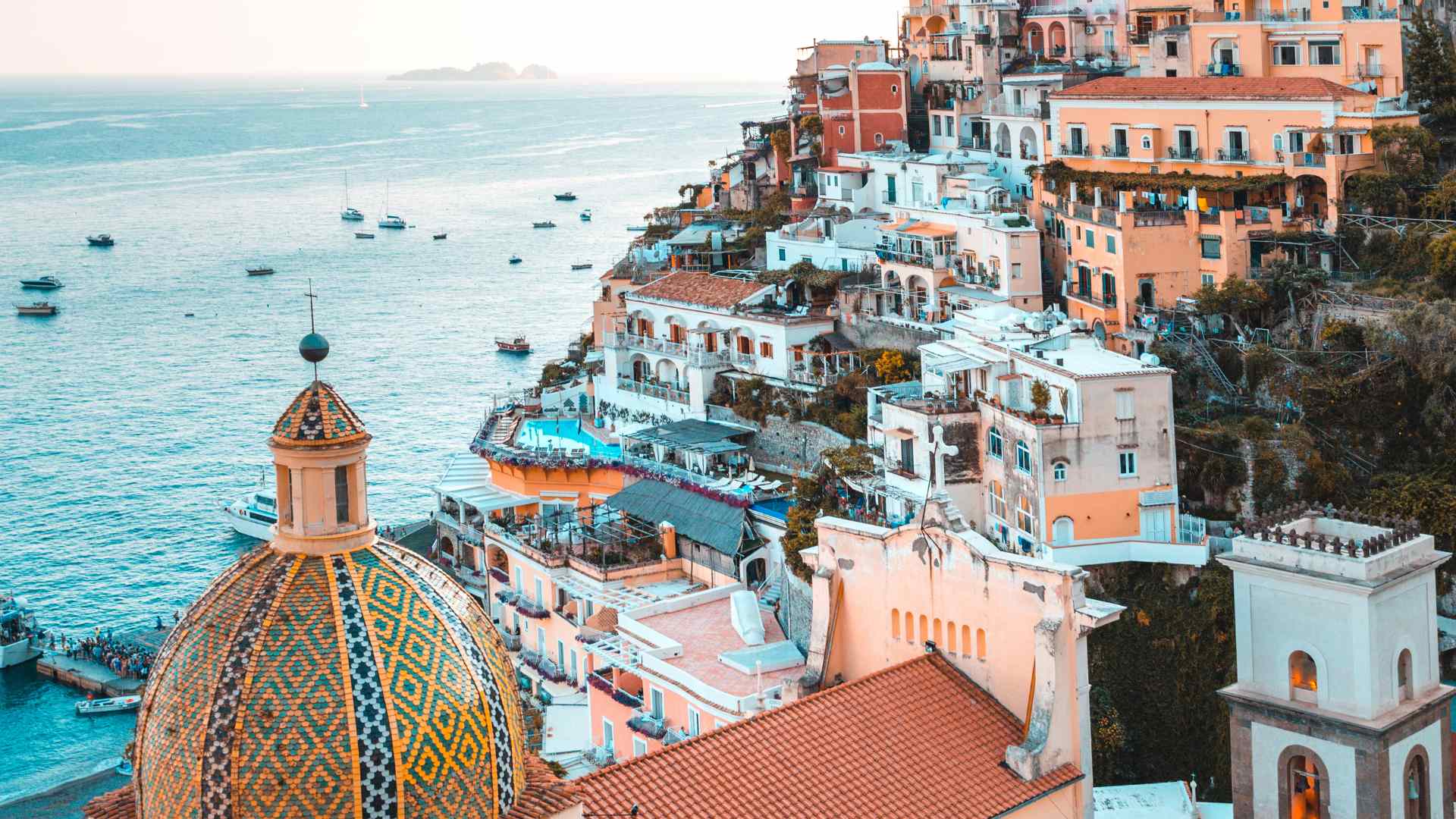
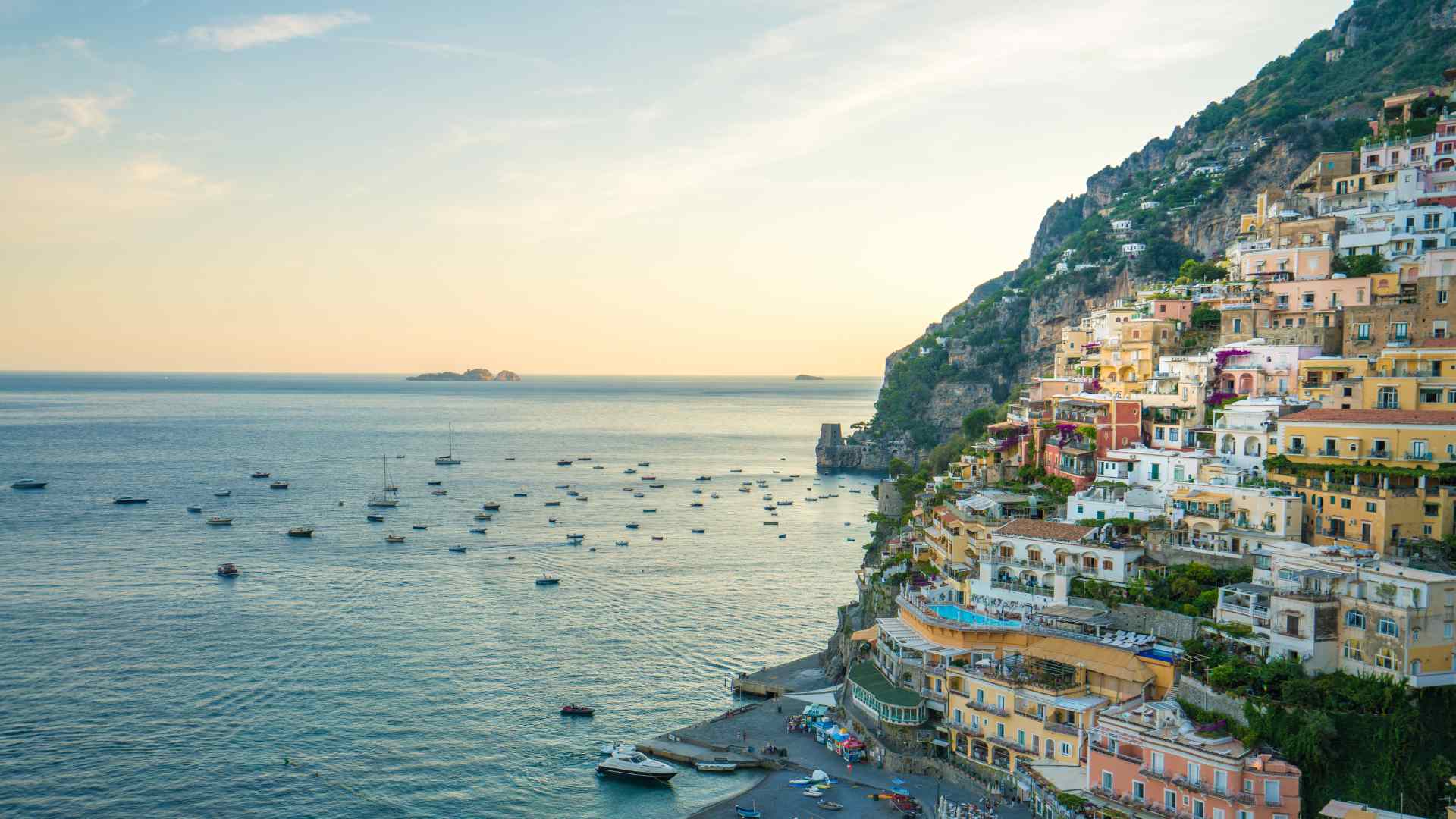
Seasonal passenger ferries can link Amalfi with Positano and other coastal towns when sea and operating conditions allow. The water route avoids road congestion and gives superb views, but the exact timetable must be checked with the ferry operator for your date.
Choose an early outbound sailing and a return with at least one workable backup before the ship’s tender cutoff. Also identify a realistic road alternative, since a full or canceled boat can leave you needing a bus or licensed taxi.
Positano rises steeply from its beach, and even a short visit can involve stairs and crowded uphill lanes. Travelers with limited mobility may enjoy the coastline view from the ferry and remain in Amalfi rather than disembarking.
I would pair the two towns only on a long call with calm conditions and several return options. Otherwise, Positano can turn a beautiful Amalfi day into a nervous study of departure boards.
Capri Requires More Margin
Some seasonal services connect the Amalfi Coast with Capri, but the island is a substantial destination with its own local transport and lines. It is not a simple extra stop to attach to an already tendered cruise day.
The Blue Grotto adds another weather-sensitive small boat and can close because of sea conditions. Never make the success of an Amalfi call depend on that single attraction operating exactly when you arrive.
A ship-sponsored Capri excursion may provide the most practical protection when offered. For independent travelers, I would save the island for a dedicated day unless the schedule leaves abundant recovery time.
Hiking Needs a Cruise-Safe Plan
The Path of the Gods crosses high terrain above the coast and has multiple approaches and exit points. It requires suitable footwear, transport to the route, current trail information, weather judgment, and a realistic return plan.
Heat, exposure, uneven ground, and steep connections to coastal towns make it more demanding than a scenic social-media clip suggests. Most cruise passengers should choose a guided ship excursion or save the full hike for a land stay.
Shorter walks toward the Valle delle Ferriere can offer a taste of Amalfi’s inland landscape, but access and trail conditions still need confirmation. Rain, maintenance, heat, and local restrictions can alter the route.
Do not follow an unverified map track into the hills. Coastal places that look adjacent can be separated by steep vertical terrain and slow road connections.
Three Sensible Port-Day Plans
For an easy Amalfi day, visit the cathedral complex, walk the historic lanes, tour the Paper Museum if its schedule fits, and enjoy lunch. Finish near the waterfront with the Arsenal if open, a coffee, or a short beach break.
For Amalfi and Ravello, travel uphill early, visit one villa, and return for the cathedral and lunch. Keep the final part of the day in Amalfi so road traffic does not threaten the tender.
For Amalfi and Positano, take an early confirmed ferry and return on a sailing with backups. Do not add Ravello to the same plan unless a cruise excursion controls the entire sequence and timing.
The right choice depends on tender timing, weather, crowding, and your comfort with stairs. One well-paced extension is more satisfying than collecting three town names without experiencing any of them.
Beach Time Near the Landing
The beach beside Amalfi’s waterfront can work for a convenient swim without another transfer. Space, wave action, water quality, and the division between public and managed areas may vary, so follow signs and local guidance.
The shore is often pebbly, and water shoes can make entry more comfortable. Less confident swimmers should pay attention to depth, boat activity, and the conditions that day.
Keep valuables secured and allow enough time to dry, change, and join the tender line. A quick swim is enjoyable only when it does not create a rushed return.
Food, Lemons, and Shopping
Seafood, pasta, pastries, and lemons appear throughout Amalfi’s menus and shops. Limoncello can be part of the experience, but keep any tasting modest before steep stairs and tender boarding.
Restaurants around Piazza Duomo are convenient, while side lanes may offer quieter choices. Check the displayed menu, service or cover charges, and preparation time before ordering.
Handmade paper, ceramics, and food products can make useful souvenirs when their origin is clear. Ask where an item was produced instead of assuming every lemon-patterned object is local.
Cards are common at established businesses, but a modest amount of euro cash remains useful. Keep small purchases practical because bottles and fragile ceramics must survive the tender and ship security.
Accessibility on a Vertical Coast
The waterfront and main square are close, but Amalfi quickly adds stairs, slopes, uneven paving, and crowded narrow passages. Historic buildings may have limited step-free routes, and the cathedral staircase is a major obstacle.
Tender accessibility changes with sea conditions, ship equipment, and the craft used. Ask the cruise line about transfer steps, wheelchair handling, mobility scooters, and assistance before sailing and again on the day.
Ravello’s center can be manageable for some visitors, yet its villas include gravel, gradients, stairs, and historic constraints. Request current access details directly from the attraction before booking transportation.
Positano is especially steep, while public buses may involve standing, crowding, and steps. A vehicle-based viewpoint or a relaxed lower-town Amalfi day can be a better experience than forcing an unsuitable route.
Weather, Crowds, and Road Safety
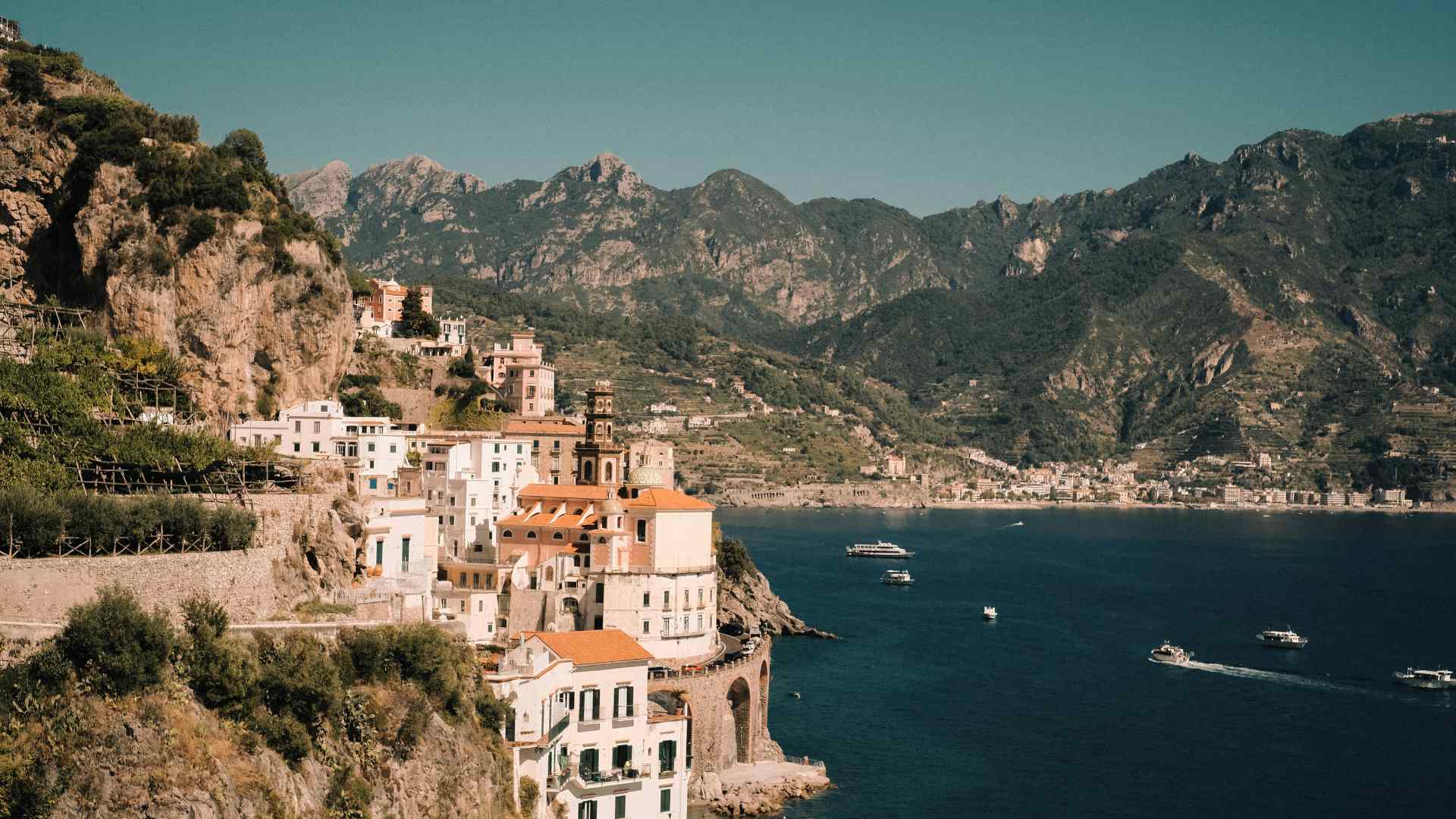
Warm-season visits bring strong sun, heat, and heavy crowds, while spring and fall may have fewer ferry choices. Carry water, use sun protection, and check current attraction hours instead of assuming summer schedules apply.
Ferries may be canceled for sea conditions, and buses may fill or fall behind in road traffic. Keep an alternative and return earlier than the final connection that works on paper.
Pedestrians share narrow spaces with scooters, cars, buses, and delivery vehicles. Stay alert at road edges and never step backward into traffic for a photograph.
UNESCO identifies traffic pressure and natural hazards among challenges affecting this landscape. Follow official local warnings during severe weather and do not enter closed roads, trails, or waterfront areas.
Protect the Return to Your Ship
Start with the ship’s announced tender cutoff, then work backward through every transfer. Ravello adds a road descent, Positano adds a public ferry, and Capri can add multiple boats and queues.
Save the landing location, ship contact information, and transport details offline. If a ferry changes, act early enough to use the road alternative rather than waiting for a final cancellation.
Keep the last part of the day close to Amalfi’s waterfront. The cathedral square, lower lanes, beach, and cafes provide plenty to enjoy without creating another fragile connection.
Official Planning Resources
Check the official Cathedral of Saint Andrew website for current visitor information and worship-related changes. Use the official Villa Rufolo site for opening hours, visitor notices, and event impacts.
Use Travelmar’s official site or the site of your chosen ferry operator for the exact date and route. The UNESCO Amalfi Coast page explains the cultural landscape and its conservation context.
Final Thoughts
Amalfi alone is a rewarding port day, not a consolation for skipping another town. Add Ravello or Positano only when the live transport plan leaves real margin before the final tender.
How this guide was researched: This guide uses current official cruise-line, ferry, attraction, heritage, and local information, with independent editorial judgment where operating details vary. Logistics and time-sensitive details were reviewed in September 2026; see our Editorial Policy.