Cruise Ports in Europe: Mediterranean to the Baltic
Europe can look wonderfully simple on a cruise map, then turn complicated the moment you examine the port names. A ship may advertise Rome, Florence, Venice, Paris, or Porto even though the pier is in Civitavecchia, Livorno, Ravenna, Le Havre, or Leixões.
That geography is not a reason to avoid a European cruise. It is the key to choosing one that fits your travel style, because the best itinerary is the one whose port logistics leave you enough time and energy to enjoy the places you came to see.

Quick Facts
- Best for easy city days: Baltic capitals, Bergen, Stavanger, Copenhagen, Lisbon, and many British Isles ports
- Best for beaches and ancient sites: the Greek Isles, Türkiye, Croatia, southern Italy, and the western Mediterranean
- Best for scenery from the ship: Norway’s fjords, Iceland, the Faroe Islands, Madeira, and the Azores
- Biggest planning trap: assuming the destination in the brochure is beside the cruise terminal
- Tender risk: common at small islands, old harbors, and ports without a berth large enough for the ship
- Currency reality: the euro is widespread, but the United Kingdom, Norway, Denmark, Sweden, Iceland, Poland, and several other stops use different currencies
- Entry rule: check every country on the itinerary, including transit and embarkation countries, against your nationality
- Ellie’s rule: choose the region first, then compare the terminal locations and port hours before comparing ships
What a European cruise port really means
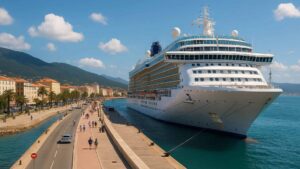
A European itinerary mixes three separate things: the city printed on the schedule, the harbor where the ship actually docks, and the places you can realistically visit during the available hours. Those three points sometimes overlap beautifully and sometimes sit an hour or more apart.
I always open the cruise line’s port information and the official port website before booking. I want the berth or terminal name, the expected transfer method, and a backup plan if a tender, shuttle, train, or road journey does not run as smoothly as hoped.
A long port day is not automatically a generous sightseeing day. A distant gateway port can consume several hours in transport, while a shorter call in a compact city may give you a much richer experience.
Western Mediterranean
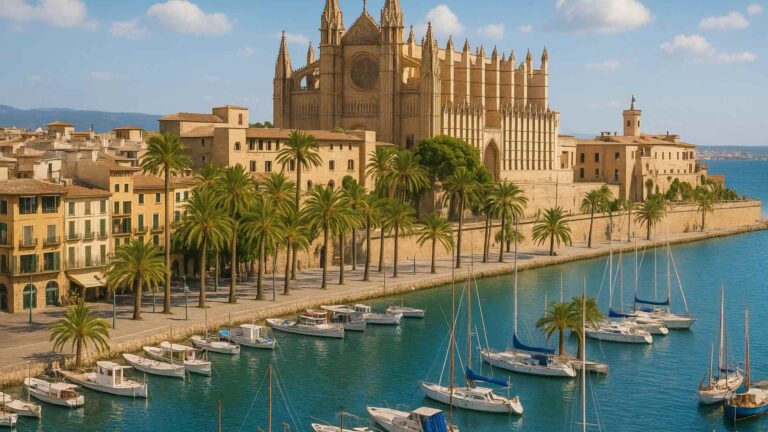
The western Mediterranean is the classic first European cruise for good reason. Barcelona, Marseille, the French Riviera, Italian gateways, Malta, and the Balearic Islands combine major art, layered history, sunny waterfronts, and plenty of flights for a pre-cruise stay.

Barcelona is an excellent embarkation city, but most large ships use Moll Adossat rather than a berth beside La Rambla. Plan on the port shuttle, a taxi, or your cruise line’s transfer, and do not treat the walk on an online map as a pleasant arrival with luggage.
Rome calls usually mean Civitavecchia, and Florence calls usually mean Livorno or La Spezia. Independent travelers can use trains on many days, but the timetable must leave a sensible cushion before all aboard because the ship does not wait for ordinary rail delays.
Marseille can deliver an easy day in the old port area, a museum day, or a longer outing into Provence. Check whether your ship provides a shuttle from the cruise terminal because the working port is not the same thing as stepping into the postcard center.
The Adriatic
The Adriatic rewards travelers who enjoy compact old towns, clear water, Venetian architecture, and a strong sense of place. Dubrovnik, Split, Kotor, Zadar, Trieste, Ravenna, and ports along the Italian and Croatian coasts create a visually coherent itinerary without every day feeling the same.
Dubrovnik can be busy when several ships arrive, so I would rather enter the walls early, walk a quieter lane, and leave time for the waterfront than attempt a checklist of every famous viewpoint. Kotor’s sail-in is part of the experience, and tender arrangements can change the shape of the day.
The word Venice requires special attention. Large cruise operations have changed, and an itinerary sold with Venice in the title may use Marghera, Trieste, Ravenna, or another regional gateway, so confirm the exact embarkation and disembarkation point before buying flights or hotels.

Greek Isles and the Aegean
Greek Isles cruises are built around contrast: whitewashed villages, archaeological sites, swimming coves, lively waterfronts, and ferry towns that still function beyond tourism. Athens usually means Piraeus, which is a substantial port with several cruise areas rather than one small terminal.
Santorini and Mykonos are the names most travelers recognize, but both demand practical planning. Tender queues, cable car lines, heat, wind, and the number of ships in port can matter more than the distance between attractions.
Rhodes, Crete, Patmos, Corfu, and smaller island calls can provide more breathing room, especially if you choose one anchor experience instead of trying to cross an island in a single day. Türkiye may appear on the same sailing, with ports such as Kusadasi offering access to Ephesus and its own entry requirements.
My favorite Greek port days have a simple rhythm: one historic place, one long lunch, and one swim or neighborhood walk. That plan survives heat and crowds far better than an excursion list built around six separate stops.
Atlantic Iberia
Atlantic Spain and Portugal feel different from the Mediterranean, with cooler water, stronger maritime weather, grand estuaries, and cities whose identity faces the ocean. Lisbon, Cádiz, Vigo, A Coruña, Porto’s gateway at Leixões, and northern Spanish ports can form a superb food-focused itinerary.
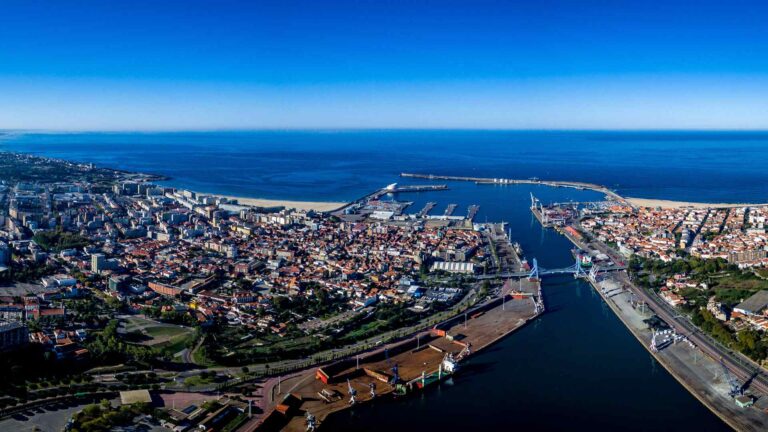
Lisbon may be wonderfully central depending on the assigned terminal, but berth details still matter. Porto calls generally use Leixões, and reaching the historic center requires a transfer, metro combination, taxi, or organized tour rather than a casual stroll from the ship.
Cádiz is one of Europe’s loveliest walkable port days, while excursions can also reach Seville when the schedule allows. I would only choose the longer journey when the port hours are generous, because Cádiz itself deserves more than being treated as a bus parking lot.
North Atlantic islands
Iceland, the Faroe Islands, Madeira, and the Azores bring volcanic landscapes, waterfalls, cliffs, gardens, and weather that can rewrite a plan quickly. These routes suit travelers who value scenery and do not mind carrying a waterproof layer even when the morning looks bright.

Reykjavik is often a convenient embarkation point, while smaller Icelandic ports can involve buses, limited vehicle supply, or tenders. Book only the excursion you would truly regret missing, then keep the rest of the day flexible enough to respond to wind, visibility, and road conditions.
The Faroe Islands can feel wonderfully remote, but that same geography makes weather the boss. Madeira and the Azores often have more urban infrastructure near their principal ports, yet mountain conditions can still differ sharply from the waterfront.
Baltic and Scandinavian capitals
A Baltic cruise is one of the easiest ways to collect several elegant, walkable cities without repeated flights and hotel changes. Copenhagen, Stockholm, Helsinki, Tallinn, Riga, Gdynia for Gdańsk, and other regional ports offer design, medieval streets, museums, markets, and reliable public transportation.

Copenhagen and Stockholm each use multiple cruise locations, so a generic city map is not enough. A central berth can make an independent day effortless, while a remote terminal may require a shuttle, bus, train connection, or taxi reservation.
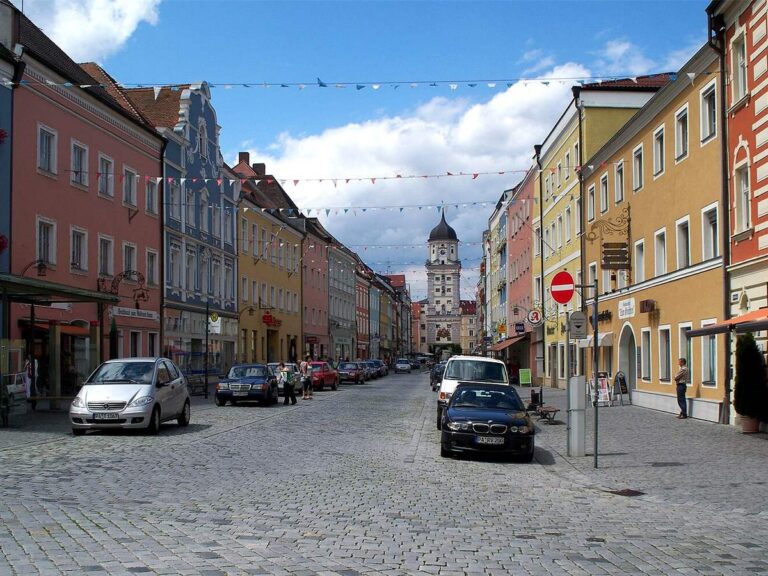
Tallinn’s old town is an approachable walk for many visitors, though the cobbles and slopes deserve respect. Helsinki works well by tram or organized sightseeing, and Gdynia is the maritime gateway for travelers who want to reach Gdańsk.
Do not assume an old Baltic itinerary map reflects current operations. Routes can change with security, politics, port availability, and cruise line decisions, so evaluate the actual ports on the sailing you can book today.
Norway’s fjords
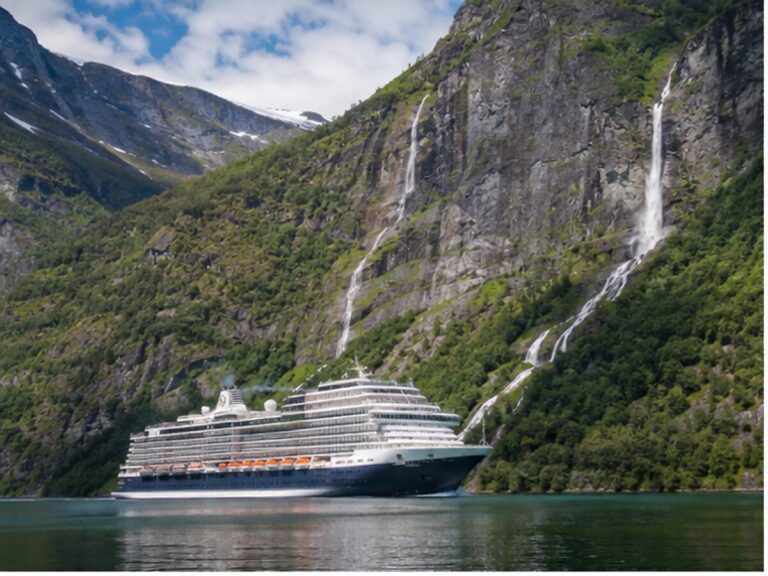
Norway offers two kinds of cruise pleasure at once: attractive port cities and landscapes that make the sailing itself a main event. Bergen and Stavanger are urban and easy to explore, while Flåm, Geiranger, Olden, Eidfjord, and other fjord communities turn the ship into a moving observation deck.

The best fjord itinerary is not necessarily the one with the most port names. Look for scenic sailing time, long daylight, and a balance between a city day, a rail or mountain day, and a slower day near the water.
Weather can affect viewpoints, roads, boats, and helicopters even in the heart of summer. I never build the entire value of a Norwegian cruise around one fragile excursion, and I keep a warm waterproof layer handy on deck.
Some smaller ports use tenders or have limited space for coaches and independent rentals. Reserve any must-do railway or high-demand excursion early, but leave enough room to enjoy the extraordinary fact that the fjord is outside your cabin.
British Isles
British Isles cruises connect England, Scotland, Wales, Northern Ireland, and often the Republic of Ireland, sometimes with the Channel Islands or northern France. They are ideal for travelers who enjoy castles, literary history, coastal scenery, gardens, pubs, and cities with distinct local identities.

Southampton is the major turnaround port for London itineraries, but it is not in central London. Dover offers its famous cliffs and castle while also serving as a gateway, and Liverpool delivers one of the easiest big-city arrivals directly from the waterfront.
Scottish calls may include Greenock for Glasgow, Edinburgh through more than one possible harbor, Invergordon for the Highlands, and island ports where tenders and weather shape the day. Belfast has a strong museum and cultural offering, while Cobh provides rail access toward Cork when schedules align.
The United Kingdom and the Republic of Ireland have separate border systems, and neither should be mentally bundled into a generic Schengen checklist. Verify entry permission for your passport and every nation on the itinerary before final payment.
Terminal geography matters more than the brochure
Cruise marketing uses famous destination names because they are familiar, but transportation planning must use the real port. Civitavecchia is not Rome, Livorno is not Florence, Le Havre is not Paris, and Southampton is not London.
That does not make those calls poor choices. It means you must decide whether you want a long inland excursion, a rewarding day in the port city, or a hybrid plan with a nearby destination.
I check the official port’s cruise schedule, then compare it with the cruise line’s wording and a current transit planner. If the berth is assigned later, I prepare two versions of the day instead of pretending the last kilometer cannot change.
Tender ports change the clock
A tender port uses smaller boats to carry passengers between the anchored ship and shore. Priority groups, sea conditions, harbor traffic, and accessibility procedures can all affect when you actually step onto land.
If your dream excursion starts early, the cruise line’s tour may offer simpler tender coordination. Independent plans can still work, but they should not depend on the first possible boat or a tightly timed connection.
Mobility equipment policies vary by ship, tender design, and weather. Ask the cruise line for written guidance about your specific equipment and itinerary rather than relying on a general statement from another traveler.
Using trains and public transportation
Europe’s rail and transit networks make independent port days wonderfully practical in the right places. They also tempt travelers to build plans with no recovery time, which is where a cheap train journey becomes a very expensive problem.
Use the official operator’s journey planner, check for engineering work, and know the final acceptable return service before leaving the ship. On Sundays, holidays, and strike days, a schedule that looked generous during initial research may change.
Contactless payment is common in many cities but not universal across every regional bus, ferry, or ticket machine. Carry a physical payment card and a modest amount of local cash when the official transit guidance recommends it.
Season, weather, and daylight
Mediterranean summers can be intensely hot, while shoulder-season sailings bring cooler walking weather and a greater chance of rain or rough seas. Baltic and northern routes gain long daylight in summer, but even July can deliver chilly wind on open decks.
A waterproof shell, comfortable shoes, sun protection, and light layers earn their luggage space on almost every European itinerary. I would rather repeat an outfit than spend a fjord sail-in indoors because my only jacket cannot handle rain.
Ports can be altered or canceled for safety, and captains do not control the weather. Choose a route where several calls excite you, so one disruption does not erase the purpose of the whole trip.
Passports, entry rules, and border checks
Europe is not one immigration zone. The Schengen Area, the United Kingdom, Ireland, Türkiye, and Atlantic islands under different national systems can create separate requirements on a single cruise.
Check official government guidance for your nationality, travel dates, embarkation country, transit airports, and every port of call. Cruise line summaries are helpful, but the traveler remains responsible for the correct passport validity, visa, authorization, and supporting documents.
Rules and electronic systems can change between booking and sailing. I verify them once before final payment and again before departure, then keep digital and paper copies of the essential documents.
Money, phones, and daily comfort
The euro covers much of the Mediterranean and several Atlantic and Baltic ports, but it does not cover all of Europe. Norway, Denmark, Sweden, Iceland, the United Kingdom, Poland, and other destinations use their own currencies, even when tourist businesses may display familiar prices.
A card with sensible international terms is usually more useful than carrying a thick envelope of cash. Decline unnecessary currency conversion at terminals when your card issuer offers a better rate, and always check the amount before tapping.
Mobile roaming depends on your carrier and plan, not just on geography. Download offline maps, save the ship’s agent details, and take a screenshot of the port address before walking away from Wi-Fi.
Accessibility and pace
Historic Europe is beautiful, but cobblestones, steep lanes, old staircases, heat, and long transfers can turn a dream day into an endurance test. Ask about walking surfaces, restroom access, step-free transport, tender boarding, and the real distance from bus parking to the attraction.
A private guide can sometimes adapt the pace better than a large coach tour, while an official accessible excursion may provide the equipment and port access you need. Confirm details in writing because the word accessible does not mean the same thing in every country.
There is no prize for returning to the ship exhausted every night. One museum, one neighborhood, and one memorable meal can be a fuller experience than racing past six landmarks.
Three itinerary styles that work
The first-time sampler
Choose a western Mediterranean or Baltic sailing with several ports that are close to the city or well connected by transit. Add two nights before embarkation so a delayed flight does not threaten the cruise and you can enjoy the departure city without hauling luggage.
The scenery-first voyage
Choose Norway, Iceland, the Faroe Islands, or an Atlantic island route with meaningful scenic sailing and varied ports. Accept that weather is part of the story, then protect the trip by avoiding a schedule built around one viewpoint or flight.
The history and beach balance
Choose the Adriatic, Greek Isles, or Aegean with a mix of archaeological sites, old towns, and swim-friendly stops. Plan major ruins early in the day, keep midday flexible, and let at least one island remain pleasantly unstructured.
Common planning mistakes
The most common mistake is comparing fares before comparing ports. A cheaper itinerary can cost more once you add distant transfers, compulsory shuttles, overnight hotels in a different city, and rushed private tours.
The second mistake is booking a major inland excursion at every stop. Europe rewards attention, and consecutive ten-hour coach days can make remarkable cities blur together.
The third mistake is ignoring the final return plan. Know the ship time, the all-aboard time, the pier address, the emergency contact, and the transport option you will use if the first one fails.

I also avoid choosing solely by the number of countries. A well-paced itinerary with an overnight or long day can reveal more than a crowded route that treats each coast as a photo stop.

My verdict
For a first European cruise, I would choose the region that matches your strongest interest and then favor an itinerary with clear terminal information, sensible port hours, and at least one easy day. The Mediterranean delivers art and ancient history, the Baltic excels at compact capitals, Norway owns the dramatic sail-in, and the British Isles reward travelers who love layered stories and changing landscapes.
A cruise is at its best when it reduces the friction between places rather than pretending distance does not exist. Learn the real port names, protect your return time, and leave enough space for a waterfront lunch that was never on the spreadsheet.
Before booking, confirm current entry requirements through the official European Union travel portal, the relevant national authorities, and your cruise line. For United Kingdom calls, review the official UK ETA guidance, then verify your terminal and local transport on the official port and operator websites.