Algiers Cruise Port: Visiting the Casbah in Algeria
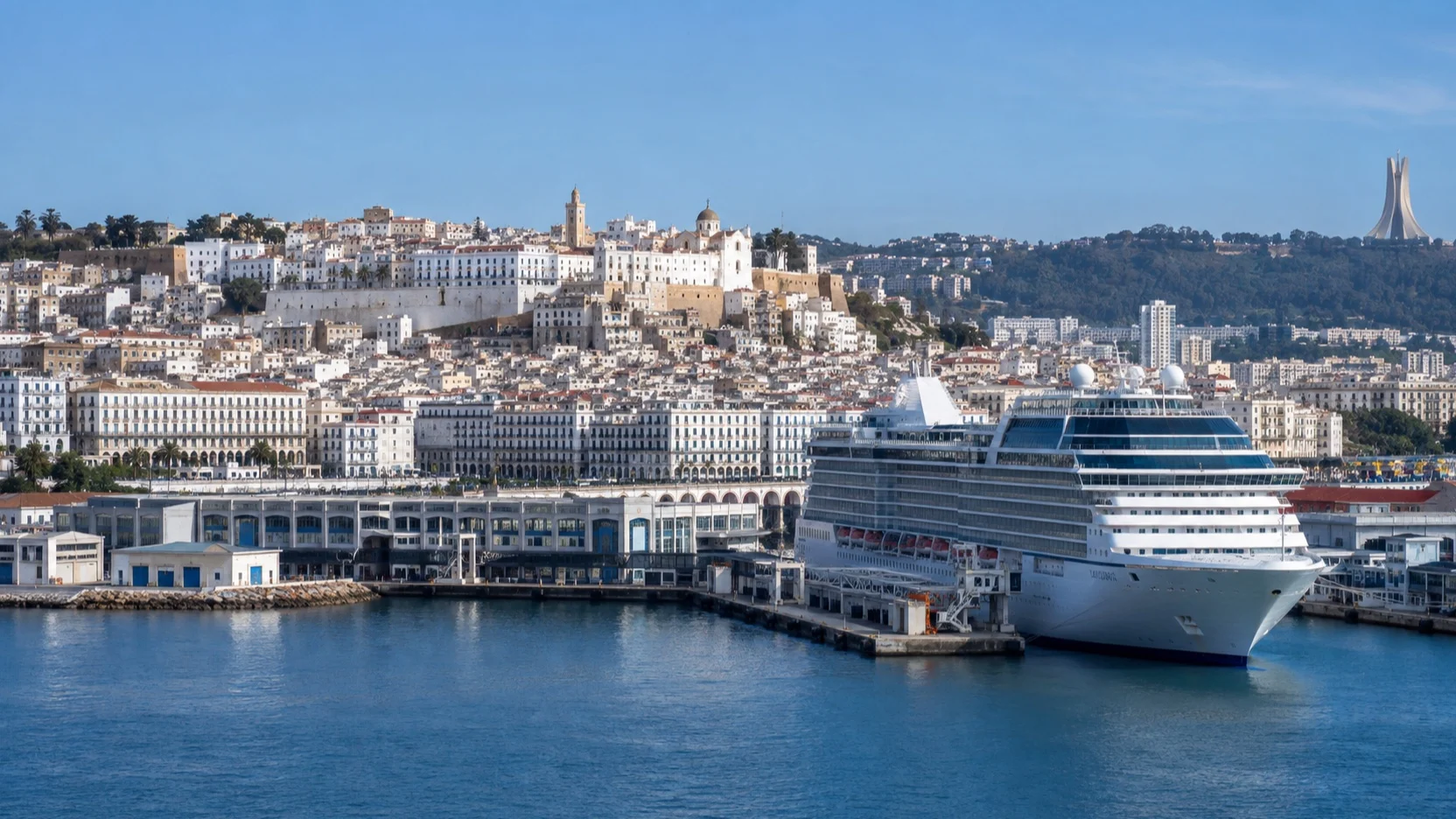
Algiers rises dramatically from the Mediterranean, a bright white capital layered across green hills above a working harbor. A cruise day here can move from Ottoman lanes and tiled courtyards to grand boulevards, sea views, gardens, and the powerful monuments of modern Algerian history.
This is a port where good planning makes an enormous difference. The Casbah is fascinating but steep and maze like, port access can be controlled, and visa rules must be settled through the cruise line and the appropriate Algerian authority before departure.
Algiers cruise port quick facts
- Port type: A secured working harbor beside central Algiers, with exact berth and exit arrangements set for each ship.
- Top attraction: The UNESCO listed Casbah of Algiers.
- Best first visit: A guided city tour that combines the Casbah with one or two easier modern sights.
- Currency: Algerian dinar, with cash useful for small local purchases.
- Languages: Arabic and Tamazight are official, while French is widely used in the city.
- Visa rule: Requirements depend on nationality and cruise arrangements, so obtain written instructions before sailing.
- Accessibility: The modern city has workable routes, but much of the Casbah is steep, stepped, narrow, and uneven.
Where cruise ships dock in Algiers
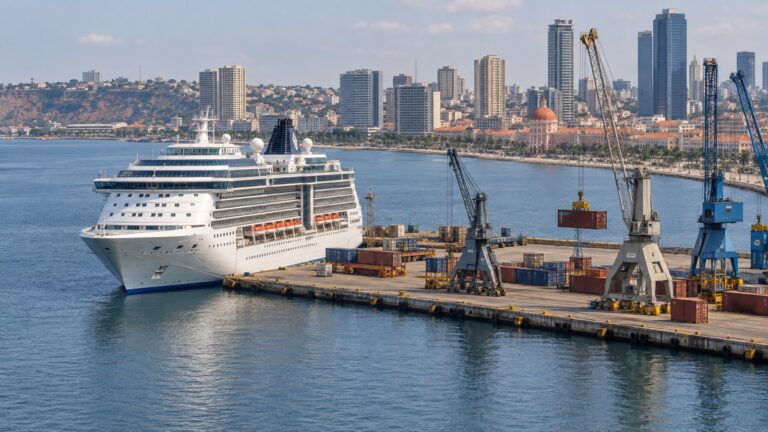
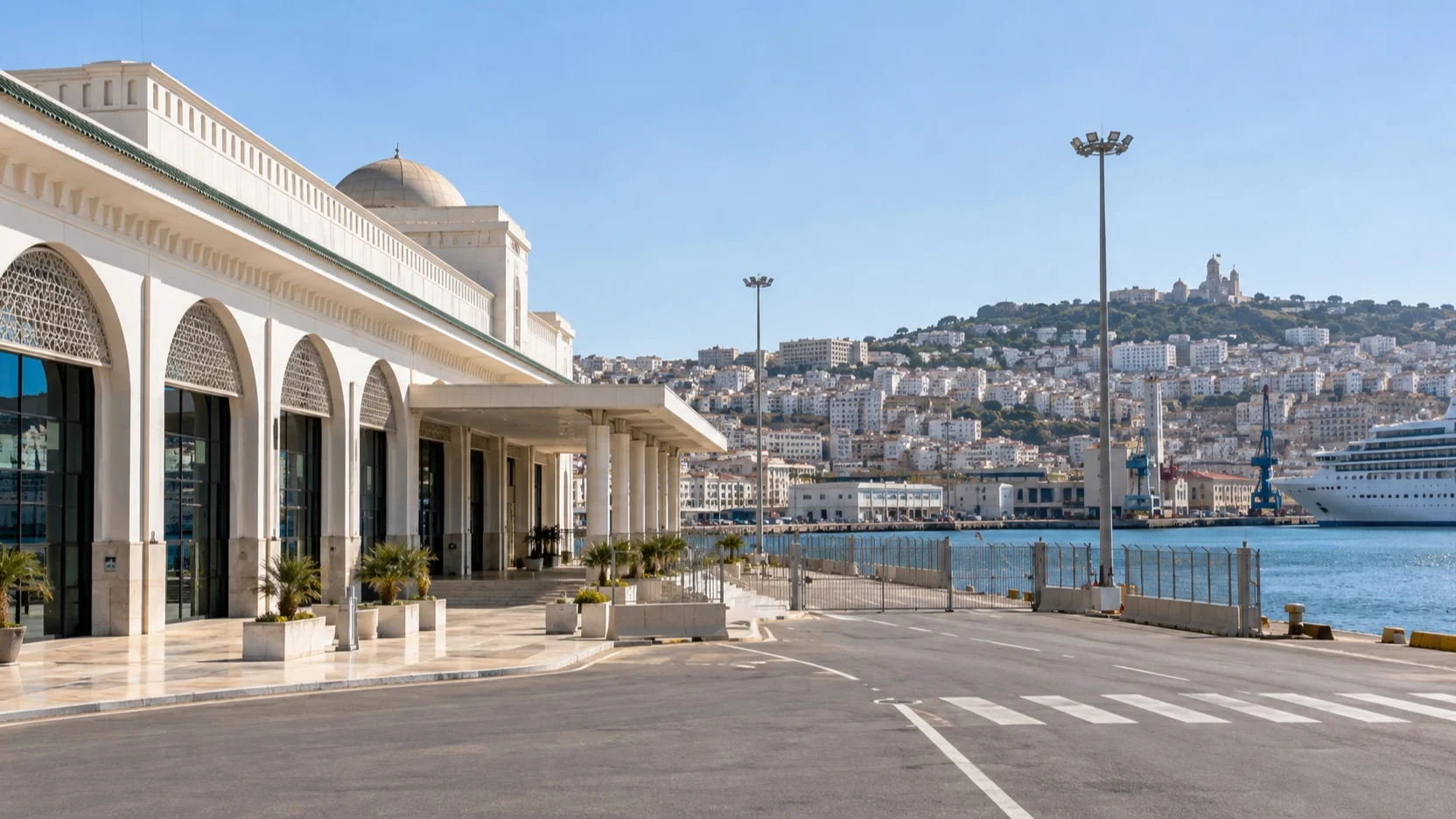
Cruise ships call at the Port of Algiers, a large commercial harbor directly below the central city. It is not a self contained resort terminal, and the route from ship to public streets can involve security checks, controlled gates, or a shuttle.
The exact berth affects the distance and the simplest way out. Follow the ship’s current instructions rather than assuming that a nearby map pin means passengers can walk independently through the port.
Once outside the operational area, the lower Casbah and central waterfront are geographically close. Traffic, heat, hills, and unfamiliar street patterns still make an organized transfer the most comfortable option for many first time visitors.
Visa and entry planning
Algerian visa requirements vary by passport, and many travelers need authorization arranged before arrival. A rule that applied to a previous cruise season, another nationality, or an airport arrival may not apply to your sailing.
Ask the cruise line whether it has secured any specific arrangement for passengers and whether independent exploration is permitted. Then compare that written answer with the instructions from the Algerian embassy or consulate responsible for your place of residence.
Do not rely on a tour seller’s promise that your cruise card replaces a visa. Carry the passport or copy specified by the ship, and make sure your name and document number match every submitted form.
The Casbah of Algiers
The Casbah is the essential Algiers experience, but it is much more than a photogenic old quarter. The UNESCO World Heritage Centre describes it as a distinctive historic medina with a citadel, old mosques, Ottoman palaces, traditional houses, and a living community.
Its lanes fold down the hillside in irregular passages, stairs, covered alleys, and sudden little viewpoints. A licensed local guide adds historical context, chooses a sensible route, and helps visitors distinguish public spaces from residential ones.
Ketchaoua Mosque stands near the lower edge and reflects the city’s layers of Ottoman and colonial history. Access depends on worship schedules, local rules, and appropriate dress, so admire the exterior if entry is not available.
Dar Hassan Pacha, Dar Mustapha Pacha, and other historic palaces may appear on guided routes when open. Do not build the day around a single interior because restoration work, official use, and changing hours can alter access.
Palais des Rais, also known as Bastion 23, sits close to the seafront and can be an easier heritage stop than climbing deep into the upper Casbah. Its connected Ottoman houses and terraces give a useful sense of domestic architecture and the old city’s relationship with the sea.
Can you explore the Casbah independently?
Independent exploration is possible only when the ship’s immigration and port arrangements allow it, but a guide is still the better first visit. Navigation apps can struggle with passages and stairways, while some routes shown as streets are not practical through paths.
A guide also helps with respectful photography and local etiquette in a neighborhood where people live, work, worship, and send children to school. Ask before photographing individuals, doorways, shops, religious spaces, or security personnel.
Wear shoes with firm grip and keep valuables unobtrusive. The climb can be tiring in warm weather, and descending smooth stone steps sometimes demands more concentration than going up.
Martyrs’ Memorial and the modern city
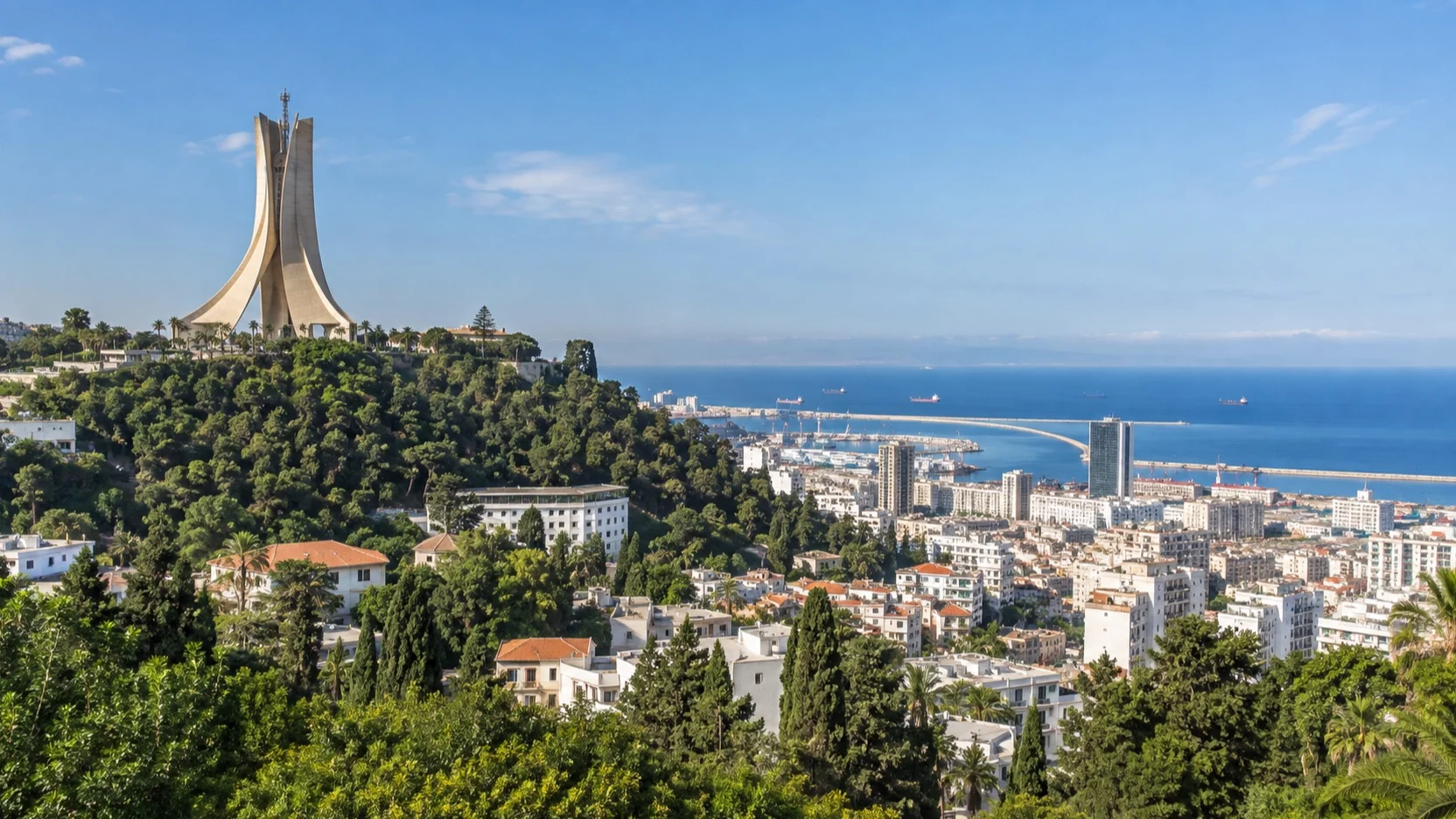
Martyrs’ Memorial, or Maqam Echahid, is one of the capital’s defining landmarks. Its three soaring concrete forms commemorate Algeria’s struggle for independence and stand on a hill with broad views over the city and bay.
The site pairs naturally with the nearby museum devoted to the national liberation struggle, when opening hours and tour timing allow. A guide is valuable because the memorial’s meaning extends far beyond its dramatic shape.
Central Algiers presents a different architectural story along streets lined with pale facades, arcades, balconies, and civic buildings from the French colonial period. Grande Poste is a particularly recognizable exterior landmark, blending monumental scale with neo Moorish decoration.
A short city drive makes these contrasts visible without asking you to tackle every hill on foot. The traffic can be slow, so leave extra margin before the ship’s all aboard time.
Notre Dame d’Afrique
The Basilica of Notre Dame d’Afrique stands high above the sea in the Bologhine area west of central Algiers. Its domed profile, richly decorated interior, and terrace views make it one of the city’s most memorable stops.
This is an active religious site rather than only an attraction. Dress respectfully, keep voices low, and expect access to change during services or special events.
The basilica is not a sensible walk from the cruise berth for most visitors because of distance, elevation, and traffic. Include it in a vehicle based tour and agree on waiting arrangements before entering.
Jardin d’Essai du Hamma
The Hamma botanical garden offers a green counterpoint to the dense Casbah and busy avenues. Broad paths, palms, shaded plant collections, fountains, and formal gardens make it a gentle choice after a history heavy morning.
Some areas are easier for limited mobility than the old city, though surfaces, slopes, and open sections still vary. Confirm current hours locally and allow for traffic between the garden and port.
The garden sits below the Martyrs’ Memorial, which makes the pair efficient on a vehicle tour. A short visit to each is more realistic than trying to see every section of both.
A realistic one day itinerary
For a first call, I would begin with a guided Casbah walk before the lanes become busier and the day warms. Continue to Palais des Rais or a central viewpoint, then use a vehicle for Martyrs’ Memorial and one additional stop.
Choose either Notre Dame d’Afrique or the Hamma garden according to your interests rather than squeezing in both. Finish with time for coffee or a simple lunch near the center, then return to the port with a generous buffer.
A half day call needs tighter choices. The Casbah with a panoramic city drive gives the strongest introduction without turning the visit into a race.
Getting around from the port
A cruise line excursion is the simplest way to handle the port gate, local traffic, guiding, and return time. It is especially sensible when visa terms restrict independent movement or when the ship has arranged group processing.
Taxis can work for an independent visit, but agree on the destination, fare basis, currency, and pickup plan before leaving. Ask an official port representative or your tour operator where authorized vehicles meet passengers.
Algiers has metro, tram, bus, and rail services, yet a short cruise call is not the best moment to learn several local systems while carrying documents and watching the clock. Public transportation is more useful to repeat visitors who have confirmed the current routes and payment method.
Walking works for selected central areas after you have cleared the port, but the city rises sharply inland. Save your energy for the Casbah and use a vehicle between distant hilltop sights.
Money and shopping
The Algerian dinar is the local currency, and cash remains useful for small purchases. Card acceptance may be limited, so do not assume every cafe, craft seller, taxi, or museum counter can process an international card.
Use lawful official exchange channels and ask the cruise line what passengers on your sailing typically need. Keep small notes secure and avoid displaying a large amount of cash in crowded streets.
Popular souvenirs include ceramics, leatherwork, metalwork, textiles, dates, and locally made decorative pieces. Check your home country’s rules before buying food, antiques, plants, or items that may be considered cultural property.
Food and cafe culture
Algiers is a rewarding place for couscous, grilled meat or fish, savory pastries, vegetable dishes, mint tea, and strong coffee. A trusted guide can steer you toward a clean, efficient restaurant that fits the port schedule.
Ask before assuming a menu is available in English, and carry a translation tool that works offline. Bottled water with an intact seal is the straightforward choice during a brief visit.
During Ramadan, daytime restaurant hours and the pace of the city can change. Dress and behavior should remain respectful, while the ship or guide can explain what will be open for visitors.
Safety and local awareness
The current United States Department of State advisory places Algeria at Level 2 and advises increased caution due to terrorism and kidnapping, with stronger warnings for specified border, mountain, and remote desert areas. Algiers is far from several of those named regions, but visitors should still read the full advisory and follow current local instructions.
The United Kingdom travel advice for Algeria also provides detailed regional and security guidance. Check your own government’s advice close to sailing because conditions and insurance implications can change.
Petty theft can occur in busy places, so carry only what you need and keep phones and wallets secure. Avoid demonstrations, large political gatherings, military facilities, and photographs of police, security staff, or sensitive infrastructure.
Algeria is socially conservative, and modest clothing is the comfortable default for streets and religious sites. Public affection, alcohol rules, and photography expectations may differ from home, so follow the guide’s lead.
Accessibility in Algiers
The Casbah is the largest accessibility challenge because it contains steep slopes, long stairways, narrow passages, uneven paving, and historic thresholds. A vehicle cannot reach every lane, and a standard walking tour may be unsuitable for wheelchairs or significant balance limitations.
Ask the cruise line for an accessible panoramic tour that uses viewpoints and easier modern sites. Confirm the vehicle lift or steps, securement method, walking distance, restroom access, and whether a companion must assist.
Port accessibility also depends on the berth, gangway angle, shuttle, and security route assigned that day. Give the cruise line your mobility device dimensions and weight well before sailing, then reconfirm onboard.
What to wear and bring ashore
Choose modest lightweight clothing, sun protection, and shoes with excellent grip. Add a light layer for wind by the water and a compact rain shell when the forecast suggests showers.
Carry the identification required by the ship, essential medication, water, a charged phone, and the port contact details. An offline map helps, but it should support rather than replace a guide in the Casbah.
Algiers rewards travelers who arrive curious and prepared. Settle the visa rules early, take the Casbah with a knowledgeable guide, and leave enough time to appreciate the white city from both its lanes and its Mediterranean viewpoints.