Montreal Cruise Port: Grand Quay & Old Montreal Guide
Montreal gives cruise travelers one of the easiest big-city arrivals in North America. Step off at the Grand Quay and the stone facades, cafes, museums, and public squares of Old Montreal are already close enough to reach on foot.
That convenience can be deceptive because Montreal has far more to see than anyone can fit into one call. A satisfying day comes from choosing one neighborhood well, not racing between Old Montreal, downtown, and Mount Royal.
My quick take
For a first visit, I would walk from the terminal through Old Montreal, reserve a timed visit at Notre-Dame Basilica, and choose either the archaeology museum or the Old Port waterfront for the afternoon. Save Mount Royal for a long call or an overnight unless the city view matters more to you than time in the historic center.
Montreal also operates as both a transit port and a cruise turnaround city. Embarking guests need to plan around check-in and luggage instructions, while day visitors can usually begin exploring as soon as the ship clears passengers.
The Quick Facts
- Most central cruise calls use Grand Quay terminals 1, 2, or 4 at 200 De la Commune Street West, but the port also assigns terminal 3 and other berths.
- Ships normally berth alongside, so a tender is not the usual arrival experience.
- Old Montreal begins beside the port, and many headline sights are reachable on foot.
- Notre-Dame Basilica, Place d’Armes, Place Jacques-Cartier, and Pointe-a-Calliere are practical choices for a short call.
- The currency is the Canadian dollar, and cards are accepted widely.
- French is Quebec’s official language, though English is commonly understood in central visitor areas.
- The STM 747 bus connects Montreal-Trudeau airport with downtown, but it does not stop at the cruise terminal.
- Check your exact berth and ship time before setting out because walking time changes substantially for noncentral assignments.
Where cruise ships dock in Montreal
The Port of Montreal operates several cruise terminals, and Grand Quay is the location most travelers hope to see on their documents. Terminals 1, 2, and 4 are at 200 De la Commune Street West, directly beside Old Montreal, while terminal 3 uses the Berri entrance and other berths sit farther from the historic district.
The port’s official arrivals and departures schedule identifies the berth for each planned call. Check it near your travel date and then compare it with the ship’s daily information, since operational assignments can still change.
Montreal calls normally use an alongside berth rather than tenders. That makes arrival simple, but the gangway, customs process, and terminal route can still add time during a turnaround when hundreds of guests are leaving and boarding.
What Grand Quay is like
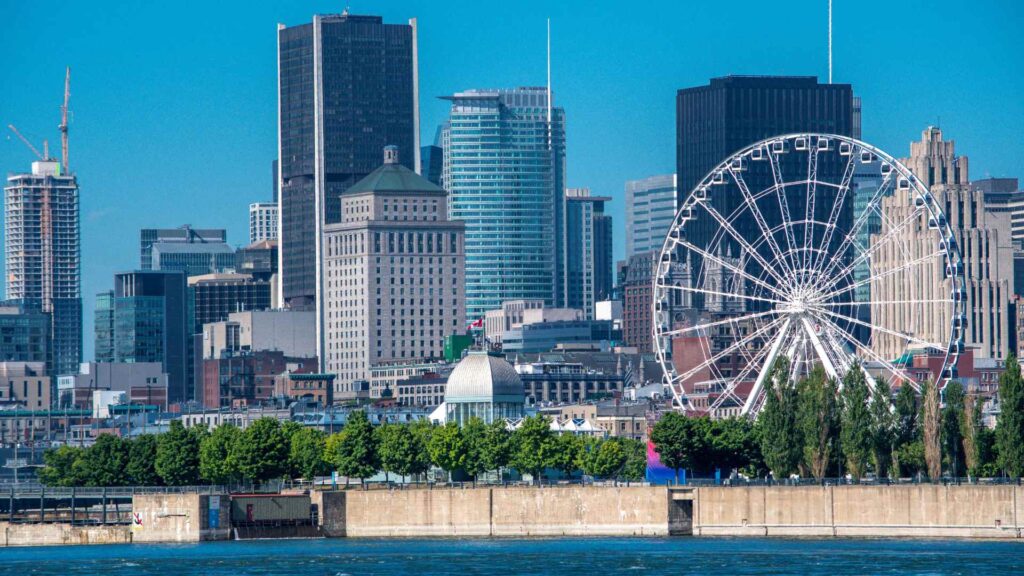
Grand Quay is more polished than a typical industrial cruise terminal. The public Promenade d’Iberville and rooftop green space make the riverfront worth seeing even if you are not sailing, while the Port of Montreal Tower offers a higher viewpoint when its visitor facilities are open.
Cruise services are concentrated around ship operations, so do not assume the terminal works like an airport with extensive all-day retail or guaranteed baggage storage. Embarking travelers should follow their cruise line’s instructions for luggage drop, check-in time, documents, and security.
The nearby streets are busy with pedestrians, cyclists, deliveries, and seasonal events. Pause after leaving the terminal, orient yourself on a downloaded map, and confirm which side of De la Commune leads toward your first stop before joining the flow.
Walking into Old Montreal
The greatest advantage of Grand Quay is location. Pointe-a-Calliere sits almost opposite the terminal area, Rue Saint-Paul runs through the historic district, and Place d’Armes with Notre-Dame Basilica is a manageable walk for most travelers.
Distances look short because they are short, but stone paving and curb cuts vary. Comfortable shoes matter, and travelers using wheelchairs, walkers, or canes should favor smoother waterfront routes where possible rather than assuming every picturesque lane will be easy.
A self-guided loop can run from the port to Place Royale, Pointe-a-Calliere, Notre-Dame Basilica, Place Jacques-Cartier, Bonsecours Market, and back along the Old Port. Reverse the route if your timed basilica or museum reservation makes that more sensible.
Getting around beyond the historic district
Place-d’Armes station on the Orange Line is the useful Metro access point near Notre-Dame Basilica. The system is helpful for downtown, the Plateau, and connections toward Mount Royal, but it is rarely necessary for a short Old Montreal day.
Taxis and rideshare vehicles are the practical choice when time is tight or mobility is limited. Build in traffic margin for the return because street closures, festivals, construction, and weekday congestion can slow a ride through central Montreal.
Buses and the Metro can save money, but they add navigation and transfer time. Use the official STM trip planner on the day of your visit because construction and major events can temporarily move stops or alter service.

The Old Montreal sights worth prioritizing
Notre-Dame Basilica
Notre-Dame Basilica is the visual centerpiece of Place d’Armes, with a richly colored interior that feels dramatically different from the restrained stone outside. The basilica’s official visitor page lists sightseeing hours, admission, worship times, and current access notices.
This is an active place of worship as well as a ticketed attraction, so schedules can shift for services and private events. Reserve a daytime visit when your port hours are tight, dress respectfully, and do not assume an evening AURA performance will fit an afternoon departure.
Pointe-a-Calliere
Pointe-a-Calliere is Montreal’s archaeology and history museum, and its location near the cruise terminal makes it an excellent bad-weather plan. The museum brings visitors below modern street level to explore archaeological remains and the layers of the city’s development.
A full visit can easily absorb several hours, so choose permanent galleries first if your time is limited. Check the official museum site for current exhibitions, hours, and ticket arrangements rather than relying on an old itinerary.
Place Jacques-Cartier and Bonsecours Market
Place Jacques-Cartier is a broad, lively square between the old civic buildings and the waterfront. It is a natural place to pause, but restaurant terraces here can consume more time and money than travelers expect on a short call.
The silver dome of Bonsecours Market makes it one of Old Montreal’s easiest landmarks to recognize. The historic building now hosts shops and visitor-oriented businesses, so go for the architecture and browsing rather than expecting a traditional produce market.
The Old Port waterfront
The Old Port of Montreal stretches along the river beside the historic district and offers promenades, seasonal attractions, food, and open views. It is an easy fallback when you want fresh air without committing to another ticketed site.
Not every attraction opens on the same seasonal schedule, and special events can change pedestrian routes. Check the day’s calendar if a Ferris wheel ride, harbor cruise, science center visit, or specific restaurant is central to your plan.
Mount Royal
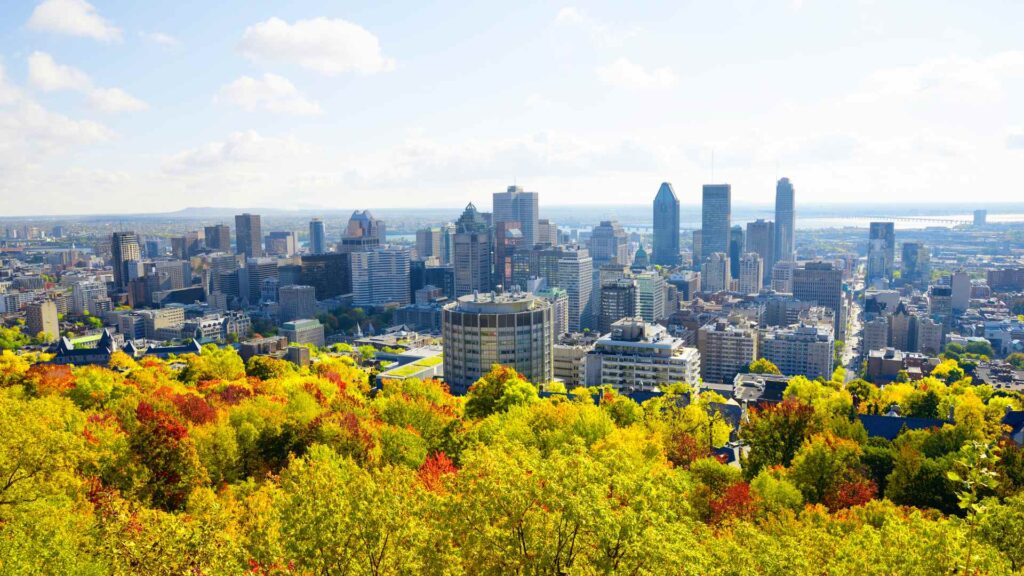
Mount Royal provides the classic elevated view over downtown, but it is not beside the port despite sharing the city’s name. A taxi or transit ride followed by walking is the sensible approach for most cruise visitors, and the full outing deserves a substantial time allowance.
I would choose Mount Royal on a long, clear day when the view is a priority. On a short call, Old Montreal delivers more atmosphere per minute and keeps you comfortably close to the ship.
Three realistic port-day plans
A short call
Walk from Grand Quay to Pointe-a-Calliere and Place d’Armes, visit Notre-Dame Basilica if your reservation aligns, then return through Place Jacques-Cartier and the waterfront. This keeps the route compact and gives you several easy points to turn back.
A half day
Add either Pointe-a-Calliere or a relaxed lunch to the historic-center loop. Choosing one major indoor stop protects you from spending the entire day in ticket lines or watching the clock.
A long day
Explore Old Montreal early, then take a taxi or Metro toward Mount Royal, downtown, or another neighborhood that fits your interests. Return to the port before rush-hour uncertainty becomes a problem, especially if your ship has no overnight stay.
Arriving from Montreal-Trudeau airport
Montreal-Trudeau International Airport is west of the city, and road time varies considerably with traffic. The Port of Montreal’s terminal access page publishes the current taxi arrangement and public-transport guidance, so check it near your sailing date.
The STM 747 service connects the airport with Lionel-Groulx and downtown routes, and the fare includes a time-limited Zone A transit pass. The official 747 page lists current stops, payment methods, luggage rules, accessibility, and temporary changes.
The 747 does not deliver you to the Grand Quay door, so allow for a Metro connection, a walk, or a final taxi. With cruise luggage, a direct taxi may be worth the extra cost because it avoids stairs, transfers, and crowded vehicles.
Arriving by train
Montreal Central Station is the city’s main intercity rail hub and is not far from the cruise district by car. Walking with luggage is possible for some travelers, but construction, weather, and sidewalks make a taxi the more comfortable choice for most embarkations.
Use VIA Rail or Amtrak for the actual train schedule and allow a generous buffer before cruise check-in. A rail delay and a ship departure are a poor combination, which is why arriving in Montreal the day before remains the calmer plan.
Food and drink near the port
Old Montreal has everything from quick counters to special-occasion dining, though the most visible terrace is not automatically the best fit for your schedule. Read the menu before sitting, mention your ship deadline, and keep the meal simple when the neighborhood is crowded.
Montreal-style bagels and smoked meat are city signatures, but the most famous shops are outside the immediate cruise district. If tasting the original matters, plan transport deliberately rather than settling for a cross-city detour that steals half the call.
Poutine is easier to find close to the port, and bakeries or cafes can provide a faster lunch. Quebec regulates alcohol service and tipping customs follow Canadian norms, so check the bill before adding a gratuity and carry valid identification if needed.
Money, language, and connectivity
The Canadian dollar is the only sensible currency for cash purchases, while credit and debit cards are accepted widely. Dynamic currency conversion can be expensive, so choose Canadian dollars at the terminal if a card machine asks which currency to use.
French is Quebec’s official language and is the default on signs and in many local interactions. Visitor-facing staff in central Montreal often speak English, and a simple bonjour, merci, or polite request is appreciated.
Mobile coverage is strong in the city, but international roaming costs depend on your plan. Download your map and tickets in advance, and save the ship’s emergency number in case construction or a street closure disrupts your route.
Accessibility and easier routes
Grand Quay and the riverside promenade provide modern facilities, but Old Montreal’s historic surfaces create the real challenge. Cobblestones, slopes, uneven sidewalks, and old entrances can make a seemingly short route tiring for someone using mobility equipment.
Notre-Dame Basilica describes itself as partially accessible through Quebec’s Kéroul certification, so review the current fact sheet before visiting. Museums, taxis, and cruise-line assistance should also be arranged in advance when step-free access or a suitable vehicle is essential.
A practical lower-barrier plan stays close to De la Commune, Grand Quay, and the Old Port promenade, then uses a vehicle for any farther destination. Confirm gangway conditions with the ship because the slope can change with river level and berth setup.
Weather and seasonal planning
Montreal’s cruise season commonly spans spring through fall, and conditions can change sharply between those months. Summer can be warm and humid, while early and late calls may bring cold rain, wind, or dramatic temperature swings.
Pack a waterproof layer, comfortable shoes, and something warmer than the forecast seems to require for the riverfront. In fall, foliage timing changes each year, so treat colorful leaves as a bonus rather than a guaranteed feature of a specific sailing.
Winter ice management shapes Saint Lawrence navigation, but cruise schedules and operating decisions belong to the port, pilots, and cruise line. Avoid invented cancellation odds and follow official updates if unusual weather affects your call.
Frequently asked questions
Can I walk from the ship to Old Montreal?
Yes, Grand Quay is directly beside Old Montreal and many key sights are close. Confirm your terminal first because terminal 3 and other berth assignments change the starting point.
Do I need a shore excursion?
No, a self-guided Old Montreal day is straightforward for most travelers who are comfortable walking. A guided tour adds value if you want deeper history, accessible transport, food tastings, or a trip beyond the center.
Is Notre-Dame Basilica free to visit?
Tourist sightseeing is normally ticketed and separate from worship. Check the basilica’s own site for current times, rates, closures, and service etiquette.
Can I store luggage at the cruise terminal?
Do not assume public storage will be available. Ask the cruise line or your hotel for current arrangements and reserve an independent service only after checking its hours, insurance, and distance from your assigned terminal.
How early should I return?
Follow the ship’s all-aboard time, which is earlier than departure, and aim to be back with a comfortable cushion. Add more time when returning from Mount Royal, the airport, or any destination that requires a road journey.
Is Montreal a port call or an embarkation city?
It can be either, and the official schedule identifies both calls and turnaround operations. Your cruise documents determine whether you are sightseeing between gangway times or checking in with luggage for a new voyage.
How Montreal compares with nearby cruise ports
Quebec City feels smaller, steeper, and more visually tied to its fortified historic core. Montreal offers broader neighborhoods, major museums, a larger restaurant scene, and easier urban transit, but it asks you to be more selective.
Saguenay provides a sharp contrast with fjord scenery and a more nature-focused day. A Saint Lawrence itinerary that includes all three works best when you use Montreal for urban culture, Quebec City for historic atmosphere, and Saguenay for landscape.
Montreal’s Grand Quay is among the most convenient central berths in the region, but not every ship receives it. Checking the assigned terminal is the small step that protects the rest of your plan.
The bottom line
Montreal is an unusually forgiving cruise city because a rewarding day begins almost outside the terminal doors. Focus on Old Montreal, reserve any must-see interior, and resist the urge to cross the city for every famous food or viewpoint.
The port’s official schedule, your ship’s instructions, and the day’s transit information should make the final decisions. With a simple route and a sensible return margin, Montreal can feel relaxed even on a busy turnaround day.

This guide was last reviewed on September 11, 2026. Terminal assignments, attraction hours, transit service, and access conditions can change, so confirm final details with the Port of Montreal, your cruise line, and the relevant operator.