Greenwich River Cruise Port: Cutty Sark, Observatory, and Tender Tips
Greenwich is one of those cruise calls where the setting does half the work for you. You arrive on the Thames beside a maritime district that feels historic, walkable, and distinctly London without beginning the day in central London’s busiest streets.
The practical catch is that this is usually a river operation rather than a conventional cruise terminal. Ships calling at Greenwich generally use a river mooring and transfer passengers ashore by tender or local launch, so the ship’s daily instructions always outrank any generic port guide.
Where Cruise Passengers Arrive in Greenwich
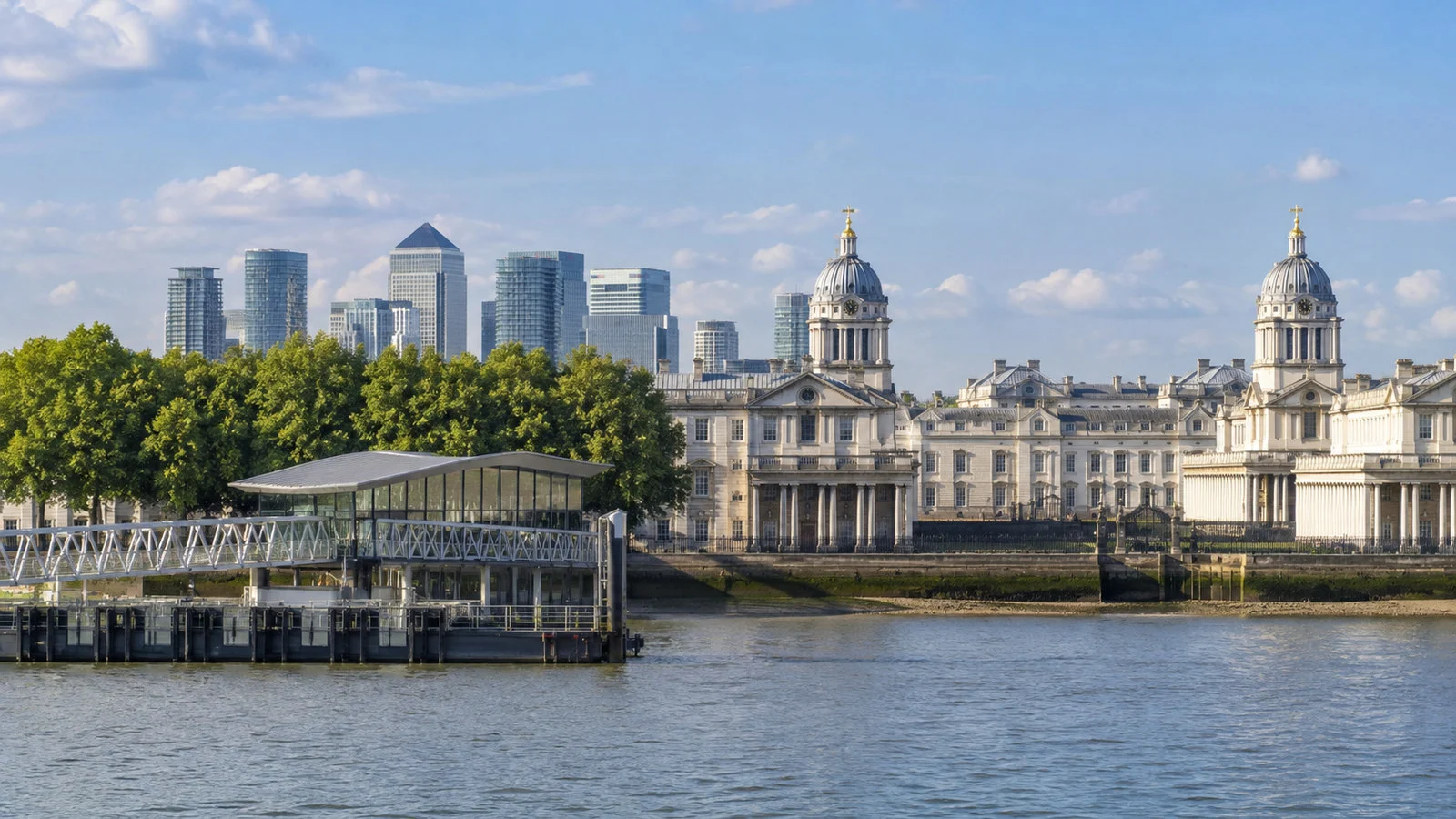
Greenwich sits on the south bank of the River Thames, east of central London. The historic center gathers around the riverfront, the Old Royal Naval College, Cutty Sark, Greenwich Market, and Greenwich Park.
Your operator will confirm the exact transfer procedure and landing point. Greenwich Pier is the key public river pier beside Cutty Sark, but cruise arrangements can vary with the vessel, tide, river traffic, and operational conditions.
The Port of London Authority manages navigation and safety on the tidal Thames. That matters because a Greenwich arrival is part of a working river, not a fixed berth with a predictable gangway.
Quick Facts
- Port style: River mooring with a ship-arranged transfer ashore in most cases
- Best for: Cutty Sark, Maritime Greenwich, the Royal Observatory, and easy riverside walking
- Local transport: DLR, National Rail, buses, and scheduled river boats
- Nearest DLR station: Cutty Sark for Maritime Greenwich
- Nearest rail station: Greenwich, roughly a 10-minute walk from Greenwich Pier
- Currency: Pound sterling
- Language: English
- Top planning rule: Build your day around the ship’s final tender or launch time
Tender and River Transfer Planning
Read the ship’s instructions as soon as they appear because tender tickets, meeting points, and priority groups can shape the morning. Even when Greenwich is visible from the ship, boarding, river movement, and unloading can take longer than the distance suggests.
River conditions may also alter the sequence of operations. Keep your plans flexible until the cruise line confirms that independent passengers can go ashore.
On the return, aim to be back near the designated landing point well before the final transfer. Do not use a public river boat timetable as a substitute for the ship’s own all-aboard instructions.
If mobility is a concern, ask the cruise line specifically about the ship-to-boat transfer and the steps at the tender platform. Greenwich Pier is described as accessible for scheduled Uber Boat services, but that does not guarantee that a cruise tender operation will suit every wheelchair or mobility device.
What You Can Walk to From the River
Greenwich rewards a simple walking plan. Most of the headline sights are close together, and the route between the riverfront and Greenwich Park passes handsome buildings, market lanes, cafes, and open spaces.
Cutty Sark
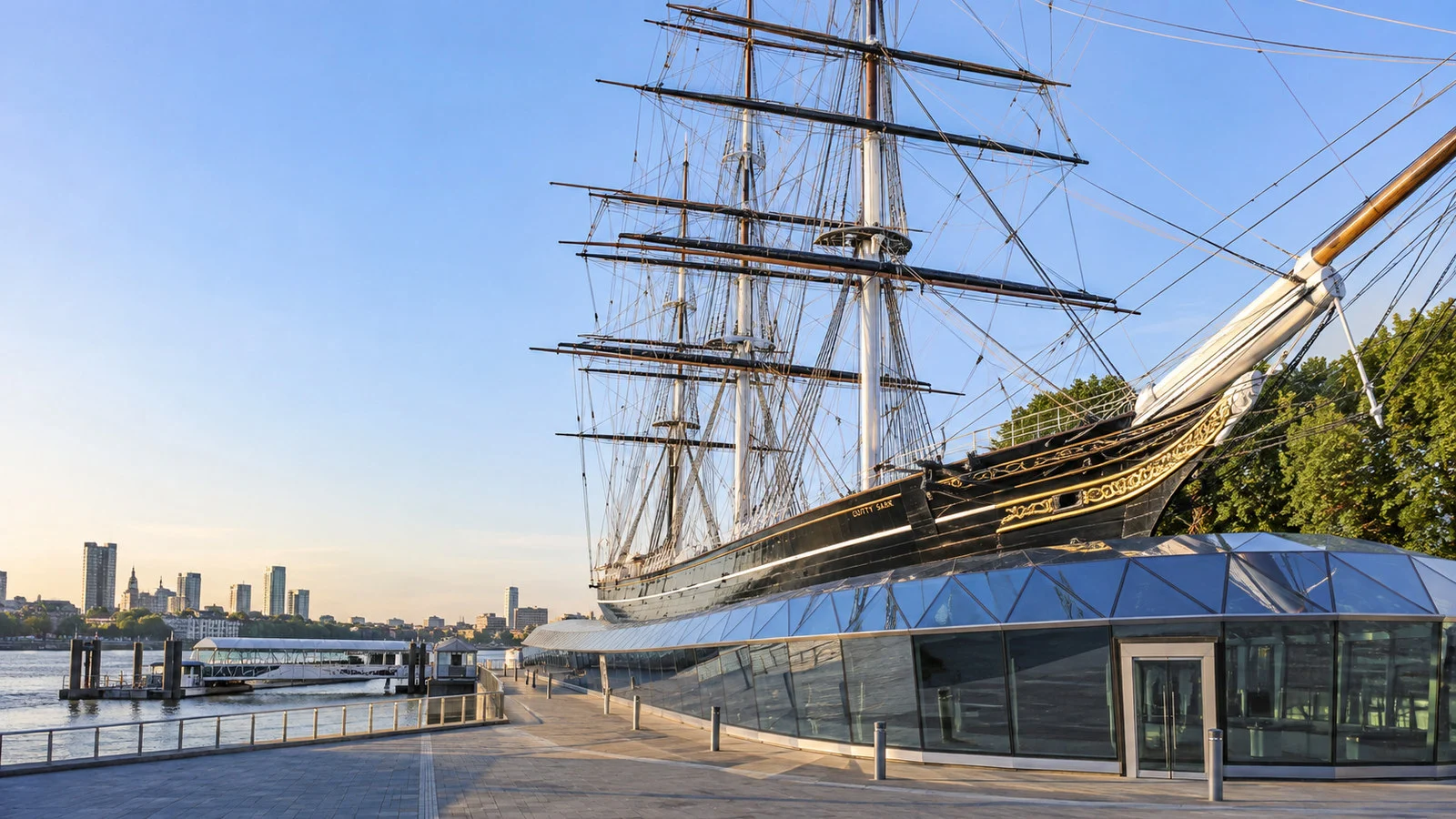
Cutty Sark is the natural first stop because the tea clipper stands beside the river and Greenwich Pier. The preserved ship is part of Royal Museums Greenwich, and its raised hull makes the exterior impressive even before you decide whether to enter.
A paid visit explores the decks, cargo story, crew life, and the engineering beneath the hull. Check current hours and book ahead through Royal Museums Greenwich if this is a priority, especially during school holidays and busy weekends.
Old Royal Naval College
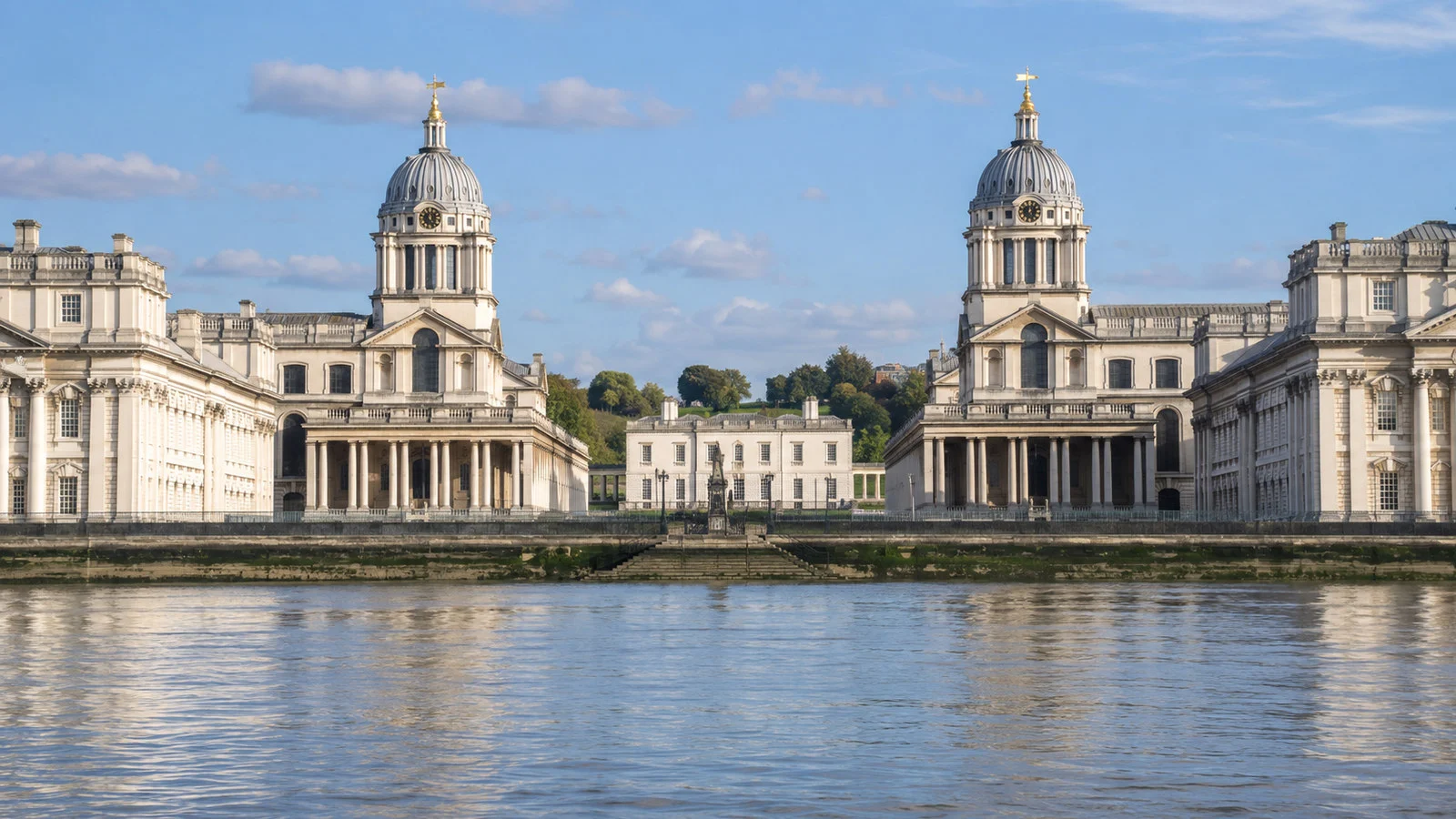
The domes and colonnades of the Old Royal Naval College define the Greenwich waterfront. Walking through the grounds gives you one of the district’s grandest views without requiring a long detour.
The Painted Hall is the major indoor attraction here, with an elaborate Baroque interior created across the early 18th century. Current admission details and event closures are published by the Old Royal Naval College.
National Maritime Museum and Queen’s House
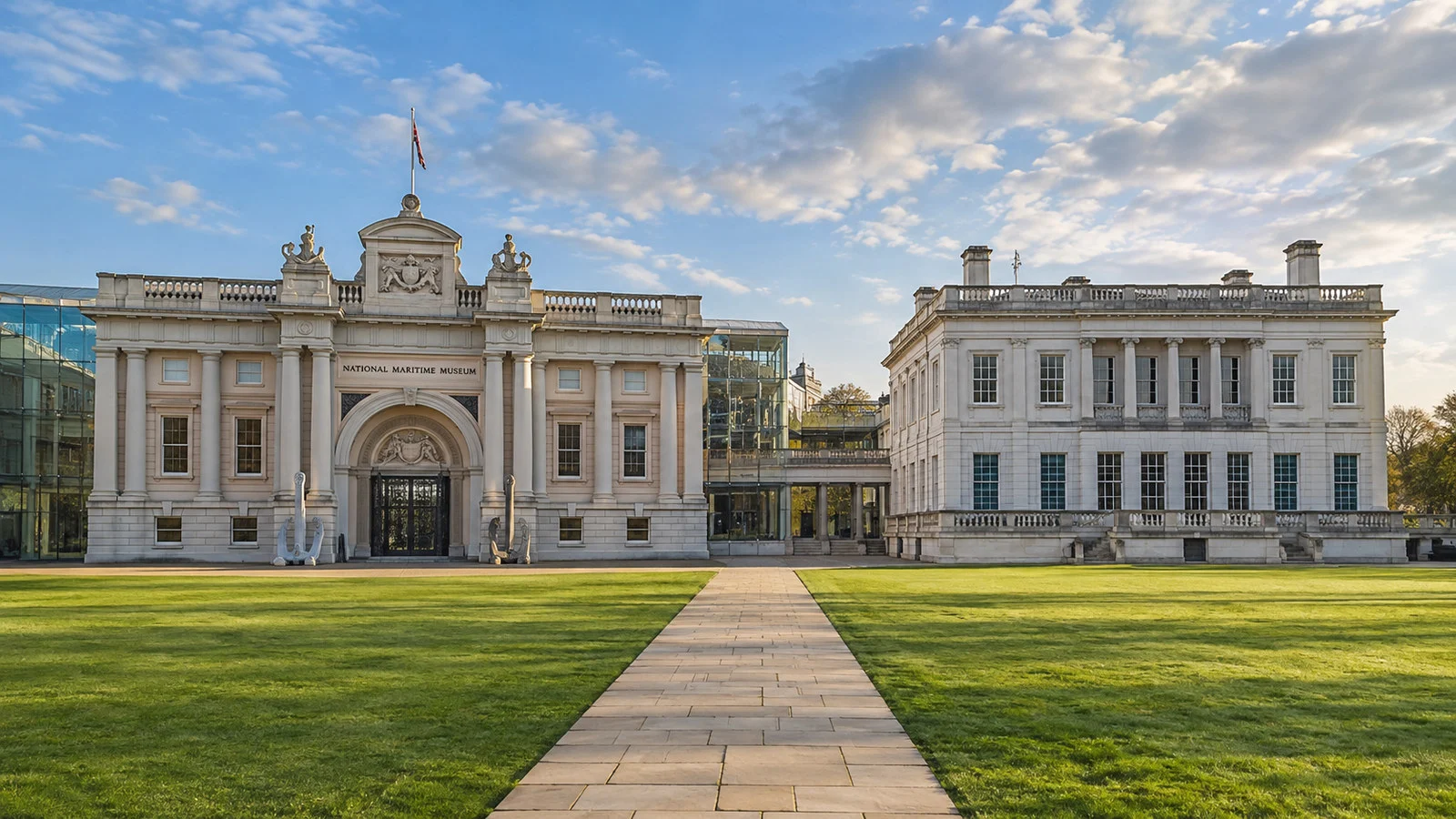
The National Maritime Museum is a strong choice when the weather turns or you want more context for Britain’s relationship with the sea. General admission is free, although Royal Museums Greenwich recommends booking to help guarantee entry.
Next door, the Queen’s House combines elegant architecture with an art collection and the famous Tulip Stairs. General admission is also free, making these two sites easy to pair without committing most of the day.
Royal Observatory and the Prime Meridian
The Royal Observatory sits uphill in Greenwich Park, so allow more time and energy than the map might suggest. The climb pays off with broad views across the Queen’s House, the Thames, and the modern skyline.
The historic Prime Meridian and astronomy galleries are inside the paid visitor area. Confirm current hours and ticket availability on the Royal Observatory website before your call.
If time is tight, you can still enjoy Greenwich Park and the viewpoint without touring every indoor space. This is often the better choice when tender operations have started late or the final return window is early.
Greenwich Market
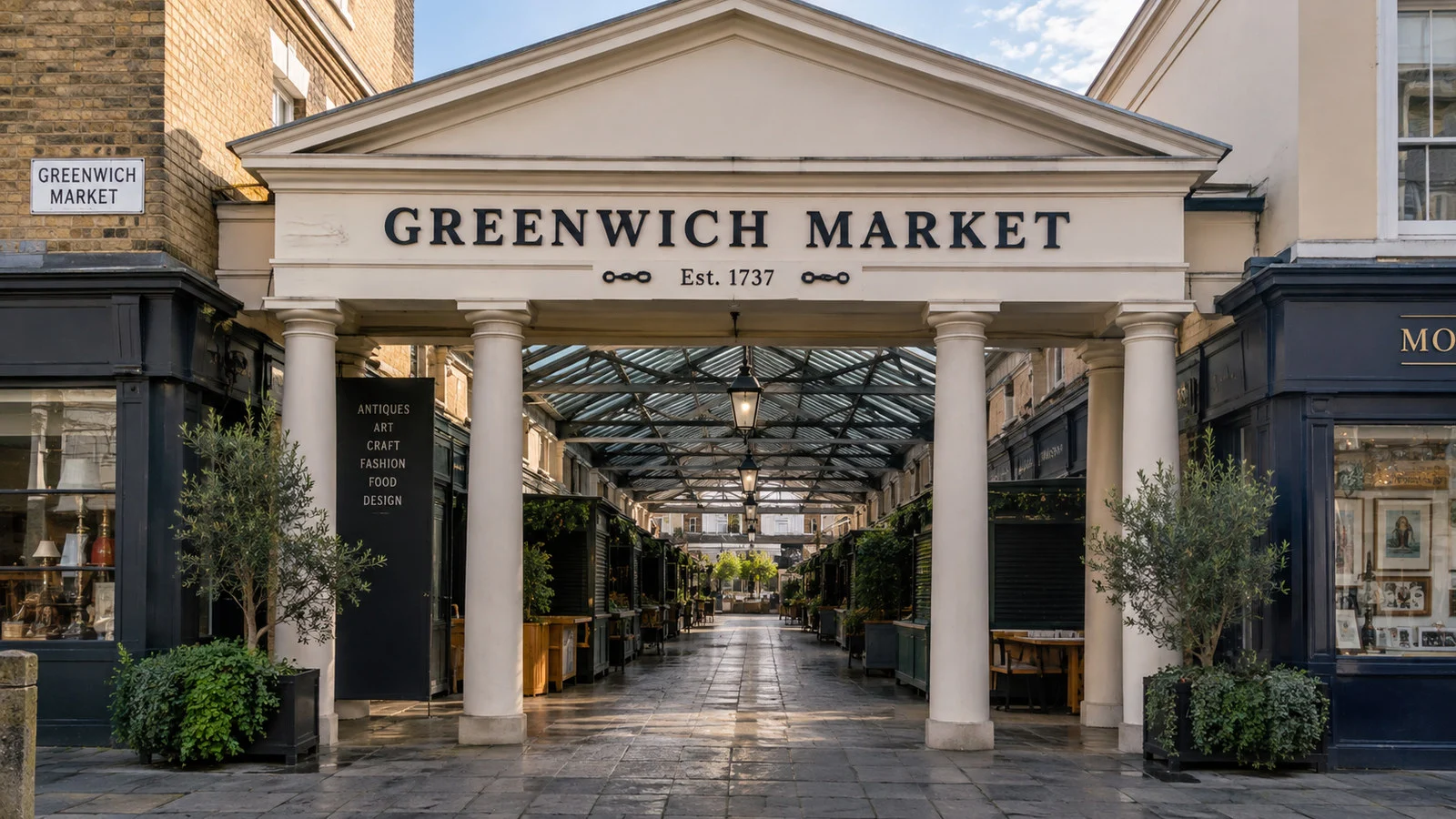
Greenwich Market is useful for a casual lunch, a quick browse, or a weather break between attractions. Opening patterns and trader lineups can vary, so check the official market website if a particular day matters.
A Sensible Half-Day Greenwich Route
Start at Cutty Sark and pause on the riverfront to get your bearings. Continue through the Old Royal Naval College, then choose either the Painted Hall or the National Maritime Museum as your main indoor visit.
From there, walk past the Queen’s House and climb through Greenwich Park to the Royal Observatory viewpoint. Return downhill through the market area, leaving a generous margin before your ship’s required transfer.
This route is intentionally modular. Drop the Observatory climb if the weather, mobility needs, or tender timing makes it impractical, and keep the riverside sights instead.
Going Into Central London
Central London is reachable, but it should not be an automatic choice on a short Greenwich call. The more connections you add, the more vulnerable the day becomes to queues, service disruption, and a delayed return.
Cutty Sark station serves the Docklands Light Railway, and Greenwich station has National Rail and DLR services. Routes can change, so use the live Transport for London journey planner rather than relying on a fixed route described months earlier.
Scheduled river boats are a scenic alternative and serve Greenwich Pier. Uber Boat by Thames Clippers publishes live service information, accessibility details, and accepted payment methods for its public services.
Westminster, the Tower of London, and other central sights can consume much more time than expected once travel and security lines are included. Choose one focused objective instead of building a checklist across the city.
Tickets, Hours, and Reservations
Royal Museums Greenwich publishes current opening times and admission prices for Cutty Sark and the Royal Observatory. It also lists the free general admission arrangements for the National Maritime Museum and Queen’s House.
Hours and prices can change, and special events may affect access. Review the official plan your visit page shortly before sailing and reserve timed entry for any attraction you would be disappointed to miss.
Do not book the earliest available entry after the ship’s scheduled arrival. A later slot protects you from delays in clearance and the transfer ashore.
Accessibility and Comfort
The riverside area around Cutty Sark and the Old Royal Naval College is comparatively level, but historic surfaces can be uneven. Greenwich Park rises steeply toward the Observatory, which is the main physical challenge on the classic sightseeing route.
Royal Museums Greenwich provides venue-specific accessibility guidance, including step-free routes and facilities. Contact the attraction directly when lift access, seating, sensory conditions, or wheelchair dimensions will affect your visit.
Wear shoes with reliable grip because piers, tender steps, and stone paths can be slippery in wet weather. London conditions change quickly, so a light waterproof layer is useful even when the morning looks settled.
Food, Payments, and Practical Stops
Greenwich has plenty of cafes, pubs, bakeries, and market food within a short walk of the waterfront. For the easiest day, eat locally rather than traveling into central London solely for lunch.
Cards and contactless payments are widely used across London, including public transport. Carrying a small amount of cash can still be handy for an occasional market stall or minor purchase.
Public transport rules and fare products evolve, so check TfL and the relevant operator before travel. Never assume a cruise transfer ticket includes local trains, DLR, buses, or scheduled river boats.
How Much Time Should You Allow?
A comfortable local visit can fill four to six hours without feeling rushed. Cutty Sark, the Old Royal Naval College, one museum, and the park viewpoint are already a substantial day.
On a shorter call, keep to the riverfront and choose one ticketed interior. On a longer call, add the Observatory or one carefully selected central London sight only after protecting your return margin.
Your real deadline is the final ship-operated transfer, not the published departure time. Record that time, the meeting place, and an emergency contact before walking away from the landing area.
Is Greenwich a Good Cruise Port?
Yes, especially for travelers who enjoy maritime history, architecture, and a day that works well on foot. The UNESCO-listed Maritime Greenwich ensemble gives the call a coherent sense of place that many large city ports lack.
The river transfer requires patience and careful timing, but it also makes the arrival memorable. Stay local when the schedule is tight, treat central London as an optional extension, and let the ship’s final instructions set the boundaries of the day.