Natchez River Cruise Port: Silver Street, Bluff Access and Honest History
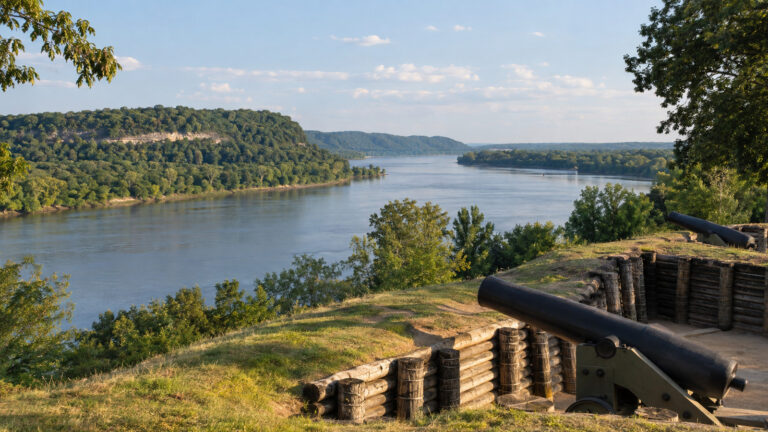
Natchez greets river cruise passengers below a high bluff, and that vertical geography shapes the entire port day. The historic center is close on a map, but the climb from the Mississippi riverfront makes operator transportation valuable.
The city deserves more than a parade of beautiful houses. A thoughtful visit connects architecture and wealth with Indigenous history, slavery, the domestic slave trade, Reconstruction, Black civic life, and the modern community.
Natchez river cruise port quick facts
- Typical landing area: The riverfront below the bluff near Silver Street and Under the Hill, with the exact position set by the operator and river conditions.
- Best way uphill: Use the cruise line shuttle or included transportation unless you are comfortable with a steep, weather exposed climb.
- Top first visit: One well interpreted historic property, the Natchez Museum of African American History and Culture, and a bluff or downtown walk.
- Essential context: Add Forks of the Road, Melrose, the William Johnson House, or Grand Village when transport and timing allow.
- Currency: US dollar, with cards widely accepted and a little cash useful for tips or small purchases.
- Time zone: Central Time, using UTC minus 6 in standard time and UTC minus 5 during daylight saving time.
- Main variable: Mississippi River stage can change the gangway, landing surface, shuttle route, and time available ashore.
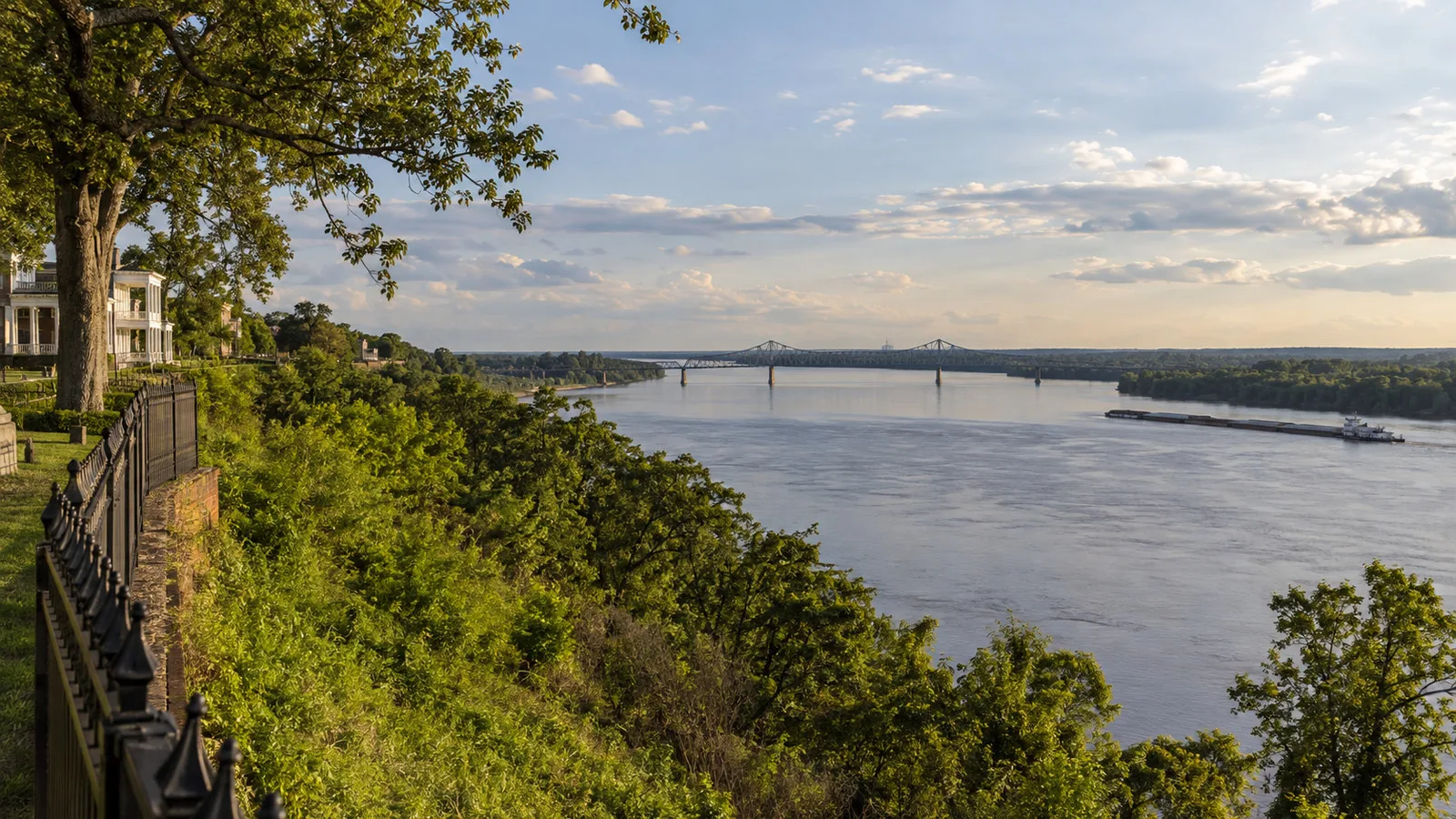
Natchez is an active river cruise stop
Natchez remains a regular call on Lower Mississippi itineraries. The official 2026 docking calendar lists calls by Viking and several American Cruise Lines vessels across the year.
The calendar confirms recurring cruise traffic, but it is not a promise that every vessel will arrive at the printed hour. The document states that schedules are subject to change.
River stage, weather, tow traffic, mechanical issues, and earlier delays can alter the day. Follow the ship’s daily program even when it differs from information published before the voyage.
Where the ship lands
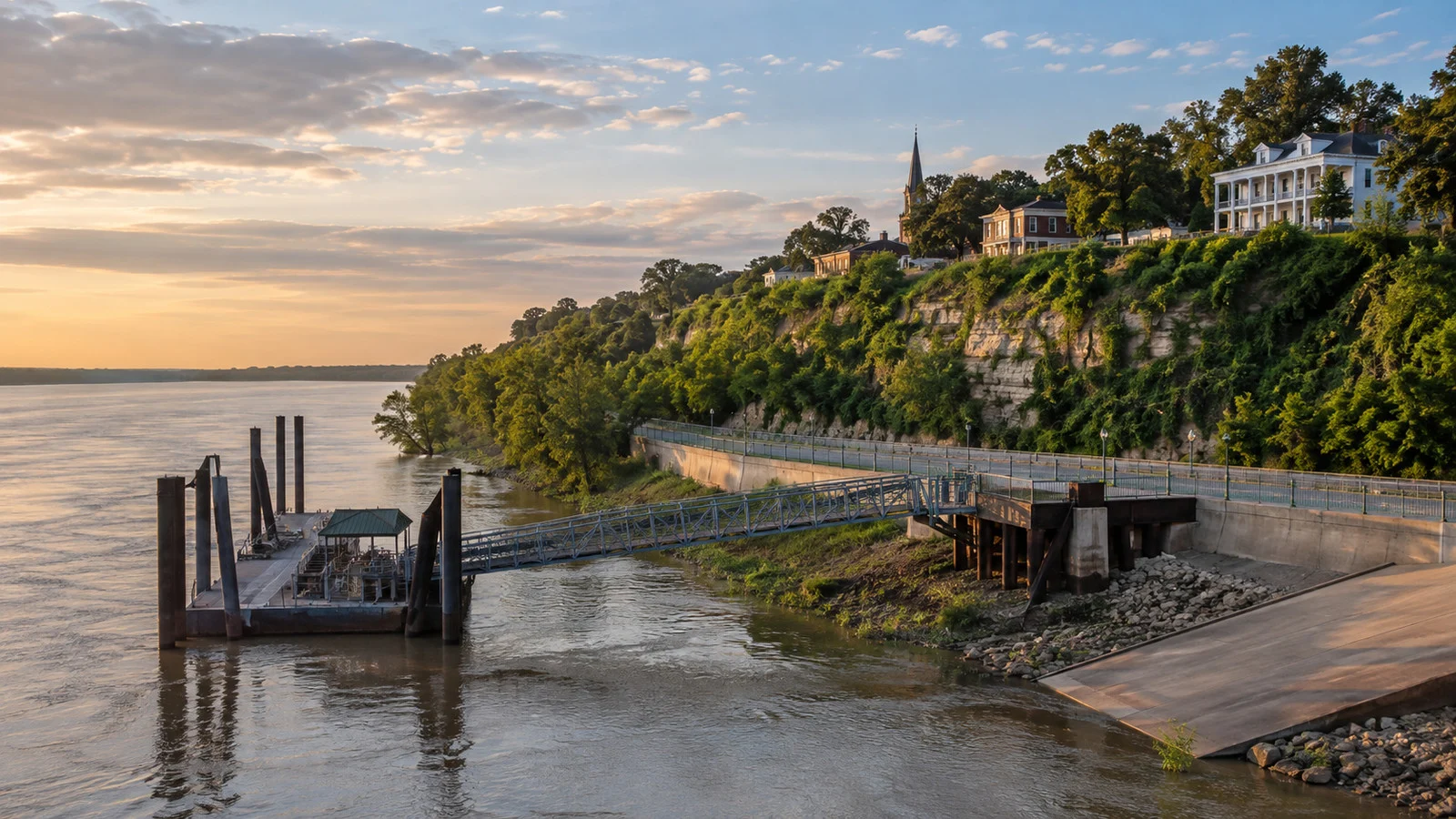
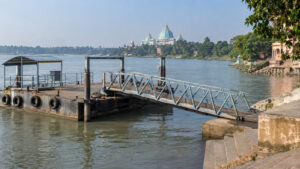
Passenger vessels commonly use the Mississippi riverfront below the bluff in the Silver Street and Under the Hill area. The exact ramp or landing position can shift with vessel assignment, simultaneous calls, and changing water levels.
Do not expect an enclosed ocean cruise terminal. Arrival may involve a bow ramp or gangway meeting a sloped surface, followed by a short walk to a shuttle, coach, or local tour vehicle.
The route can feel different on the return if the river changes or another vessel arrives. Note the ship name, landing point, and final shuttle time before leaving the area.
Silver Street and Under the Hill
Silver Street links the riverfront with the upper city, climbing sharply from the water. Under the Hill developed around river trade, taverns, travelers, and the commercial life of steamboat Natchez.
Today, the short waterfront includes restaurants, businesses, parking, and river views. It is pleasant near the ship, but it should not be treated as a complete picture of the city’s past.
The riverfront was also part of the movement and sale of enslaved people. Honest interpretation matters because the same transportation network that built commerce also carried families into forced labor and separation.
Getting from the landing to the bluff
The upper historic district sits close in straight line distance and substantially higher in elevation. The direct climb can be steep, hot, slick after rain, and tiring even for confident walkers.
Use the cruise operator’s shuttle or included transport when available. Confirm where it stops, whether it runs continuously or on a schedule, and when the last downhill departure leaves.
Do not assume that a public elevator or funicular will bridge the bluff. A taxi or rideshare may help, but availability can tighten when multiple river vessels are in town.
How to visit the historic houses responsibly
Natchez has an exceptional collection of nineteenth century architecture and decorative arts. The fortunes that created many properties were inseparable from slavery, plantation agriculture, and the domestic trade in enslaved people.
Choose a tour that names enslaved workers, explains how owners earned their wealth, and distinguishes evidence from romantic legend. A beautiful room becomes more meaningful when the interpretation includes the labor system behind it.
Private house hours vary with season, events, restoration, and staffing. Confirm the tour time, photography policy, and accessibility before building the day around one property.
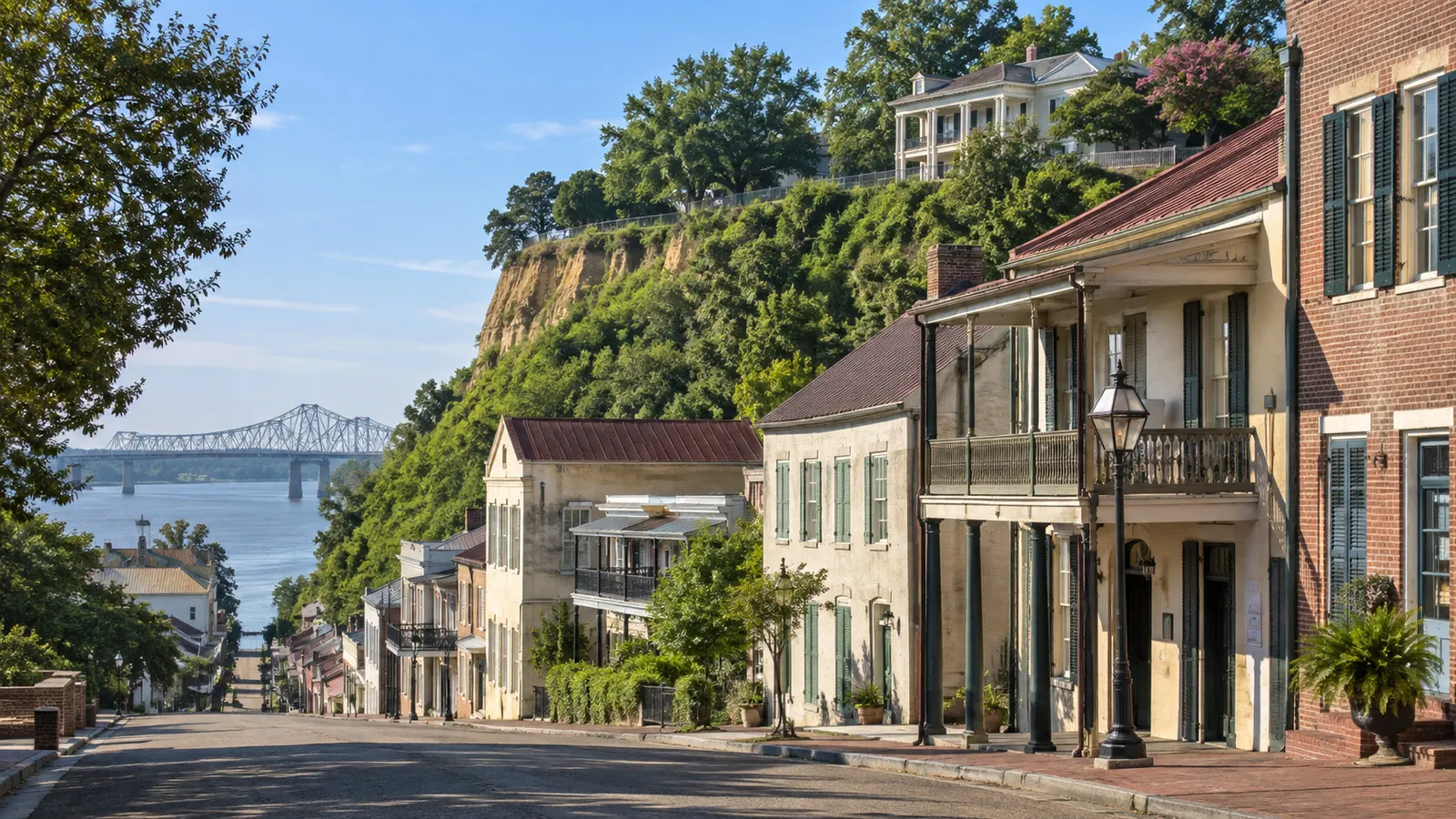
Melrose and Natchez National Historical Park
Melrose is part of Natchez National Historical Park. The National Park Service interprets the planter family alongside the enslaved people who lived and worked across the estate.
The property includes the main house, grounds, and surviving outbuildings associated with enslaved residents. Those spaces are central evidence of how the estate functioned, not an optional footnote.
Melrose lies outside the easiest downtown walking loop, so use a cruise excursion or confirmed vehicle. Check the current NPS schedule because tour access and reservations can change.
The William Johnson House
The William Johnson House is an NPS site in downtown Natchez. Johnson was a free Black barber and businessman whose diary and papers recorded daily life in the antebellum city.
His life resists a tidy summary because he rose from enslavement to freedom and later enslaved other people. Good interpretation uses that complexity to examine race, property, status, and power.
The National Park Service currently lists the first-floor visitor center and exhibit hall as open daily from 8:30 a.m. to 5 p.m., while the second-floor living quarters remain closed. Confirm the schedule before your visit.
Forks of the Road
Forks of the Road was one of the largest markets in the domestic slave trade. Tens of thousands of men, women, and children were forced through Natchez and sold into labor across the expanding cotton economy.
The site is now part of Natchez National Historical Park and is primarily an interpretive landscape rather than a reconstructed market complex. Visit for the history and allow time to read and reflect.
Forks sits outside the compact downtown loop and needs an excursion, shuttle, taxi, or other confirmed vehicle. Do not reduce it to a quick photograph between two house tours.
Natchez Museum of African American History and Culture
The museum covers slavery, Reconstruction, education, business, religion, civil rights, and community achievement. It is one of the most useful stops for balancing a house focused itinerary.
Visit Natchez’s African American cultural history page connects the city’s wealth with the trade and forced labor of enslaved people. It also directs attention toward resistance, political leadership, churches, schools, and civil rights.
Confirm museum hours directly because a small institution may adjust staffing. If the timing works, give the exhibits more than a rushed final few minutes.
Grand Village of the Natchez Indians
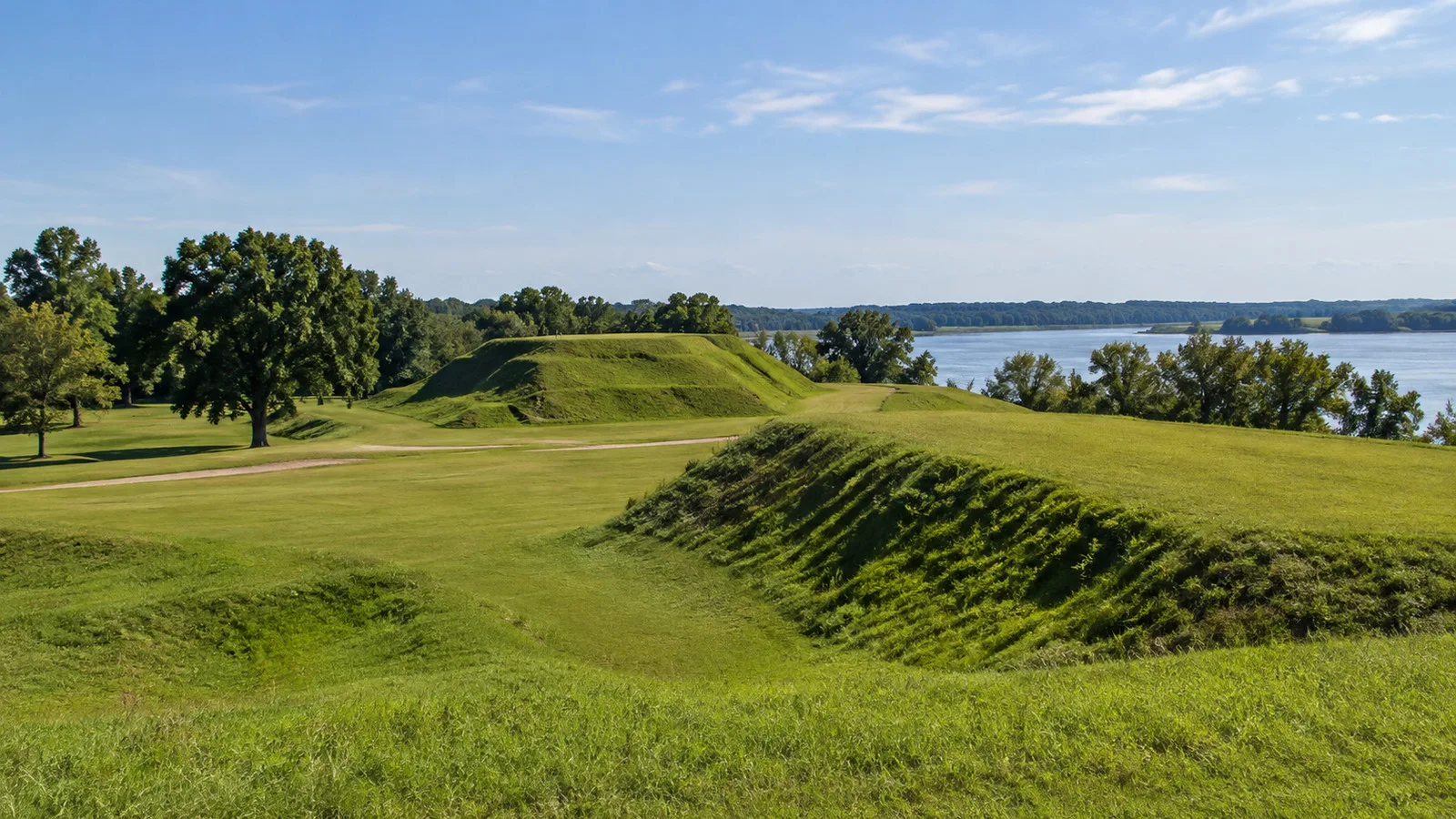
The city’s name belongs to the Natchez people, whose homeland included this region long before European colonization. Grand Village preserves ceremonial mounds and interprets an Indigenous history that should anchor any honest account of the city.
The site lies away from the riverfront and requires transportation. It can make a strong pairing with another stop focused on colonial history.
Do not describe the Natchez people only in the past tense. Descendant communities remain part of the present even though colonial violence dispersed them from the place that carries their name.
Rosalie, Longwood, and Stanton Hall
Rosalie stands near the bluff and is convenient for many cruise programs. Its architecture and Civil War associations are important, but interpretation should also address the enslaved people connected with the property.
Longwood is known for its octagonal design and unfinished upper interior. It sits beyond the compact downtown core and needs a vehicle.
Stanton Hall can fit more easily into an upper town route. Each property has its own ticket, schedule, photography rules, and physical access limitations.
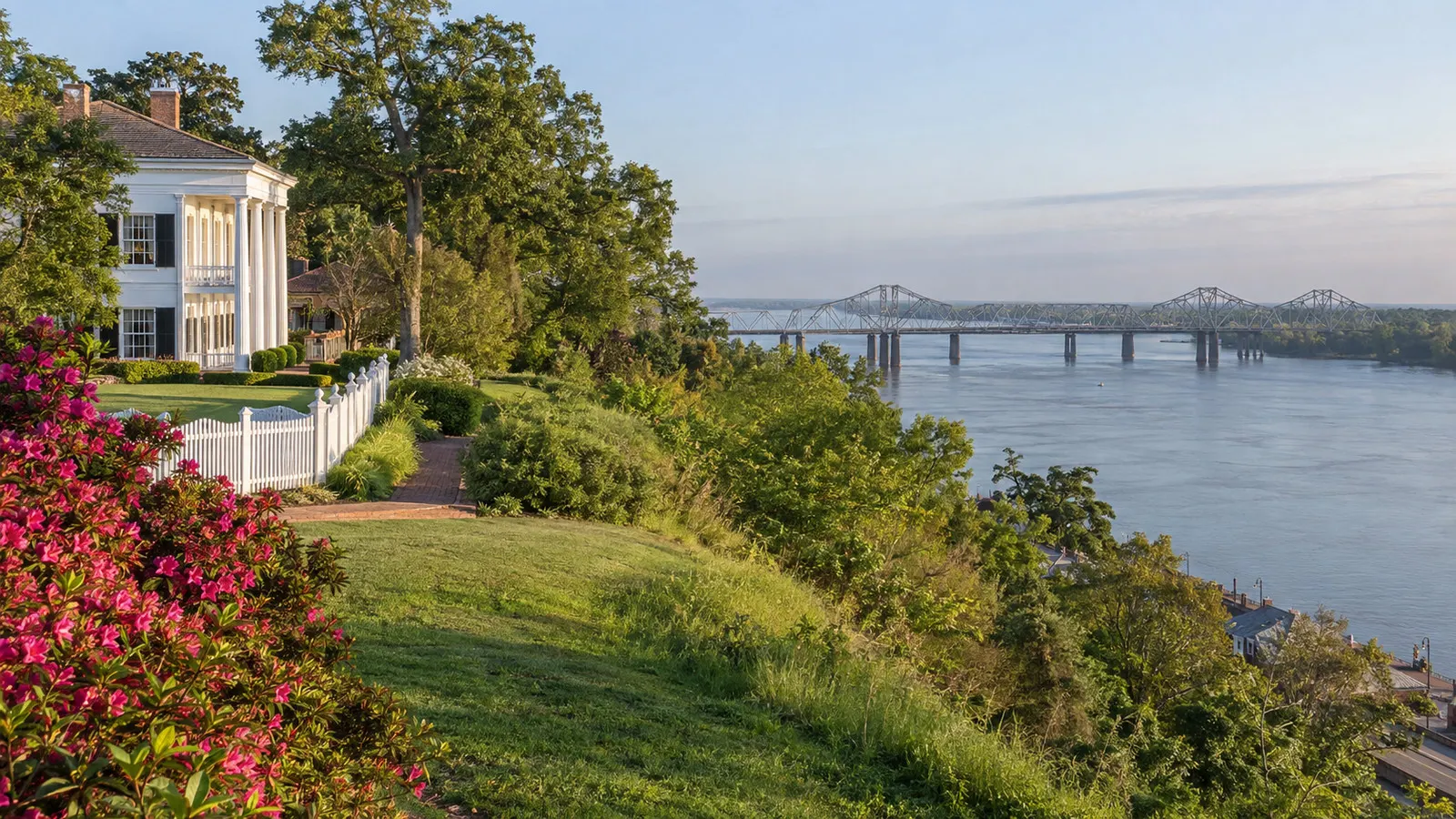
A realistic upper town walking loop
From an uphill shuttle stop, a balanced loop can include the bluff overlook, William Johnson House when open, downtown streets, and the African American history museum. Add one timed house visit only if its schedule fits cleanly.
Historic sidewalks may include brick, roots, curbs, slopes, and uneven sections. Shade is inconsistent, and summer humidity makes every block feel longer.
Build the route around the one interior you most want to see. Keep a flexible outdoor stop available in case a museum or house changes its hours.
Accessibility from ship to city
Accessibility begins at the vessel rather than the first attraction. River level can make the ramp steeper or longer, and the landing may include a lip, slope, gravel, or temporary matting.
Ask whether an occupied wheelchair can use the gangway and whether the uphill shuttle has a lift. A tour is not fully accessible unless the ship, landing, vehicle, restrooms, and attraction route work together.
The climb from the riverfront is the main obstacle for independent visitors. Arrange a suitable vehicle rather than expecting to push a wheelchair or walker up Silver Street.
Historic houses vary widely because steps, narrow doors, and protected interiors may restrict access. Ask whether a ground floor program, video tour, or seated interpretation is available.
High water, low water, and landing changes
The Mississippi can complicate a call at both high and low stages. Water level affects approach, ramp angle, bank conditions, road access, and where buses can safely meet passengers.
The US Army Corps of Engineers Natchez river gauge lists a flood stage of 48 feet and provides recent readings. Cruise operations can still change below official flood stage.
Low water can expose bank, lengthen a ramp, alter approach depth, or force a different landing. River vessels have shallow drafts, but they still operate within physical limits.
Let the captain and local landing team decide whether the operation is safe. A changed berth or shortened day may be the only responsible choice.
Weather and practical comfort
Natchez can be hot and humid from late spring through early fall, with thunderstorms capable of disrupting walking and transport. Carry water, sun protection, and a compact rain layer.
Choose shoes that handle a ship ramp, brick sidewalk, museum floor, and historic house steps. A stylish sole becomes less impressive when Silver Street is wet.
Downtown and Under the Hill have places to eat, but hours may not align with an early or shortened call. Do not let a slow lunch erase the last safe shuttle downhill.
Ship excursion or independent day?
A ship excursion is especially useful for Melrose, Forks of the Road, Grand Village, or Longwood because transportation and return timing are integrated. Read the description to see whether interpretation goes beyond architecture.
An independent upper town day can work when shuttles are frequent and chosen sites have confirmed hours. Keep the route compact and use operator transport for the bluff.
A private guide offers the best chance to build a history focused route across dispersed sites. Confirm vehicle accessibility, admissions, and the all aboard buffer before paying.
Three good Natchez plans
Balanced first visit: Ride uphill, tour one house with meaningful slavery interpretation, visit the African American history museum, and walk the bluff. Return by shuttle with time for the riverfront near the ship.
History focused day: Use a guided vehicle for Forks of the Road, Grand Village, or Melrose, then add the William Johnson House if timing allows. This trades mansion quantity for stronger understanding.
Low mobility plan: Confirm an accessible shuttle, choose one verified accessible interior, and use a panoramic drive for the wider city. Avoid treating the Silver Street climb as a test of determination.
Returning to the ship
Confirm the final shuttle and all aboard time before the first tour begins. River schedules can recover lost time by shortening a call, so check for updates during the day.
Independent travelers should aim to be back near the landing well before the cutoff. A delayed attraction, steep walk, or missing rideshare can consume the buffer.
Save Under the Hill for the end only when the ship is close and the return route is clear. A river view is better when no one is watching the clock in alarm.
How Natchez fits a Lower Mississippi cruise
Natchez often sits between larger embarkation cities and smaller river communities. Its depth comes from the way Indigenous, African American, river, architectural, and political histories overlap in one stop.
Our river cruise ports guide explains the wider pattern of changing landings and operator transport. Travelers beginning or ending in Louisiana can also use the New Orleans cruise port guide.
Quick answers
Where do river cruise ships land?
Many use the Under the Hill riverfront near Silver Street. The exact position depends on the vessel, water level, and local assignment.
Can I walk from the ship to downtown?
Yes, but the route climbs steeply from the riverfront to the bluff. Operator transportation is more comfortable for many travelers.
What is the best historic site?
There is no universal winner. Choose the place that fits your interests and offers clear interpretation of enslaved labor, Indigenous history, or African American life.
Is Forks of the Road walkable?
It is outside the easiest downtown route and is better reached by excursion or confirmed vehicle. Allow time to engage with the interpretation.
Can river conditions cancel Natchez?
Yes. High water, low water, weather, traffic, or landing conditions can move, shorten, or cancel a call.
Is Natchez wheelchair accessible?
Parts can be accessible, but the gangway, landing, shuttle, and each historic site need separate confirmation. Request the exact route rather than a general assurance.
The last word
Natchez is most rewarding when its beauty and difficult history are allowed to stand together. Choose fewer stops, demand better interpretation, and let the bluff shape a realistic route.
Use the shuttle, watch the river, and return early enough to enjoy the waterfront without anxiety. A thoughtful day here can become one of the most substantial stops on the Lower Mississippi.
How this guide was researched: This guide was checked on September 12, 2026 against the official 2026 Natchez docking calendar, National Park Service information, Visit Natchez history resources, Mississippi Department of Archives and History information, and US Army Corps of Engineers river data. Landings, shuttles, hours, and river conditions can change, so confirm the final program with your operator and see our Editorial Policy.