Cussac-Fort-Médoc River Cruise Port: Fort and Wine Guide
Cussac-Fort-Médoc is one of the most unusual stops on a Bordeaux river cruise. The gangway can place you beside a seventeenth-century fortress, while the vineyards of the Médoc spread along the roads beyond it.
The setting is peaceful, but the logistics deserve attention. Fort Médoc, Cussac village, Pauillac, Blaye, and the Lamarque ferry terminal are separate places, and your ship may use more than one of them during the day.
Quick Facts
- Country: France
- Region: Médoc, on the left bank of the Gironde estuary north of Bordeaux
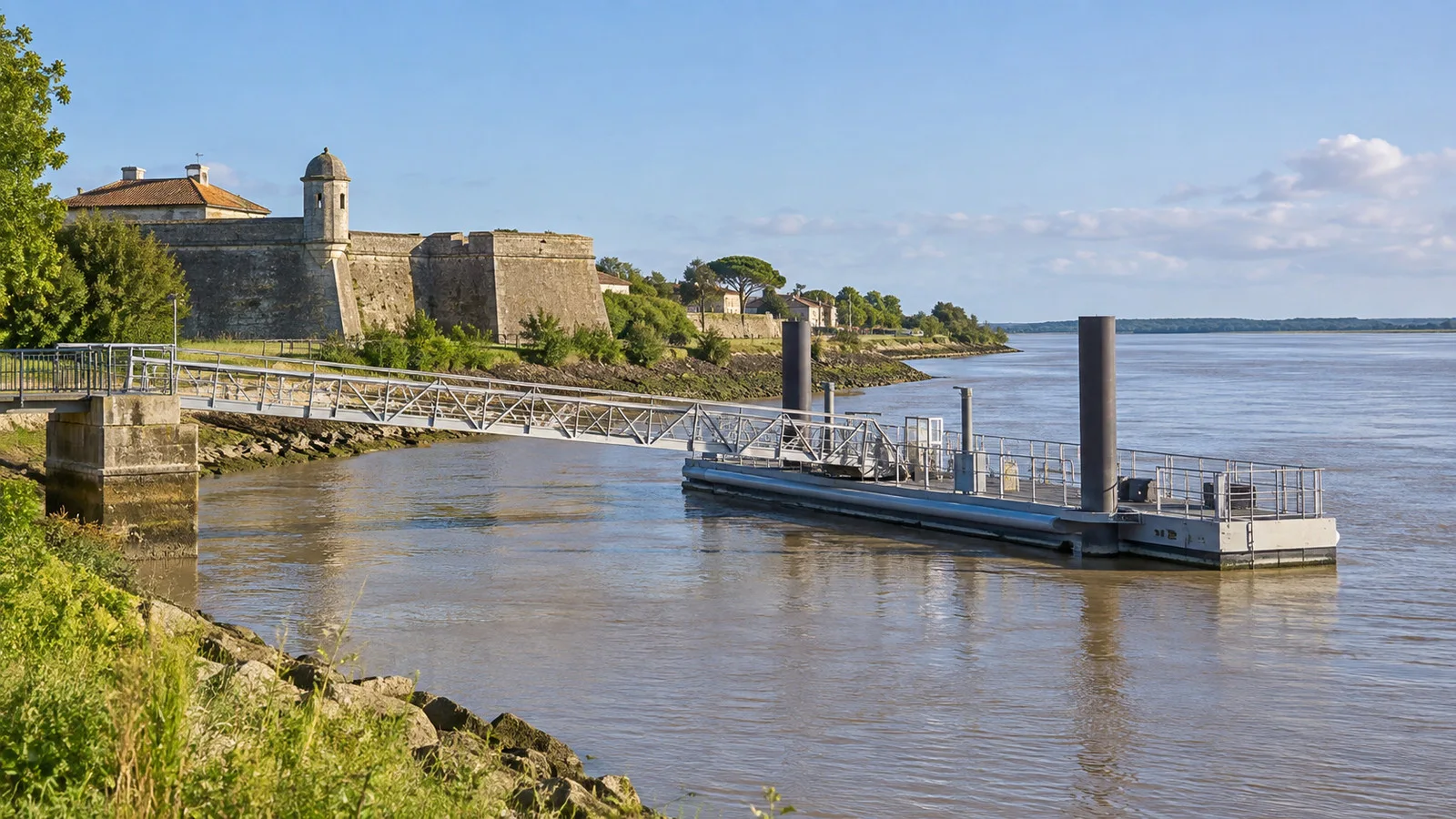
- Arrival: River ships can use the pontoon beside Fort Médoc
- Main walk-off sight: Fort Médoc, part of the UNESCO-listed Fortifications of Vauban
- Popular excursion: A reserved château visit and wine tasting in the Médoc
- Currency: Euro
- Language: French
- Best first step: Confirm the day’s docking point and reboarding location before leaving the ship
Where River Cruises Dock
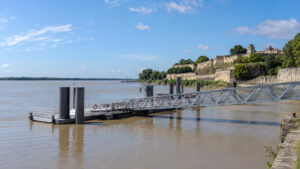
The Port of Bordeaux includes Cussac-Fort-Médoc among the river cruise stopover sites in its navigation basin. The local pontoon sits beside Fort Médoc at 32 Avenue du Fort-Médoc, rather than in a busy town center.
This is a working river landing, not a large terminal with shops, taxis, and staffed luggage desks. Depending on the vessel, tide, and berth plan, the gangway position or angle can change.
The fort entrance is close enough to make it the natural independent destination when opening hours match the call. Even so, wait for the crew to open the gangway and note the exact all-aboard time before stepping ashore.
Do not use the words Cussac, Pauillac, and Blaye as if they describe one waterfront. A cruise line may combine them in a day because guests leave at one landing, tour by motorcoach, and rejoin the ship at another.
Fort Médoc Is the Star Beside the Gangway
Fort Médoc was created as part of the defensive system that controlled access to Bordeaux by river. Together with the Citadel of Blaye and Fort Pâté, it formed a coordinated barrier across the Gironde.
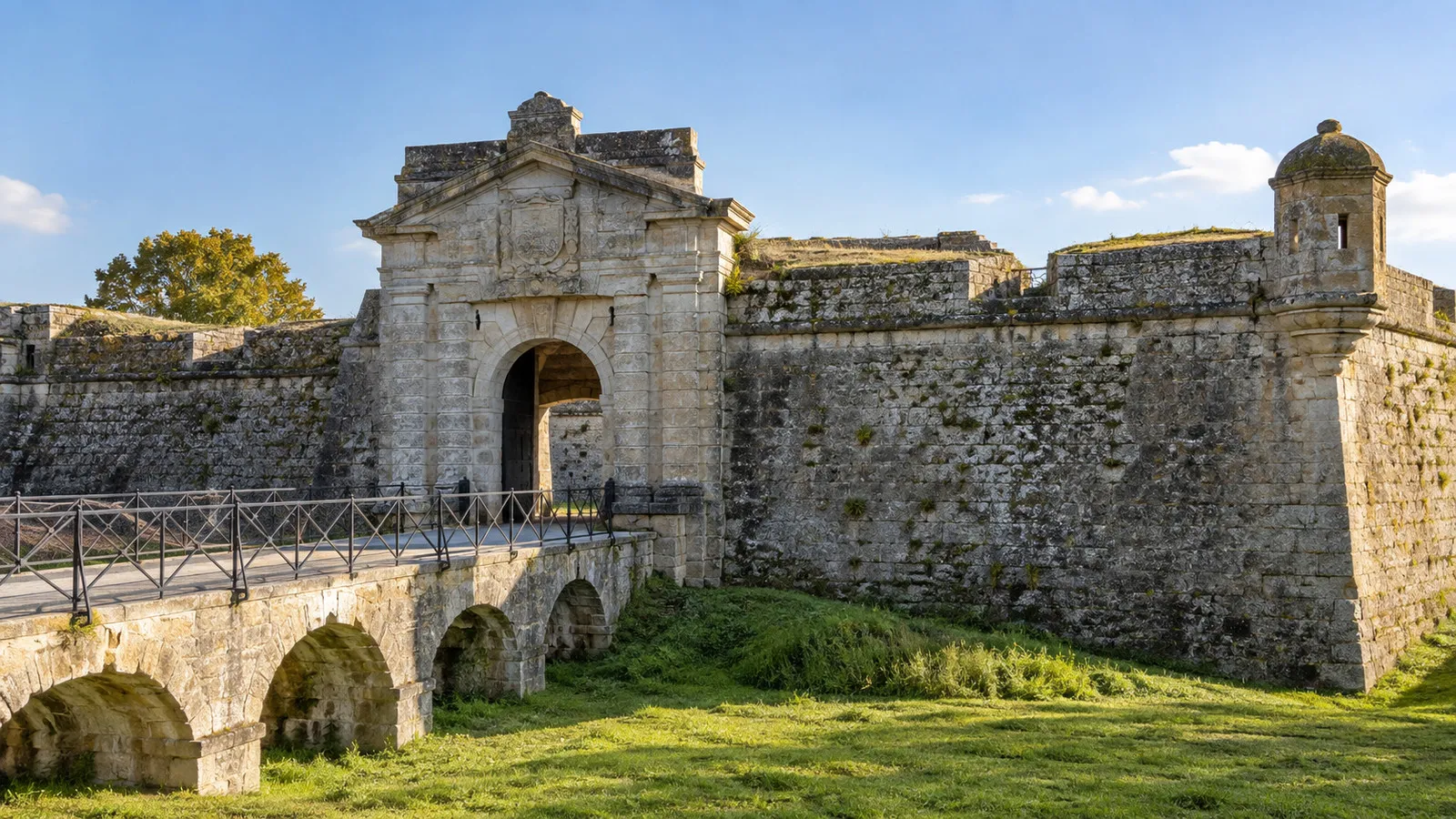
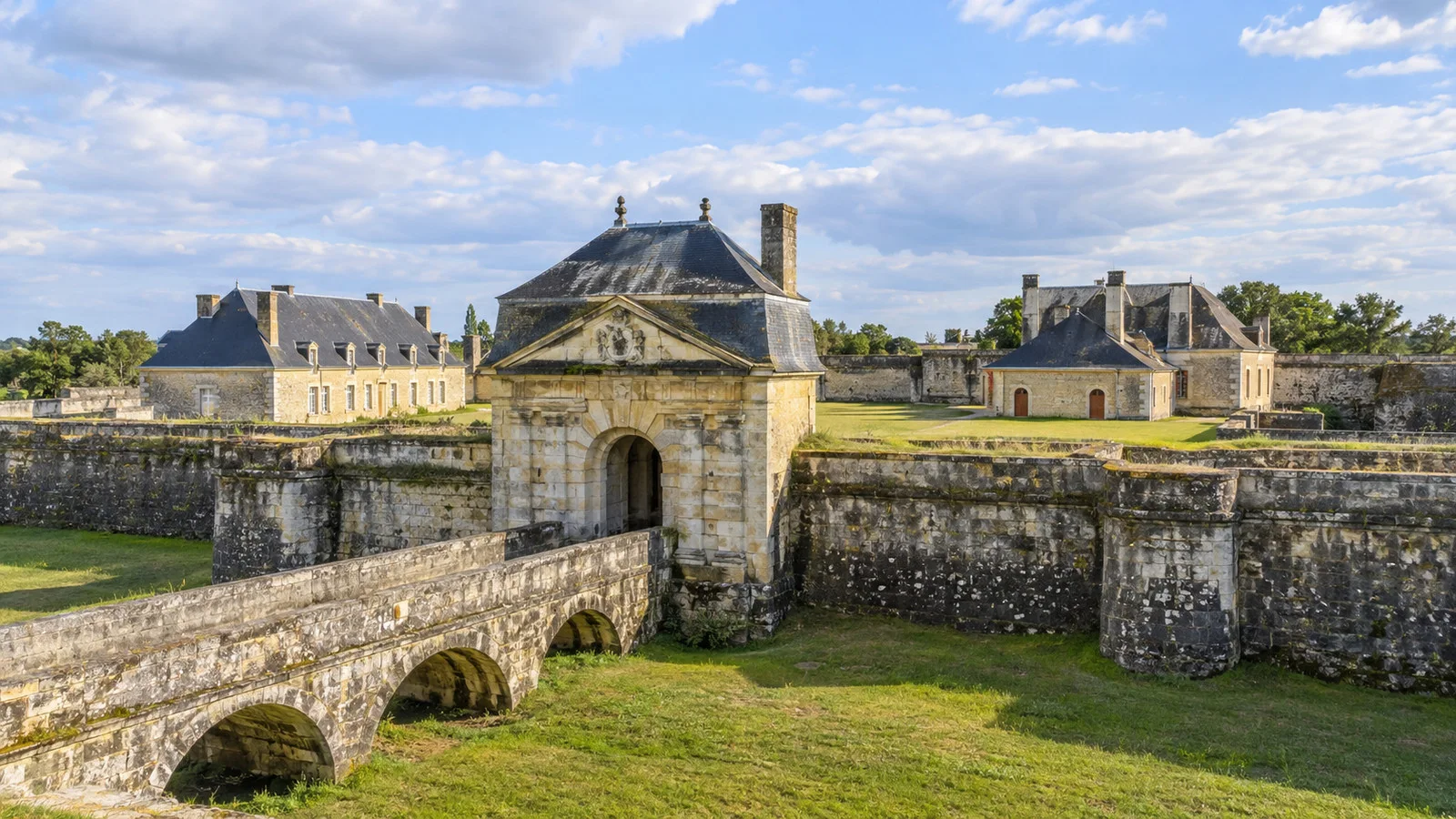
The complex includes the Royal Gate, a guardhouse, a powder magazine, a chapel, defensive walls, and the remains of military buildings. Its low profile makes more sense once you look across the broad estuary and imagine the three positions working together.
UNESCO includes Fort Médoc within the Fortifications of Vauban World Heritage property, which was inscribed in 2008. That recognition covers a serial group of Vauban sites rather than a single monument.
A self-guided visit can fit comfortably into many calls, but there is no universal amount of free time. One hour is a reasonable planning target for the principal areas, while a slower visitor may want closer to 90 minutes.
The official Fort Médoc page publishes seasonal opening hours, admission, contact details, and visitor facilities. Check it close to departure because winter closures, events, and private functions can matter more than a beautifully printed cruise brochure.
Opening Hours and Facilities
The municipality currently lists daily opening in the core season from April through October, with longer hours from May through September. March and November have more limited weekend and public-holiday hours, while December through February are listed as the annual closure.
Hours and prices can change, so treat the official page as the source on the day you plan. The site lists parking, toilets, picnic areas, drinks, and souvenirs, which is useful but still much simpler than a full visitor center.
An augmented reality visit is available through a smartphone, according to the municipality. Ask at reception about current access, language options, and setup before building your visit around it.
If the fort is closed during your call, the river landscape and exterior setting can still be worthwhile from the permitted public areas. Respect gates and barriers, since a locked historic monument is not issuing a personal challenge.
Accessibility at the Pontoon and Fort
River ships generally dock alongside, so there is no tender boat. The floating pontoon can still create a sloped gangway, and rafting alongside another vessel may add steps or narrow passageways.
Ask the cruise line about the actual ship-to-shore route for your sailing. A description of the fort itself does not answer questions about the gangway, another ship’s lobby, or the motorcoach used for an excursion.
The fort covers broad, mostly open ground, but surfaces can include grass, gravel, packed earth, thresholds, and historic interiors. Rain can make the route softer or more slippery, and old masonry rarely consults modern accessibility standards.
The municipality lists free admission for a disabled visitor and one companion, but a concession does not prove every section is step-free. Contact the fort and cruise line for the most current route information if access will determine whether you can visit.
Médoc Wine Country
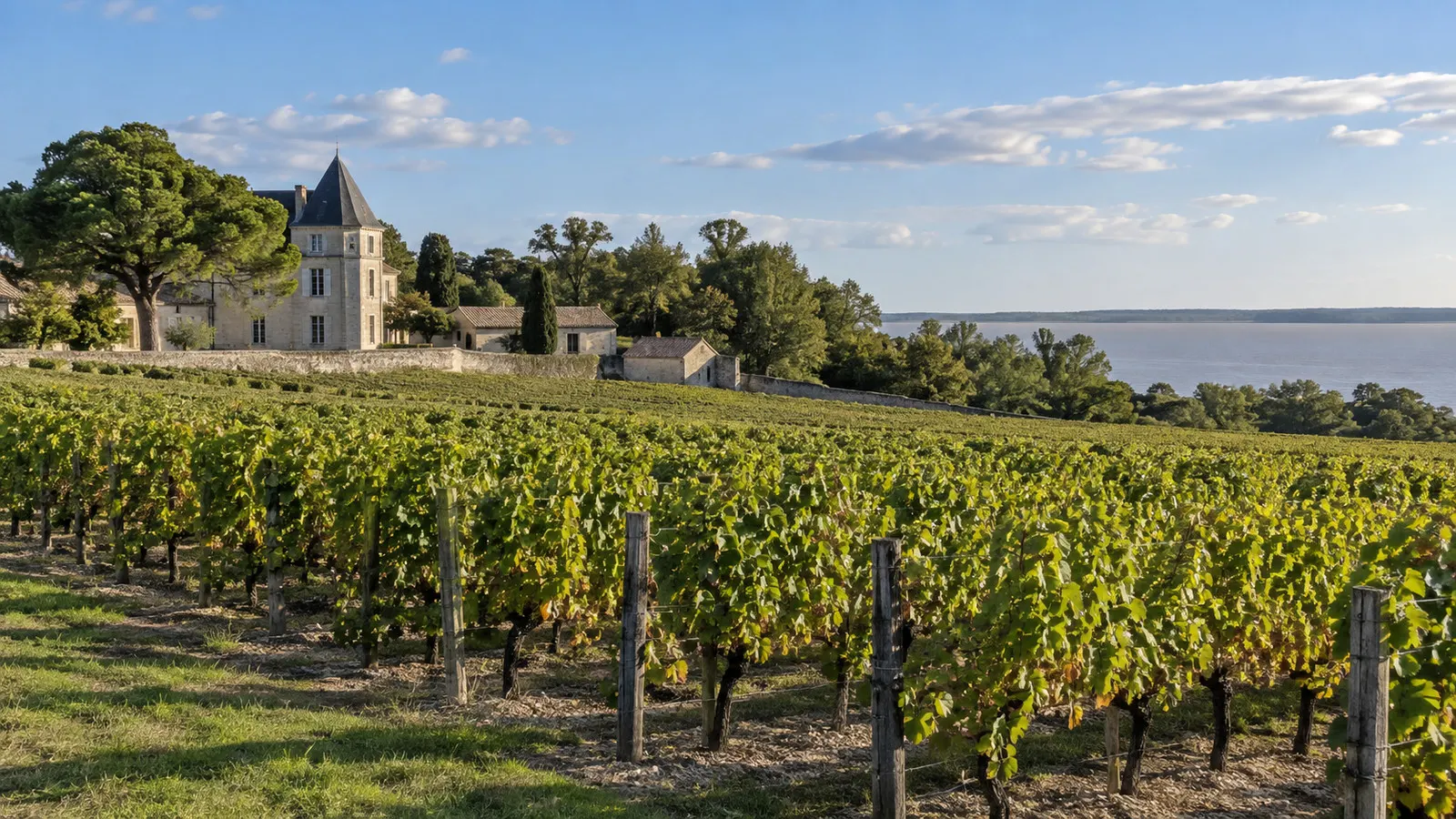
Cussac-Fort-Médoc sits within one of the world’s best-known wine regions. The roads north and south lead through appellations and villages associated with Cabernet-led Bordeaux wines, including Margaux and Pauillac.
The vineyards may look close on a map, but most château visits require transportation and a reservation. Estates are working agricultural properties, and an elegant gate is not the French equivalent of an open invitation.
A cruise-line excursion is the easiest choice when the ship may move during the tour. It coordinates the tasting, motorcoach, and reboarding point, which matters when the gangway you left is no longer where the ship will collect you.
Independent travelers should book a licensed driver well in advance and share the full ship schedule. Confirm the estate address, visit duration, language, mobility requirements, and whether the tasting is seated or standing.
Tasting is always optional, and spitting is normal in wine culture. Drivers and anyone avoiding alcohol can still enjoy the architecture, vineyard landscape, and production story.
Cussac, Pauillac, and Blaye
Cussac-Fort-Médoc and Pauillac are separate stops on the left bank of the Gironde. Blaye sits on the opposite bank and is dominated by its large citadel.
A daily program may pair these names because the vessel sails while guests tour by road. It may also change the order when tide, berth availability, weather, or navigation requires a different plan.
Photograph the daily schedule or carry the printed copy before leaving. The important detail is not simply where the tour begins, but where and when the ship expects you to return.
Pauillac has a waterfront associated with the northern Médoc vineyards, while Blaye offers direct access to its Vauban citadel. Neither is an easy walk from the Fort Médoc pontoon, regardless of how tidily an itinerary places the names on one line.
The Lamarque Ferry Is Not the Cruise Pontoon
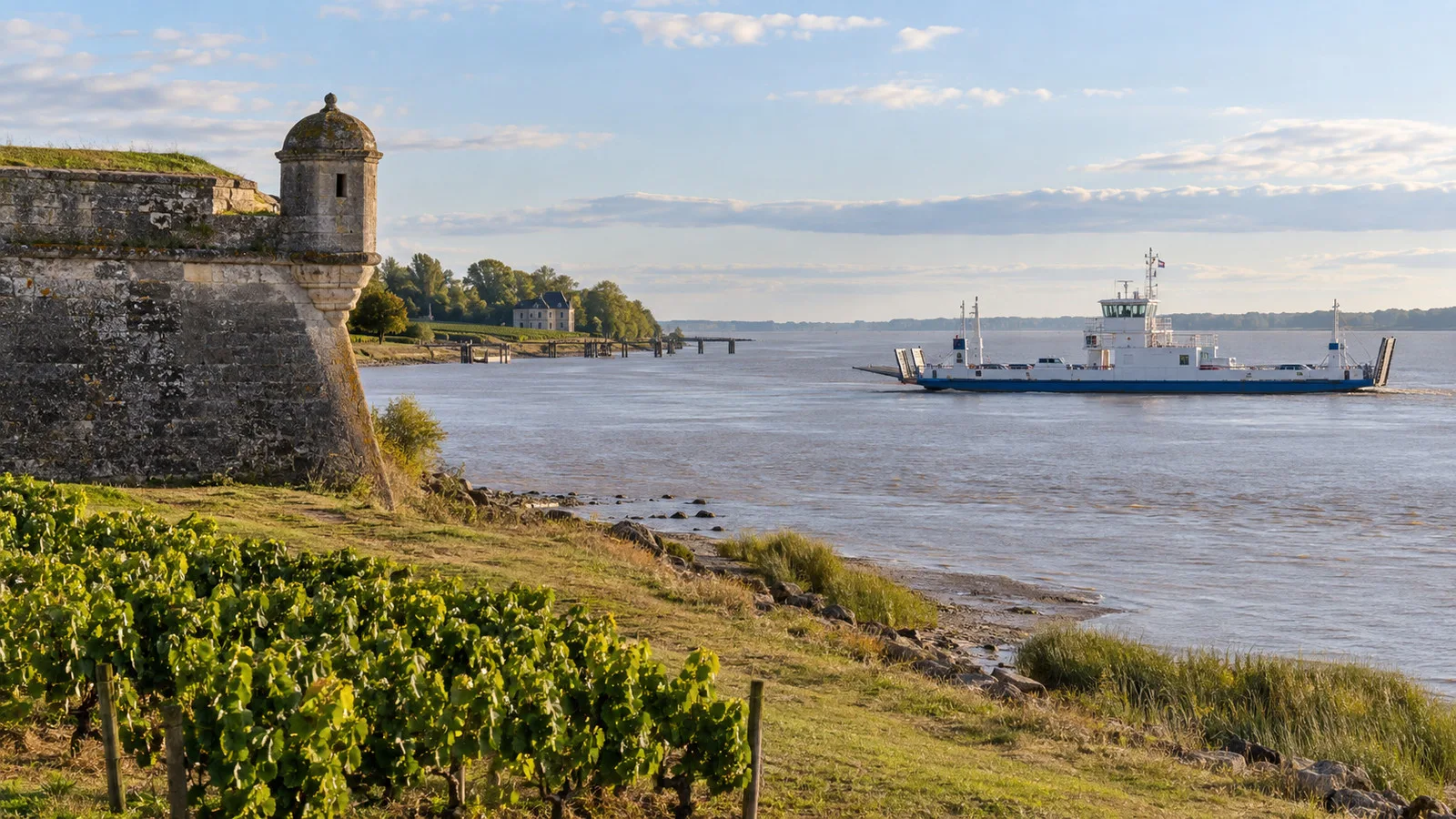
The public ferry between Lamarque and Blaye uses its own terminal at Port de Lamarque. That landing is separate from the Fort Médoc pontoon used by river cruises and excursion boats.
The Gironde department ferry page publishes the current schedule, fares, and service notices. Crossing times vary with tide, and weather or operational conditions can change the timetable.
A self-directed ferry outing is only sensible during a long call with confirmed transportation to Lamarque and a generous return margin. It becomes a poor plan if the ship is scheduled to move or if the final ferry connection leaves no backup.
Use the organized Blaye option when timing is tight. A protected return is worth more than the small satisfaction of independently discovering the wrong bank at departure time.
Tides and Itinerary Changes
The Gironde is a tidal estuary, so water level and current change through the day. Captains must coordinate the ship’s draft, berth access, traffic, weather, and onward navigation rather than obeying a sightseeing schedule at any cost.
A tide adjustment does not necessarily mean the call is canceled. It can change arrival time, departure time, gangway slope, rafting arrangements, or the landing used for an excursion.
Fog, wind, river flow, berth occupation, and local operations can also influence the day. The ship’s briefing is more reliable than a timetable downloaded months before departure.
Build flexibility into any private plan and keep the cruise line’s contact information with you. If the ship moves, a driver needs the updated location rather than a hopeful guess.
Independent Transportation
Cussac-Fort-Médoc is usually a shore-call location rather than a main embarkation terminal. Do not expect a permanent taxi rank, routine luggage storage, or airline-style transfer services beside the fort.
Taxis and private drivers should be reserved in advance, particularly for a château visit. Give the provider the exact Fort Médoc address and confirm that the driver understands a ship may collect guests in another town.
Regional public transportation may work for residents with flexible schedules, but it is risky for a short port call. Rural frequency, walking distance, and missed connections can consume the margin needed to return safely.
If your cruise line exceptionally tells you to embark or disembark here, follow its documents exactly. The words Cussac-Fort-Médoc on an itinerary do not by themselves guarantee check-in facilities at the pontoon.
Weather and What to Wear
Summer can be hot and bright across the fort’s open grounds, while spring and fall can bring cool wind and rain. Shade is limited in parts of the site, so sun protection and water matter on warm days.
Choose closed shoes with reliable grip for gangways, gravel, grass, and historic thresholds. A light waterproof layer earns its place even when the morning forecast looks friendly.
Mosquitoes and other insects can be active around marshy ground in warmer weather. Repellent is a sensible addition for an evening visit or vineyard walk.
Keep your ship card, daily program, and emergency contact together. France uses 112 as the general European emergency number, while a missed coach or changed reboarding point should normally be handled through the cruise line.
A Practical Plan for Your Call
If you prefer an independent visit, start with Fort Médoc because it is the defining sight beside the landing. Check the closing time, walk at a comfortable pace, and return before the crew’s stated deadline rather than at the printed departure minute.
If wine is the priority, reserve an excursion or driver before the cruise. One well-planned estate visit is usually more satisfying than racing between famous names while watching the clock.
Travelers with limited mobility should confirm four separate pieces: the ship, gangway, historic site, and vehicle. A reassuring answer about one part does not automatically apply to the others.
Families can keep the fort visit simple by focusing on the gate, open grounds, river view, and the story of the three-part defense. The municipality also lists child-focused activities, but availability should be checked at reception.
The Final Take
Cussac-Fort-Médoc combines a small landing with an unusually substantial walk-off sight. The fort explains the military history of the Gironde, while a reserved wine excursion opens the door to the wider Médoc landscape.
Confirm the berth, gangway, and reboarding town before leaving, then choose either the fort or a coordinated vineyard plan as the center of the day. This guide was checked on September 12, 2026 against the Port of Bordeaux, the municipality of Cussac-Fort-Médoc, UNESCO, and the Gironde department ferry service, but live hours and ship operations should always be reconfirmed.