West Point River Cruise Port: Landing, Security and Tours
West Point is one Hudson River stop where your identification matters as much as your walking shoes. The United States Military Academy is both a historic landmark and an active Army installation, so access is controlled and the day’s approved route can change.
The ship’s organized excursion is usually the best way to visit. It coordinates transportation, security procedures, and the return to the vessel, leaving you free to appreciate the academy’s dramatic position above the Hudson.

Quick Facts
- Location: Hudson Highlands in New York State
- Destination: United States Military Academy at West Point
- Arrival: Ship-assigned Hudson River landing followed by operator transportation when required
- Security: Active military installation with identification checks and controlled access
- Main sights: Trophy Point, the Plain, Cadet Chapel, monuments, and West Point Museum when included and open
- Currency: US dollar
- Time zone: Eastern Time
- Best plan: Carry the exact original ID requested and use the cruise-line excursion
Is West Point a Current Cruise Destination?
Yes. American Cruise Lines currently includes West Point on its Hudson River Summer Classic itinerary and lists a West Point Experience among the available excursions.
The published day highlights the academy, Cadet Chapel, Trophy Point, and West Point Museum. Excursion details can vary by sailing date, so read the options attached to your reservation.
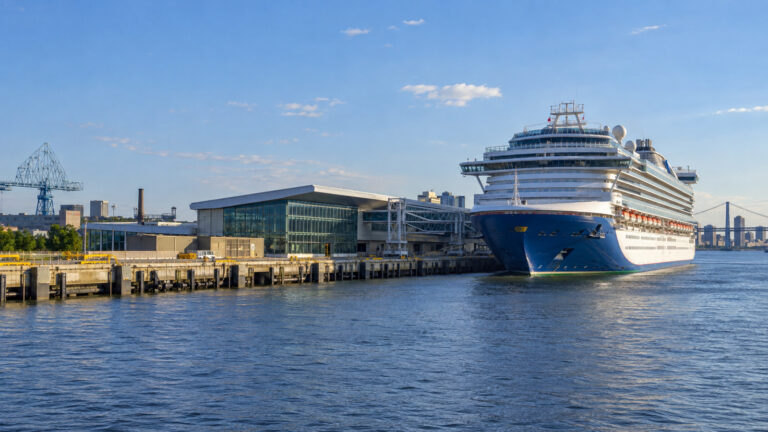
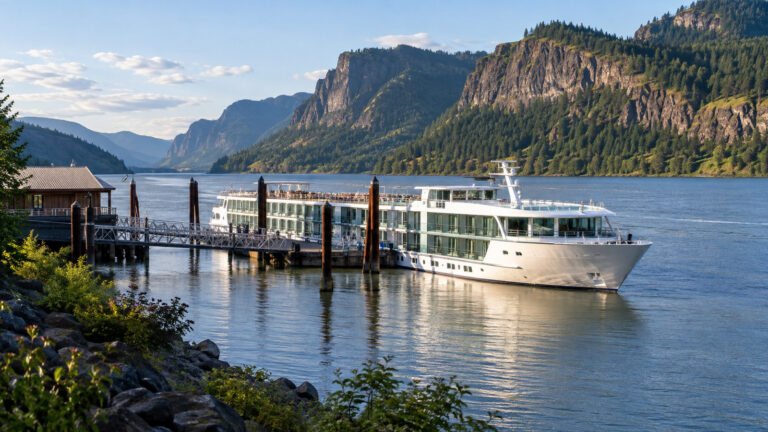
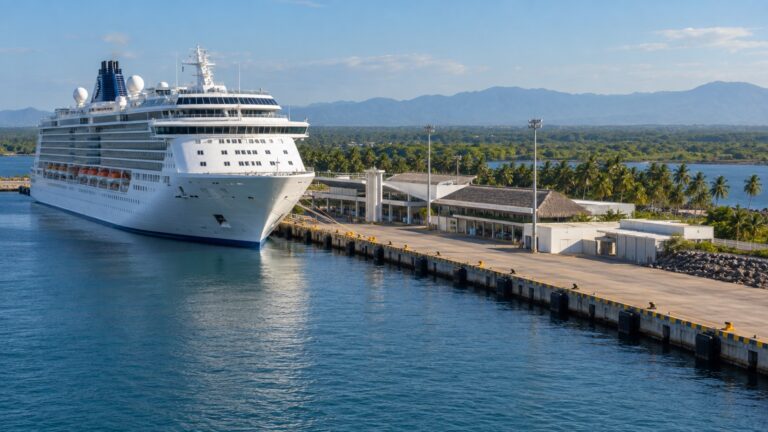
A destination name does not guarantee one permanent berth directly below the academy. The vessel may use the practical landing selected for current river, dock, and security conditions, then connect guests to a coach.
Use the ship’s daily program for the gangway location, meeting point, and return time. Another traveler’s photograph can be perfectly genuine and completely irrelevant to your operating plan.
Where the Ship Lands
West Point has waterfront facilities, but it is not an unrestricted municipal cruise pier. Public information does not support promising that every ship will use one named dock or offer a direct independent walk into the installation.
The exact arrival arrangement belongs to the captain, cruise operator, local authorities, and West Point. Current, weather, berth availability, maintenance, and security activity can all influence the shore plan.
Confirm whether the excursion begins at the gangway or after a short transfer. Also note whether guests return to the same landing, since the ship may move during a longer shore program.
Passengers skipping the tour should ask whether anything is safely walkable from that day’s landing. Highland Falls, the academy gates, museum, and ship are not automatically linked by one open pedestrian route.
West Point Security and Identification
The official West Point visitor page states that 100 percent identification checks have been in effect at installation access points since March 2, 2026. It identifies West Point as a REAL ID-compliant installation.
Adults who do not hold qualifying military credentials should follow the installation and cruise line’s current instructions for approved identification and visitor processing. A cruise group may have coordinated procedures, but that does not remove the need to bring the document requested by the operator.
Carry the original ID, not a phone photograph or expired copy. Names should match the information supplied to the cruise line, and supporting documents may be required when names differ.
The official page says foreign visitors need a valid passport plus the applicable visa or ESTA and must remain with a qualified escort. International guests should confirm the precise document and manifest process with the line well before sailing.
Security rules can change, and entry is never guaranteed simply because an excursion appeared in a brochure. Check the live West Point page and the instructions sent for your departure.
Keep bags small and leave weapons, knives, cannabis products, and questionable sharp objects aboard. Follow the guide’s photography directions near gates, controlled equipment, and cadet areas.

Cruise Excursion or Public Tour?
A cruise excursion is coordinated with the ship, transportation provider, and installation access process. It also gives the operator a clear way to revise the route if a ceremony, training activity, or security condition changes.
Public sightseeing bus tours are a separate product offered through the tour company identified on West Point’s visitor page. They may require advance reservation and should not be treated as a guaranteed walk-up backup.
Admissions tours are designed for prospective cadets and their families. They are not the general visitor tour hiding behind a confusing label, so only book one if the admissions purpose genuinely applies.
The ship excursion remains the simplest choice for a first visit. It protects the transportation connection and reduces the chance of reaching the correct gate with the wrong appointment.
What You May See
Trophy Point offers one of the Hudson Highlands’ great viewpoints. The river curves between steep, wooded slopes, making West Point’s strategic location clear before the guide says a word.
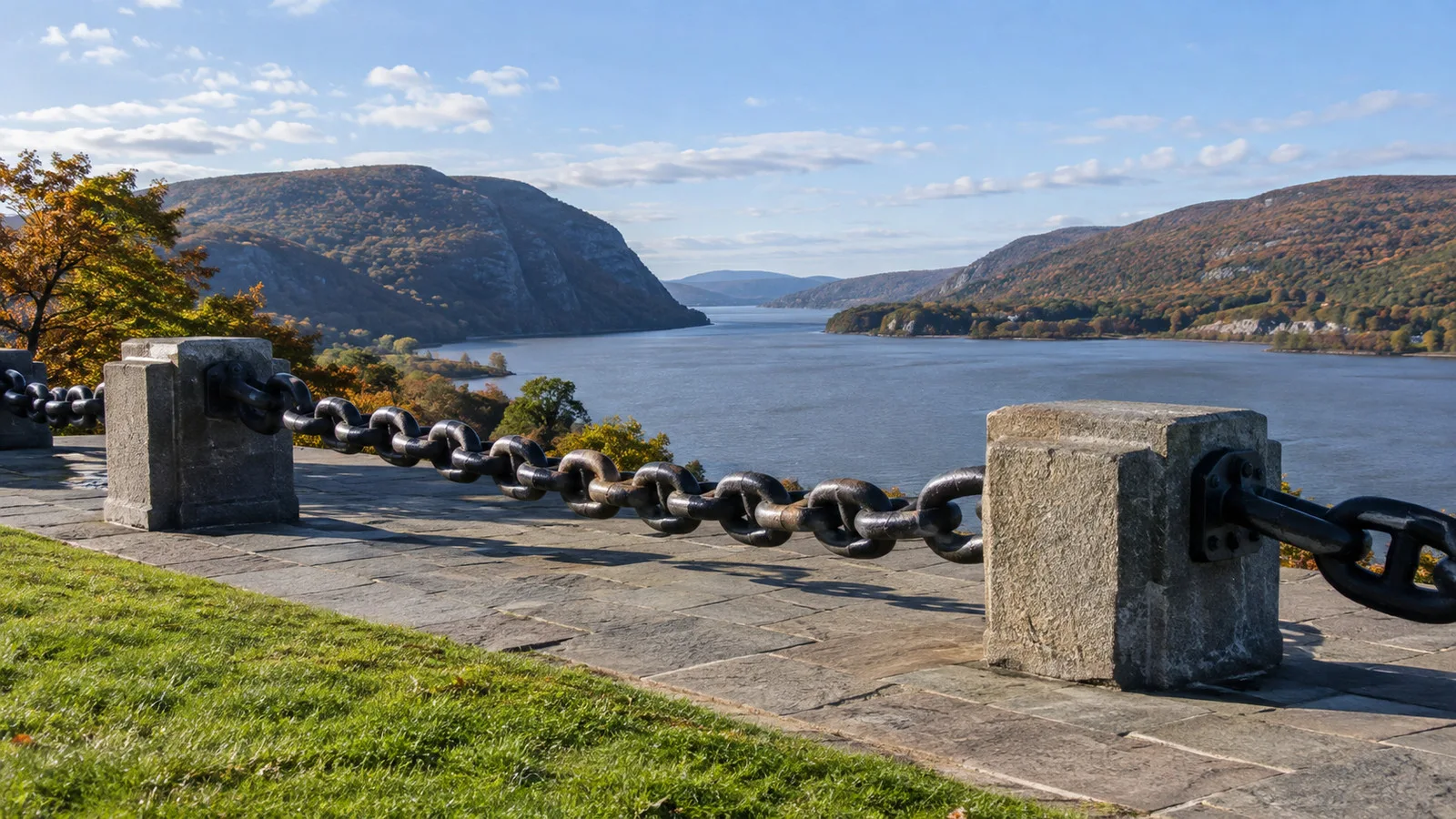
The Great Chain display includes surviving links from the barrier placed across the Hudson during the Revolutionary War. The Army Center of Military History says thirteen links are displayed at Trophy Point between two period cannon.
The Plain is the academy’s historic parade ground, framed by substantial gray buildings and surrounding slopes. Access can be restricted for cadet activity, ceremonies, or maintenance.
Cadet Chapel is a prominent Gothic Revival landmark and often appears in tour descriptions. Services, weddings, military events, or operational needs can prevent interior access, even when the exterior remains visible.
Battle Monument and other memorials gain meaning through a qualified guide’s interpretation. The strongest visit connects them to the landscape and institution instead of treating each stone as another photograph to collect.
Why the Hudson Bend Mattered
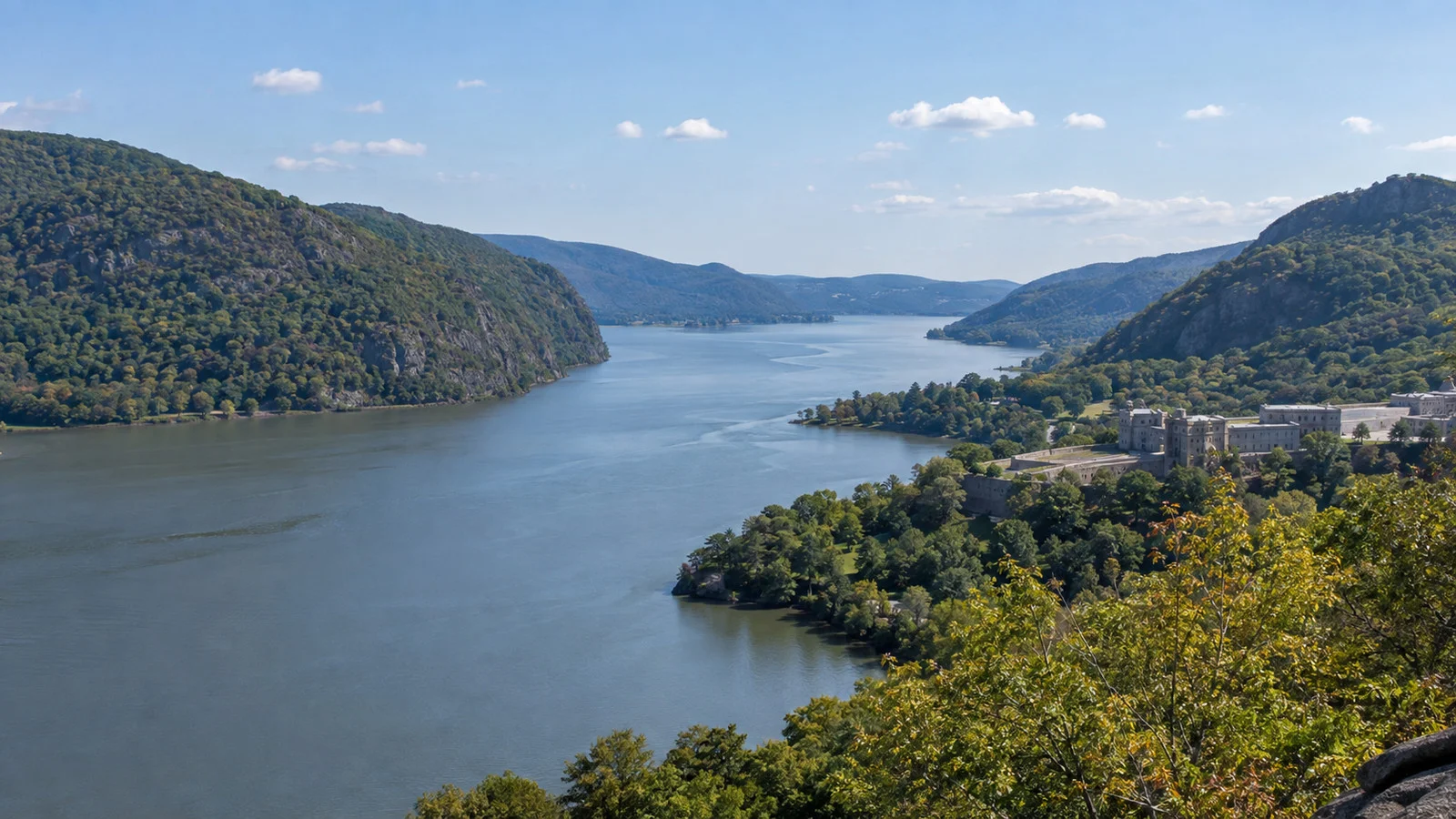
Continental forces fortified West Point during the Revolutionary War because the Hudson corridor was strategically vital. The narrow river and sharp bend created a natural position from which to hinder British movement.
The Great Chain and surrounding defenses were part of that effort. Approaching by water lets cruise passengers see the same terrain that made the location so important.
The United States Military Academy was established at West Point in 1802. Its continuing role as a military academy matters more than any list of famous graduates.
Use the tour to understand how engineering, professional education, service, and military history meet on the site. That story is richer than a rapid name-check of generals and presidents.
West Point Museum
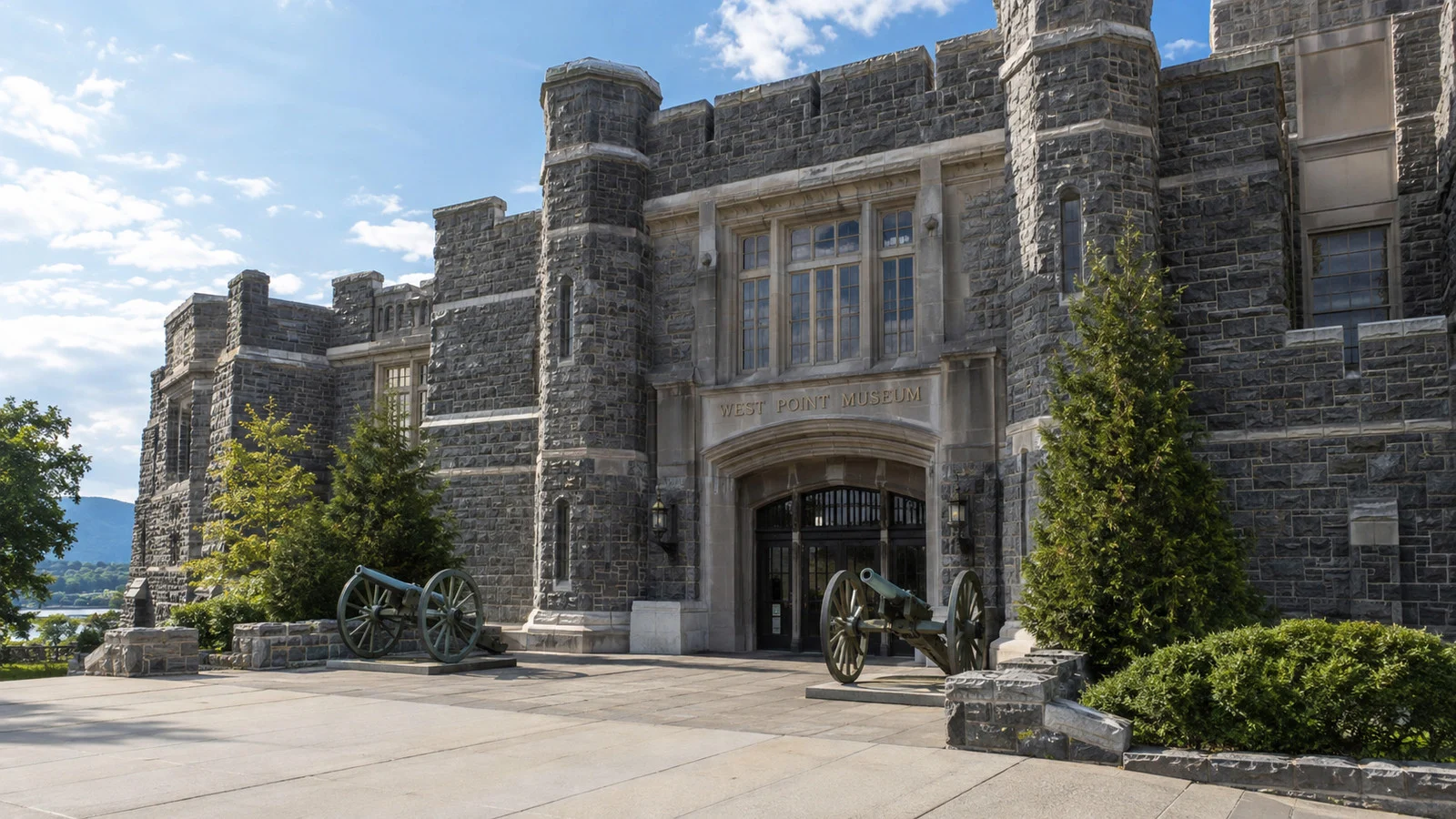
West Point Museum stands near the Visitor Control Center outside the main secured cadet area. That location can make it a practical focus when a tour includes museum time or campus access is limited.
The Army describes it as the oldest museum in the US Army Museum System, open to the public since 1854. Its mission covers the history of the academy and the profession of arms.
Collections include weapons, uniforms, art, military equipment, and objects tied to the academy and American warfare. Displays can rotate, so visit for the collection’s breadth rather than one item seen in an old review.
Check the official Army museum page for current hours, closures, and admission details. A museum visit included within a cruise excursion may follow a tighter schedule than an independent visit.
Allow about 60 to 90 minutes for a focused look when your schedule permits. Military-history enthusiasts could stay much longer, but the ship’s all-aboard time remains a formidable opponent.
Can You Explore Independently?
West Point is not an open college campus where visitors can wander in from the river. Installation entry requires current identification and visitor procedures, while tour access may be limited to an approved group and route.
Highland Falls is the civilian village outside the academy and has food and basic services. Its proximity does not create an alternative entrance or guarantee an easy walk from the ship’s landing.
A museum-focused independent plan may work if the landing, transportation, opening hours, and visitor rules align. Confirm the return before leaving, since rideshare availability can be uneven in the Highlands.
Do not attempt to join a secured tour after it has passed screening or departed. Missing the excursion assembly can mean missing the academy visit entirely.
Accessibility and Mobility
Start with the ship-to-shore route. Ask whether the landing is fixed or floating, whether guests cross another vessel, how steep the gangway may be, and how far it is to the coach.
The academy grounds are hilly and can involve bus steps, standing, sloped pavement, thresholds, and outdoor exposure. A general accessibility label does not guarantee every stop will work for a specific wheelchair, walker, or scooter.
Confirm whether the coach has a lift and whether your mobility device fits its storage area. Ask which planned stops have step-free routes and whether seated alternatives are available.
Security processing can add standing time, and a route change may alter an otherwise workable plan. Request accommodations before sailing so the ship and local operator can assess the complete chain of access.
Weather and What to Wear
Summer in the Hudson Highlands can be hot, humid, and stormy. Fall brings cooler mornings, rain, fog, wind, and wet leaves, while peak foliage timing varies each year.
Wear grippy walking shoes and layers that work on a breezy riverfront and inside a coach. Carry compact rain protection, water, necessary medication, and the required identification in a secure pocket.
The Hudson is tidal at West Point, and current can be noticeable through the narrower Highlands reach. Use gangway handrails and follow crew directions even when the surface appears calm.
Keep the day bag small for security screening and crowded tour vehicles. A portable charger is useful because navigation, photography, and digital cruise information can drain a phone quickly.
A Practical Plan for the Day
Book the West Point excursion attached to your sailing and submit requested passenger information by the deadline. Recheck the accepted ID, then place the original document in your day bag before leaving the cabin.
Arrive at the excursion meeting point early enough for a roll call and security reminder. The bus cannot solve a missing passport, and the installation will not bend its procedures because breakfast ran long.
Follow the approved route and accept that a chapel, parade ground, or building may close without notice. Trophy Point and the Hudson landscape still give the visit a powerful sense of place.
If mobility or documentation prevents the tour, ask about a museum-focused alternative or remain aboard for the scenic passage. The river approach explains West Point’s geography unusually well.
The Final Take
West Point combines military history, a living academy, and one of the Hudson’s most dramatic landscapes. The destination is compelling precisely because it remains an active installation rather than a historic campus frozen in time.
Carry the correct ID, use the organized excursion, and stay flexible when security or academy activity changes the route. This guide was checked against current American Cruise Lines, US Army Garrison West Point, and Army museum information on September 12, 2026, but live access rules and excursion details must always be reconfirmed.