Dürnstein Cruise Port: Rafting, Ruins and Wine
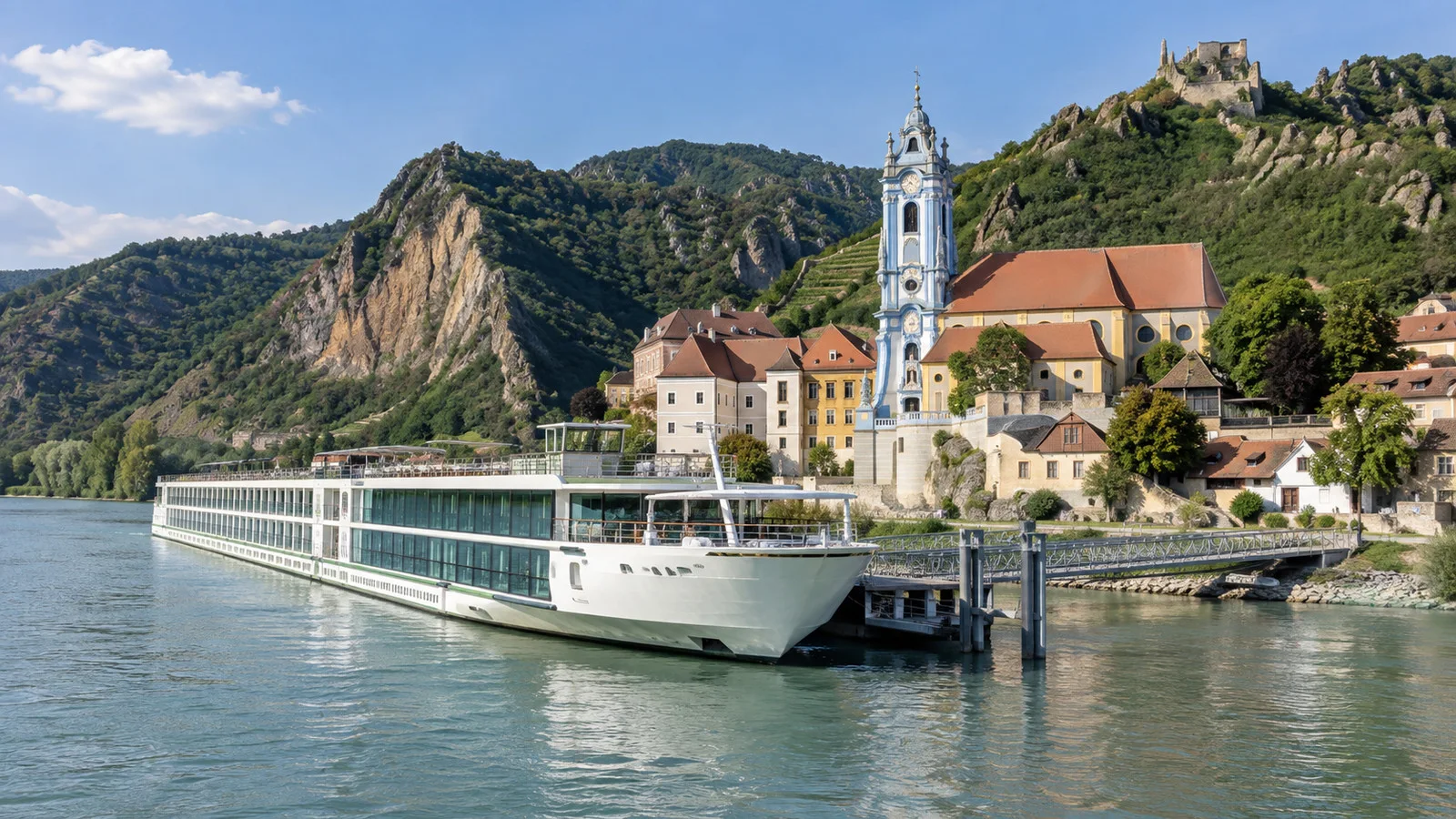
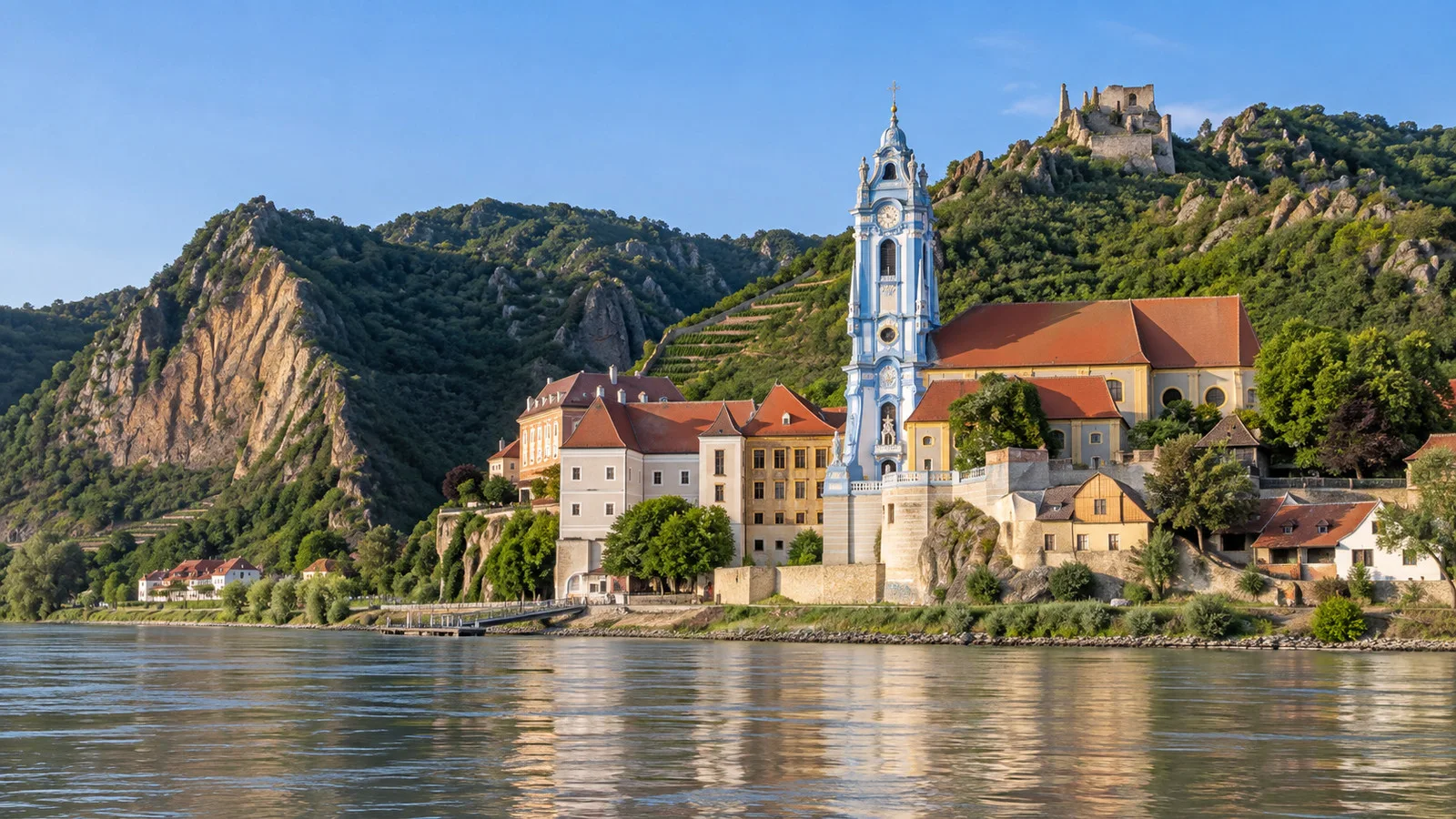
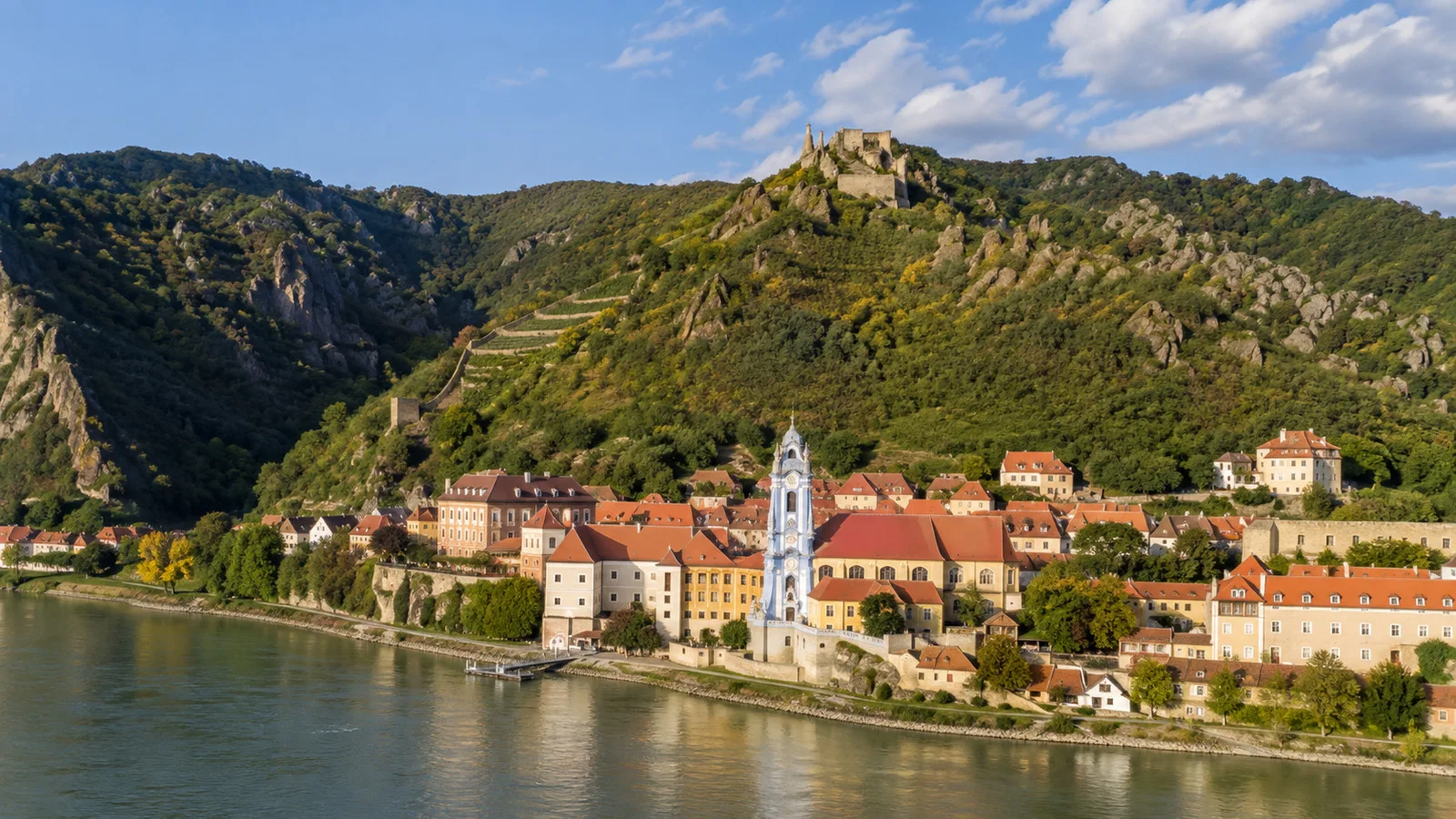
Dürnstein is one of the easiest places on the Danube to step ashore and immediately see why the stop matters. River ships tie up below a compact medieval town framed by vineyard terraces, a blue Baroque tower, and the castle ruin associated with Richard the Lionheart.
The complication is limited mooring space. Ships may raft two or three abreast, so your walk ashore can pass through neighboring vessels before reaching the river path.
Quick Facts
- Country: Austria
- River: Danube
- Region: Wachau Cultural Landscape between Melk and Krems
- Landing: Riverside pontoons directly below the old town
- Docking style: Alongside, often rafted with another river vessel
- Main sights: Dürnstein Abbey, old town, Kuenringer castle ruin, vineyards, and Danube views
- Currency: Euro
- Language: German
- Best short-call plan: Castle climb first, old town and abbey second, wine or apricot stop last
- Accessibility note: Level river path, then cobbles, slopes, steps, and a rugged castle trail
How the Moorings Work
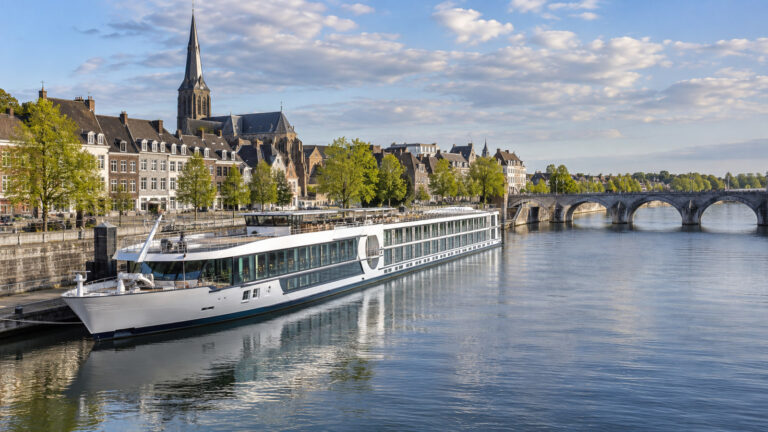
Dürnstein has a small number of pontoon positions rather than a large passenger terminal. On busy mornings, one ship ties to the landing while other vessels secure alongside it.
Passengers on an outer ship may walk through another vessel’s reception area or lounge to reach shore. Expect thresholds, interior stairs, and multiple gangways, then follow crew signs instead of choosing your own route.
Rafting can also place another ship directly outside your cabin window. Keep curtains closed when privacy matters and remember that the arrangement may change as vessels arrive or depart.
Ask reception which side will open, how many ships you must cross, and whether assistance is available. The answer can turn an apparently effortless port into a more demanding sequence for travelers with limited mobility.
Walking Into Old Town
The river path reaches the lower lanes within minutes. Dürnstein’s historic core is small enough to explore without transportation, although the streets become steeper and more uneven as they rise.
A simple loop can pass the old gates, burgher houses, Prangerplatz, abbey complex, cafés, wine shops, and viewpoints above the river. Allow crowding when several ships unload because narrow streets can briefly feel much busier than the village’s size suggests.
Early and late in the call are usually calmer than the first organized walking-tour wave. If you plan to climb to the ruin, begin there before the trail grows crowded and the day becomes warmer.
Kuenringer Castle Ruin
The ruined fortress above town is linked to Richard the Lionheart, who was held captive in the region after returning from the Third Crusade. The historic association, exposed stone walls, and wide Danube views make it Dürnstein’s most memorable hike.
The trail is steep, rocky, and uneven, with rough steps and limited shade. Closed shoes with grip, water, and a conservative turnaround time matter more than the modest distance.
Do not attempt the climb in unsuitable footwear, intense heat, ice, or heavy rain. The abbey terraces and riverside still provide excellent views for anyone who skips the ruin.
Leave a generous final margin because descending loose rock can take longer than climbing it. A crowded gangway or raft of ships may add another delay after you reach the waterfront.
Dürnstein Abbey
The blue and white tower of Dürnstein Abbey is the defining image of the Wachau. The official abbey history dates the present tower to 1733 and describes the complex as a Baroque work shaped under Provost Hieronymus Übelbacher.
The museum presentation explores the ideas behind the architecture, while terraces open views across the Danube. Admission, exhibitions, and visitor hours are seasonal, so check the abbey’s official ticket page for your date.
Worship takes priority in the church, which remains a parish setting. Dress respectfully, keep voices low, and follow photography restrictions during services.
Wine, Apricots, and the Wachau Landscape
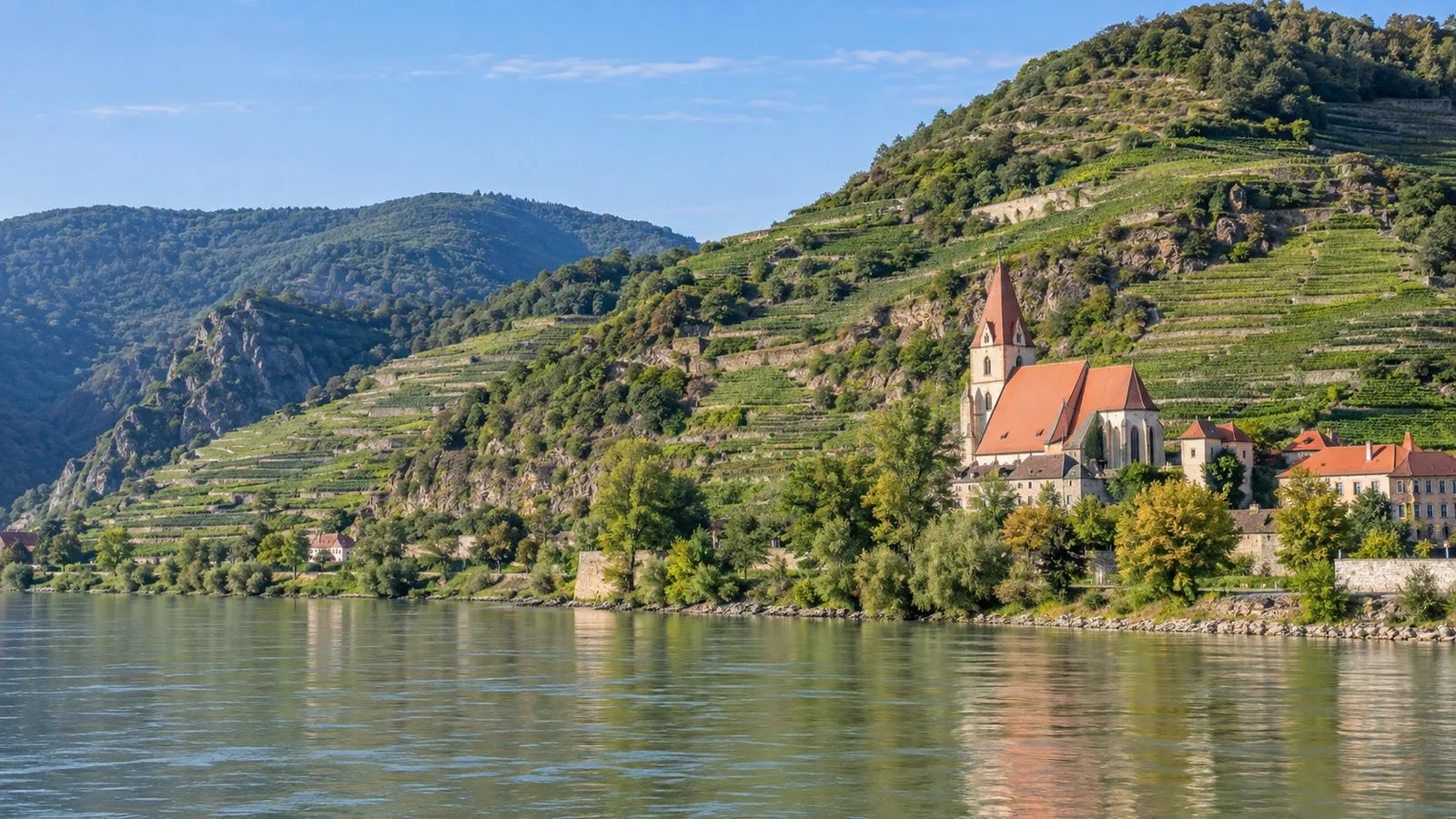
Dürnstein sits within the Wachau Cultural Landscape, inscribed by UNESCO in 2000. UNESCO highlights the intact relationship among the Danube, towns, monasteries, castles, ruins, vineyards, orchards, and terraces that evolved over centuries.
Grüner Veltliner and Riesling dominate local wine conversations, while Wachau apricots appear in jams, liqueurs, pastries, and seasonal dishes. Buy from an established producer or shop and confirm your ship’s alcohol policy before carrying bottles aboard.
Traditional heuriger wine taverns can operate on seasonal or irregular schedules. A morning call may make the central wine shops and cafés more realistic than searching for a vineyard tavern that opens later.
The stone terraces are working agricultural infrastructure, not public shortcuts. Stay on marked routes, avoid damaging vines or walls, and respect equipment moving during harvest.
Extending the Day in the Wachau
Scheduled boats, seasonal rail services, buses, bicycles, and taxis can connect Dürnstein with Krems, Spitz, Melk, and other valley stops. None should be treated as turn-up-and-go transportation without checking the current day and season.
Use official regional timetables and return one connection earlier than necessary. A ship excursion is the safer choice when the schedule is short or a missed public service would put all-aboard at risk.
Cycling the Danube path can be excellent in mild weather, but bike availability, one-way logistics, helmet fit, and ship timing require planning. Crowded paths and village streets call for a slower pace than the open countryside.
Water Levels and Itinerary Changes
High or low Danube water can affect navigation, safe gangway angles, and whether a vessel reaches Dürnstein. Heavy rain upstream may influence conditions later, while extended dry periods can limit draft.
Austria’s viadonau provides official waterway services and links to current water-level information. The useful passenger decision still belongs to the cruise operator, which must match those conditions with a particular ship.
Possible responses include a changed landing, coach transfer, shortened call, ship swap, or itinerary reversal. Keep independent bookings flexible and avoid nonrefundable transportation that assumes the published berth is guaranteed.
Accessibility
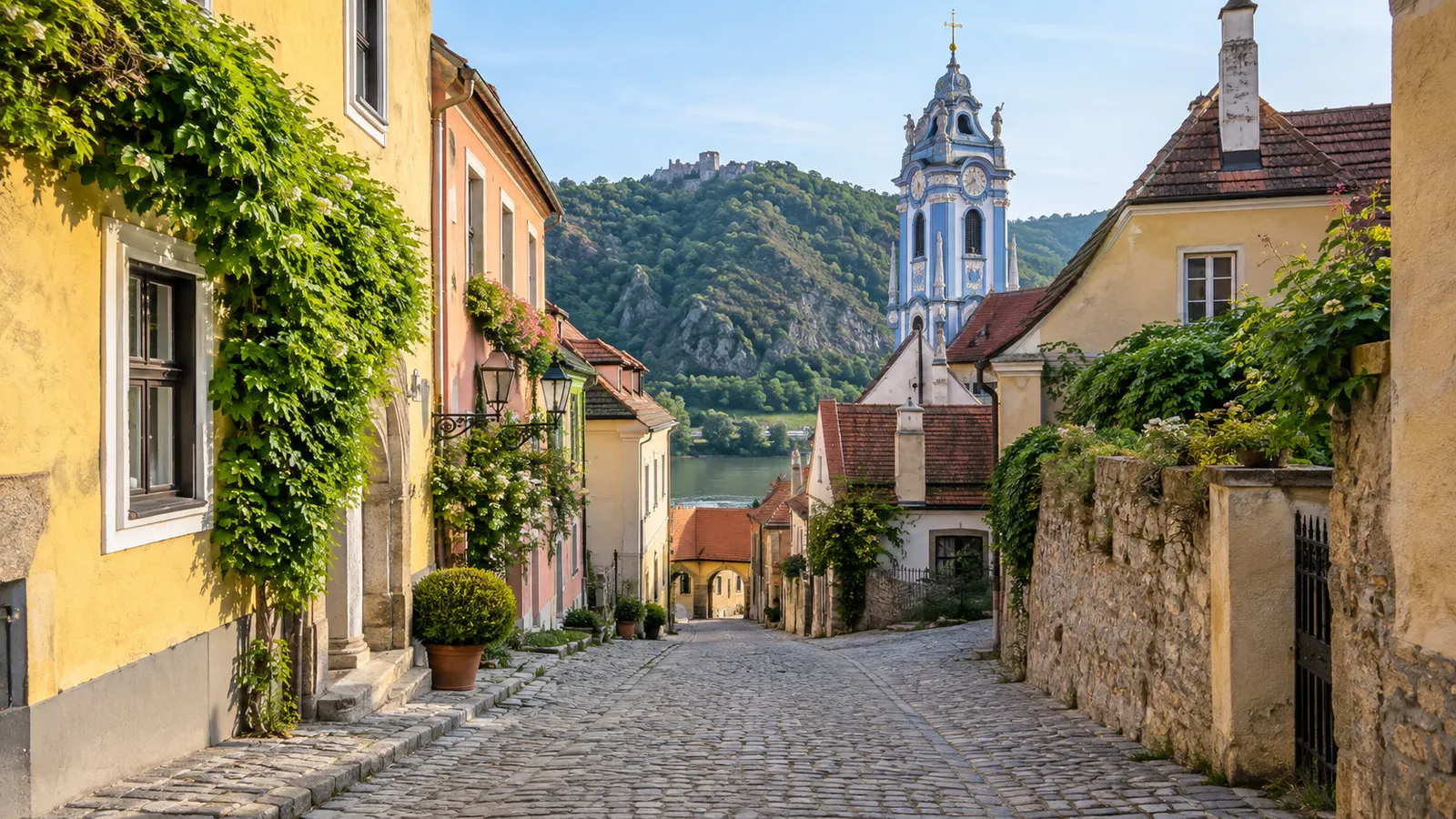
The riverside path is the easiest part of the visit and offers attractive views from a mostly level surface. The old town then introduces cobbles, slopes, steps, and narrow passages.
The castle trail is not a realistic wheelchair route and can be difficult for anyone with balance or knee concerns. Dürnstein Abbey and other historic interiors may also have partial rather than complete access.
The gangway arrangement may be the decisive issue because rafting adds another ship’s thresholds and stairs. Ask reception about the actual mooring after arrival and request crew assistance before entering a crowded crossing.
Three Practical Plans
Food, Facilities, and Small Purchases
Cafés, bakeries, wine shops, and restaurants cluster along the main lanes, but opening hours often reflect the season and time of day. A short morning call may offer coffee and pastry before full lunch menus begin, while busy summer afternoons can fill outdoor tables quickly.
Use public restrooms when you see them and keep coins or a payment card available in case a facility charges. The ship remains close geographically, but crossing a raft of vessels solely for a restroom can consume more of the call than expected.
Apricot jam, juice, liqueur, chocolate, and regional wine are common gifts, although not every product is made by the shop selling it. Read labels, ask where an item was produced, and consider weight and customs limits before buying several glass bottles.
Carry some euro cash for small purchases, even when established businesses accept cards. Mobile service and payment terminals can falter when narrow streets suddenly receive passengers from several ships.
A Short Call
Walk the old town, see the abbey exterior, visit the museum if open, and stop for an apricot product or wine. Skip the castle if time, heat, or footing makes the climb uncertain.
A Castle-Focused Call
Climb to the ruin immediately, descend before the main crowds, then explore the lanes and abbey. Keep at least 40 minutes clear for the descent, river path, and gangway sequence.
A Longer Wachau Day
Use an official boat, bus, bike, or ship excursion to visit one neighboring destination, then return early. Do not build a tight chain of seasonal connections across the valley.
Common Questions
Where do river ships dock?
Ships use riverside pontoons directly below the old town. On busy days, vessels raft and passengers on outer ships cross neighboring boats to reach shore.
Is Dürnstein walkable?
Yes, the town begins within minutes of the gangway. The castle ruin is a separate steep hike on rough ground.
How much time do I need?
Two to three hours can cover the old town and either the abbey or castle climb. A longer call allows a winery, bike ride, or one neighboring Wachau stop.
Should I go to Vienna from here?
Usually not on a short call, especially when the itinerary visits Vienna separately. Dürnstein and the Wachau provide a distinctive experience that a long road transfer would replace.
Final Take
Dürnstein delivers the Wachau in miniature, with river, terraces, abbey, medieval lanes, castle history, wine, and apricots within one compact stop. Learn the gangway arrangement, choose the ruin only when conditions suit, and leave room to enjoy the town without rushing.
How this guide was researched: Unless a first-hand visit is explicitly identified above, this guide is based on independent research using official abbey, UNESCO, tourism, transportation, and waterway sources where available. Logistics and time-sensitive details were reviewed on September 12, 2026, under our Editorial Policy.