Rarotonga Cruise Port: Tender Guide for Cook Islands Visitors
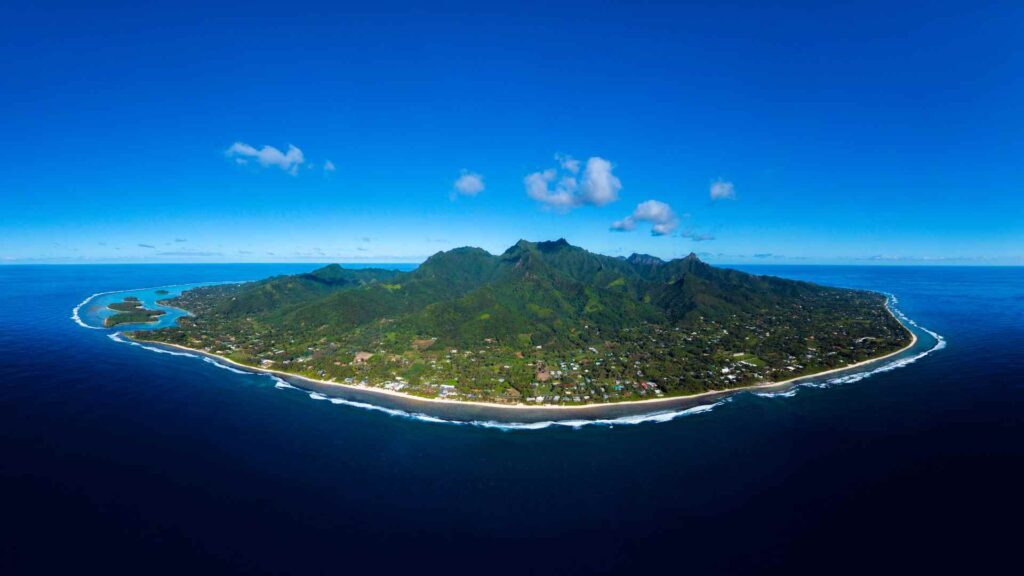
Rarotonga is a weather-sensitive tender call with Avarua beside the harbor and a 20-mile coast road circling the island. Muri is the easy lagoon target, but bus timing, Sunday service, and the last tender need equal attention.
My quick take
Choose Avarua and Muri for a first visit, using a fixed return bus or prebooked taxi rather than an open-ended island loop. The Cross-Island Track belongs only on a long call with a guide and dry enough conditions.
If you like this kind of anchor-and-tender stop, it pairs naturally with other South Pacific cruise ports and reads like nearby Apia in Samoa.
The quick facts
Here is what actually matters before you step off the ship.
- Where you land: the tender landing inside Avatiu Port, on the north coast of Rarotonga and right at the western edge of Avarua, the capital. The official Cook Islands cruise information confirms all ships enter through Avatiu.
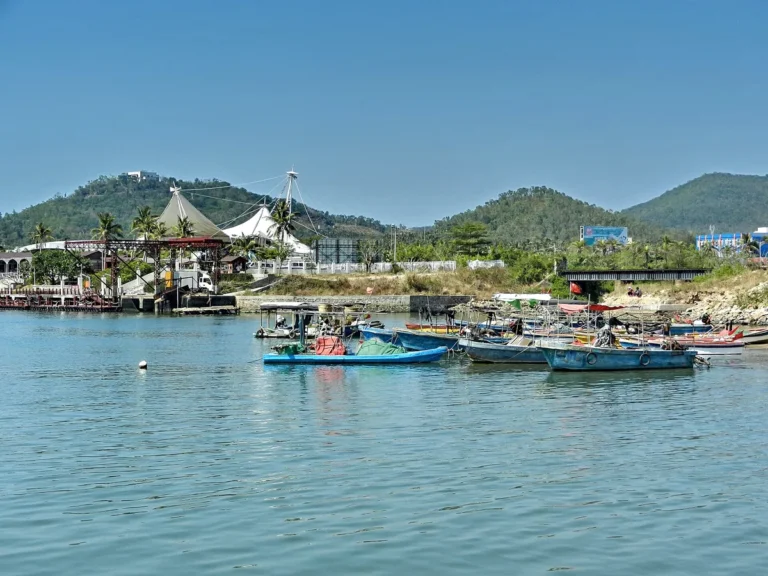
- Dock or tender: Avatiu is a small working harbor with no cruise berth, so ships anchor offshore and run boats in.
- Into town: A 2 minute walk.
- Currency and language: The New Zealand dollar (NZD), with locally issued Cook Islands coins and notes in circulation that you cannot spend once you leave.
- Time zone: Cook Islands Time (UTC−10), the same as Tahiti and Hawaii.
- How often the call is missed: High (upwards of 15%): wind or swell can halt tender operations.
The official Cook Islands cruise information confirms all ships enter through Avatiu Port. Treat exact tender timing as weather-dependent and confirm details with your cruise line.
For the detail behind that, see Cook Islands Cruise Ports.
Getting around the island
Rarotonga’s main coast road makes navigation simple, but the buses operate to published schedules rather than continuous frequency. Check the current timetable after landing and identify a backup taxi before leaving Avarua.
- The island bus: two services circle the island, one Clockwise and one Anti-clockwise. Per the official Cook Islands getting-around guide, they stop anywhere on the main road, so you just smile and wave one down.
- Taxis: available and easy to arrange, but pricier than the bus for the same loop.
- Scooters and cars: A valid overseas license can cover the classes already shown on it, while riders without motorcycle entitlement may need a Cook Islands visitor license and test. Confirm current police rules, rental insurance, helmet requirements, and left-side driving before booking.
Clockwise and counterclockwise buses cover the same ring road, but they do not necessarily run at matching frequency or on the same Sunday schedule. Choose the service that gets you back early rather than staying aboard for a complete loop.
The stops I’d actually spend time on
These are the named, verifiable places worth your limited hours ashore.
Muri Lagoon and the motu
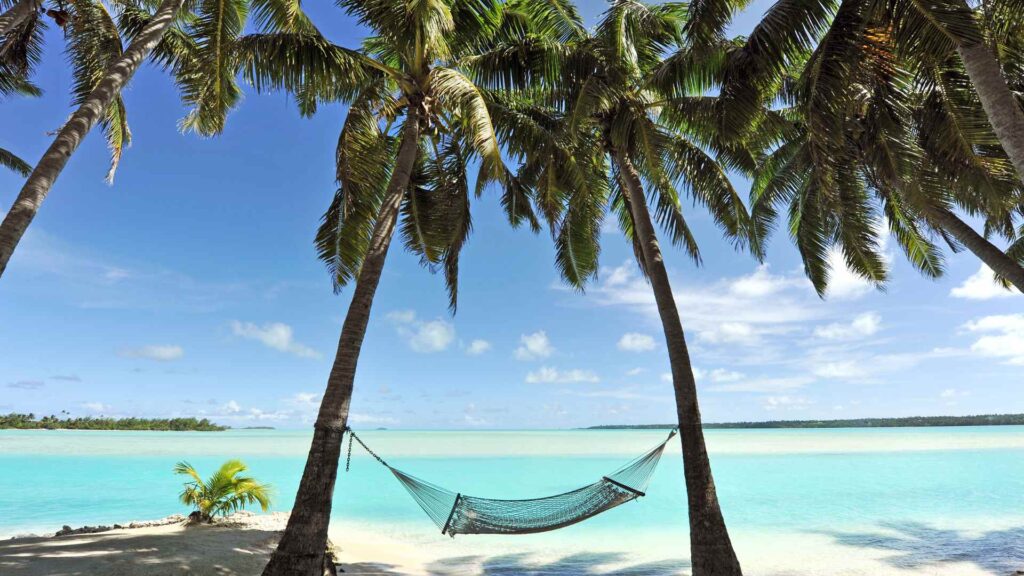
Muri, on the southeast coast, is the postcard lagoon with small islets (motu) sitting just offshore. This is the classic Rarotonga swim, snorkel and glass-bottom kayak or paddleboard spot.
Punanga Nui Market
Punanga Nui Market is at its fullest on Saturday morning, while ship-call stalls and weekday activity can be much smaller. Visit early, but keep Avarua shops or the Cook Islands Library and Museum as a backup outside the main market session.
Avarua town
The compact capital is walkable straight from the port. Browse shops, grab a coffee and get your bearings before heading out around the island.
The Cross-Island Track to Te Rua Manga (The Needle)
The Cross-Island Track is about 3.7 miles but can take 3 to 4 hours through steep, muddy, and slippery terrain. Use a guide, start only in suitable weather, and arrange pickup at the opposite end rather than treating it as a casual out-and-back.
Papua (Wigmore’s) Waterfall
On the south side, Papua Waterfall (also called Wigmore’s) is a cool freshwater dip. It sits at the end of the Cross-Island Track, though the flow depends on recent rain.
Titikaveka lagoon
The lagoon along the south coast at Titikaveka is one of the island’s best snorkeling stretches. Calm, clear water and coral make it an easy add-on to a Muri beach day.
Cultural villages: Te Vara Nui and Highland Paradise
Major cultural dinner shows usually run in the evening, so they rarely fit a daytime cruise call. Look for a confirmed daytime cultural tour instead of assuming the regular night program will be moved for the ship.
How I’d plan the day
Work backward from the final tender and include the bus or taxi, walk through Avatiu, security, queue, and boat ride. From Muri, start back at least two hours before all-aboard on public transport.
- Short day (3 hours): stay with Avarua, Punanga Nui Market if operating, and a nearby waterfront stop. Join the tender line 60 to 90 minutes before all-aboard.
- Half day (5 hours): take a scheduled bus or taxi to Muri, allow time to swim or paddle, and start back about two hours before all-aboard. Do not rely on the last possible bus.
- Full day (8 hours): add Titikaveka to a lagoon loop, or use a guided Cross-Island Track only in good conditions. Keep at least two hours between the end of the outer-island activity and all-aboard.
A word on safety and local customs
The Cook Islands is a low-risk destination with a low crime rate, per the official Australian government advisory. The main caution is petty theft, so do not leave valuables unattended on the beach.
Sunday is widely observed here, and many businesses close or run reduced hours for church. Dress modestly if you visit a service, and expect a quieter island if your call falls on a Sunday.
When to go, and the weather
Rarotonga is warm and tropical year-round, with a drier, cooler season roughly from May to October and a wetter, more humid stretch around November to April. Bring reef-safe sunscreen, a hat and water whatever the month.
Because this is a tender port, ocean conditions matter as much as the calendar. A big swell can shorten or scrap a call, so treat the day as flexible.
A realistic word on accessibility
Tender transfer rules depend on the ship, device, and day’s swell, and crew may decline to carry a wheelchair or scooter. Ask about steps, device storage, and assistance before reserving anything ashore.
Avarua has level stretches but also uneven sidewalks, while Muri and Titikaveka add sand and boat transfers. The public bus is not guaranteed accessible, so reserve a suitable taxi or tour vehicle and verify measurements.
Entry, money, and connection planning
Cook Islands visitor entry depends on nationality, passport validity, onward travel, and length of stay. Check the Cook Islands Ministry of Foreign Affairs and Immigration and your cruise line for the current ship-arrival process.
New Zealand dollars circulate alongside Cook Islands notes and coins, but local currency is difficult to exchange or spend abroad. Use New Zealand notes when you want change that remains useful after the call, and carry cash for buses and small vendors.
Save the bus timetable, taxi number, and ship contact before leaving Wi-Fi. Mobile coverage is not a substitute for a return plan, especially after a beach or one-way hike.
Water and weather cautions
The wetter tropical-cyclone season runs mainly November through April, while May through October is generally cooler and drier. Tender cancellation is possible in any month because the anchorage and Avatiu entrance are exposed to swell.
Ask locally about lagoon passages, currents, coral, and water quality after heavy rain. Wear reef shoes, use sun-protective clothing, and do not touch or stand on coral.
Quick answers
Does the ship dock or tender in Rarotonga?
It tenders. Avatiu Port is small, so large ships anchor offshore and tender passengers into Avarua, and a rough swell can occasionally cancel the call.
Can I walk to anything from the port?
Yes. Avarua town and the Punanga Nui Market are right by Avatiu Harbour, so the capital is an easy stroll off the tender.
What is the easiest way to see the island?
The circle-island bus. Wave down the Clockwise or Anti-clockwise service on the main road, ride to Muri Lagoon, and loop back the other way.
Planning more of the region? Compare it with Fiji’s cruise ports, gateway Auckland, and read why tender ports like this one reward a little planning.
How this guide was researched: Unless a first-hand visit is explicitly identified above, this guide is based on independent research using official port, tourism, transit, government, and attraction sources where available. Logistics and time-sensitive details were reviewed in September 2026; see our Editorial Policy.