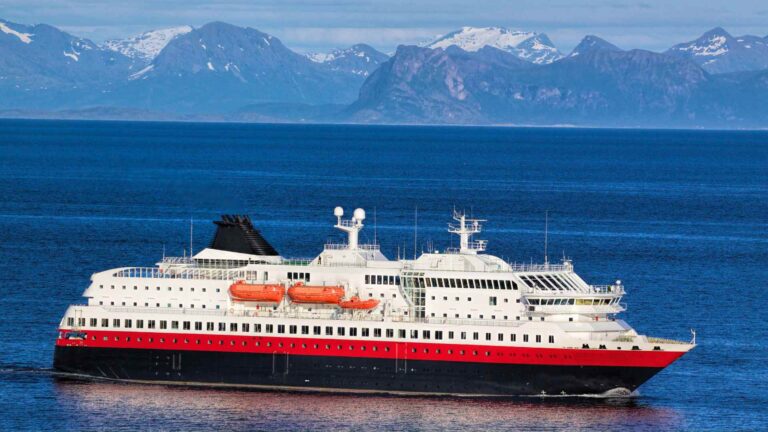
Málaga Cruise Port: A Walk-Off Guide to the Costa del Sol
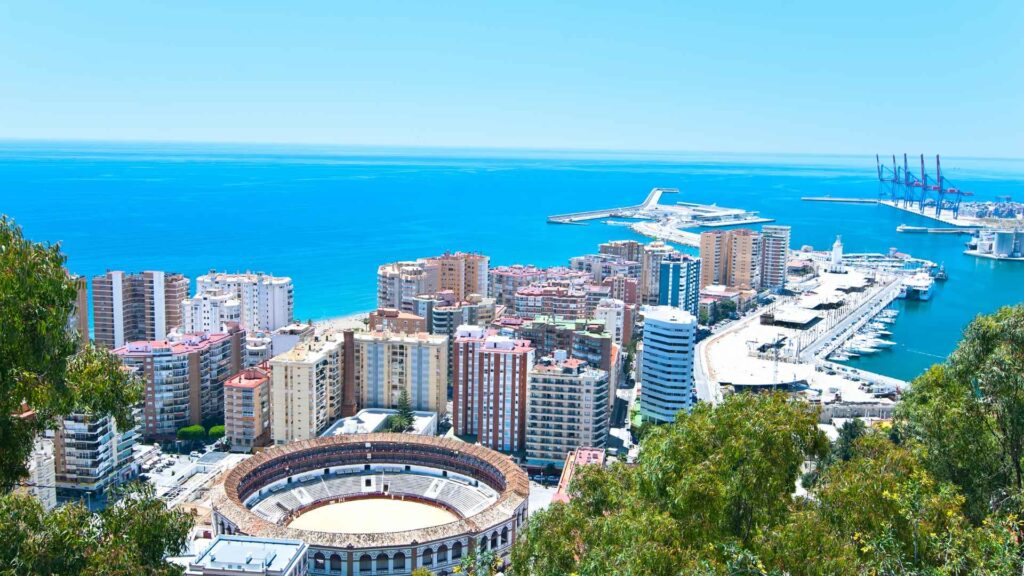
Málaga is one of the easiest big-ship stops on the Mediterranean. You dock beside the city on the Costa del Sol, with the walk taking only minutes from a Palmeral berth and roughly 20 to 30 minutes from the outer Levante area.
My quick take
Málaga is a walk-off port with a genuinely walkable old town, so I would skip the ship excursion and self-guide. If you love this kind of stop, my roundup of the most walkable cruise ports and the wider Europe cruise ports hub are worth a look.
The quick facts
- Where you land: most ships berth in the Levante area, which the Port of Málaga says has four berths and two modern terminals. Smaller luxury ships sometimes use the Palmeral de las Sorpresas berth right against the city.
- Dock or tender: Málaga is an alongside port behind long breakwaters, so you simply walk off, and there is no tendering.
- Into town: A Palmeral berth is beside the center, while the outer Levante terminals are roughly a 20 to 30 minute walk along the waterfront, depending on the gangway.
- Currency and language: The euro (EUR) and Spanish.
- Time zone: Central European Summer Time (CEST, UTC+2) through the main cruise season, CET (UTC+1) from late October to late March.
- How often the call is missed: Low (under 1%): the sheltered berth is rarely limited by local weather.
How I would confirm my own terminal
Because Málaga has several berths across the Levante and Palmeral areas, your exact spot can vary by ship and day. The walk-off distance changes a little depending on which berth you get.
Check the daily program the night before for the berth name and any shuttle details. If you land far out on the Levante mole, the shuttle or a short taxi saves time.
There is a full rundown of where to stay in our hotels near Málaga cruise port guide.
Getting around
Walking is the honest answer here. The seafront promenade is flat, shaded in parts, and leads straight to Muelle Uno and the old town.
Taxis wait outside the terminals and are metered. For Granada, the train is the clean option: Renfe runs a direct Málaga to Granada service, with the journey taking roughly an hour and a half.
Heads up: some links below are affiliate links. If you book through one, I may earn a commission at no extra cost to you. It never changes which hotels or tours I recommend. Full disclosure.
The stops I’d actually spend time on
Málaga packs a lot into a small, flat center. These are the places I would prioritize on a port day.
Alcazaba of Málaga
This 11th-century Moorish fortress is the city’s signature sight, with gardens, courtyards and harbor views. A general ticket is 7 euros, or a combined ticket with Gibralfaro Castle is 10 euros, and entry is free on Sundays from 2pm.
Gibralfaro Castle
Connected to the Alcazaba and higher up the hill, this castle delivers the best panorama over the port and city. The climb is steep, so go early or take a taxi up and walk down.
Roman Theater (Teatro Romano)
At the foot of the Alcazaba sits a 1st-century Roman theater, free to visit and easy to combine with the fortress. The official Málaga tourism page has current visiting details.
Málaga Cathedral (La Manquita)
Known as “La Manquita” (the one-armed lady) for its unfinished south tower, this cathedral mixes Renaissance and Baroque styles. If you have the legs for it, the rooftop tour is the memorable part.
Picasso Museum and Casa Natal
Fun fact: Pablo Picasso was born in Málaga, and the city leans into it proudly. The Museo Picasso Málaga holds a deep collection, and his actual birthplace, the Casa Natal on Plaza de la Merced, is a short walk away.
Centre Pompidou Málaga
Housed in a colorful glass cube right on the waterfront at Muelle Uno, this is the first Pompidou outpost outside France. It is a quick, high-quality modern-art stop steps from the ship.
Carmen Thyssen Museum
Set in a restored 16th-century palace in the old town, this museum focuses on 19th-century Andalusian painting. It is a calm, air-conditioned break from the midday sun.
Atarazanas Market
The city’s central market sits behind a grand old Moorish gateway and a huge stained-glass window. Come for the seafood counters, jamón, and a stand-up snack rather than a formal meal.
Calle Larios and the old town
Calle Marqués de Larios is the elegant marble pedestrian spine of the center, perfect for a wander and a coffee. The tangle of streets around it hides the best tapas bars, including the well-known El Pimpi bodega.
Muelle Uno and the Palmeral promenade
Muelle Uno is the modern waterfront strip of shops and restaurants you pass on the walk in. The adjoining Palmeral de las Sorpresas, with its wave-like white canopy, is one of the prettiest port promenades in the Mediterranean.
La Malagueta Beach
If you just want sand and a plate of espetos (grilled sardines), Malagueta is about a 10 minute walk from Muelle Uno, with extra time needed from an outer cruise berth. It is the easy city beach when you do not want to travel far.

Day trips worth considering
The headline trip is Granada and the Alhambra, about an hour and a half away by train or motorcoach. If you go, book Alhambra tickets well in advance, as timed entries sell out.
Ronda, with its dramatic gorge and bridge, is the other classic inland option. Andalusia is stacked with ports, and nearby Motril is another gateway to Granada, while Barcelona rounds out a good Spanish itinerary.
How I’d plan the day
- 3 hours: walk the promenade, do the cathedral and Calle Larios, and grab tapas near Atarazanas Market.
- 5 hours: add the Alcazaba and Roman Theater, then either the Picasso Museum or the Pompidou before heading back.
- 8 hours: consider Granada only with an official timed Alhambra ticket and a dependable transport chain. Aim to be back at the ship at least 90 minutes before all aboard.
A realistic word on accessibility
The walk from the ship into town is flat, paved and step-free along the Palmeral and Muelle Uno, which makes Málaga one of the gentler ports for slower walkers. The old-town squares and Calle Larios are largely pedestrianized.
The Alcazaba and Gibralfaro are the exceptions: both are steep and uneven, so consider a taxi up to Gibralfaro. For more ideas, see my guide to wheelchair-friendly cruise ports.
When to go, and the weather
Málaga is a genuinely year-round port thanks to its mild Costa del Sol climate. Spring and autumn are ideal for walking and sightseeing without the peak summer heat.
July and August are hot and busy, so start early and keep water on hand. Many smaller sights still ease off in the early afternoon, so plan the big monuments for the morning.
Decide between Málaga and Granada
A Palmeral berth is almost in the city, while a Levante berth adds a longer but flat waterfront walk. Use the port or cruise-line shuttle when heat, limited mobility, or a short call makes the extra walk a poor use of time.
For a Málaga day, the Alcazaba, Roman Theater, cathedral, market, and waterfront fit naturally together. Take a taxi to Gibralfaro and walk down if you want the hilltop view without spending energy on the climb.
Granada requires four timed pieces: the port transfer, Málaga María Zambrano station, the roughly 90 minute train, and local transport to the Alhambra. Attempt it only on a long call with an official Alhambra ticket, a return train that leaves a large cushion, and a backup plan for a rail disruption.
For an independent city day, start back toward the ship 60 to 75 minutes before all aboard and add more from Granada. Ask about gangway assistance, shuttle lifts, fortress paving, steep Gibralfaro paths, and elevator availability at the attraction you choose.
Quick answers
Is Málaga a tender port?
No. Ships dock alongside in the Levante or Palmeral areas, so you walk straight off.
Can I walk into the city?
Yes; a Palmeral berth is next to the center, while the outer Levante terminals add a flat 20 to 30 minute waterfront walk.
Is the Alhambra doable on a port day?
Only on a long call with official timed entry and a protected transport plan because the train takes roughly 90 minutes each way before station and local transfers.


How this guide was researched: Unless a first-hand visit is explicitly identified above, this guide is based on independent research using official port, tourism, transit, government, and attraction sources where available. Logistics and time-sensitive details were reviewed on September 10, 2026; see our Editorial Policy.