Le Havre Cruise Port: Paris, Honfleur & Etretat Cliffs
Le Havre is routinely sold as the cruise gateway to Paris, and that description is geographically true but practically incomplete. The French capital is a long day from the gangway, while Le Havre itself, Honfleur, and the white cliffs at Étretat offer strong Normandy experiences with far less time spent watching the clock.
Your best plan depends on one honest choice. Decide whether Paris is the nonnegotiable goal, or whether you would rather spend the port call exploring architecture, art, harbor history, fishing-town lanes, and the Alabaster Coast.
Quick Facts
- Country: France
- Region: Normandy
- Port setting: Large commercial harbor with dedicated cruise facilities
- City center: A transfer from the cruise berths rather than a step outside the gangway
- Signature local sights: UNESCO-listed center, Saint Joseph’s Church, MuMa, and the waterfront
- Popular day trips: Honfleur, Étretat, and Paris
- Currency: Euro
- Main planning risk: Underestimating transfers and return margins
- Best planning rule: Choose one geographic area and leave a generous buffer
Where cruise ships dock
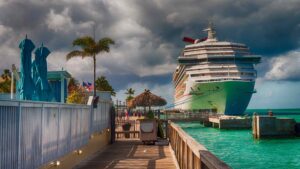
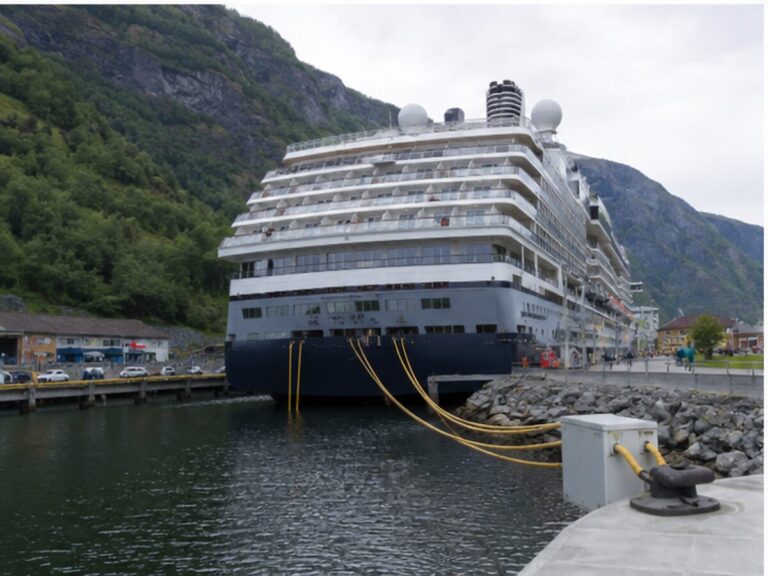
Le Havre’s cruise berths sit inside an active working port near the mouth of the Seine. Ships may use different terminal positions, so walking distance and the route out of the secure area vary.
Follow the ship’s notice for your exact terminal, gangway, shuttle, taxi area, and all aboard time. Port construction, traffic control, and the day’s vessel lineup can change familiar arrangements.
Shuttles and independent transfers
Cruise lines or local operators may provide a paid or included shuttle to a central drop-off, but service is not identical for every sailing. Check the onboard description for frequency, final departure, accessibility, and whether tickets must be bought in advance.
Taxis are useful for the station or a local attraction, yet demand spikes when a large ship clears. Build waiting time into the plan and agree on the destination before the vehicle leaves.
Paris from Le Havre
Paris is possible during a long call, but it is not close. Road traffic and rail operations can turn an ambitious schedule into a narrow one, and the return to the ship must govern every sightseeing decision.
If this is your only realistic chance to see Paris, a ship-sponsored excursion is the simplest choice. It coordinates port departure and return, though a substantial part of the day will still be spent traveling.
Paris by train
Direct and connecting trains serve Paris Saint-Lazare from Le Havre, with journey details varying by departure. The cruise terminal is not the railway station, so you must include the transfer, station navigation, ticket validation, platform access, and a backup train in the plan.
Check SNCF Connect for the exact sailing date and inspect engineering notices as well as the nominal timetable. A last possible train is not a safe cruise strategy.
Paris by coach or private vehicle
A coach removes the station transfer but remains exposed to traffic. Tours often provide a panoramic circuit, a limited period of free time, or a combination of major exterior landmarks rather than a deep city visit.
Read the itinerary carefully to see what is actually included. The words Paris tour do not guarantee admission to the Louvre, the Eiffel Tower, or any other timed attraction.
A realistic Paris plan
Choose one compact area and one priority instead of crossing the city repeatedly. A Seine-side walk, a reserved museum visit, or a focused neighborhood works better than a list of landmarks scattered across Paris.
Leave the city earlier than feels necessary and keep the ship’s emergency contact information. Even a well-planned independent traveler cannot control every rail disruption or road delay.
Le Havre deserves its own day
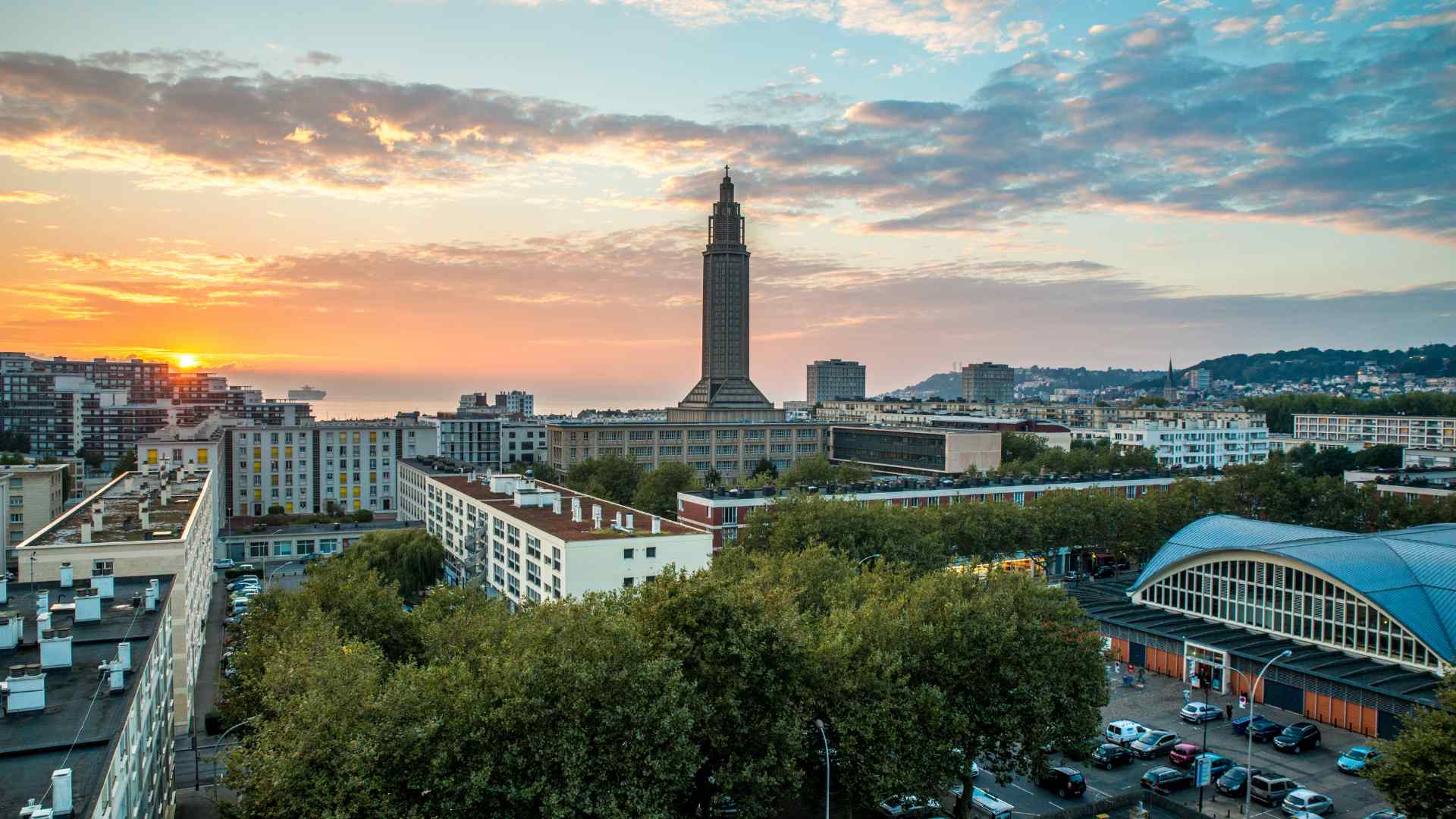
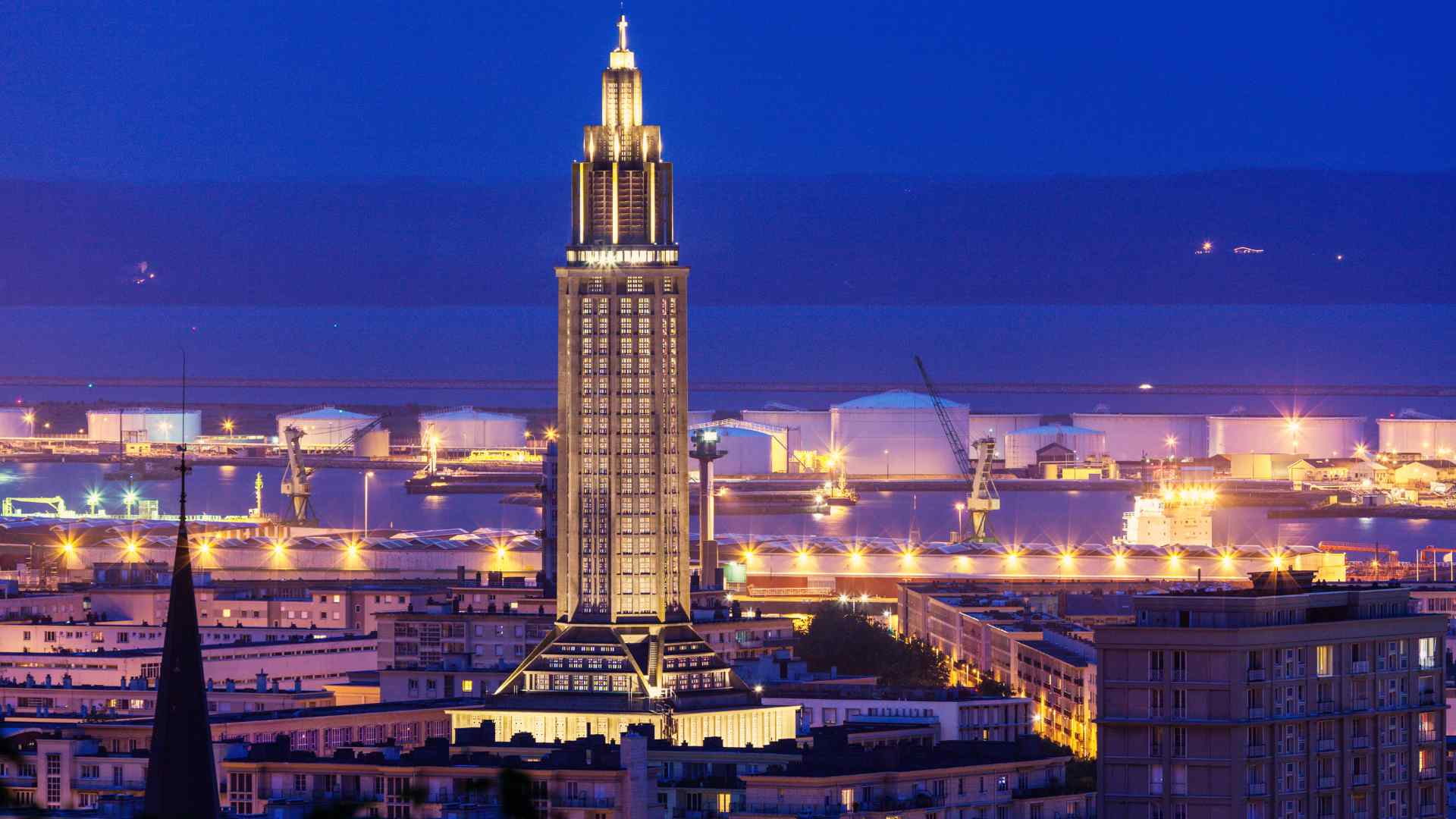
Le Havre was heavily damaged during the Second World War and rebuilt under Auguste Perret using a coherent system of reinforced concrete, proportion, light, and urban planning. UNESCO recognizes the rebuilt center as an exceptional example of postwar architecture.
The result is not a medieval Normandy town, and that is precisely the point. Give the city time to reveal the texture, color, and human scale inside what first appears to be a strict concrete grid.
Saint Joseph’s Church
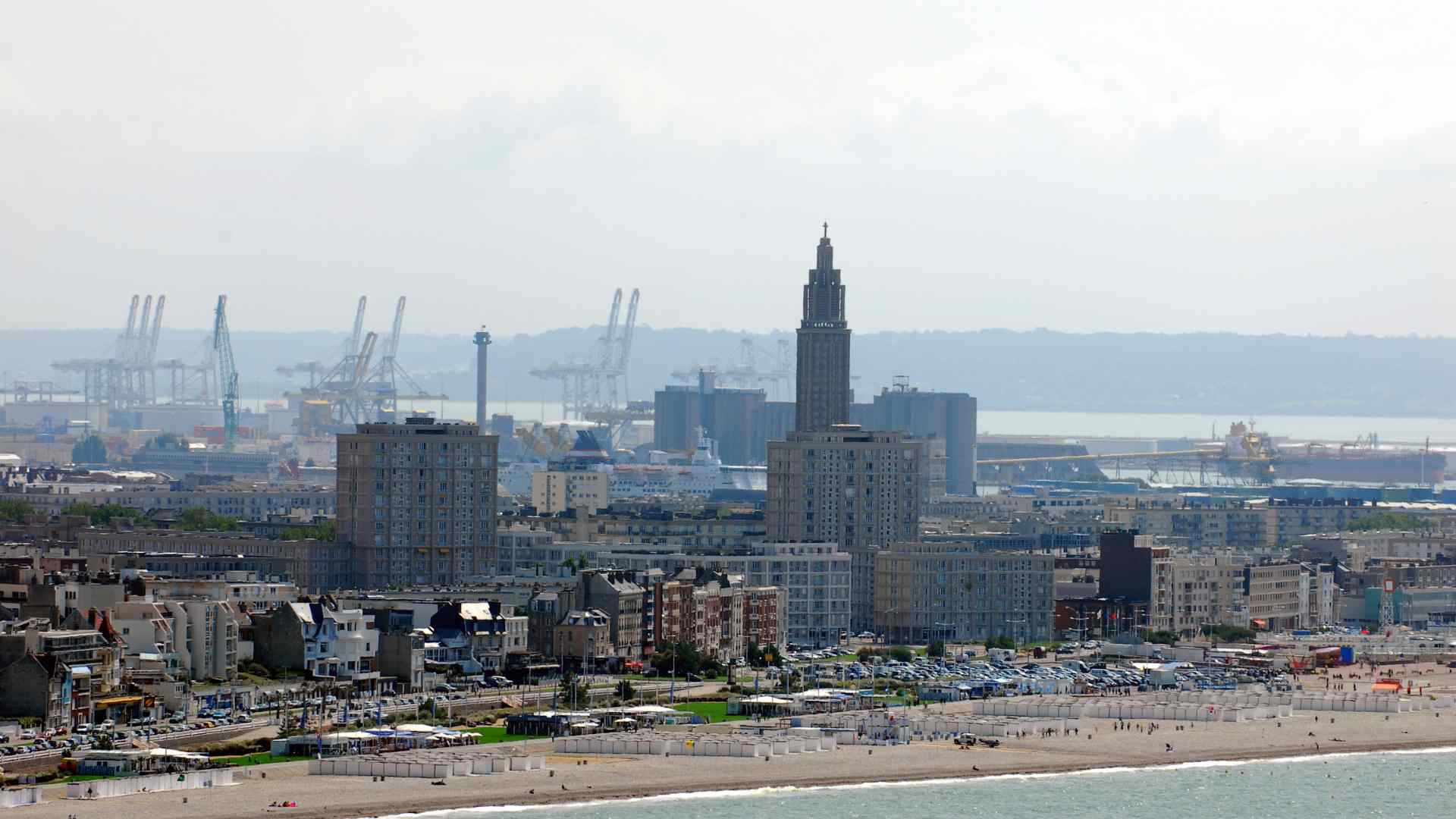
Saint Joseph’s tower dominates the skyline and serves as both a city landmark and memorial. Inside, colored glass transforms the concrete tower as daylight changes.
It remains an active church, so visits may be limited during services or events. Dress respectfully, keep voices low, and check official opening information before crossing town for a specific time.
The Perret show apartment
The reconstructed center makes more sense after seeing how its housing was designed and furnished. The Perret show apartment explains the practical ideas behind the urban plan rather than presenting the architecture only as an exterior style.
Visits may be guided or scheduled, so check the tourism office’s current rules. If timing does not work, the city center itself remains an open-air lesson in Perret’s approach.
Oscar Niemeyer’s Volcano
The curved white forms of Le Volcan interrupt the rectilinear Perret streets with unmistakable confidence. The complex includes cultural spaces, and its exterior plaza is easy to include on a central walk.
Do not confuse seeing the architecture with attending a performance or accessing every interior. Check the venue program if the inside matters to your visit.
MuMa and the light of the estuary
The André Malraux Museum of Modern Art, known as MuMa, stands near the water in a light-filled modern building. Its collection is especially strong in art connected with Normandy and the development of Impressionism.
This is an excellent poor-weather choice and a natural partner for Saint Joseph’s Church. Check the official museum calendar for closing days, temporary exhibitions, and ticket details.
A compact art and architecture route
Begin at Saint Joseph’s, continue toward MuMa, and then walk through the rebuilt center toward Le Volcan and City Hall. Adjust the direction to the shuttle stop and weather rather than forcing a fixed sequence.
This route keeps the day within Le Havre and leaves room for lunch. It is also far easier to shorten if the ship changes its schedule.
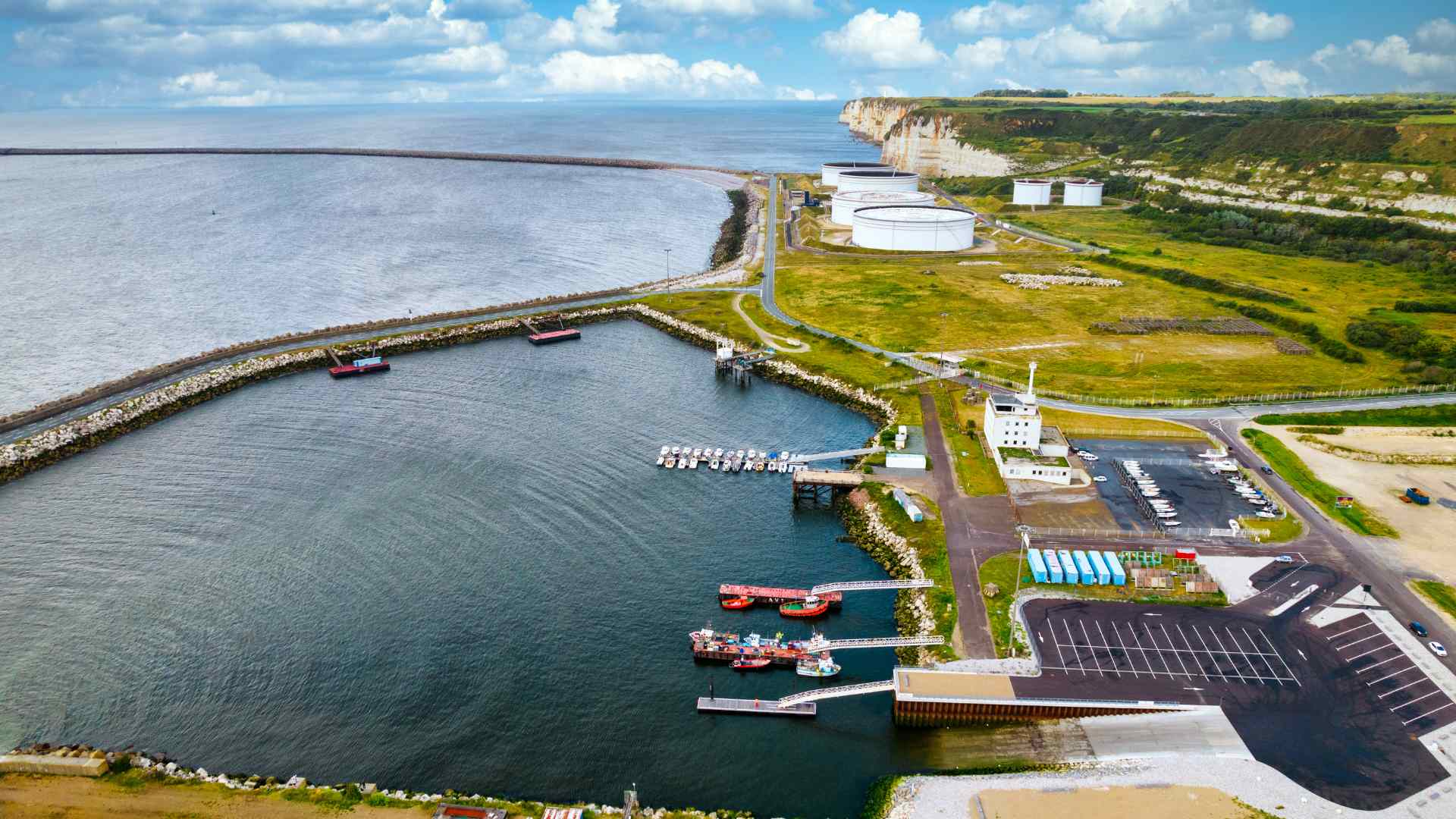
The beach and waterfront
Le Havre’s broad waterfront offers a different view of the city, with beach facilities, long promenades, and changing light across the Channel. It is a good place to decompress after a museum or architecture walk.
Swimming conditions and beach services are seasonal, and the shore can be windy. Follow local safety information and do not assume a bright day means calm water.
Les Jardins Suspendus
The Hanging Gardens occupy a former fort above the city and combine planted spaces with broad views. They are farther from the flat center and involve elevation, so a taxi or local transit may be preferable for some travelers.
Opening times and access to specific garden areas vary. Check the city’s current information before making the gardens the anchor of a short call.
Honfleur
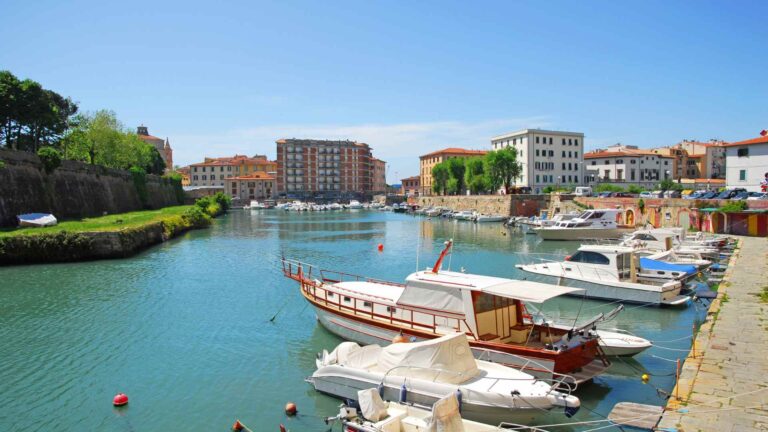
Honfleur sits across the Seine estuary beyond the Normandy Bridge and offers the historic harbor scene many visitors imagine when they picture Normandy. The Vieux Bassin, narrow buildings, Saint Catherine’s Church, galleries, and café terraces create an immediately appealing visit.
It is also extremely popular on cruise days. Arrive early when possible, walk one or two streets away from the harbor, and do not spend the entire stop waiting for a waterfront table.
Getting to Honfleur
A ship excursion, private driver, or prearranged tour is the most straightforward approach. Public transport exists in the region, but schedules and stop patterns may not provide a comfortable cruise-day margin.
The Normandy Bridge can be affected by traffic and weather. A driver should plan the return around current conditions rather than the shortest map estimate.
What to see
Walk around the Vieux Bassin, enter Saint Catherine’s Church when open, and follow the lanes behind the waterfront. The wooden church and separate bell tower are more distinctive than a rushed shopping circuit.
Honfleur can fill a half day without additional stops. Combining it with too many rural attractions usually reduces the time that makes the town enjoyable.
Étretat and the Alabaster Coast
Étretat is known for pale chalk cliffs, natural arches, and the needle-like sea stack that inspired generations of artists. The views are dramatic, but this is a walking and weather-dependent outing rather than a quick roadside photograph.
There is no direct mainline train from Le Havre to Étretat. Tours, taxis, private vehicles, and seasonal regional buses may be options, with the exact service requiring a date-specific check.
Clifftop walking
Paths climb from town and can be steep, exposed, muddy, or slippery. Stay behind barriers, keep away from cliff edges, and never stand beneath unstable chalk faces on the beach.
Wear shoes with grip and carry a windproof layer. Fog can erase the famous view while strong wind changes what feels comfortable near the top.
Crowds and parking
Étretat’s narrow setting concentrates visitors, especially in summer. A tour with a fixed meeting point can remove the search for parking, but you still need to return at the stated time.
Independent travelers should identify legal parking and walking distance before arrival. Do not use a tight onward reservation after Étretat because road delays are difficult to predict.
Three plans that respect the clock
Local Le Havre day
Take the cruise shuttle or taxi into the center, visit Saint Joseph’s Church and MuMa, then walk through the UNESCO district. Add the waterfront or lunch before returning with time to spare.
Classic Normandy day
Choose either Honfleur or Étretat as the main destination and use a coordinated transfer. If a tour combines both, examine the time at each stop and be comfortable with a faster pace.
Paris priority day
Use a ship excursion or select trains with a substantial backup margin, then focus on one Paris area. Skip any attraction whose timed entry could compromise the return journey.
Accessibility
Terminal accessibility varies by berth, gangway, and shuttle vehicle. Ask the cruise line whether mobility equipment can be accommodated and where accessible taxis or coaches board.
Central Le Havre is generally more manageable than the cliffs at Étretat, though curbs, crossings, construction, and distance still matter. Museums and churches should be contacted directly about current step-free entrances and restroom access.
Honfleur has cobbles and uneven historic surfaces, while Paris involves long distances and crowded transport. A private panoramic drive may suit some travelers better than a walking-heavy tour.
Weather and what to wear
Normandy weather can shift quickly between sun, drizzle, wind, and low cloud. Carry a waterproof outer layer and wear shoes that remain comfortable on wet pavement or coastal paths.
Check Météo-France and local attraction notices close to the visit. Coastal conditions in Étretat or Honfleur may feel different from those inside Le Havre’s streets.
Food, money, and practical details
France uses the euro, and cards are widely accepted. Carry a modest backup payment method, particularly for small purchases or a machine that rejects a foreign card.
Normandy is associated with seafood, apples, cider, butter, and local cheeses. A relaxed meal is easiest on a Le Havre or Honfleur day, while a Paris excursion may require something faster.
Allow for restaurant service time and ask for the bill before you are in a hurry. Keep passports, train tickets, and the port agent’s details secure and accessible.
Common planning mistakes
The largest mistake is treating Le Havre as if it were a Paris suburb. The second is combining Honfleur and Étretat independently without accounting for traffic, parking, and the return to the port.
Travelers also overlook Le Havre because concrete architecture does not resemble the Normandy postcard they expected. A guided or self-guided Perret walk often changes that first impression.
Final verdict
Le Havre gives cruise passengers four genuinely different days: Paris ambition, Honfleur charm, Étretat scenery, or a thoughtful local exploration. None is automatically best, and the right choice depends on the call length, weather, mobility, and tolerance for travel risk.
I would choose Paris only when it is the clear priority and the schedule is generous. Otherwise, Le Havre’s UNESCO center or one focused Normandy outing provides more experience per hour and a calmer return to the ship.
Verify current details with Le Havre Étretat Tourism, UNESCO, SNCF Connect, and Météo-France before your visit. Berths, shuttles, trains, road traffic, attraction hours, coastal access, and excursion content can change, so confirm every time-sensitive detail for your sailing date.