Keelung Cruise Port: Gateway to Taipei & Jiufen, Taiwan
Keelung is more than Taipei’s seaport. The harbor reaches into a compact city of food stalls, temples, rainy hills, and working docks, while frequent rail service makes central Taipei a realistic independent option for travelers who plan the return carefully.
The best day depends on how much transportation you want. You can stay local for markets and harbor views, ride the train to Taipei, or reserve a road trip to Jiufen and Yehliu, but combining all three usually creates more rushing than discovery.

Quick Facts
- Port type: Direct berth in a working harbor with east and west passenger areas
- Walkable local sights: Maritime Plaza, downtown streets, temples, and Miaokou food stalls
- Rail gateway: Keelung Station for Taiwan Railway service toward Taipei
- Top regional excursions: Jiufen, Yehliu Geopark, and the Pingxi area
- Currency: New Taiwan dollar
- Language: Mandarin Chinese, with English support varying by place
- Weather essential: Compact rain protection and shoes with grip
- Planning priority: Confirm the berth and work backward from the ship’s all-aboard time
Where Cruise Ships Dock
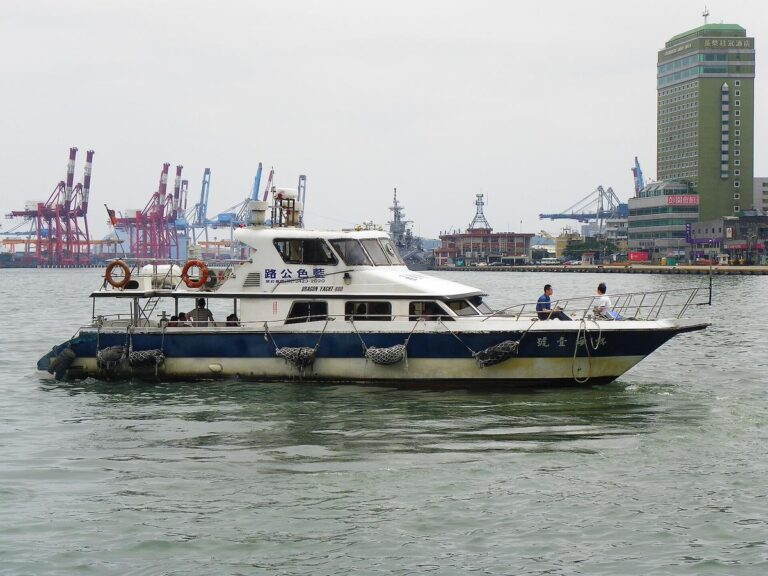
Keelung’s cruise facilities sit on both sides of the inner harbor, and your assigned berth determines the easiest walking route. The east and west passenger areas are both central by major-port standards, but they are not the same starting point.
Follow the ship’s daily information for the terminal exit, shuttle, tour meeting point, and return route. Port operations, security controls, and the number of ships in harbor can change which gate passengers use.
Keelung Station stands near the southern end of the harbor and is the key to an independent Taipei day. From a farther berth, use a port shuttle, taxi, or the signed pedestrian route rather than cutting through operational areas.
The city begins quickly once you leave the terminal, which makes Keelung a strong fallback if rain or a late arrival disrupts an excursion. You can build a complete local day without committing to a distant bus connection.

Taking the Train to Taipei
Taiwan Railway trains connect Keelung with Taipei, and the official timetable includes Keelung, Nangang, Songshan, and Taipei stations on the main corridor. Service patterns vary, so search the exact travel date on the Taiwan Railway website before leaving the ship.
Keelung is an origin station for many services, which can make boarding easier than at a crowded intermediate stop. Check the train number and destination board because not every departure follows the same stopping pattern.
Taipei Main Station is large, busy, and connected to local metro, rail, shopping, and underground passages. Photograph the entrance or platform route you use, then allow extra time to find the correct Taiwan Railway departure back to Keelung.
An EasyCard can simplify many local transit payments, but ticket and card rules should be checked at the station. If you buy a paper ticket, keep it accessible until you have exited at the destination.
I plan the return train before sightseeing and select an earlier service than the last plausible option. A missed connection, crowded elevator, rainstorm, or long walk from the platform to the ship can consume the margin quickly.
What to See in Taipei
A cruise day is too short for all of Taipei, so choose one district or two compatible landmarks. Taipei 101 and the surrounding Xinyi district provide modern architecture, shopping, views, and straightforward metro access when visibility is good.
Longshan Temple and the historic streets around Bopiliao offer a very different introduction to the city. The temple remains an active place of worship, so move respectfully, follow signs, and avoid blocking people who are praying.
The National Palace Museum holds an immense collection and sits away from the direct Keelung rail line. It works best as the main purpose of the trip, with official opening information and a planned taxi or transit connection in both directions.
Chiang Kai-shek Memorial Hall has broad public spaces and formal architecture, but exhibitions, ceremonies, and naming debates reflect complex history. Visit with context rather than treating the site only as a photo stop.
For food, choose a market or restaurant near the district you are already visiting. Crossing the city for a single famous stall is rarely a good use of limited port time.

Jiufen From Keelung
Jiufen climbs a mountainside east of Taipei, with narrow lanes, teahouses, food stalls, and views toward the coast. Its atmosphere is memorable, but the steep steps and dense crowds make it less effortless than social-media photos suggest.
Independent travelers can use buses, or combine Taiwan Railway to Ruifang with an onward bus or taxi. The route requires current timetable checks and a clear return plan because weather, road traffic, and crowding can disrupt the sequence.
A direct taxi or private tour from Keelung reduces transfers and makes it easier to add a viewpoint or nearby stop. Agree on the full itinerary, waiting time, fare method, and port return before leaving.
Jiufen Old Street is not a flat shopping promenade. Travelers with limited mobility should review the entrances and gradients carefully, while wheelchair users need a route planned around the upper road and accessible businesses rather than the famous staircases.
Visit early when possible, choose one teahouse or food stop, and resist adding every overlook. The town rewards atmosphere more than speed, and a shorter focused visit leaves room for an unhurried return.

Yehliu Geopark
Yehliu Geopark protects a narrow coastal headland shaped into honeycombs, mushroom rocks, and other weathered forms. The famous Queen’s Head is only one feature within a fragile landscape exposed to wind, salt, and waves.
The park requires road transportation from Keelung, usually by organized excursion, taxi, or regional bus. Check the official geopark site for current hours, tickets, weather notices, and any trail closure before departure.
Stay behind marked lines and follow staff instructions because the rocks are vulnerable and the sea can be dangerous. Shoes with grip and a rain layer are more useful than an umbrella when coastal wind is strong.
Yehliu pairs more naturally with a north-coast drive than with central Taipei. Combining it with Jiufen is possible on a properly timed private or ship tour, but public transportation can turn the route into a chain of uncertain connections.

A Local Keelung Day
Staying in Keelung is not a consolation prize. The city is built around its harbor, and a local day delivers street food, temples, maritime views, and a more relaxed pace than a long trip into Taipei traffic.
Begin at Maritime Plaza and orient yourself around the inner harbor. The promenade provides ship views and a simple route toward downtown, though road crossings and port traffic still require attention.
Miaokou’s food stalls cluster around Dianji Temple on Rensan Road and nearby lanes. The market is most famous at night, but some vendors serve during the day, with the exact selection building as afternoon approaches.
Look for braised dishes, noodle soups, seafood, savory snacks, and shaved-ice desserts, then buy from stalls with clear turnover and posted prices. Carry small cash because not every vendor accepts foreign cards or mobile payments.
Dianji Temple is part of the market’s identity rather than a decorative backdrop. Enter quietly, avoid interrupting worship, and ask before photographing people or ritual activity.

Zhongzheng Park and the Guanyin Statue
Zhongzheng Park rises above the east side of Keelung and is known for its large Guanyin statue and harbor views. The height that creates the panorama also makes the approach physically demanding.
A taxi can reduce the climb, while walking routes may include long stairways and steep roads. Confirm the vehicle drop-off and remaining steps if mobility is limited, and do not assume the photographed viewpoint is beside the entrance.
Cloud and rain can hide distant views, but the park still offers a contrast to the commercial harbor below. I would keep it optional and decide after seeing the weather rather than locking it into a tight schedule.
Heping Island and Zhengbin Harbor
Heping Island Park combines coastal geology, sea views, and managed visitor areas northeast of central Keelung. Entry, swimming areas, transportation, and weather restrictions can change, so check the park’s official information before treating it as a beach day.
Zhengbin Fishing Harbor is known for a row of brightly colored buildings along the water. It is a brief photo and cafe stop rather than a full-day attraction, and it can pair with Heping Island or the National Museum of Marine Science and Technology.
Local buses may serve these areas, but the most efficient combination on a cruise call is often a taxi with a clear return arrangement. Show the destination in Chinese characters or save the official map pin to reduce confusion.

Shifen and the Pingxi Area
Shifen is associated with its waterfall, old railway street, and sky lantern tradition. Reaching it independently involves rail or road connections that need much more schedule discipline than a direct train to Taipei.
The waterfall area includes paths, viewpoints, and stairs, while the railway street becomes crowded around passing trains. Follow barriers and staff directions, and never step onto the tracks for a photograph outside permitted areas.
Sky lanterns have cultural and tourism significance but also create environmental concerns when materials fall outside recovery areas. If you participate, choose an operator following local collection rules and do not release anything during unsafe weather.
A ship excursion or reserved driver makes Shifen easier to combine with Jiufen. Public transportation is better for travelers who know the system, have a long call, and are willing to drop a stop if connections slip.
Choosing the Right Day Plan
For a short call, stay in Keelung and combine Maritime Plaza, Miaokou, a temple, and perhaps a taxi to Zhongzheng Park. This plan is flexible, inexpensive, and easy to shorten if the ship arrives late.
For a medium call, choose central Taipei by direct train or one focused regional excursion. Jiufen alone leaves more breathing room than a loop that also forces in Yehliu and Shifen.
For a long call, a private or ship tour can combine Jiufen with Yehliu, while independent travelers may enjoy Taipei plus a local Keelung meal. I would not combine Taipei, Jiufen, and Yehliu unless the cruise line controls the whole itinerary and return.
Families may prefer a shorter Taipei district or local food day over repeated transfers. Travelers interested in landscapes should choose Yehliu, while atmospheric streets and teahouses make Jiufen the stronger cultural choice.

Accessibility
Keelung’s direct berth avoids the tender barrier, but gangway slope and terminal route still vary with tide and ship position. Ask the cruise line about the exact setup and any shuttle lift before relying on independent access.
Taiwan Railway provides accessible facilities and assistance, though elevator routes may take longer than stairs. Arrive early, tell station staff your destination, and leave time at Taipei Main Station for a potentially indirect step-free transfer.
Downtown Keelung includes curb changes, narrow market aisles, scooters, wet paving, and crowded sidewalks. A power chair or scooter user may find the broad harbor promenade easier than the densest food lanes.
Jiufen’s stairs are the major barrier, while Yehliu has exposed paths and surfaces affected by weather. Ask each attraction or tour provider about the complete route, accessible toilets, vehicle lift, and whether you can remain in your device.
Weather and What to Pack
Keelung is known for frequent rain, and showers can arrive even when Taipei looks brighter. Carry a compact waterproof jacket or umbrella, protect electronics, and wear shoes that remain secure on wet tile and steps.
Summers are hot and humid, while typhoons can alter ships, trains, parks, and road excursions. Follow official weather and cruise-line instructions rather than trying to preserve a prepaid itinerary during a warning.
Bring water and a light layer for air-conditioned trains or museums. A small towel and waterproof pouch are simple additions that can make a damp port day much more comfortable.

Money, Language, and Connectivity
Taiwan uses the New Taiwan dollar, and cash remains useful at markets and small shops. Cards and mobile payments are common in larger businesses, but foreign cards do not work everywhere.
English signage is strong on major rail and metro systems, while smaller bus stops or food stalls may offer less translation. Save destinations in Chinese characters and use a translation app offline for ingredients, directions, and taxi communication.
Mobile data is helpful for live schedules, but screenshots protect you when service drops or a website loads slowly. Save the ship’s terminal, all-aboard time, Taiwan Railway options, tour contact, and return route before leaving the harbor.
Return-to-Ship Strategy
Work backward from the ship’s all-aboard time and include the train or road journey, walk from Keelung Station, port security, and gangway. Travelers at a west-side berth should not assume the east-side terminal entrance is an acceptable return point.
For Taipei, choose an earlier train and let spare time become a Keelung snack or harbor walk. For Jiufen, Yehliu, or Shifen, agree with the driver or guide on a conservative departure before the excursion begins.
Final Thoughts
Keelung is one of those ports where staying local can be every bit as satisfying as chasing the famous gateway city. Choose Keelung, Taipei, or one regional route as your main story, verify the transportation in both directions, and leave enough margin to enjoy Taiwan without racing back to the ship.