Bermuda Cruise Port: Dockyard, Hamilton and St George
Heads up: some links below are affiliate links. If you book through one, I may earn a commission at no extra cost to you. It never changes which hotels or tours I recommend. Full disclosure.
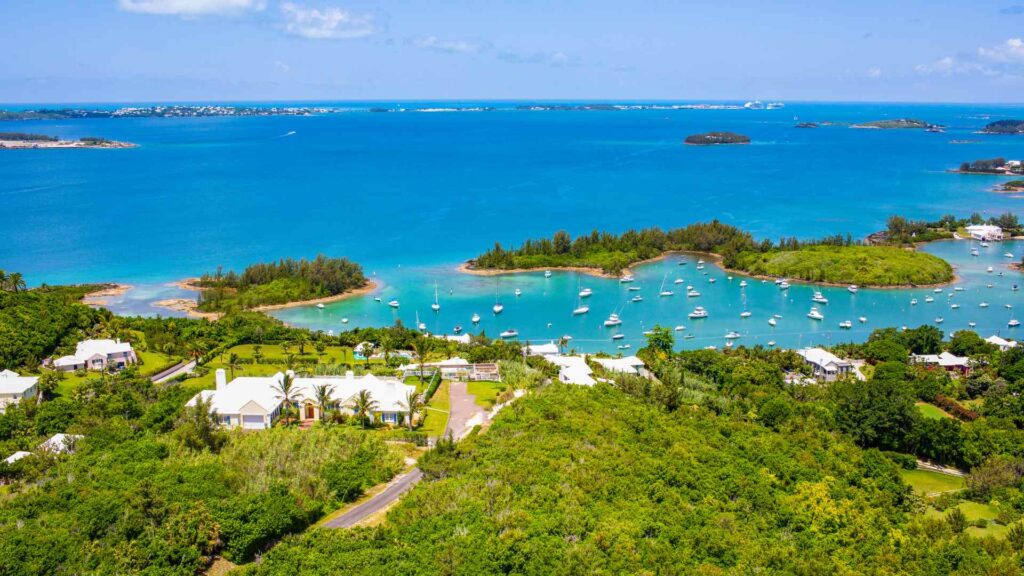
Bermuda is one of my favorite Atlantic calls, all pink sand and pastel cottages. Your ship most likely ties up at the Royal Naval Dockyard, though a lucky few berth in Hamilton or St George.
Here is how I would plan the day, whichever wharf you land at.
My quick take
Bermuda is compact, walkable at the Dockyard, and easy to explore by pink-and-blue ferry. If it is your first island stop, I would pair this guide with my first-timer cruise ports playbook and my US East Coast cruise ports overview.
Most sailings here leave from the Northeast, so a look at Cape Liberty or the New York City cruise ports is worth it before you go.
The quick facts
- Where you land: large ships dock at the Royal Naval Dockyard at the West End, using King’s Wharf and Heritage Wharf. Smaller ships sometimes berth at the Hamilton Passenger Terminal in the City of Hamilton, or at Penno’s Wharf in the Town of St George.
- Dock or tender: All three berths are alongside, so you walk straight off the ship.
- Into town: The Dockyard is a self-contained village you can cover on foot in minutes.
- Currency and language: The Bermudian dollar, pegged one to one with the US dollar, and English.
- Time zone: Atlantic Time.
- How often the call is missed: Medium (roughly 3 to 7%): tropical storms can make the approach unsafe.
How I’d confirm my own berth
Bermuda has three possible cruise berths, and which one you get changes your whole day. The official Go To Bermuda cruise page confirms that large ships use King’s Wharf and Heritage Wharf at the Royal Naval Dockyard.
Small to medium ships may instead dock at the Hamilton Passenger Terminal or at Penno’s Wharf in St George. Your cruise line’s port schedule is the only place to confirm which berth your sailing uses, so check that before you plan tours.
Getting around, and moving between the three ports
The island’s pink-and-blue ferries are the fastest, prettiest way to move around. According to the official SeaExpress ferry guide, the Blue Route links the Dockyard and Hamilton in roughly 15 to 20 minutes, versus about an hour by bus.
A seasonal Orange Route fast ferry runs Dockyard to St George from May to October, crossing the island in about 45 minutes. Adult ferry fares run about 3.50 to 5 US dollars, and multi-day transport passes cover both bus and ferry.
- Ferries: Your best bet for Dockyard to Hamilton, and for the seasonal Dockyard to St George run.
- Public buses: The pink buses connect the Dockyard, Hamilton, Horseshoe Bay, and the Crystal Caves area. Buy tokens or a pass before boarding.
- Taxis: Metered and easy to find at the piers, and many drivers offer island tours.
- Scooters: A fun, flexible option if you are comfortable driving on the left.
Choose one island corridor
From Dockyard, the Blue Route ferry makes Hamilton the cleanest city day, while the seasonal Orange Route can make St. George’s practical on dates when its timetable aligns. Go To Bermuda lists the rides at about 15 to 20 minutes and 45 minutes respectively, but service days and departure times must be checked for your sailing.
Horseshoe Bay is usually easier by bus, taxi, or beach shuttle than by combining ferries. Buy the appropriate Shorelink fare or transport pass before boarding, and do not assume a scooter is the simple answer because Bermuda drives on the left on narrow roads.
On an overnight call, use the first day for the distant end of the island and keep the final day near Dockyard. On departure day, choose a return that leaves another scheduled ferry or enough taxi time before all aboard.
The stops I’d actually spend time on
- Royal Naval Dockyard: The old British naval base is now a walkable hub of shops, restaurants, and history. You can fill hours here without ever catching a bus.
- National Museum of Bermuda: Set inside the Keep, the island’s largest fort, the National Museum of Bermuda holds shipwreck artifacts and sweeping harbor views. The restored Commissioner’s House sits at the top of the hill.
- Dolphin Quest: This sheltered lagoon in the Dockyard’s Keep lets you meet dolphins up close, a favorite for families.
- Clocktower Mall: The dramatic twin-towered building anchors the Dockyard’s shopping, with local crafts and Bermuda rum cake inside.
- Horseshoe Bay Beach: Bermuda’s most famous beach, and for good reason. The island’s top beach is known for pink-tinged sand and a curve of turquoise water.
- Crystal and Fantasy Caves: Near Hamilton Parish, these underground caverns feature clear subterranean pools and dramatic limestone formations reached by walkway.
- Town of St George: A UNESCO World Heritage Site of cobbled lanes and colonial buildings, easily reached by the seasonal Orange ferry or by bus.
- City of Hamilton: The capital’s Front Street mixes boutiques, waterfront dining, and hilltop Fort Hamilton with its harbor views.
- Gibbs Hill Lighthouse: One of the world’s few surviving cast-iron lighthouses, first lit in 1846. Climb the 185 steps for a 360-degree view of the South Shore and Great Sound, per Go To Bermuda.
- Bermuda Railway Trail: The old rail line is now a car-free walking and cycling path with quiet coastal views, easy to sample in short stretches.
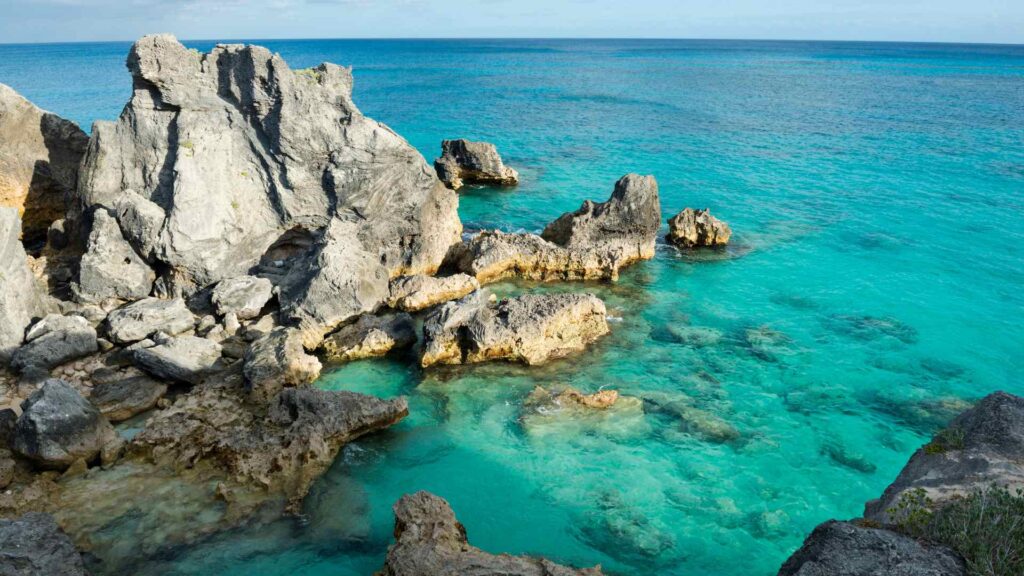
The Town of St George
St George is the reason I always tell friends to look east. Founded in 1612, it is the oldest continuously inhabited English town in the New World, which is why UNESCO lists it and its fortifications as a World Heritage Site.
Wander to St Peter’s Church, poke around the little squares, and let the cobbles slow you down. If your ship docks at the Dockyard, the seasonal Orange ferry is the scenic way to get here.
How I would plan the day
- Three useful hours at Dockyard: Visit the National Museum and the Dockyard shops without adding island transportation. This is the easiest choice for a short call or changing weather.
- Five to six hours: Choose Hamilton or Horseshoe Bay, not both unless the current connections are unusually favorable. Hamilton suits food and city wandering, while Horseshoe Bay suits travelers who want their limited time on the sand.
- Eight hours or an overnight: Use the seasonal Orange ferry for St. George’s only when its dated schedule works, or cross the island by taxi or bus. Keep the last cruise day close to Dockyard and aim to return 60 to 90 minutes before all aboard.
A realistic word on accessibility
The Dockyard itself is flat and easy to roll around, with level access from the wharves to most shops and restaurants. Go To Bermuda identifies Dockyard, Hamilton, St. George’s, and Rockaway as the ferry stops with wheelchair access, but vessel and boarding conditions should still be confirmed for the day.
Some historic sites involve stairs and slopes, and Gibbs Hill Lighthouse has a steep spiral staircase that is not wheelchair accessible. Confirm specific access needs with your cruise line’s shore-excursion team before booking.
When to go, and the weather
Bermuda’s cruise season runs from spring through fall, when the weather is warmest and best for the beaches. The shoulder months of April to May and September to October tend to be a little quieter.
Atlantic hurricane season spans June to November, so keep an eye on forecasts if you sail late in the season. Bermuda’s subtropical climate stays mild year-round even outside peak months.
Quick answers
What is the main cruise port in Bermuda?
The Royal Naval Dockyard at the West End, where large ships use King’s Wharf and Heritage Wharf; smaller ships sometimes berth in Hamilton or St George.
How do I get from the Dockyard to Hamilton or St George?
The Blue Route ferry reaches Hamilton in about 15 to 20 minutes, and a seasonal Orange Route ferry runs to St George from May to October; buses connect the same points more slowly.
What currency should I bring?
The Bermudian dollar is pegged one-to-one with the US dollar, and US dollars are accepted across the island, so there is no need to change money.


How this guide was researched: Unless a first-hand visit is explicitly identified above, this guide is based on independent research using official port, tourism, transit, government, and attraction sources where available. Logistics and time-sensitive details were reviewed in September 2026; see our Editorial Policy.