Toronto Cruise Port: CN Tower, Great Lakes Small Ships
Toronto is an unusual cruise port because the ships arriving here are small Great Lakes and expedition vessels rather than giant ocean liners. The reward is a call in the heart of Canada’s largest city, with the CN Tower, Saint Lawrence Market, museums, neighborhoods, and Lake Ontario all competing for a few precious hours.
The port itself is not the part to explore on foot. Cruise operations use facilities in the industrial Port Lands, so plan on a shuttle, taxi, or prearranged transfer before beginning your downtown day.
Toronto cruise port quick facts
- Ship type: Toronto mainly receives small Great Lakes cruise and expedition vessels.
- Terminal area: The International Marine Passenger Terminal is in the Port Lands, east of downtown.
- Walkability: Do not plan to walk from the terminal to the central attractions.
- Best first visit: CN Tower, the lakefront, and either St. Lawrence Market or the Distillery District.
- Currency: Canadian dollars, with cards accepted widely.
- Transit: Toronto has an extensive subway, streetcar, and bus network after you reach the urban core.
- Planning rule: Confirm the ship’s transfer and build extra time for Toronto traffic.
Where cruise ships dock in Toronto
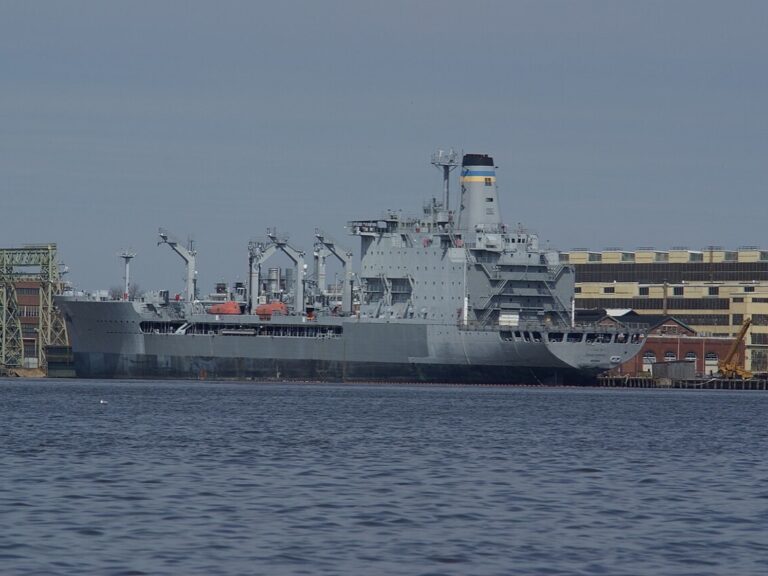
Toronto’s cruise terminal is in the Port Lands near the eastern harbor, away from the main cluster of downtown attractions. The area is shaped by marine, industrial, construction, and redevelopment activity rather than a conventional waterfront tourism terminal.
Your cruise line may provide a shuttle to a central drop point or arrange transfers for embarking and disembarking passengers. Check the final documents carefully because the exact meeting place, luggage process, and access route can change with port operations.
A taxi or rideshare is the straightforward independent option, but pickup may be controlled at the terminal. Follow staff directions and allow more time than the map suggests because bridge traffic, road work, events, and downtown congestion can slow the short drive.
Why only small ships reach Toronto
Toronto sits on Lake Ontario, connected to the Atlantic through the Saint Lawrence River and Seaway system. Vessel dimensions, locks, channels, and route limits make this a small ship destination rather than a port for today’s largest ocean cruise vessels.
That creates a different atmosphere from a crowded homeport call. Ships may carry fewer guests, itineraries often emphasize regional history and nature, and arrival times can reflect lock schedules and Great Lakes weather.
Toronto can be an embarkation port, an overnight stop, or a single day call depending on the itinerary. Confirm which applies before booking flights or hotels, since a port day plan is very different from a turnaround day with luggage.
CN Tower
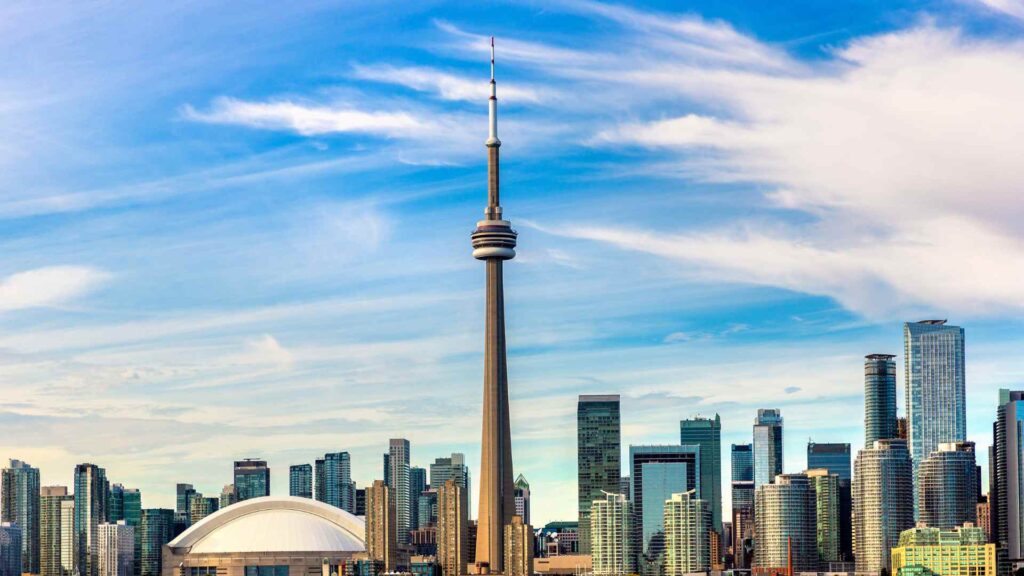
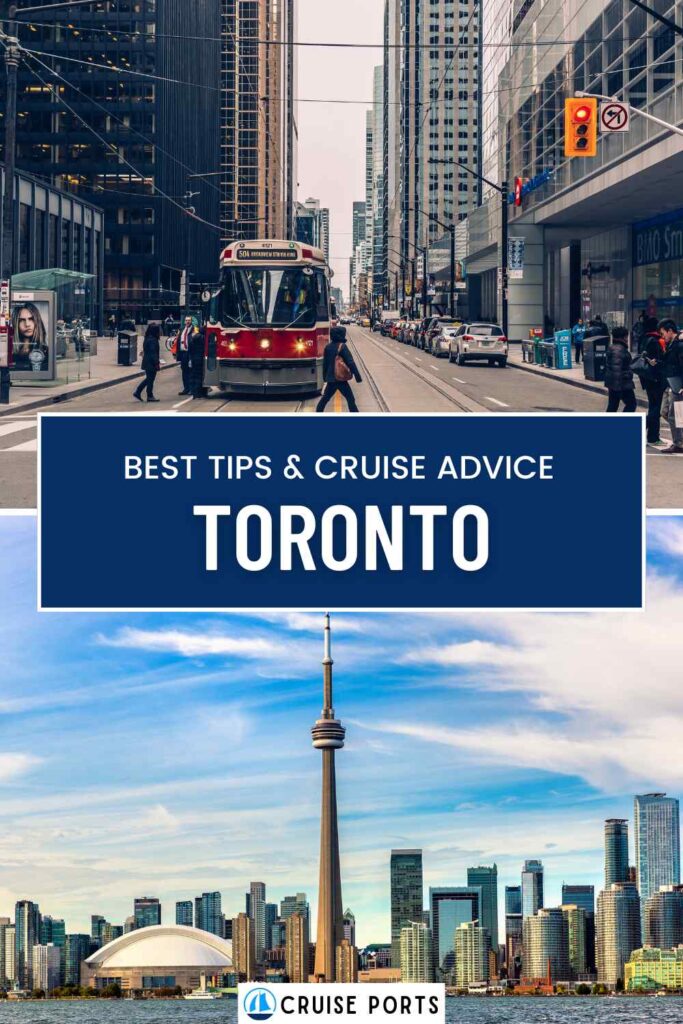
The CN Tower is the obvious first time landmark and gives a sweeping introduction to Toronto’s scale. On a clear day, the observation levels reveal the islands, waterfront, rail corridor, downtown towers, and the wide blue edge of Lake Ontario.
Buy a timed ticket from the official CN Tower site if the visit matters to you. Hours, observation level access, weather, special events, and elevator demand can affect the experience, so do not leave a narrow slot before the ship’s return deadline.
Ripley’s Aquarium of Canada sits beside the tower and works well for families or a rainy day. Trying to complete both in depth can consume most of a short call, which is fine if that is your priority but leaves little time for neighborhoods.
St. Lawrence Market
Saint Lawrence Market is my favorite stop for travelers who want Toronto to taste like a real city rather than a checklist. The South Market brings together produce, meat, cheese, baked goods, prepared foods, and long established specialty vendors.
The market is closed on Mondays and follows different hours by day, according to the official market site. Check the calendar before planning lunch there, because a photo outside a closed building is a disappointing substitute.
Popular local choices include a peameal bacon sandwich, mustard, cheese, baked treats, and seasonal Ontario products. Lines can form at famous counters, so choose the shortest appealing option when your port time is limited.
The surrounding Old Town streets include historic buildings and are easy to combine with a walk toward the waterfront. This area is much more convenient after a central shuttle drop than from the cruise terminal itself.
Distillery Historic District
The Distillery District transforms a preserved industrial complex into pedestrian lanes lined with galleries, shops, restaurants, cafes, and performance spaces. Brick buildings and courtyards create a distinctive setting that feels separate from the glass towers downtown.
It lies east of the central core and is geographically closer to the Port Lands than many headline attractions, though the road and pedestrian network still makes a vehicle transfer sensible from the ship. Event days and seasonal markets can increase both appeal and crowds.
The district pairs naturally with Saint Lawrence Market or a city drive. It is less efficient to combine with several western attractions unless you have a long call and a clear transportation plan.

Toronto waterfront
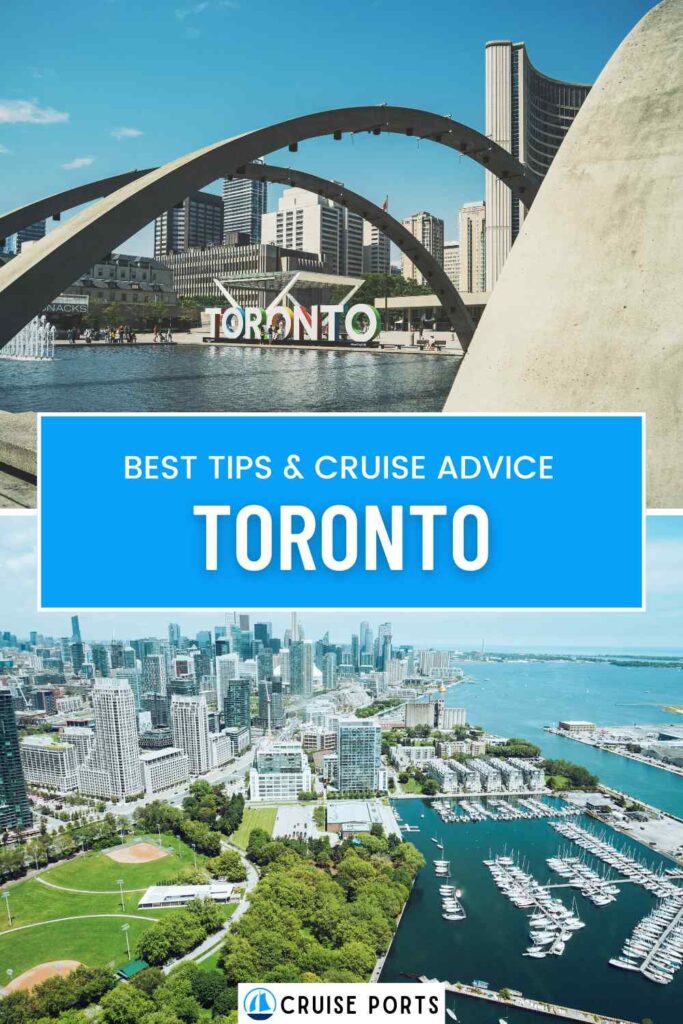
Harbourfront provides the easiest way to reconnect the skyline with Lake Ontario after leaving the Port Lands. Promenades, public spaces, cultural venues, marinas, and ferry views make it a pleasant flexible stop between ticketed attractions.
The Toronto Islands sit just offshore and offer beaches, green space, skyline views, and a calmer pace. Ferry schedules, queues, weather, and the fixed return trip add risk to a short cruise day, so use the city’s current ferry information and leave a generous buffer.
A harbor cruise can provide similar skyline views without committing to a full island outing. Confirm the departure pier and duration because Toronto’s waterfront is long and not every tour leaves near your other stops.
Museums and cultural choices
The Royal Ontario Museum is the broadest museum choice, with collections spanning natural history, world cultures, art, and design. It sits north of the waterfront near Museum Station and deserves a focused visit rather than a rushed lap through every gallery.
The Art Gallery of Ontario is the stronger fit for travelers who prioritize Canadian and international art. Its central location near Chinatown and Kensington Market makes it easy to add food or a neighborhood walk afterward.
Hockey fans may prefer the Hockey Hall of Fame near Union Station. It is compact enough for a port day and convenient to the financial district, Saint Lawrence area, and central waterfront.
Choose one major indoor attraction and buy a timed ticket when available. Toronto has too many museums to sample efficiently in a single call, and travel between them can take longer than expected.
Neighborhoods worth your time
Kensington Market is colorful, independent, and food focused, with vintage shops, produce, cafes, and restaurants shaped by generations of immigration. It sits beside Chinatown and works well for travelers who prefer street life to observation decks.
Yorkville offers polished shopping, galleries, hotels, and restaurants north of downtown. It pairs well with the Royal Ontario Museum but is not the best use of time if your main interests remain near the lake.
Queen Street West appeals to shoppers and visitors interested in contemporary city culture. The street is long, so pick a specific section rather than asking a driver to take you to Queen Street without a destination.
Getting around Toronto
After reaching downtown, the Toronto Transit Commission network can connect major districts by subway, streetcar, and bus. Use the official TTC trip planner and check live service alerts because construction and diversions are common in a growing city.
Contactless bank cards and mobile wallets are convenient on the TTC when supported, but confirm the current fare rules before riding. Tap correctly and keep the same payment method available for any required inspection or transfer.
Taxis and rideshares are easiest for the terminal transfer and for groups dividing the fare. At busy attractions, move to a legal pickup point instead of asking a driver to stop in a transit lane or restricted curb area.
Walking is excellent within individual downtown clusters, but the city blocks add up quickly. Group the CN Tower and Harbourfront together, Saint Lawrence and the Distillery District together, or the Royal Ontario Museum and Yorkville together.
A realistic Toronto port day
For a classic first visit, transfer downtown early, take your timed CN Tower entry, walk part of Harbourfront, and finish at Saint Lawrence Market or the Distillery District. This route covers skyline, lake, and food without crossing the city repeatedly.
For culture, choose the Royal Ontario Museum or Art Gallery of Ontario and add one nearby neighborhood. For a relaxed day, skip the major ticketed sights and combine Harbourfront, Old Town, and a long lunch.
Return to the terminal earlier than the drive time estimate suggests. Port Lands roads, event traffic, bridge openings, weather, and construction can all add delay.
Weather and what to wear
Great Lakes cruise season can bring warm sun, cool wind off the water, rain, or rapid temperature changes. Layers and a compact waterproof shell are more useful than dressing only for the forecasted afternoon high.
Comfortable shoes matter because even a transit based day includes station corridors and long urban blocks. Add sun protection in summer and a warmer outer layer for spring or fall sailings.
Lake conditions can affect ship timing even when downtown weather seems calm. Keep independent bookings flexible and monitor the cruise line’s announcements on arrival day.
Money, food, and practical details
Canadian dollars are the local currency, and established businesses accept cards widely. Carry a small amount of cash for a market vendor, tip, or temporary payment outage, but there is no need to arrive with a large sum.
Toronto’s food scene reflects communities from around the world, so choose by neighborhood rather than chasing one official dish. Peameal bacon at Saint Lawrence Market is a famous local option, while Chinatown, Kensington Market, and the downtown core offer far broader choices.
Sales tax and tipping practices may differ from home. Read the payment screen carefully and check whether a service charge is already included before adding another amount.
Accessibility
Terminal accessibility depends on the ship’s gangway, the marine passenger facility, and the transfer vehicle arranged for the call. Ask whether the shuttle has a lift, where mobility devices are secured, and whether a companion must assist.
Many major Toronto attractions and TTC stations provide accessible facilities, but elevators can be temporarily unavailable and older streetcar stops may present barriers. Check live accessibility notices and choose routes with backup options.
Downtown sidewalks are generally urban and paved, yet construction, crowds, curb cuts, and winter damage can complicate a route. A door to door accessible vehicle may save energy for the attraction itself.
Embarkation and airport planning
Toronto Pearson International Airport lies well outside downtown, while Billy Bishop Toronto City Airport sits beside the central waterfront. Neither should be treated as a quick guaranteed connection to a departing ship, especially when baggage, traffic, security, and check in deadlines are involved.
Arrive at least one day before embarkation and stay downtown or near a transportation route that suits your flight. Confirm the terminal address in the final cruise documents before telling a driver where to go.
Toronto rewards a focused plan built around one part of the city rather than an ambitious cross town checklist. Arrange the Port Lands transfer first, choose two compatible highlights, and leave enough time to watch the skyline recede from Lake Ontario.