Piraeus Cruise Port for Athens: Terminals, Metro & Top Things to Do
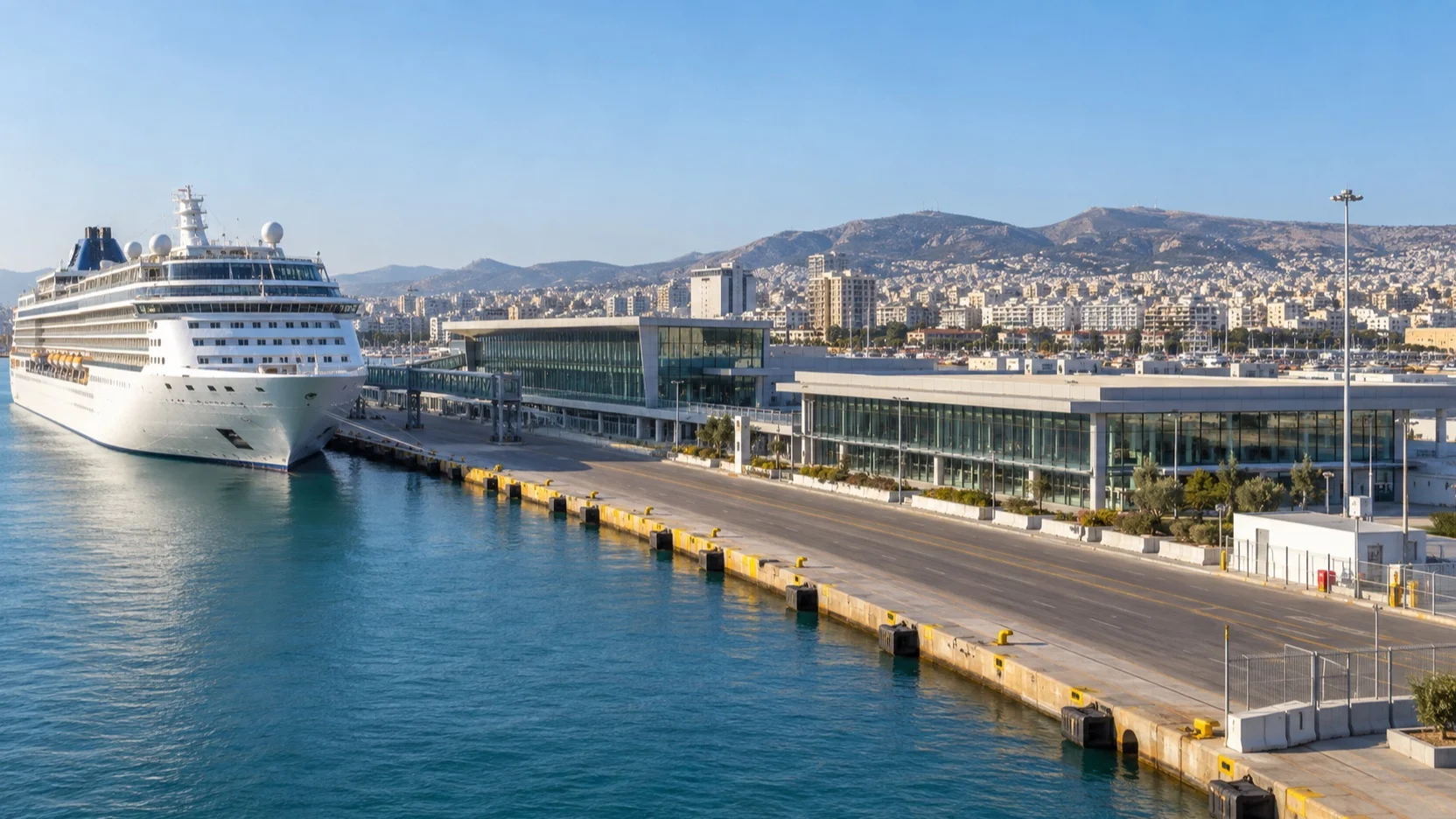
Here is the honest truth: your ship does not dock in Athens, it docks in Piraeus, the busy port city just southwest of the capital. This guide gets you from the Piraeus cruise terminals to the Acropolis and back with zero stress.
Piraeus: The Real Cruise Port for Athens
Piraeus (Greek: Peiraias) is the port, and Athens is the city you have come to see. They are two separate places about 7.5 miles apart, linked by a fast, cheap metro.
My quick take: this is one of the easiest big Mediterranean ports to do on your own, because a direct train reaches central Athens below the Acropolis.
If Athens anchors a wider Greek itinerary, it pairs naturally with island calls like Santorini and Mykonos. It sits near the top of my Greek cruise ports guide too.
If you are flying in the night before, our guide to hotels near Piraeus Cruise Port for Athens cruise port compares the options by distance from the terminal.
The Quick Facts
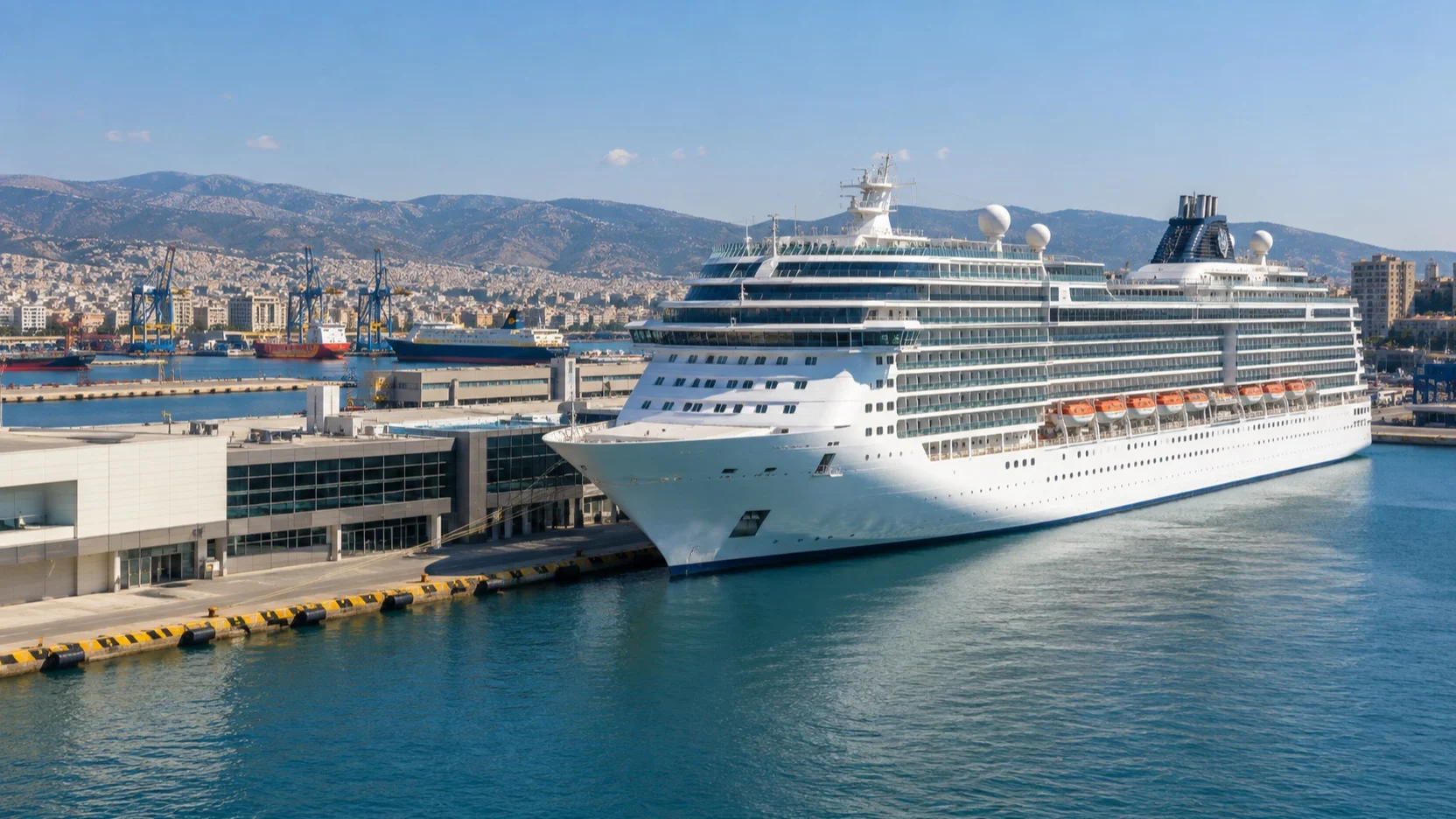
- Where you land: Piraeus, about 7.5 miles southwest of central Athens. There are two main cruise terminals, Miaoulis and Themistocles, which you may see labeled A and B on your cruise documents, plus the newer Agios Nikolaos station, per the Piraeus Port Authority (OLP).
- Dock or tender: Piraeus is an alongside berthed port throughout, so you walk off and there are no tender boats.
- Into town: Piraeus is a big working port.
- Currency and language: The euro and Greek.
- Time zone: Eastern European Summer Time (EEST, UTC+3) through the April to October cruise season, and Eastern European Time (EET, UTC+2) in winter.
- How often the call is missed: Low (under 1%): the sheltered berth is rarely limited by local weather.
How I’d Confirm My Own Terminal
Piraeus is a large, working port, so your exact berth can sit a fair walk from the metro. Check your ship’s daily program or the shuttle signage for whether you are at Miaoulis, Themistocles, or Agios Nikolaos.
Many lines run a paid shuttle from the terminal to the port gate near the metro. If yours does not, a taxi from the pier is the simple fix.
Getting from Piraeus to Central Athens
The metro is the star here. Line 1 links Piraeus straight to Monastiraki and Omonia with no changes, and Monastiraki puts you at the foot of the Acropolis and the edge of Plaka.
A one-way ticket costs 1.20 euro and is valid for 90 minutes across the network, while a 24-hour pass is 4.10 euro, according to the official This is Athens transport guide.
Licensed taxis wait at the port for door-to-door ease, with a ride into the center of roughly 20 to 30 minutes depending on traffic. Agree on the meter or a fare before you set off.
An organized shore excursion is the low-stress option if you would rather not navigate at all.
The Stops I’d Actually Spend Time On
Athens rewards a focused day. Here are the named sights I would prioritize, all within walking distance of Monastiraki.
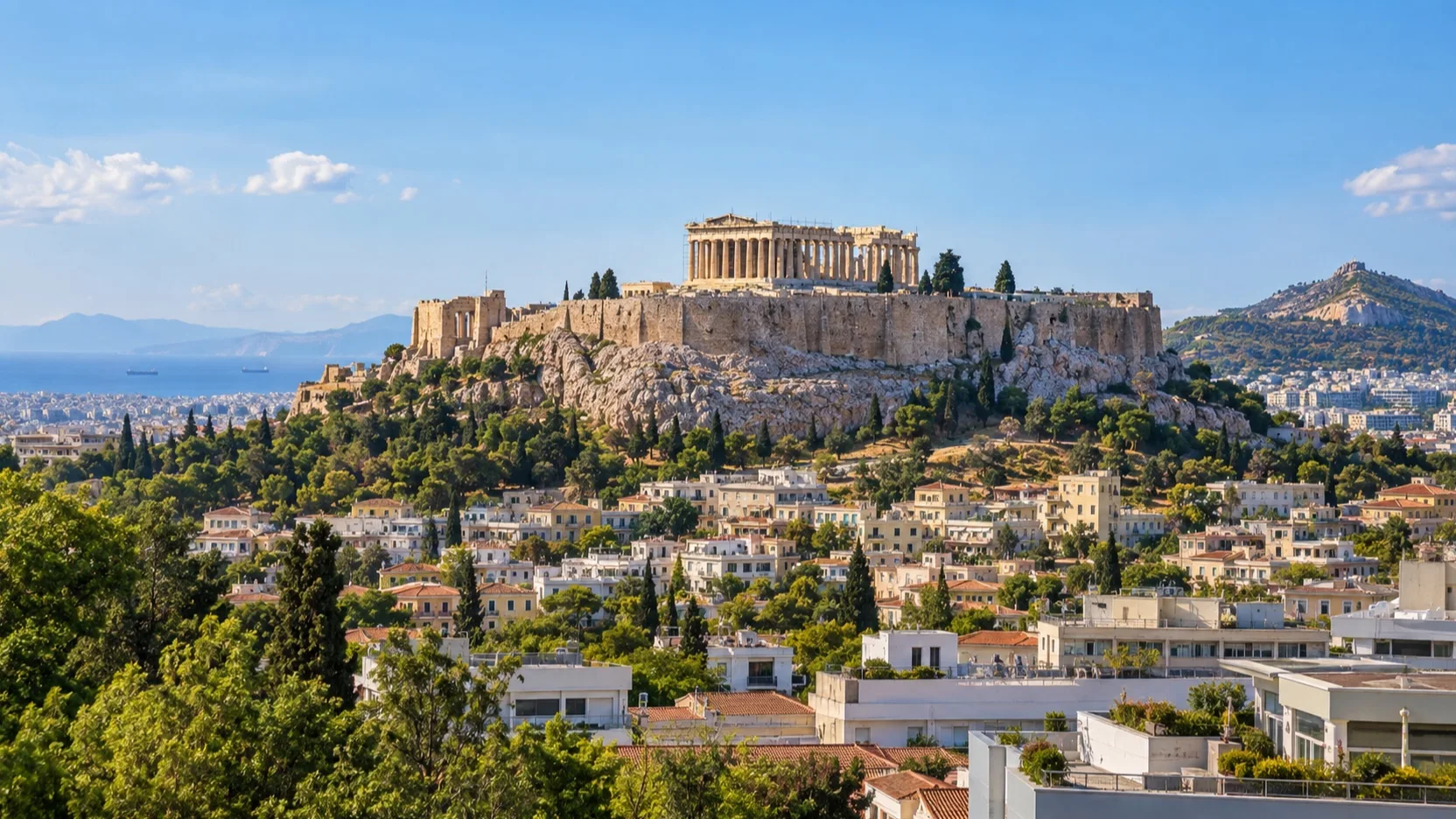
- The Acropolis and Parthenon: The non-negotiable. The Greek Culture Ministry’s official Odysseus site calls it the greatest sanctuary of ancient Athens, crowned by the Parthenon, Erechtheion, Propylaia, and Temple of Athena Nike.
- The Acropolis Museum: Modern, cool, and step-free. Its official listing notes glass floors that let you look down onto an excavated ancient neighborhood beneath your feet.
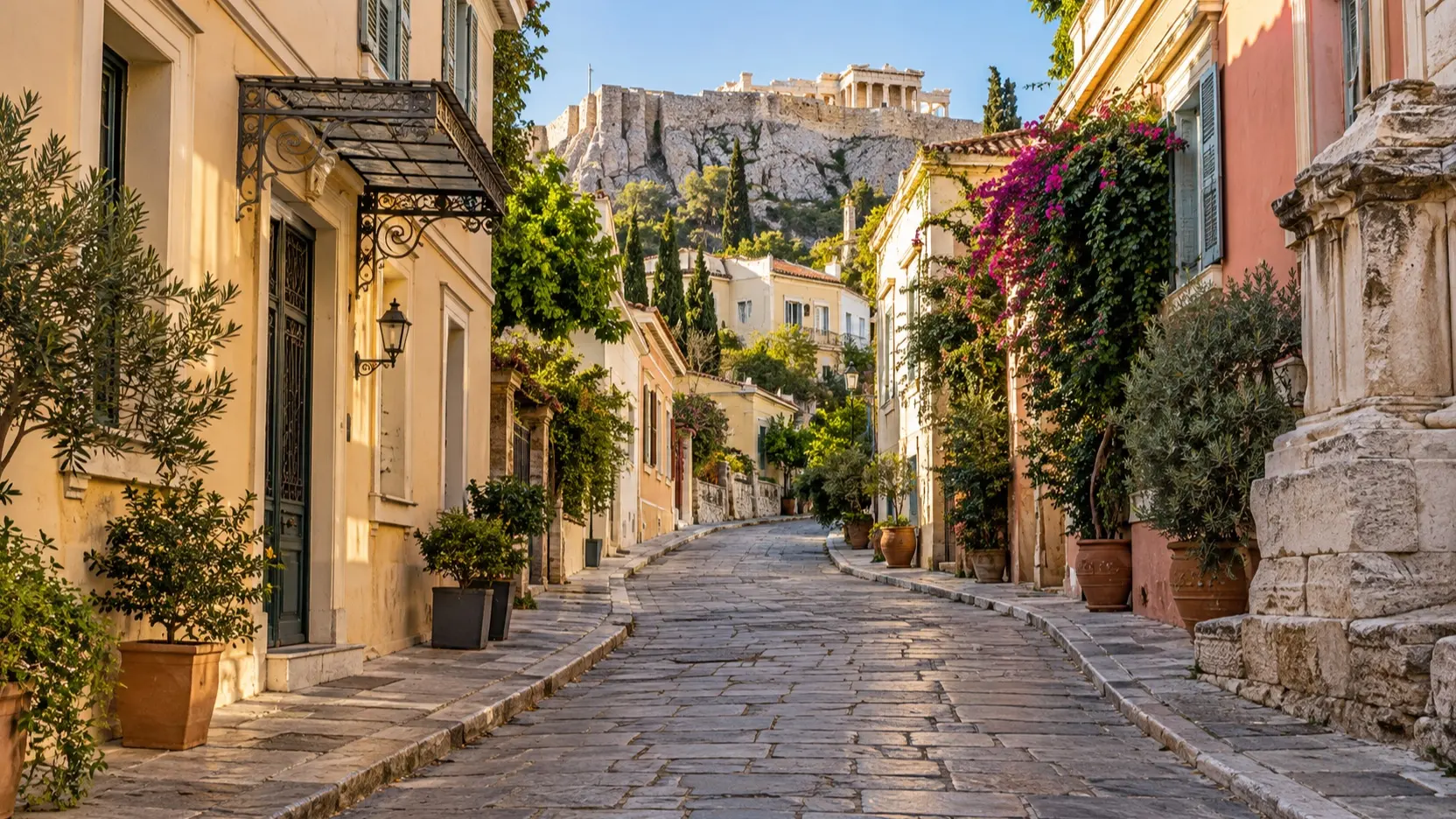
- Plaka: The old neighborhood hugging the Acropolis, full of pedestrian lanes, tavernas, and shops. Fun fact: tucked inside it, the tiny Anafiotika quarter was built by workmen from the island of Anafi and looks like a Cycladic village dropped into the city.
- The Ancient Agora: The civic heart of classical Athens, where Socrates once wandered. It is crowned by the remarkably intact Temple of Hephaestus.
- Temple of Olympian Zeus and Hadrian’s Arch: A short walk from Plaka, this was once the largest temple in Greece, and a handful of its colossal columns still tower over you.
- Syntagma Square and the Changing of the Guard: The kilt-clad Evzones guard the Tomb of the Unknown Soldier in front of Parliament, and the hourly changing ceremony is a genuine spectacle.
- Monastiraki Square and flea market: Your metro exit doubles as a lively hub of souvenir stalls, street food, and rooftop Acropolis views.
- Roman Agora and the Tower of the Winds: An octagonal ancient marble tower that served as a clock and weather vane, just north of the Acropolis.
- Panathenaic Stadium (Kallimarmaro): The all-marble stadium that hosted the first modern Olympic Games in 1896, a short walk beyond the Temple of Olympian Zeus.
Heads up: some links below are affiliate links. If you book through one, I may earn a commission at no extra cost to you. It never changes which hotels or tours I recommend. Full disclosure.
How I’d Plan the Day
Short call (about 4 hours ashore): Metro straight to Monastiraki, up to the Acropolis and Parthenon first, then the Acropolis Museum. Keep an eye on the clock and head back with a comfortable buffer.
Half day (about 6 hours): Add Plaka and the Ancient Agora after the Acropolis, with a taverna lunch on a shaded lane.
Full day (8 hours or more): Fold in the Temple of Olympian Zeus, Syntagma for the guard change, and the Panathenaic Stadium before your return train.
Whatever you choose, aim to be back at Piraeus at least 60 to 90 minutes before all-aboard. The metro is reliable, but a busy port day is not the time to cut it fine.
For context on how Athens fits the wider region, my Mediterranean cruise ports and Europe cruise ports guides map out the neighbors.
A Realistic Word on Accessibility
The Acropolis Museum is fully step-free with elevators, and the metro is a manageable way into town. The archaeological sites are the challenge.
The Acropolis itself is steep with uneven, slippery marble underfoot, though a wheelchair elevator on the north side and improved paths help. If mobility is a concern, confirm current access arrangements with the site and your cruise line before the day.
When to Go, and the Weather
Spring (April to June) and fall (September to October) are the sweet spots: warm, walkable, and lighter on crowds. Summer brings intense heat, so start early and carry water.
Archaeological sites can close early in extreme heat, so check hours on the day and hit the Acropolis first thing.
Tickets, transfers, and the return trip
Piraeus has multiple cruise stations, and the walk to a metro entrance can be long from an outer terminal. Use the port or cruise shuttle when offered, or take a taxi directly to the first Athens sight when heat, luggage, or mobility makes the station transfer a poor trade.
Line 1 reaches Monastiraki, while Line 3 also serves Piraeus and central Athens. Check the live network map and any engineering notices before choosing, because the best station depends on your terminal and first stop.
The Acropolis uses timed entry and can restrict access during extreme heat. Reserve through the official Greek ticketing channel, choose an early slot when possible, and do not stack a rigid museum ticket immediately after a tight arrival transfer.
Leave central Athens 90 minutes before all aboard by metro and more during a strike, heat disruption, or heavy road traffic. Ask about the cruise-terminal shuttle, curb cuts, Acropolis elevator status, steep polished surfaces, and accessible entrances for the exact date.
Quick answers
Is the Athens cruise port actually in Athens?
No. Ships dock in Piraeus, about 7.5 miles from central Athens, and you reach the city by metro, taxi, or tour.
Can I see the Acropolis in one port day?
Yes, comfortably. Take Line 1 to Monastiraki, walk up to the Acropolis, and you can add the Acropolis Museum and Plaka with time to spare.
Is the metro or a taxi better from Piraeus?
The metro is faster and cheaper in traffic, and it drops you right by the sights. A taxi is worth it for door-to-door ease or limited mobility.
How this guide was researched: Unless a first-hand visit is explicitly identified above, this guide is based on independent research using official port, tourism, transit, government, and attraction sources where available. Logistics and time-sensitive details were reviewed on September 10, 2026; see our Editorial Policy.