Civitavecchia Cruise Port for Rome: Docking, Trains and Top Things to Do
Here is the honest truth about the Rome cruise port: your ship docks at Civitavecchia, roughly 43 to 50 miles northwest of the city. Rome is a rewarding but long day trip, so I plan the logistics first and the sightseeing second.
My quick take on Civitavecchia
Civitavecchia is a smooth, well-run port, but it is not Rome. Treat the day as a focused city expedition, pick two or three sights, and guard your return time.
If this is one stop on a longer sailing, it helps to see where it fits among the other cruise ports in Europe. Rome also ranks among the most crowded cruise ports, so early starts pay off.
The quick facts
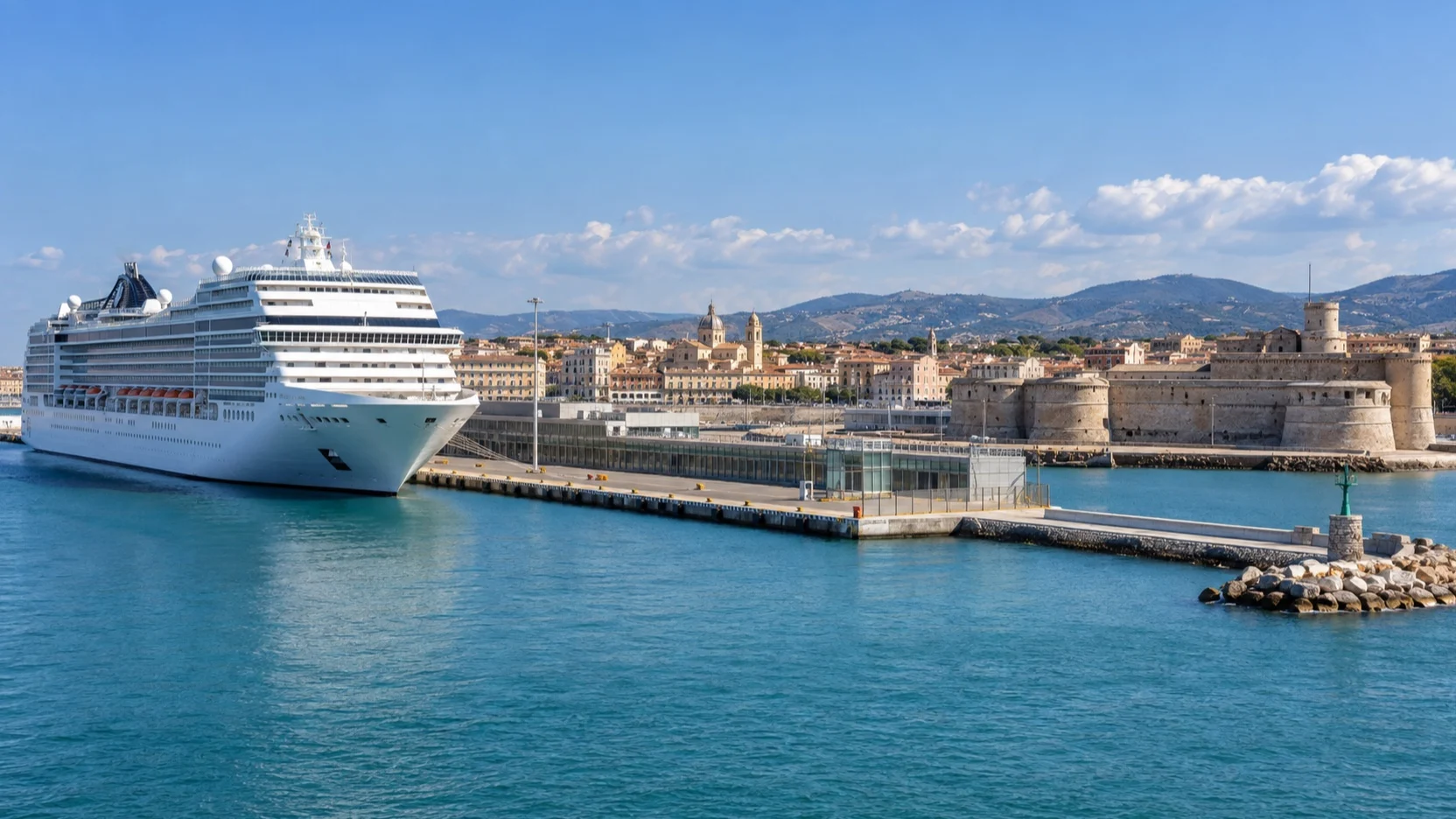
- Where you land: the Port of Civitavecchia, a large commercial and cruise port on the Tyrrhenian coast about 50 miles northwest of Rome. Cruise ships use outer piers linked by internal port transport to designated service points, so follow the signs and staff directions for your own berth rather than assuming every shuttle uses the same exit.
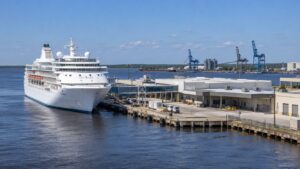
- Dock or tender: Every cruise berth at Civitavecchia is alongside, so you walk off onto the quay and there is no tender.
- Into town: For Civitavecchia, use the free internal port shuttle to its assigned stop and continue on foot or by local transport. For Rome, connect to Civitavecchia station or take a cruise-line coach or private transfer.
- Currency and language: The euro and Italian.
- Time zone: Central European Summer Time (CEST, UTC+2) through the main April to October cruise season, and Central European Time (CET, UTC+1) in winter.
- How often the call is missed: Low (under 1%): the sheltered berth is rarely limited by local weather.
Getting from the pier to Rome
The official Port Mobility shuttle guide separates the free internal port shuttle from paid services. The free route moves passengers between cruise piers and the designated port service point, which may be Largo della Pace or the Fortezza area depending on operations.
Do not start a station walk from the wrong map pin. From the Fortezza area, the station is a manageable waterfront walk, while Largo della Pace is farther inland and needs a different route.
Port Mobility also lists a direct paid service from the cruise docks to Civitavecchia station for 6 euros one way. Check whether it is running for your call, where it boards, and how payment works before choosing it over the free-shuttle-and-walk chain.
The same paid shuttle also runs from the small square outside Civitavecchia station’s exit back to the cruise docks on ship arrival and departure days. With large bags, compare that direct connection with the free internal shuttle plus the walk, and confirm your ship’s assigned stop and any boarding assistance you need before setting off.
Some cruise lines sell coaches to central Rome, and private transfers can meet according to the port’s current access rules. Compare the exact drop-off point and return time, because “Rome transfer” does not always mean door-to-door service at your first attraction.
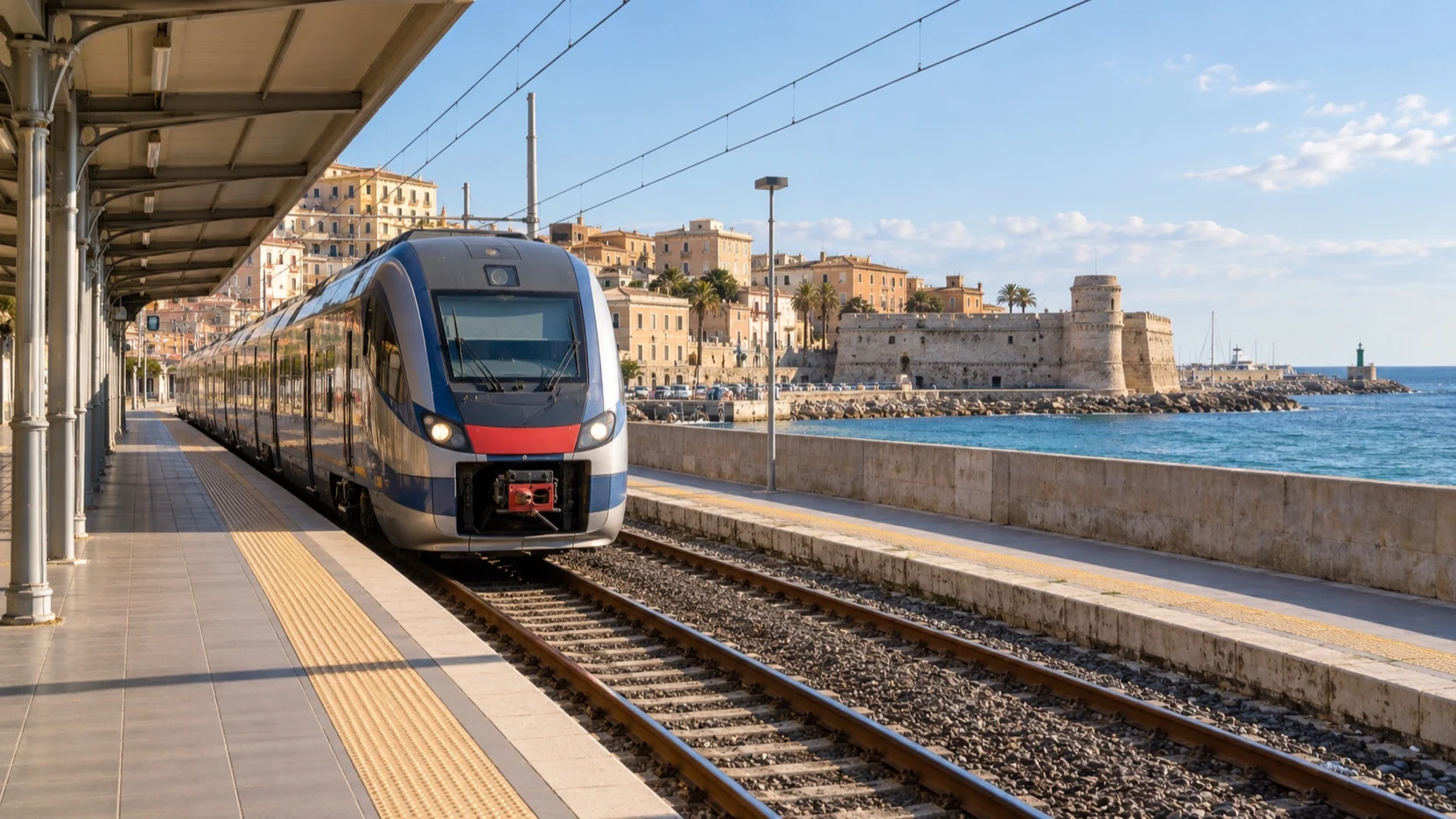
Trains are the practical independent option, but journey time depends on the service and Rome station. Check the actual outbound and return trains for your date, then add port transport, station walking, platform waiting, and city travel instead of treating the train time as the whole transfer.
Check live times and buy tickets on Trenitalia. Paper regional tickets need validation at the station, while a Digital Regionale ticket activates automatically at the selected train’s scheduled departure and can be changed only within the published rules.
Roma San Pietro puts you near the Vatican, while Roma Termini is the central hub for the metro and buses. Choose your arrival station to match your first stop.
If you are flying in the night before, our guide to hotels in Civitavecchia explains the practical tradeoff between sleeping near the ship and staying in Rome.
Be honest about the return buffer
This is the part I never gamble on. Work backward from all-aboard through port security, the station-to-port connection, a chosen return train, and the time needed to reach that Rome station.
Choose a return with an earlier backup rather than the last possible service. A cruise-line excursion usually carries stronger late-return help, but policies differ and the ship may arrange rejoining when it cannot wait, so read your line’s actual terms.
The stops I’d actually spend time on
Rome is too big for one day, so I cluster sights by area after arriving in the city. The historic center is walkable within a chosen cluster, but Civitavecchia is not a walk-off gateway to Rome, and my walkable cruise ports guide explains that distinction.
- Colosseum: Rome’s iconic amphitheater, and a single 24-hour ticket also covers the Roman Forum and Palatine Hill, per the official Parco archeologico del Colosseo. Book a timed entry ahead.
- Roman Forum and Palatine Hill: the political and ceremonial heart of ancient Rome, and the birthplace hill of the city, included on that same combined ticket.
- Vatican Museums and Sistine Chapel: miles of galleries leading to Michelangelo’s ceiling; reserve a slot through the official Vatican Museums site.
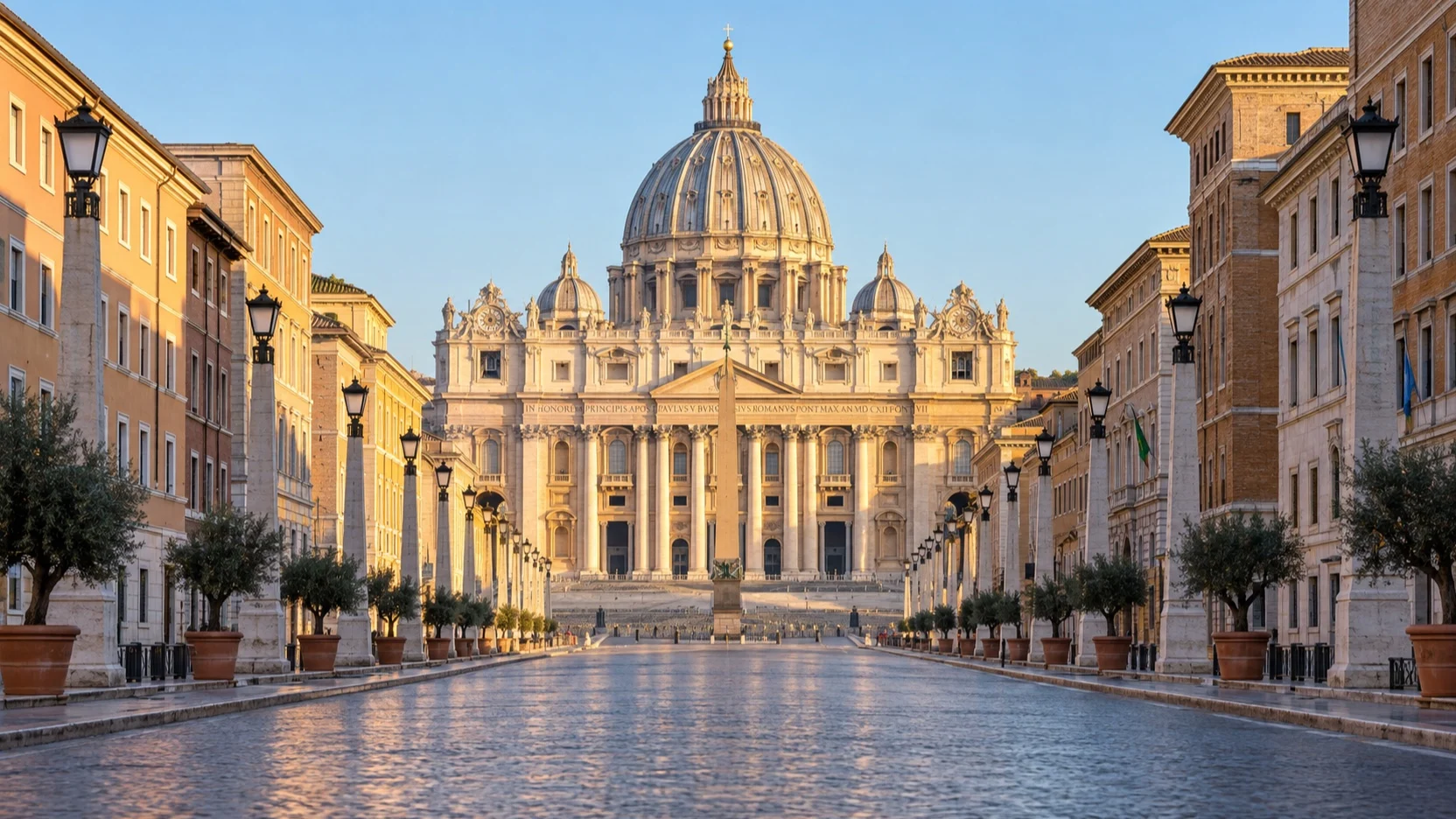
- St Peter’s Basilica: the vast basilica on St Peter’s Square, with visitor details on the official Vatican site. Dress modestly, with shoulders and knees covered.
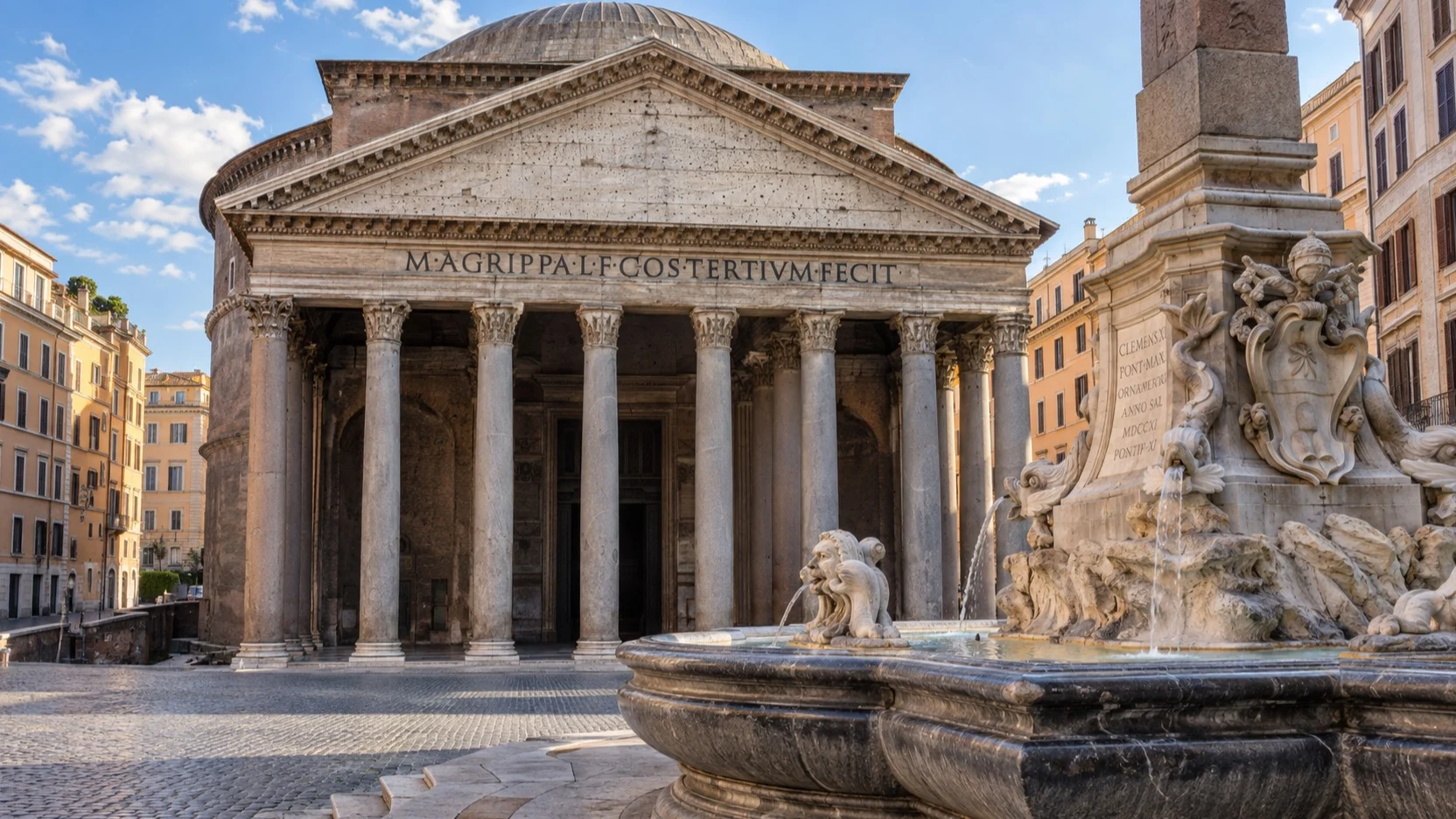
- Pantheon: the best-preserved ancient temple in Rome and the world’s largest unreinforced concrete dome, described by Turismo Roma.
- Trevi Fountain: Rome’s grandest Baroque fountain, best seen early before the crowds build.
- Piazza Navona: an elegant Baroque square built over an ancient stadium, ringed by fountains and cafes.
- Spanish Steps: the sweeping stairway between Piazza di Spagna and the Trinita dei Monti church.
Fun fact worth the detour: the Pantheon’s dome height equals its diameter, and its central oculus, about 29 feet across, is the only source of natural light. The artist Raphael is buried inside, according to Turismo Roma.
Booking tours from the port
Guided day trips remove a lot of the timing stress on a Civitavecchia call. The options below are a starting point for planning.
Heads up: some links below are affiliate links. If you book through one, I may earn a commission at no extra cost to you. It never changes which hotels or tours I recommend. Full disclosure.
How I’d plan the day
Short window (train issues or a late start): stay in Civitavecchia, see Forte Michelangelo and the waterfront, and enjoy a relaxed lunch. Confirm the current shuttle stop and begin the return early, because staying local lowers risk without creating a boarding guarantee.
Classic long day (about 8 hours ashore): take an early train and make the Colosseum and Forum your timed anchor. Add only a compact outdoor walk toward the Pantheon or Trevi Fountain if the return train and a backup still leave a comfortable port buffer.
Vatican-focused day: use Roma San Pietro for St. Peter’s Square and the basilica, but remember that the Vatican Museums entrance is on the north side of Vatican City and is not the same stop. On a shorter visit, choose the basilica or the museums instead of assuming one ticket or entrance seamlessly covers both.
A pre-booked tour can help organize the route, but check its exact meeting point, security rules, and whether basilica access is included that day. A hop-on bus can connect broader areas only when the published loop and traffic fit your call, as covered in my guide to cruise ports with hop-on hop-off buses.
A realistic word on accessibility
The port-to-Rome chain needs to be checked piece by piece. Ask Port Mobility about the call-day shuttle, then request assistance from RFI or the train operator for the exact stations and trains you plan to use.
Do not assume every train offers level boarding or that every lift is working. A confirmed accessible vehicle can be simpler, while Rome itself still brings cobblestones, security lines, slopes, and uneven archaeological surfaces.
When to go, and the weather
Spring and fall are the sweet spots, with mild days and less waiting than midsummer. July and August are hot and busy, so start early and carry water.
Whenever you visit, book the Colosseum or Vatican Museums through the official ticket channel before your call. A timed ticket controls admission to that product, but it does not remove security lines, city travel, closures, or the return journey.
Quick answers
Is the cruise port actually in Rome? No. You dock at Civitavecchia, about 50 miles northwest, and travel in by train or tour.
How long is the train to Rome? It depends on the service and whether you use Roma San Pietro, Ostiense, or Termini. Check your actual date and allow additional time for both port connections, platform waiting, and travel within Rome.
Can I see Rome on my own? Yes, if the call is long enough and you plan the return first. A ship-sponsored excursion can provide stronger late-return assistance, but check your line’s policy instead of assuming the vessel can always wait.
How this guide was researched: Unless a first-hand visit is explicitly identified above, this guide is based on independent research using official port, tourism, transit, government, and attraction sources where available. See our Editorial Policy.